
CDL Certification Guide: DOT Requirements, Study Tips & Endorsements
Free class b cdl certification practice test with questions and answer explanations. ❓ Prepare for the 2026 October exam with instant scoring and study guides.
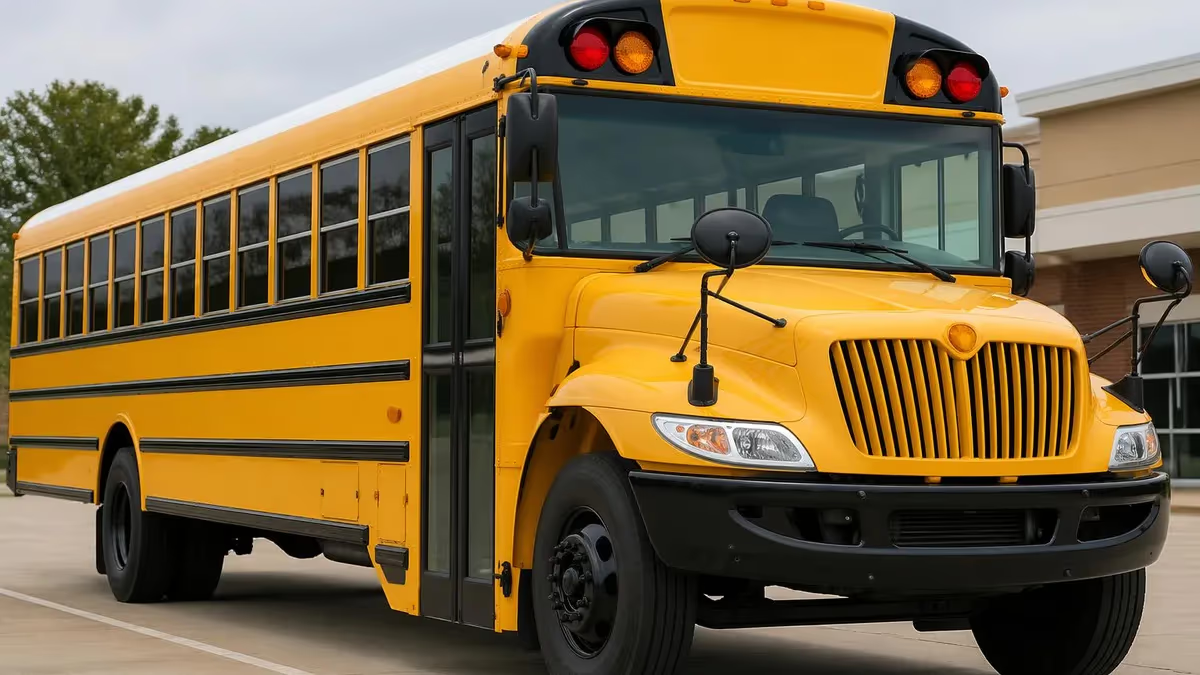
Getting your commercial driver's license isn't just about passing a test — it's about meeting a layered set of federal and state requirements that determine what you can legally drive. This certification guide breaks down every step, from initial permit testing through endorsement add-ons, so you know exactly what's ahead. Whether you're targeting a Class A, class b cdl certification, or specialized endorsements, the path starts with understanding DOT regulations and ends with you holding a valid CDL.
A dot certification from the Department of Transportation isn't a single document — it's the umbrella term covering your medical qualification, self-certification type, and compliance with FMCSA rules. Every commercial driver must maintain current DOT medical certification, register their self-certification status with their home state, and meet the specific class and endorsement requirements for the vehicles they operate. Missing any piece means you're not legally cleared to drive commercially.
The good news? Thousands of drivers navigate this process successfully every month. You don't need a college degree or years of experience — just a structured approach to studying, testing, and paperwork. This page walks you through each requirement with practical advice on study materials, endorsement exams, and the medical certification process. If you follow the steps in order, you'll avoid the common delays and confusion that trip up first-time applicants and get behind the wheel faster than you might expect.
Understanding the distinction between CDL classes is your first real decision point. A class b cdl certification covers single vehicles over 26,001 pounds — think straight trucks, city buses, dump trucks, and box trucks. Class A adds combination vehicles with a towed unit over 10,000 pounds, opening doors to tractor-trailers and semi-trucks. Class C handles vehicles designed for 16+ passengers or hazmat transport that don't meet Class A or B weight thresholds. Most new drivers pursue Class A or B depending on their career goals.
If you're hauling tanker loads, you'll also need a tank endorsement study guide to prepare for that separate written exam. The tanker endorsement (N) tests your knowledge of liquid surge, rollover prevention, and loading procedures unique to tank vehicles. It's not included in the general knowledge or air brakes tests — you must study and pass it independently. Many drivers add the tanker endorsement alongside their initial CDL to expand job opportunities from day one, and a solid cdl drivers license study guide covers this material thoroughly.
Don't skip the pre-trip inspection portion of your preparation. The skills test includes a vehicle inspection component where you physically walk around the truck identifying parts and explaining their function. Candidates who focus only on the written exam often fail this practical portion because they didn't practice naming components under pressure. Spend time with actual vehicles during your training program whenever possible.
Earning your hazmat certification requires passing a written endorsement exam plus a TSA background check. The background check involves fingerprinting and a security threat assessment that takes about 60 days to process. Plan ahead — if you apply for hazmat at the last minute, you'll have your CDL but won't be able to haul hazardous materials until clearance comes through. Start the TSA process as soon as you're eligible to avoid employment delays.
A quality cdl study guide covers all the knowledge areas you'll face on test day: general knowledge, air brakes (unless you accept a restriction), combination vehicles (for Class A), and any endorsement exams. The FMCSA publishes official study materials, but most candidates find third-party practice tests more effective for learning because they include answer explanations and score tracking. Don't rely on a single resource — cross-reference your cdl study guide with practice tests to verify you actually understand the material rather than just recognizing answers.
Your state's DMV website lists the exact tests required for your target CDL class and endorsements. Requirements vary slightly by state, though the core federal standards are consistent. Some states require additional state-specific knowledge questions, and testing fees differ too. Check your local DMV before starting to avoid surprises during the application process — a quick phone call or website visit saves hours of confusion later.
CDL Classes and Endorsements Explained
Class A authorizes combination vehicles — a tractor unit towing a trailer over 10,000 pounds GVWR, with a combined weight exceeding 26,001 pounds. This is the most versatile CDL class, covering semi-trucks, flatbeds, tankers, and livestock carriers. Most trucking company positions require Class A. The skills test includes coupling/uncoupling procedures unique to tractor-trailer combinations. Training typically runs 3-7 weeks full-time.
When you're searching for a cdl drivers license study guide, prioritize materials that match your state's specific test format. While federal CDL standards are uniform, states can add supplemental questions. Some states use the exact FMCSA question bank, others modify it. The best study guides call out state-specific content so you don't waste time studying material that won't appear on your particular exam. Finding quality cdl certification classes near you is equally important — hands-on training with experienced instructors accelerates your learning beyond what any book can offer.
CDL certification classes range from three-week intensive programs to seven-week standard courses. Cost typically falls between $3,000 and $7,000, though many trucking companies sponsor training programs and recover the cost through employment agreements. Company-sponsored training often requires a commitment of one to two years — read the contract carefully before signing. Independent schools offer more flexibility but cost more upfront. Both paths lead to the same CDL, so choose based on your financial situation and career preferences.
Don't overlook community college CDL programs. Many offer federally-funded training at reduced rates, especially for veterans and career changers. The instruction quality at community colleges is often excellent because programs must meet FMCSA-approved curriculum standards to operate. Financial aid, including Pell Grants and workforce development funds, can significantly reduce your out-of-pocket cost for quality training.
The cdl self certification process confuses many new applicants. FMCSA requires every CDL holder to self-certify into one of four categories based on their type of driving. Interstate non-excepted (the most common) requires a DOT medical card. Interstate excepted covers certain government and farm operations. Intrastate categories mirror these but limit you to driving within your home state. Your self-certification type determines your medical requirements, so choosing correctly matters — picking the wrong category can invalidate your CDL.
For your cdl permit test study guide, focus heavily on general knowledge first. The permit test — called the CLP (Commercial Learner's Permit) exam — tests general knowledge, and you may also need air brakes and combination vehicles sections depending on your target class. You must hold your CLP for at least 14 days before taking the skills test, and some states require a longer waiting period. Use those weeks productively by driving with a qualified CDL holder beside you to build real-world experience alongside your book knowledge.
Keep your documents organized from the start. You'll need your current driver's license, Social Security card or proof of legal presence, proof of state residency (typically two documents), and your DOT medical examiner's certificate. Missing paperwork is the number one reason DMV visits end in frustration rather than a CDL. Make a folder, gather everything before your first appointment, and bring copies just in case. This simple step saves hours of wasted time and return trips.
Pros and Cons of Getting Your CDL
- +High demand — trucking industry consistently needs qualified drivers nationwide
- +Competitive pay starting at $45K-$65K annually with experience growth potential
- +No four-year degree required — training takes just weeks not years
- +Multiple career paths including long-haul, local delivery, buses, and specialty hauling
- +Company-sponsored training options reduce or eliminate upfront education costs
- +Endorsements let you specialize and earn premium pay for hazmat or tanker loads
- −Training costs $3K-$7K upfront if not company-sponsored
- −Long-haul routes mean extended time away from family and home
- −DOT medical requirements can disqualify drivers with certain health conditions
- −Physical demands include loading, vehicle inspections, and long sitting periods
- −Strict hours-of-service regulations limit daily driving flexibility
- −Insurance costs and liability exposure are higher than standard driving roles
Pros and Cons at a Glance
| Pros | Cons |
|---|---|
| High demand — trucking industry consistently needs qualified drivers nationwide | Long-haul routes mean extended time away from family and home |
| No four-year degree required — training takes just weeks not years | DOT medical requirements can disqualify drivers with certain health conditions |
| Multiple career paths including long-haul, local delivery, buses, and specialty hauling | Physical demands include loading, vehicle inspections, and long sitting periods |
| Company-sponsored training options reduce or eliminate upfront education costs | Strict hours-of-service regulations limit daily driving flexibility |
| Endorsements let you specialize and earn premium pay for hazmat or tanker loads | Insurance costs and liability exposure are higher than standard driving roles |
Understanding how to get a hazmat certification is straightforward once you break it down. First, pass the hazmat knowledge test at your DMV — it covers hazardous materials tables, placarding rules, loading and unloading procedures, and emergency response protocols. Second, submit your TSA background check application with fingerprints. Third, wait for clearance (typically 30-60 days). Fourth, return to the DMV with your clearance letter to add the H endorsement to your CDL. The process has multiple steps but none of them are difficult individually.
Your commercial driver medical certification — commonly called the DOT physical — must come from a medical examiner listed on the FMCSA National Registry. Not every doctor qualifies. The exam checks your vision (at least 20/40 in each eye), hearing (forced whisper test at five feet), blood pressure (must be below 140/90 for a two-year card), and overall physical ability to safely operate a commercial vehicle. Certain conditions like insulin-dependent diabetes or epilepsy require exemption applications, which add processing time to your timeline.
Renewing your DOT medical card before it expires is critical. If your card lapses, your CDL automatically downgrades to a regular license in most states — and you can't drive commercially until you complete a new physical and submit updated paperwork. Set a calendar reminder 60 days before expiration. Some medical conditions require annual physicals rather than the standard two-year certification, so know your specific renewal schedule from the beginning.
CDL Application Checklist
- ✓Verify you meet the minimum age requirement (21 for interstate, 18 for intrastate in most states)
- ✓Complete a DOT physical with an FMCSA-registered medical examiner
- ✓Gather two forms of proof of state residency plus Social Security documentation
- ✓Study the CDL manual for your target class (A, B, or C) and endorsements
- ✓Pass the CLP written exam at your DMV for your general knowledge permit
- ✓Hold your CLP for at least 14 days before scheduling the skills test
- ✓Complete ELDT (Entry Level Driver Training) with a registered training provider
- ✓Pass the three-part skills test: pre-trip inspection, basic controls, and road test
- ✓Submit your self-certification type to your state DMV
- ✓Apply for TSA background check immediately if pursuing hazmat endorsement
Whether you're using a study guide cdl permit test resource online or working through a printed manual, the study approach matters more than the format. Active recall — testing yourself on material rather than re-reading — is the most effective study method backed by research. Take a practice test, identify every question you got wrong, study those specific topics, then test again. This cycle is more efficient than reading the same chapter five times and hoping the information sticks.
Your cdl permit study guide should cover all sections you'll be tested on. For Class A, that means general knowledge, air brakes, and combination vehicles at minimum. For Class B, general knowledge and air brakes (unless you opt for the air brake restriction). Add endorsement study materials for each endorsement you're pursuing. Don't try to study everything at once — work through one section completely before moving to the next. Mastering general knowledge first gives you a foundation that makes every other section easier to absorb.
Practice tests are your best measurement tool. When you're scoring 85% or higher consistently across three or four attempts, you're ready for the real exam. Below 80%, keep studying — the actual test may include questions harder than your practice materials, so you want a buffer. Most state DMV exams require 80% to pass, though some sections like air brakes may have different thresholds. Know your state's passing scores before test day so there are no surprises at the testing window.
Your med certification — the DOT medical examiner's certificate — connects directly to your self-certification type. If you selected interstate non-excepted driving (the most common category), your state DMV links your medical card to your CDL record electronically. This means the examiner reports your results to the FMCSA database, and your state accesses that data. A commercial drivers license self certification mismatch between your medical status and driving category is one of the fastest ways to get flagged during a roadside inspection or audit.
Keep digital and physical copies of your DOT medical card. Roadside inspections require you to produce it, and not having it available results in an out-of-service violation. Most experienced drivers keep a laminated copy in their truck, a photo on their phone, and the original in a safe place at home. This three-copy system means you're always covered regardless of the situation. Some carriers also keep a copy on file, but don't rely solely on your employer — you're personally responsible for having valid medical documentation available.
If you have a medical condition that might affect your CDL eligibility, consult with a DOT medical examiner before investing in training. Conditions like sleep apnea, certain heart conditions, or vision limitations don't automatically disqualify you, but they may require additional testing, specialist clearance, or exemption applications. Knowing your medical status upfront prevents the frustration of completing training only to discover a medical hurdle that delays or prevents your CDL issuance. A proactive approach saves both time and money in the long run.
Entry Level Driver Training (ELDT) is mandatory for all new CDL applicants and drivers adding endorsements. You must complete theory and behind-the-wheel training with an FMCSA-registered provider listed on the Training Provider Registry (TPR). Your training provider reports completion to the TPR database — without this record, the DMV will not allow you to take the skills test. Self-study alone no longer qualifies you for a CDL.
Finding the right cdl license study guide depends on whether you're studying for the written permit test or the full CDL skills exam. Permit study guides focus on knowledge questions — general knowledge, air brakes, endorsements. Skills exam prep materials cover the pre-trip inspection walkthrough, basic vehicle control maneuvers (straight line backing, offset backing, parallel parking), and the road test. You need both types, but tackle the written material first since you must earn your CLP before taking the skills test.
Searching for cdl certification near me? Start with your state's DMV website to find approved testing locations, then look for ELDT-registered training providers in your area using the FMCSA Training Provider Registry. Community colleges, private truck driving schools, and carrier-sponsored programs all appear in the registry. Compare costs, program length, job placement rates, and student reviews before committing. The cheapest option isn't always the best value — a well-equipped school with experienced instructors and modern equipment gives you better preparation for the skills test and real-world driving.
Consider the timing of your CDL pursuit carefully. Some seasons offer better hiring incentives — many carriers boost sign-on bonuses in spring and early summer when freight demand peaks. If you're employer-sponsored, coordinate your training start date with your employer's schedule. Independent students should factor in the CLP waiting period, skills test scheduling availability (which can have multi-week waits in busy DMV offices), and endorsement processing times when planning their overall timeline.
CDL Practice Test Questions
Prepare for the CDL - Commercial Driver's License exam with our free practice test modules. Each quiz covers key topics to help you pass on your first try.
CDL Alabama CDL Combination Vehicles Pract...
CDL Exam Questions covering Alabama CDL Combination Vehicles Practice Test. Master CDL Test concepts for certification prep.
CDL Alabama CDL General Knowledge Practice...
Free CDL Practice Test featuring Alabama CDL General Knowledge Practice Test #. Improve your CDL Exam score with mock test prep.
CDL Alabama General Knowledge CDL Practice...
CDL Mock Exam on Alabama General Knowledge CDL Practice Test. CDL Study Guide questions to pass on your first try.
CDL Airbrakes Practice Test
CDL Test Prep for Airbrakes Practice Test. Practice CDL Quiz questions and boost your score.
CDL Air Brakes Practice Test
CDL Questions and Answers on Air Brakes Practice Test. Free CDL practice for exam readiness.
CDL CLASS A COMMERCIAL DRIVER'S LICENSE PR...
CDL Mock Test covering CLASS A COMMERCIAL DRIVER'S LICENSE PRACTICE TEST. Online CDL Test practice with instant feedback.
CDL Class B Commercial Driver's License Pr...
Free CDL Quiz on Class B Commercial Driver's License Practice Test. CDL Exam prep questions with detailed explanations.
CDL Combination Vehicles Practice Test
CDL Practice Questions for Combination Vehicles Practice Test. Build confidence for your CDL certification exam.
CDL Doubles and Triples Practice Test
CDL Test Online for Doubles and Triples Practice Test. Free practice with instant results and feedback.
CDL Doubles Triples Practice Test
CDL Study Material on Doubles Triples Practice Test. Prepare effectively with real exam-style questions.
CDL General Knowledge Practice Test
Free CDL Test covering General Knowledge Practice Test. Practice and track your CDL exam readiness.
CDL General Knowledge Practice Test1
CDL Exam Questions covering General Knowledge Practice Test1. Master CDL Test concepts for certification prep.
CDL Hazardous Materials (Hazmat) Practice ...
Free CDL Practice Test featuring Hazardous Materials (Hazmat) Practice Test. Improve your CDL Exam score with mock test prep.
CDL Hazardous Materials Hazmat Practice Test
CDL Mock Exam on Hazardous Materials Hazmat Practice Test. CDL Study Guide questions to pass on your first try.
CDL Hazmat Practice Test
CDL Test Prep for Hazmat Practice Test. Practice CDL Quiz questions and boost your score.
CDL Passenger Transport Practice Test
CDL Questions and Answers on Passenger Transport Practice Test. Free CDL practice for exam readiness.
CDL Road Signs and Signals Practice Test
CDL Mock Test covering Road Signs and Signals Practice Test. Online CDL Test practice with instant feedback.
CDL School Bus Endorsement Practice Test
Free CDL Quiz on School Bus Endorsement Practice Test. CDL Exam prep questions with detailed explanations.
CDL School Bus Endorsement S Practice Test
CDL Practice Questions for School Bus Endorsement S Practice Test. Build confidence for your CDL certification exam.
CDL Tanker Practice Test
CDL Test Online for Tanker Practice Test. Free practice with instant results and feedback.
CDL Class A Commercial Driver's License Pr...
CDL Study Material on Class A Commercial Driver's License Practice Test -1. Prepare effectively with real exam-style questions.
CDL Class A Driver's License Practice Test -2
Free CDL Test covering Class A Driver's License Practice Test -2. Practice and track your CDL exam readiness.
CDL Class A Driver's License Practice Test -3
CDL Exam Questions covering Class A Driver's License Practice Test -3. Master CDL Test concepts for certification prep.
CDL Class A Driver's License Practice Test -5
Free CDL Practice Test featuring Class A Driver's License Practice Test -5. Improve your CDL Exam score with mock test prep.
CDL Class B Commercial Driver's License Pr...
CDL Mock Exam on Class B Commercial Driver's License Practice Test -2. CDL Study Guide questions to pass on your first try.
CDL Class C CDL with Hazmat Endorsement Pr...
CDL Test Prep for Class C CDL with Hazmat Endorsement Practice Test. Practice CDL Quiz questions and boost your score.
CDL Class C CDL with Hazmat Endorsement Pr...
CDL Questions and Answers on Class C CDL with Hazmat Endorsement Practice Test -2. Free CDL practice for exam readiness.
CDL Class C CDL with Hazmat Endorsement Pr...
CDL Mock Test covering Class C CDL with Hazmat Endorsement Practice Test -3. Online CDL Test practice with instant feedback.
If you're pursuing cdl certification ny or any other specific state, be aware that state-level requirements can include additional written tests, different fee structures, and varying wait times for skills test appointments. New York, California, and Texas are among the states with the highest CDL volume — which means more testing locations but also longer wait times during peak periods.
Book your skills test appointment as soon as you receive your CLP to avoid unnecessary delays. Self certification status must be filed with your state before your CDL becomes fully active, so handle that paperwork simultaneously with your other testing requirements.
The self certification process itself is simple — you're declaring which of the four operating categories applies to your driving. Interstate non-excepted requires a full DOT medical card. Interstate excepted applies to certain government and farm operations exempt from medical requirements. Intrastate non-excepted and intrastate excepted mirror the interstate categories but restrict you to your home state. Most commercial drivers fall into the interstate non-excepted category, which keeps the most job options open across state lines.
Your CDL is a career investment that pays dividends for decades. The initial effort — studying, testing, training, and paperwork — is front-loaded. Once you hold a valid CDL with the right endorsements, you have access to an industry that can't function without qualified drivers. Median pay for heavy truck drivers exceeds $50,000 annually, with specialized roles (hazmat, oversized, tanker) commanding significantly more. The certification process feels complicated from the outside, but each step is manageable when you take it one at a time. Start with your state's CDL manual, take your first practice test, and build from there.
Sample CDL Practice Questions
Try these questions from our free CDL practice tests. The correct answer and an explanation follow each question.
What certification must appear on hazmat shipping papers?
- A. A shipper's certification that the materials are properly prepared
- B. The driver's GPA
- C. A weather waiver
- D. A fuel economy statement
Answer: A. A shipper's certification that the materials are properly prepared
The shipper certifies on the papers that the materials are properly classed, described, packaged, marked, and labeled.
You are asked to transport a package that is properly marked and has a signed shipper's certification, but you notice the package is leaking. You should
- A. Accept the shipment and report it to your dispatcher
- B. Refuse the shipment
- C. Repackage the material to contain the leak
- D. Accept the shipment only if it is a Class 2 material
Answer: B. Refuse the shipment
A driver must always refuse to transport any hazardous material shipment that is leaking, even if it is otherwise properly marked and certified. A leaking package indicates a failure in containment and poses an immediate safety risk to the driver, other road users, and the environment. Accepting such a shipment would violate safety regulations and endanger lives.
At what air pressure must the low air pressure warning signal come on?
- A. 150 psi
- B. 50 psi
- C. 45 psi
- D. 60 psi
Answer: D. 60 psi
Federal regulations mandate that the low air pressure warning signal must activate when the air pressure in the service air tanks falls below 60 psi (or half the governor cut-out pressure on older vehicles). This warning alerts the driver to a critical loss of air pressure, indicating a potential problem with the air brake system that requires immediate attention.
On older trailers, what will happen if the emergency and service air lines are crossed?
- A. Nothing will happen, they are designed to be interchangeable
- B. The trailer spring brakes will release
- C. Water and oil will build up in the air tanks
- D. You could drive away, but you will not have trailer brakes
Answer: D. You could drive away, but you will not have trailer brakes
If the emergency and service air lines are crossed on an older trailer, the trailer's emergency (spring) brakes will release, but the service brakes will not function. This means you could drive away, but you would have no way to apply the trailer's service brakes. This is a critical safety hazard as the trailer would not contribute to stopping the rig.
CDL Questions and Answers
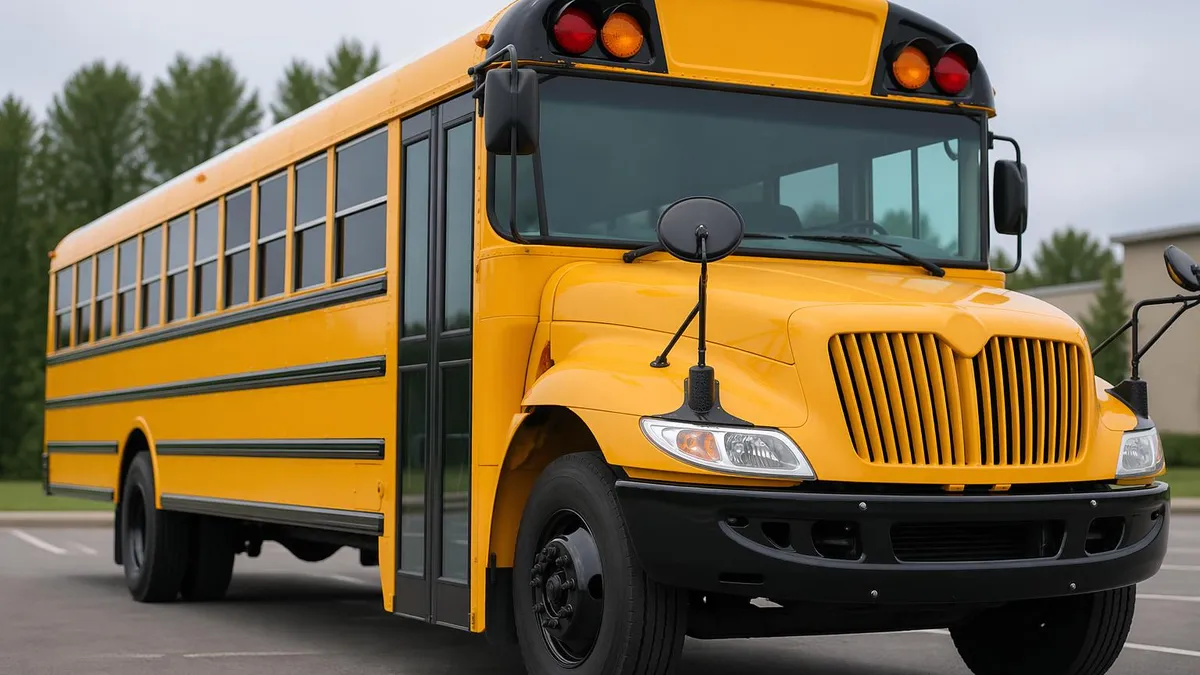
CDL Career Overview: Driving Jobs, Salaries, and How to Get Started
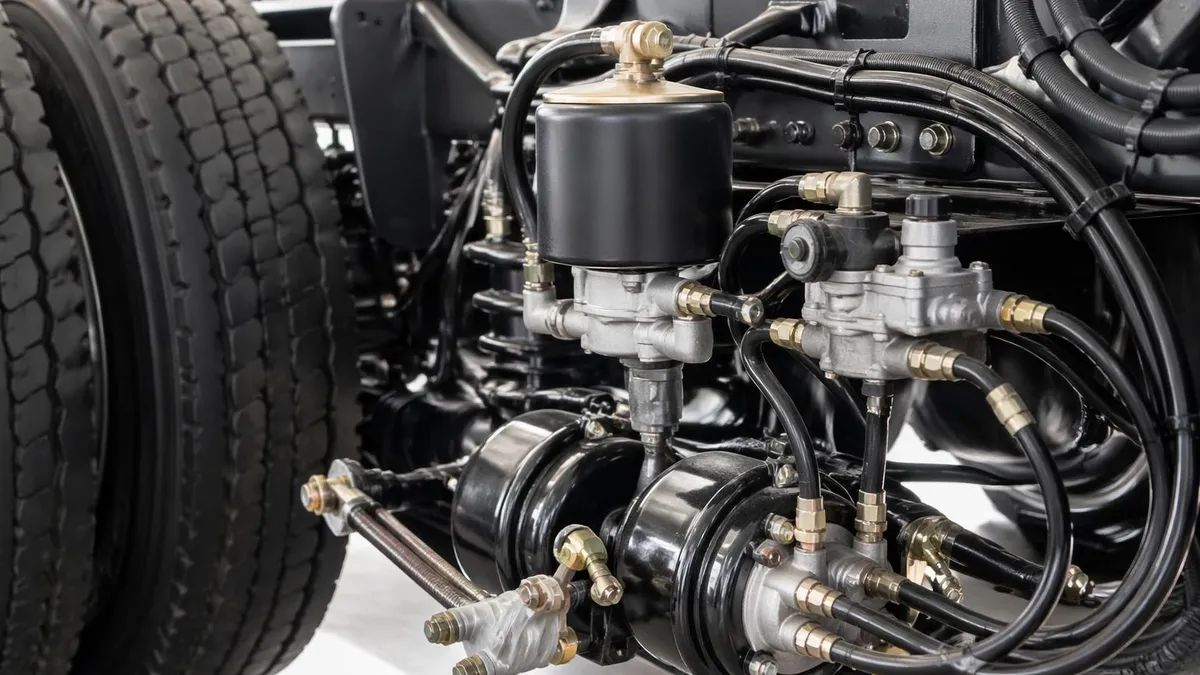
CDL Exam Eligibility: DOT Requirements, Medical Exams, and How to Qualify
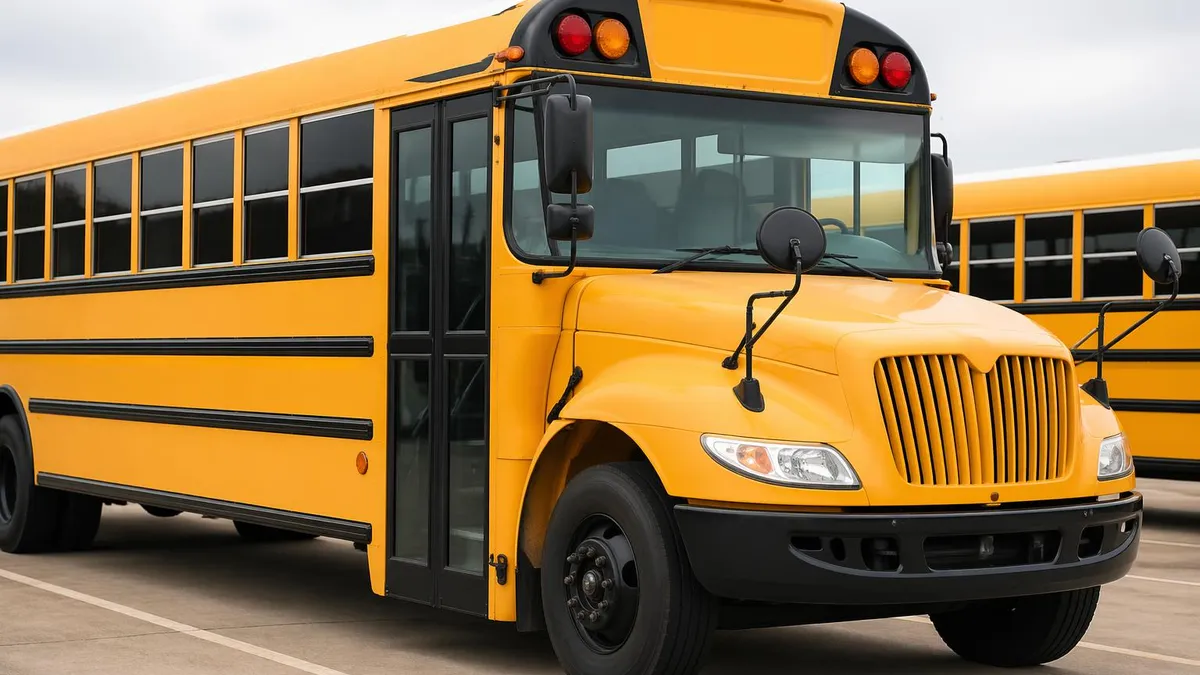
CDL Hazardous Materials Study Guide and Essential Study Materials
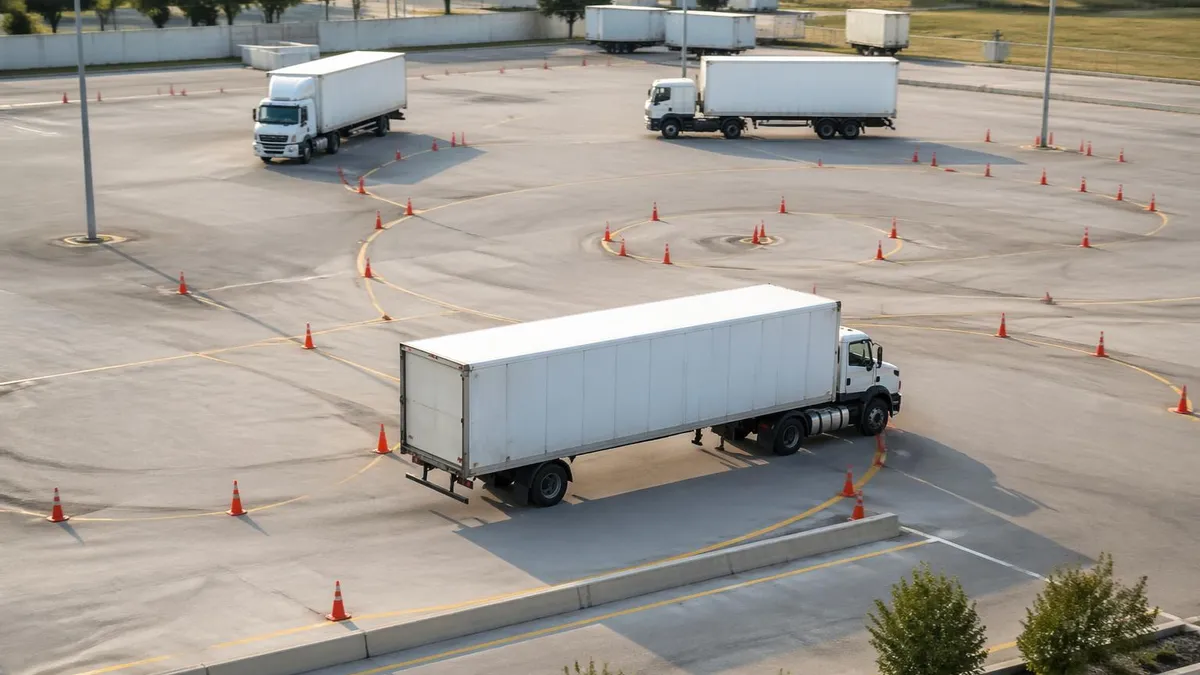
CDL General Knowledge Test: What You Need to Know About Subject Knowledge

CDL Practice Tests 2026: Free Online Prep for Every Endorsement
About the Author

Licensed Driving Instructor & DMV Test Specialist
Penn State UniversityRobert J. Williams graduated from Penn State University with a degree in Transportation Management and has spent 20 years as a certified driving instructor and DMV examiner consultant. He has personally coached thousands of applicants through written knowledge tests, skills assessments, and commercial driver licensing programs across more than 30 states.
Join the Discussion
Connect with other students preparing for this exam. Share tips, ask questions, and get advice from people who have been there.
View discussion (7 replies)