
DMV Exam Prep: Your Complete Guide to the Examen de Manejo and CDL Tests
Pass the DMV exam with confidence. ✅ Practice questions with detailed explanations and instant feedback on every answer.

Whether you're preparing for a standard permit test or tackling a commercial driver's license, solid exam prep is what separates first-attempt passers from repeat visitors to the DMV. The written knowledge test might seem straightforward, but a 35% national fail rate tells a different story. You need more than a quick skim of the driver's manual — you need structured, targeted practice that matches your actual exam.
For Spanish-speaking drivers, the examen de manejo is available in most states, and preparing in your preferred language can make a real difference in comprehension and confidence. Many states offer the written test in over a dozen languages, but the quality of translated practice materials varies widely. That's why we've built an examination permit practice test platform that covers every state's requirements — in English and beyond.
The examen para licencia de conducir covers road signs, traffic laws, right-of-way rules, safe driving techniques, and state-specific regulations. Each state designs its own exam, so a one-size-fits-all approach won't cut it. California's test has 46 questions, New York's has 20, and Texas sits at 30. What matters isn't just the number — it's knowing which topics your state emphasizes and drilling those until they're second nature.
This guide breaks down everything you need to know about DMV exam prep, from standard permit tests to commercial CDL exams, with free practice resources and proven study strategies for every step of the journey. Let's get you fully ready to pass on your first try.

Understanding your exam's format is half the battle. The examen para licencia de conducir in most states follows a multiple-choice format with three or four answer options per question. You won't face open-ended questions, essay prompts, or oral exams — it's all recognition-based recall. That said, don't confuse "multiple choice" with "easy." The questions require specific knowledge about distances, penalties, and procedures that casual driving experience won't teach you.
For those pursuing commercial vehicles, cdl prep involves a fundamentally different exam structure. The CDL general knowledge test alone has 50 questions, and you'll also face endorsement-specific tests for air brakes, hazmat, tanker, doubles/triples, and passenger vehicles. Each endorsement adds another 20-30 questions to your testing load. A thorough examen del dmv study plan accounts for every endorsement you need from the start, rather than cramming them one at a time.
The good news? Both permit and CDL exams are learnable. They test memorizable facts, not subjective judgment calls. If you put in the practice hours with state-specific materials, you'll know the content cold before test day arrives. Most successful test-takers report needing 10-15 hours of total study time spread over two to three weeks for a standard permit exam. CDL candidates should plan for significantly more — but the principle is the same.
Taking an examination permit practice test online is the fastest way to identify your knowledge gaps. Instead of reading a 100-page driver's manual cover to cover, you can jump straight into a practice exam and see which topics trip you up. Most people discover they're weakest on road sign identification or right-of-way scenarios — areas where visual recognition matters more than rote memorization.
The examen de licencia de conducir in states with large Spanish-speaking populations (California, Texas, Florida, New York) is offered in Spanish, and the questions are identical in content to the English version. However, some driving terms translate awkwardly, so practicing in both languages can help if you're bilingual. Understanding a concept in two languages actually strengthens your recall — you're creating two mental pathways to the same information.
Don't underestimate the value of repeated practice. Research on the testing effect shows that retrieving information from memory — which is exactly what practice tests force you to do — strengthens long-term retention far more than passive rereading. Each time you answer a question, right or wrong, your brain reinforces the neural pathway for that knowledge.
Getting a question wrong on a practice test is actually more valuable than getting it right — the surprise of being wrong creates a stronger memory imprint. Check out our full examen dmv resource page for additional study strategies and state-specific guidance on exam requirements.
Exam Types: Permit, License, and CDL
The learner's permit exam is a written knowledge test covering basic traffic laws, road signs, and safe driving practices. Most states require 20-50 multiple-choice questions with a passing score between 70% and 83%. You must pass this test before receiving a learner's permit, which then allows you to practice driving with a licensed adult in the vehicle. Study your state's official driver manual and take at least five full-length practice tests before scheduling your appointment.
When you search for examen del dmv online, you'll find a mix of official state resources and third-party practice sites. The key is using materials that actually match your state's current exam format and content. Some states update their question banks annually to reflect new traffic laws, while others rotate questions less frequently. Either way, your practice tests should come from a source that tracks these changes.
The examen dmv in California is particularly demanding because it draws from one of the largest question banks in the country. With 46 questions and an 83% passing requirement, you need to get at least 38 right. That leaves room for only 8 mistakes out of 46 — and if you're guessing on even a handful of questions, those margins get dangerously thin very quickly. Targeted, state-specific practice eliminates guessing by ensuring you've already seen and answered questions covering the same topics and concepts before walking into the DMV.
Something many test-takers don't realize is that the DMV rotates its questions regularly. You might take the exam on a Monday and face a completely different set of questions than someone who tests on Friday. This is why practicing with a large question bank matters more than memorizing a small set of "leaked" questions. Breadth of preparation beats depth on a narrow topic every single time. Cast a wide net in your studying, and you'll be ready for whatever version of the exam you get.
The examen de manejo dmv is one of the most searched terms among Spanish-speaking drivers preparing for their permit test. And that makes sense — the written exam is the first major hurdle in getting your license, and it feels high-stakes. But here's the truth: it's entirely passable with the right preparation. You don't need to be a perfect driver. You just need to know the rules well enough to answer 80% of the questions correctly.
For motorcycle enthusiasts, the bike license exam adds another layer of specialized knowledge. Motorcycle permit tests cover topics unique to two-wheeled vehicles — lane positioning, countersteering, protective gear requirements, and group riding formations. Most states require a separate written test for motorcycle endorsements, and some also require completion of a examen de manejo dmv approved rider safety course before you can take the road test.
Whether you're aiming for a car permit, motorcycle endorsement, or CDL, the study strategy remains the same: read the manual, take practice tests, focus on weak areas, and don't schedule the real exam until you're consistently scoring above 90%. That formula works regardless of the specific test you're preparing for. Discipline and consistency beat talent and luck when it comes to standardized exams like these.
Online Exam Prep vs. In-Person Classes
- +Study on your own schedule from any device with internet access
- +Instant scoring and detailed explanations for every question answered
- +Free resources available — no tuition fees or registration costs
- +State-specific content that matches your actual DMV exam questions
- +Unlimited retakes so you can practice until you reach consistent mastery
- +Self-paced learning lets you spend extra time on difficult topics
- −No live instructor to answer your specific questions in real time
- −Requires self-discipline to maintain a consistent study schedule
- −Doesn't include behind-the-wheel training or road test preparation
- −Screen fatigue during extended study sessions on phones or tablets
- −Some free sites use outdated questions that no longer match current exams
- −Can be harder to stay motivated without classmates or structured deadlines
If you're eyeing a career in trucking or commercial driving, the sample cdl exam is your best friend during preparation. CDL tests aren't just harder — they're longer, more detailed, and cover material that regular permit tests don't touch. Air brake systems alone have their own dedicated endorsement test with 25 questions. Pre-trip inspection procedures, coupling and uncoupling trailers, and hazardous materials handling all require specific, testable knowledge.
A cdl exam test typically starts with the general knowledge section — 50 questions covering basic commercial vehicle operation, cargo securement, emergency procedures, and federal regulations. You need 80% to pass, which means no more than 10 wrong answers. From there, each endorsement adds its own exam. If you need air brakes, tanker, and hazmat endorsements, you're looking at roughly 125 total questions across four separate tests.
The smartest CDL candidates study one endorsement at a time rather than trying to absorb everything simultaneously. Start with general knowledge, pass that section, then move to your first endorsement. This staged approach prevents information overload and lets you build momentum from each small win. Most CDL training programs recommend 40-60 hours of study spread over four to six weeks. That investment pays for itself quickly — CDL holders earn a median salary that's well above the national average.
DMV Exam Day Preparation Checklist
- ✓Score 90% or higher on at least three consecutive full-length practice exams before scheduling your test date
- ✓Review your state's official driver manual one final time, focusing on sections where you previously made errors
- ✓Gather all required documents: valid photo ID, proof of residency, Social Security documentation, and application forms
- ✓Get a full eight hours of sleep the night before — cognitive performance drops significantly with sleep deprivation
- ✓Eat a balanced meal before your appointment to maintain blood sugar and concentration throughout the test
- ✓Arrive at the DMV at least 15 to 20 minutes before your scheduled time to handle check-in paperwork calmly
- ✓Bring a parent or legal guardian if you're under 18 — most states require an adult to be present during testing
- ✓Leave your phone and electronic devices locked in the car — they're prohibited inside the testing area at every DMV
- ✓Read each test question completely and carefully before looking at the answer choices to avoid misinterpretation
- ✓Trust your preparation — if you've been scoring 90% consistently on practice tests, you're ready to pass the real thing
California draws more DMV test-takers than any other state, and the examen de manejo en california reflects the state's diverse driving conditions. From congested LA freeways to rural mountain roads in the Sierra Nevada, California's test covers an enormous range of driving scenarios. Questions about carpool lane regulations, cell phone restrictions, and the state's graduated licensing system for teen drivers are all fair game.
Preparing for the examen teorico de manejo — the theoretical driving exam — means mastering concepts, not just memorizing individual answers. When you truly understand why a three-second following distance is recommended (it gives you enough reaction time at most speeds), you can answer any variation of that question, even if the wording changes. Conceptual understanding beats rote memorization because the DMV phrases its questions differently each time.
California also offers its written exam in over 30 languages, making it one of the most accessible DMV tests in the country. If English isn't your first language, taking the exam in your native tongue can significantly reduce test anxiety and improve your comprehension of nuanced questions about driving regulations and traffic procedures.
Your examination permit is the gateway document that lets you start practicing behind the wheel with a licensed driver. Without it, you can't legally get behind the steering wheel — even in an empty parking lot in most states. That's why passing the written knowledge test matters so much. It's not just a formality; it's the legal prerequisite that unlocks every driving milestone that follows.
For drivers in the Midwest, illinois driving exam practice resources are especially important because Illinois has some unique rules. The state's graduated licensing system is stricter than most — teen drivers face nighttime driving restrictions, passenger limits, and a mandatory 50-hour practice driving log (including 10 hours at night). All of these requirements appear on the written exam, and they're easy to miss if you're using generic national study materials.
Illinois also requires a separate vision screening at the DMV before you take the written test. If you wear corrective lenses, bring them — failing the vision screen means you can't proceed to the written exam that day. Small logistical details like these can derail your testing appointment if you're not prepared for them ahead of time. Always check your state's full list of requirements before you walk into the DMV.
The three biggest failure causes: (1) studying generic material instead of your state's specific driver manual, (2) skipping practice tests and relying solely on reading the handbook, and (3) rushing through questions without carefully reading every answer choice. Take your time, use state-specific exam prep tools, and read all answer options before making your selection. A few extra seconds per question can make the difference between passing and having to come back next week.
Drivers in New Jersey searching for the examen de manejo nj should know that the state's knowledge test has 50 questions — one of the longest in the country. You'll need at least 40 correct answers to pass, covering topics from traffic signals and road signs to New Jersey's specific rules about jug-handle turns and highway merging. NJ also has a unique graduated driver licensing system with a probationary period that the exam covers in detail.
For the permit test exam, timing matters more than most people realize. DMV offices tend to be less crowded — and you'll be less stressed — during midweek mornings. Avoid Friday afternoons and the first Monday after any holiday, when wait times can triple. Some states now offer online appointment scheduling that lets you pick your exact time slot, which eliminates the uncertainty of walk-in availability completely.
Another pro tip: if your state offers a practice test through the official DMV website, take it at least once. While these official practice exams are usually shorter than the real test (often just 10-15 sample questions), they give you the most accurate preview of the question style and difficulty level you'll encounter on exam day. Combine those with our full-length practice exams for the most thorough and effective prep possible. Leave nothing to chance on test day.
DMV Practice Test Questions
Prepare for the DMV - Department of Motor Vehicles exam with our free practice test modules. Each quiz covers key topics to help you pass on your first try.
DMV Alabama Permit Test
DMV Exam Questions covering Alabama Permit Test. Master DMV Test concepts for certification prep.
DMV Alaska Permit Test
Free DMV Practice Test featuring Alaska Permit Test. Improve your DMV Exam score with mock test prep.
DMV Alaska Roads & Signs Test
DMV Mock Exam on Alaska Roads & Signs Test. DMV Study Guide questions to pass on your first try.
DMV Alaska Written Test
DMV Test Prep for Alaska Written Test. Practice DMV Quiz questions and boost your score.
DMV Arizona Roads & Signs Test
DMV Questions and Answers on Arizona Roads & Signs Test. Free DMV practice for exam readiness.
DMV California Drug and Alcohol Test
DMV Mock Test covering California Drug and Alcohol Test. Online DMV Test practice with instant feedback.
DMV General Drug and Alcohol Test
Free DMV Quiz on General Drug and Alcohol Test. DMV Exam prep questions with detailed explanations.
DMV Permit Test
DMV Practice Questions for Permit Test. Build confidence for your DMV certification exam.
DMV Practice Test
DMV Test Online for Practice Test. Free practice with instant results and feedback.
In New York, the ny permit exam is surprisingly short — just 20 questions — but don't let that fool you into thinking it's easy. With a passing score of 70% (14 correct), you only have room for 6 mistakes. And because the question pool is smaller, each question carries more weight. New York's test also includes at least two questions about road signs that must be answered correctly regardless of your overall score, adding an extra layer of pressure.
Down south, the tennessee license exam covers 30 questions with an 80% passing requirement. Tennessee emphasizes its specific rules about school zone speeds, the state's implied consent law for chemical testing, and proper procedures at railroad crossings. The state also tests on its move-over law, which requires drivers to change lanes or slow down when passing stopped emergency vehicles — a topic that many test-takers overlook during their preparation.
No matter which state you're testing in, the preparation formula stays consistent: read your state's driver manual, take multiple full-length practice tests, focus your study time on weak areas, and don't book your exam until you're scoring 90% or above. That approach works whether you're in Alaska or Florida, and whether you're 16 or 60. Solid exam prep is the one thing every successful test-taker has in common. Start practicing today, and you could have your permit in hand by the end of the month.
DMV Questions and Answers

DMV Test Guide: Pass Your Written, Vision, and Driving Exams
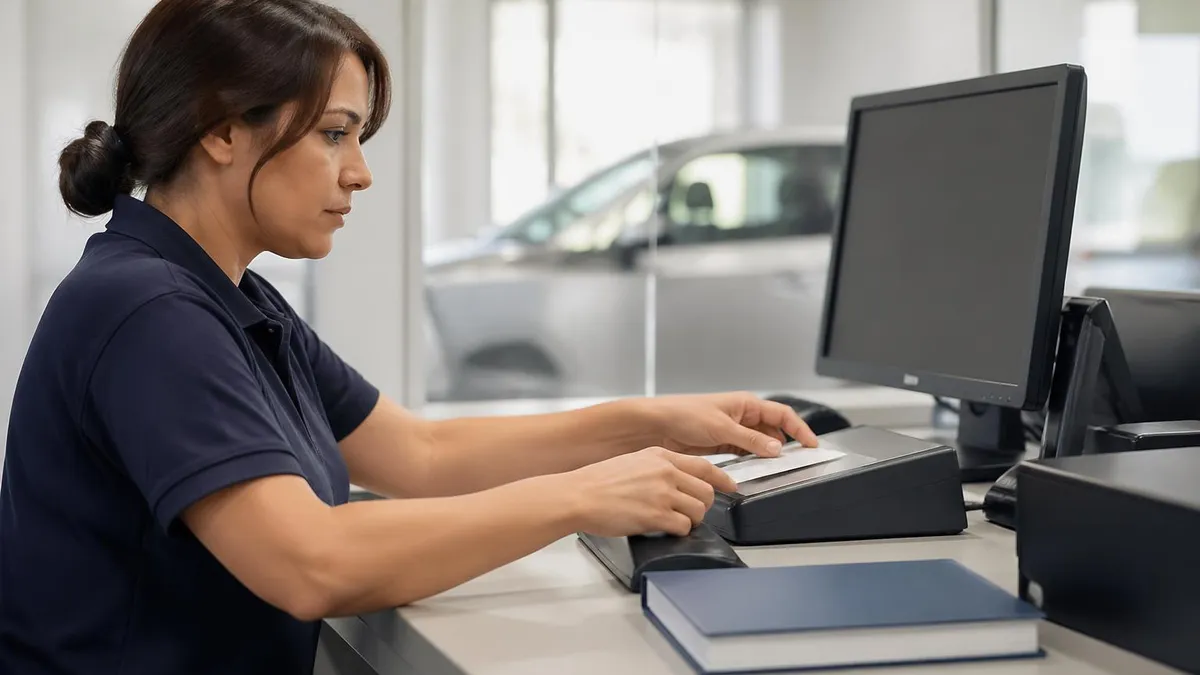
DMV Permit Test: Study Tips, Practice Questions, and State Requirements
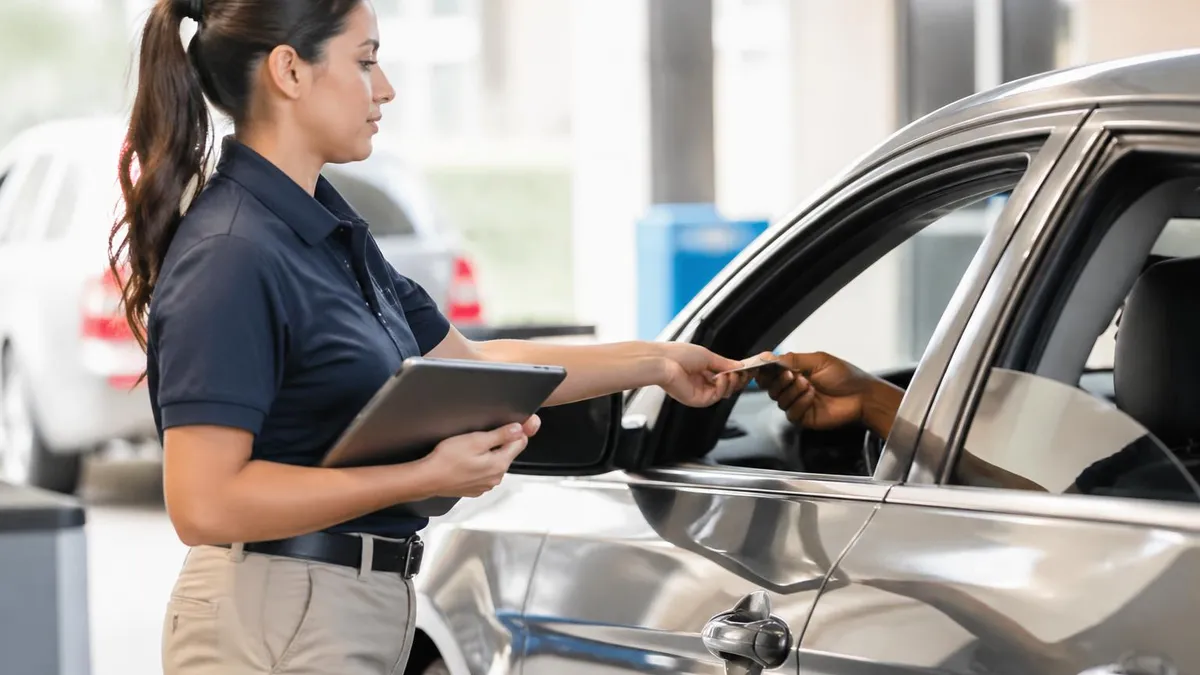
Guide Signs, CDL Study Guide & DMV Complete Guide for 2026
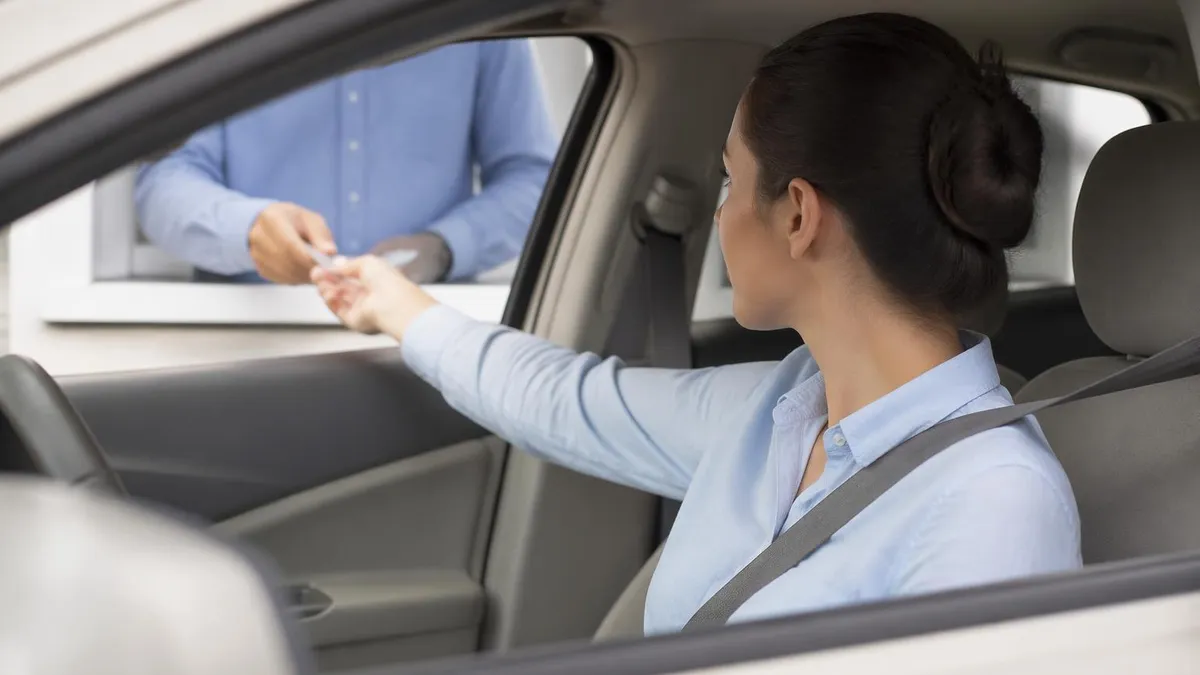
Driver Training Programs: Find Schools Near You and Free CDL Options

DMV Appointment Guide: How to Schedule Your Visit in Every State
About the Author
Licensed Driving Instructor & DMV Test Specialist
Penn State UniversityRobert J. Williams graduated from Penn State University with a degree in Transportation Management and has spent 20 years as a certified driving instructor and DMV examiner consultant. He has personally coached thousands of applicants through written knowledge tests, skills assessments, and commercial driver licensing programs across more than 30 states.
Join the Discussion
Connect with other students preparing for this exam. Share tips, ask questions, and get advice from people who have been there.
View discussion (9 replies)