
Permit Practice Test: Free 2026 October Driver's Permit Study Guide
Free Permit practice test with questions and answer explanations. 🧠 Prepare for the 2026 October exam with instant scoring.

Permit Practice Test: What You Need to Know Before Test Day
The permit practice test isn't just a formality. Most states fail between 35% and 50% of first-time applicants — and the majority of those failures come from people who skipped prep entirely. Don't be that person.
Your learner's permit test covers a surprisingly narrow set of topics: road signs, right-of-way rules, speed limits, alcohol and drug laws, and your state's specific GDL (graduated driver licensing) restrictions. That's it. The problem is that the rules are detailed and specific — and the wrong answer often looks almost right.
This guide focuses specifically on the permit test, not the full road skills test. You're not being evaluated on parking a car or merging on a highway. You're being tested on whether you know the written rules — which means preparation is almost entirely about practice questions and reading your state's driver's handbook. Start here, then do both.
One thing worth knowing upfront: the permit test varies by state. California's test has 46 questions; Texas has 30. Pass marks range from 70% to 80% depending on where you live. Age requirements, what documents you need, and how many attempts you get before paying again — all of that differs state to state. This guide covers the universal content areas, but always confirm your state's specific rules before your appointment.
Most people who fail the permit test fail the same three ways: they don't study road signs systematically, they guess on right-of-way scenarios, and they assume they know the alcohol laws without actually reading them. The rules feel obvious — until they're not. A yield sign means yield, sure. But what does it mean when two cars reach an uncontrolled intersection from different directions at the same time? Or when a pedestrian steps into an unmarked crosswalk while you have a green light? These are real test questions, and they're not intuitive without study.
Ready to start practicing? Take a free DMV permit test right now and see where you stand — before reading another word. Your results will tell you exactly where to focus.
What's Actually on the Permit Test
Every state permit test draws from the same core subject areas. If you know these cold, you'll pass — in any state. The difficulty isn't that the material is complex; it's that the wrong answers are carefully designed to trap people who sort of know the rules.
Road signs are typically 30–40% of the test. That's not just stop signs and yield signs — you'll be tested on warning signs (yellow diamonds), regulatory signs (white rectangles), and guide signs (green). Shape matters: an octagon is always a stop sign, a triangle pointing down is always yield. Color matters: orange is work zones, blue is motorist services.
Right-of-way rules show up constantly. Who goes first at a four-way stop? The driver who arrived first — and if two arrive simultaneously, the driver on the right has priority. At a T-intersection, through-road traffic has the right of way. Pedestrians in crosswalks always have the right of way, even if the signal isn't in their favor.
Speed limits — you'll need to know the default limits for school zones (usually 15–25 mph), residential streets (25 mph in most states), and highways. You'll also be tested on what "basic speed law" means: you must drive at a speed that's safe for current conditions, even if that's below the posted limit. Wet roads, fog, and heavy traffic all change what's safe.
Alcohol and drugs: every state tests this heavily. The legal BAC limit is 0.08% for adults and 0.00–0.02% for drivers under 21 (zero tolerance). You'll see questions about open container laws, implied consent (you already agreed to a breath test when you got your license), and DUI penalties. Know these cold — they're almost always on the test.
Cell phone and distracted driving laws are increasingly tested. Most states prohibit handheld phone use while driving for all drivers. For permit and provisional license holders under 18, even hands-free calls are banned in many states — not just texting. If your state has this restriction, expect at least one test question on it. And don't assume it doesn't apply because you're just practicing with a permit; the law applies to permit holders too.
Sharing the road with cyclists, motorcycles, and pedestrians comes up in several question types. Motorcycles are entitled to the full lane — you can't squeeze past them in the same lane. At night, they're harder to see; always check twice before turning left across oncoming traffic. Pedestrians at crosswalks — marked or unmarked — have right of way over turning vehicles at intersections, even when you have a green light to turn. These nuances trip up a lot of test-takers who haven't read the full handbook section on vulnerable road users.
GDL Rules — What New Permit Holders Actually Need to Know
Graduated driver licensing (GDL) is the system every state uses to bring new drivers up to full license status in stages. If you're under 18, GDL restrictions will be a significant portion of your permit test.
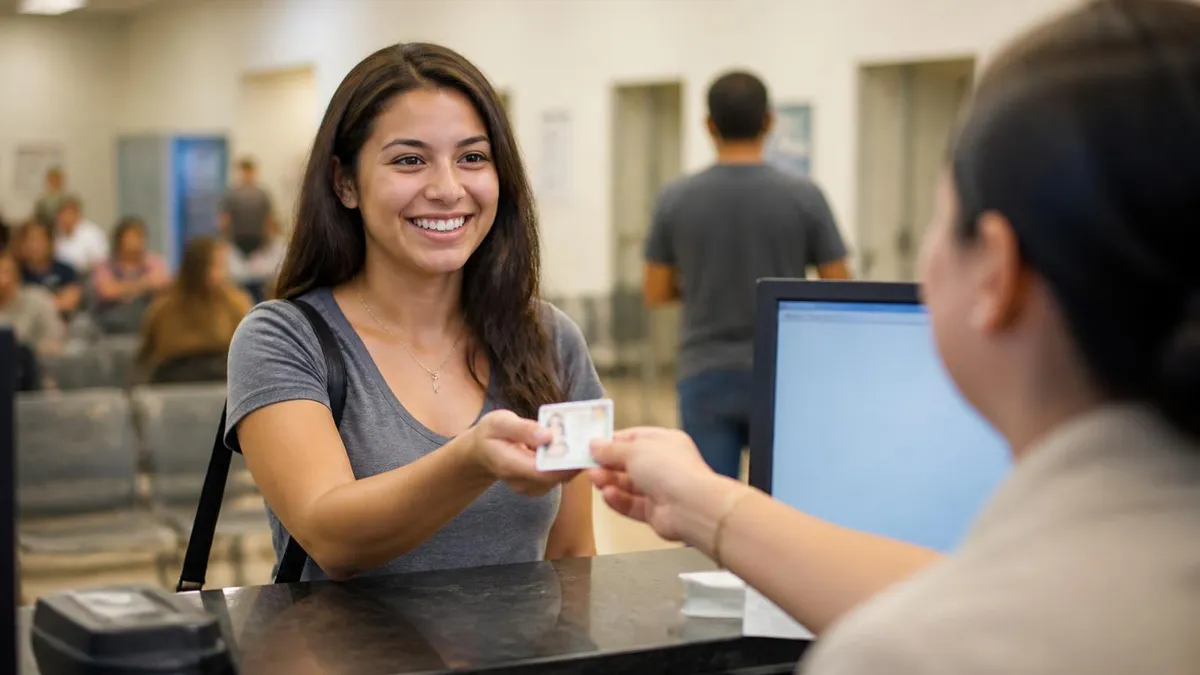
The learner's permit phase — which is what you're about to enter — typically requires you to drive only with a licensed adult (usually 21+) in the front seat. You must log a certain number of supervised hours: most states require 40–50 hours, with 10 of those at night. Some states require a parent or guardian to sign off on a driving log.
Curfews and passenger limits kick in once you get your intermediate (provisional) license — after you pass the road test. Most states prohibit unsupervised driving between 11 PM and 5 AM for the first 6–12 months. Passenger restrictions typically limit you to zero non-family passengers under 20 for the first 6 months.
The permit test will ask about these restrictions — but the specific numbers vary by state. California's provisional license has a midnight curfew; Texas uses 12 AM. Florida restricts unsupervised driving between 11 PM and 6 AM. Look up your state's exact rules before the test. The DMV permit test on this site includes state-specific questions for the most popular states.
Adults getting a first license (18+) in most states skip the GDL system entirely — they go straight to the road test after holding a permit for a short period, sometimes as little as 30 days. The permit test itself is the same regardless of age.
One GDL rule that surprises many permit holders: even during the learner's permit phase, you're subject to your state's distracted driving laws. Using a handheld phone, texting, or even using a hands-free device is restricted for under-18 drivers in most states — permit or not. Violations during the permit period can reset your GDL clock or result in a suspension before you ever get your full license. Know the rules before you put the car in drive.
What to Bring to the DMV for Your Permit
- ✓Proof of identity — original birth certificate or passport (copies not accepted)
- ✓Social Security card or proof of SSN (tax forms, W-2, or SSN letter from SSA)
- ✓Proof of residency — two documents: utility bill, bank statement, or school record
- ✓Parental consent form if you're under 18 (available on your state DMV website)
- ✓Payment for the permit fee ($5–$35, cash or card depending on the office)
- ✓Vision screening — no glasses prescription needed beforehand, but bring glasses/contacts if you wear them
- ✓Application form — fill out online beforehand to save time at the counter
How to Study — What Actually Works
Here's what doesn't work: reading the handbook once and hoping for the best. The pass rate data tells the story — states that introduced practice testing requirements saw first-time pass rates jump by 15–20 percentage points. Practice questions, not passive reading, are how you actually learn this material.
The most effective approach is to practice first — before you open the handbook. Take a DMV permit practice test cold and note exactly which questions you miss. Those wrong answers tell you precisely what chapters of the handbook to study. This is far more efficient than reading cover to cover and hoping you retain everything.
Road signs are the fastest wins. There are a finite number of signs — maybe 50 you actually need to know — and they're highly visual. Twenty minutes with a flashcard app covering traffic signs will lift your score noticeably. Focus on the warning signs (yellow), regulatory signs (white and red), and construction zone signs (orange).
Right-of-way scenarios trip up the most people because the rules interact with each other. Flashcards don't help here — you need scenario practice. That's exactly what these practice tests are designed for: they put you in an intersection with multiple vehicles and ask who goes first. Work through enough of those and the rules become instinctive.
Don't cram the night before. The research on test performance is clear — two or three focused 30-minute sessions spread over a week outperforms five hours the night before. You want the rules in long-term memory, not working memory. Take the DMV permit test online a few days before your appointment and aim for 90%+ before you go in. If you're hitting 80%, you'll likely pass — but a buffer matters when test anxiety kicks in.
One underrated tip: read question stems carefully. Permit test questions often use words like "always", "never", "except", and "first". An answer that's true 90% of the time will be wrong if the question says "always" and the exception exists. Read slowly and deliberately, especially if you're a fast reader who normally skims.
After each practice session, review every wrong answer — not just the ones you guessed on. Sometimes you'll get a question right for the wrong reason, and reviewing it reveals a gap. The goal isn't 100% on practice tests; the goal is to understand the rule well enough that you'd get it right on a question you've never seen before. That transfer of understanding — from practice question to new scenario — is what the real test measures.
Study by Topic Area
Expect 12–18 sign questions on the permit test. Signs are tested by shape, color, and meaning.
- Octagon (red): Stop — always stop completely, check traffic, then proceed
- Triangle (red/white, pointing down): Yield — slow, yield to cross traffic and pedestrians
- Diamond (yellow): Warning — slow down, hazard ahead (curves, intersections, crossings)
- Rectangle (white): Regulatory — speed limits, lane controls, turn restrictions
- Pentagon (yellow-green): School zone or school crossing
- Circle (yellow): Railroad crossing ahead
- Orange: Construction or work zone — fines doubled in most states
- Blue: Motorist services (gas, food, lodging, hospital)
- Green: Direction and distance information
- Brown: Recreation and scenic areas
State-by-State Differences That Show Up on the Test
The core content is universal — but the numbers and specific rules vary. Your state's test will pull from your state's handbook, so the practice tests here include state-specific variants for the largest states. Here's what typically differs — and why it matters more than you think.
Minimum age: Most states require you to be 15 or 15½ to get a permit. Mississippi and South Dakota allow permits at 14 for farm-use driving. New Jersey is the strictest — 16 years old to get a permit, which pushes the full license to 17 at earliest.
If you're studying for a specific state — California, Texas, Florida, New York, or Georgia — check out the state-specific questions in the DMV practice test PDF section. Many of those questions appear verbatim or near-verbatim on the actual tests, because state DMVs publish practice question banks.
Blood alcohol limit and zero tolerance age varies: most states use 0.02% for under-21, but a handful (including Utah — which also lowered the adult limit to 0.05%) use stricter standards. If you're in Utah, know that number.
Vision requirements also differ. Most states require 20/40 corrected vision in at least one eye. If you normally wear glasses, bring them — failing the vision screening means you can't take the written test that day. Don't skip your glasses because you think you'll "probably pass" without them.
DMV Practice Test Questions
Prepare for the DMV - Department of Motor Vehicles exam with our free practice test modules. Each quiz covers key topics to help you pass on your first try.
DMV Alabama Permit Test
DMV Exam Questions covering Alabama Permit Test. Master DMV Test concepts for certification prep.
DMV Alaska Permit Test
Free DMV Practice Test featuring Alaska Permit Test. Improve your DMV Exam score with mock test prep.
DMV Alaska Roads & Signs Test
DMV Mock Exam on Alaska Roads & Signs Test. DMV Study Guide questions to pass on your first try.
DMV Alaska Written Test
DMV Test Prep for Alaska Written Test. Practice DMV Quiz questions and boost your score.
DMV Arizona Roads & Signs Test
DMV Questions and Answers on Arizona Roads & Signs Test. Free DMV practice for exam readiness.
DMV California Drug and Alcohol Test
DMV Mock Test covering California Drug and Alcohol Test. Online DMV Test practice with instant feedback.
DMV General Drug and Alcohol Test
Free DMV Quiz on General Drug and Alcohol Test. DMV Exam prep questions with detailed explanations.
DMV Permit Test
DMV Practice Questions for Permit Test. Build confidence for your DMV certification exam.
DMV Practice Test
DMV Test Online for Practice Test. Free practice with instant results and feedback.
After You Pass: What Happens Next
You get the permit the same day you pass — usually. Some states mail it; most hand it over at the DMV counter. It's a physical card (similar to a driver's license in size and format) with your photo and an expiration date. Permits are typically valid for 12–24 months. Don't put it in a wallet pocket and forget when it expires.
From there, the clock starts on your required supervised driving hours. Log every drive — date, duration, road type, and weather conditions. Many states have official driving logs; some have apps. Your supervising adult needs to sign each entry. Losing the log is a real problem because you can't easily recreate it retroactively — and some DMV examiners check it before scheduling your road test.
The road skills test comes after you've held the permit for the minimum period (30 days in some states, 6 months in others) and completed your hours. That test covers vehicle control, lane changes, turning, parking, and following traffic laws in real conditions. Start practicing in empty parking lots, then move to quiet residential streets, then arterials, then highways — in that order. Don't attempt parallel parking or freeway merging until you're comfortable with the basics.
One thing most new drivers underestimate: the road test examiner is watching your eyes and head movement, not just whether you stop at signs. Exaggerated mirror checks and shoulder checks (the "head swivel") matter. Examiners fail candidates who look straight ahead without visibly scanning. Practice making your mirror checks obvious — not theatrical, but deliberate and visible.
The permit phase isn't just about logging hours — it's about building judgment. Judgment is what keeps you from being a statistic. Teens who complete their full supervised driving hours with genuine engagement in all weather and traffic conditions have measurably lower crash rates in the first two years of unsupervised driving. The permit isn't a waiting period. It's your training.
Once you pass the road test and get your full or intermediate license, you're not done. The DMV test and related practice questions stay relevant — traffic laws change, and refreshing your knowledge every few years is a habit that makes you a better driver. Check back here for updated practice tests as your state's rules evolve.
Practice Tests vs. Handbook — Which Comes First?
- +Practice tests show you exactly which topics you're weak on before you study
- +Question-based learning is faster than passive reading for test prep
- +Multiple practice attempts help you recognize question patterns
- +Immediate feedback on wrong answers reinforces correct rules
- +Score tracking shows progress over your prep period
- −Practice tests don't cover every possible question — read the handbook too
- −State-specific numbers (curfew times, speed limits) need handbook confirmation
- −Overconfidence from passing practice tests can cause students to skip the handbook
- −Some questions test knowledge that only appears in the official manual
Pros and Cons at a Glance
| Pros | Cons |
|---|---|
| Practice tests show you exactly which topics you're weak on before you study | Practice tests don't cover every possible question — read the handbook too |
| Question-based learning is faster than passive reading for test prep | State-specific numbers (curfew times, speed limits) need handbook confirmation |
| Multiple practice attempts help you recognize question patterns | Overconfidence from passing practice tests can cause students to skip the handbook |
| Immediate feedback on wrong answers reinforces correct rules | Some questions test knowledge that only appears in the official manual |
Sample DMV Practice Questions
Try these questions from our free DMV practice tests. The correct answer and an explanation follow each question.
The driver of the vehicle that is being passed is required to _________ until the pass is finished.
- A. not increase speed
- B. move to the left
- C. stop
- D. increase speed
Answer: A. not increase speed
When another vehicle is in the process of passing you, it is a legal and safety requirement for the driver being passed to not increase their speed. Maintaining your speed or even slightly reducing it allows the passing vehicle to complete the maneuver safely and efficiently, preventing a dangerous situation where both vehicles are accelerating.
Drivers benefit from scanning the road ahead for dangers by:
- A. see other cars and people up ahead
- B. see road signs, driving information, other cars and people ahead
- C. see road signs or driving information
- D. maintain a fixed stare
Answer: B. see road signs, driving information, other cars and people ahead
Scanning the road ahead for dangers is a critical defensive driving technique. It allows drivers to anticipate potential hazards by observing road signs, traffic signals, other vehicles, pedestrians, and any changes in road conditions. This comprehensive awareness provides more time to react safely to developing situations, preventing accidents.
The State of Alaska Driver Manual indicates that roundabouts are typically designed for speeds of.
- A. about 25—30 mph
- B. about 35—40 mph
- C. about 5—10 mph
- D. about 15—20 mph
Answer: D. about 15—20 mph
Roundabouts are specifically designed to improve traffic flow and safety by requiring drivers to slow down before entering. The State of Alaska Driver Manual, like many others, specifies that roundabouts are typically designed for speeds of about 15-20 mph. This lower speed helps reduce the severity of potential collisions and allows drivers more time to react and yield.
DRIVERS WHO EAT AND DRINK WHILE DRIVING:
- A. Have no driving errors
- B. Have trouble driving slow
- C. Are better drivers because they are not hungry
- D. Have trouble controlling their vehicles
Answer: D. Have trouble controlling their vehicles
Eating and drinking while driving are significant forms of distracted driving. These activities require a driver to take their hands off the wheel, eyes off the road, and mental focus away from driving tasks. This divided attention and reduced physical control can severely impair a driver's ability to react to hazards and maintain proper control of their vehicle.
Permit Test Questions and Answers



About the Author
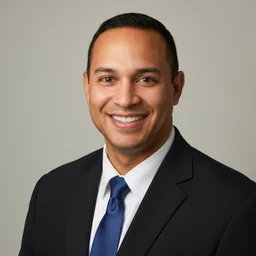
Licensed Driving Instructor & DMV Test Specialist
Penn State UniversityRobert J. Williams graduated from Penn State University with a degree in Transportation Management and has spent 20 years as a certified driving instructor and DMV examiner consultant. He has personally coached thousands of applicants through written knowledge tests, skills assessments, and commercial driver licensing programs across more than 30 states.
Join the Discussion
Connect with other students preparing for this exam. Share tips, ask questions, and get advice from people who have been there.
View discussion (9 replies)