
CDL Hazardous Materials Study Guide and Essential Study Materials 2026 October
Prepare for the CDL Hazardous Materials Study Guide and certification. Practice questions with answer explanations covering all exam domains. 🎓
Finding the right study materials can make or break your CDL exam experience. Whether you're going after a Class A, B, or C license — or adding a hazardous materials endorsement — you need resources that actually match what's on the test. Too many drivers waste weeks studying the wrong stuff, and that's a problem we can fix right now with the right approach and resources.
If you've been searching for a cdl hazardous materials study guide, you're already on the right track. The HazMat endorsement is one of the toughest CDL add-ons, requiring you to memorize placarding rules, shipping paper protocols, and emergency response procedures. A solid hazardous materials cdl study guide breaks these topics into manageable chunks so you're not drowning in a 400-page manual the night before your test.
This page covers everything from free practice tests to structured study plans that real drivers have used to pass. We'll walk through what each CDL knowledge area demands, how to organize your prep schedule, and which materials give you the best return on your study time.
You'll find quiz links, checklists, and quick-reference stats throughout — all designed to keep your prep focused and efficient. Let's get into it. By the time you reach the bottom of this page, you'll have a clear roadmap for passing your CDL exam — whether it's your first attempt or you're adding endorsements to an existing license.
Your hazardous materials cdl study guide should cover nine core topic areas that the FMCSA tests on — from hazard classes and labeling requirements to bulk tank loading procedures. Most state DMVs pull questions directly from the federal CDL manual, so don't bother with third-party rewrites when the source material is free. The trick is knowing which sections carry the most weight on test day.
A well-structured hazardous materials endorsement study guide walks you through each hazard class (1 through 9) with real examples. Class 1 explosives and Class 7 radioactive materials tend to trip people up the most, mainly because the placarding rules differ from standard freight. You'll also need to memorize the Segregation and Separation Chart — it shows which materials can't share a trailer, and it's a guaranteed exam topic.
Don't underestimate the shipping papers section either. You need to know which documents to carry, where to place them in the cab, and what information must appear on each one. Drivers who skip this section typically lose 3–4 questions they could've gotten right with just an hour of focused review. Pair your reading with practice quizzes to lock it in. Even 10 minutes of quiz practice after each study session dramatically improves retention compared to passive reading alone.
Beyond HazMat, your CDL study materials should cover general knowledge, air brakes, combination vehicles, and any other endorsement you're targeting. Each section on the CDL exam has its own passing threshold, and failing even one means you don't walk away with a license that day. A hazardous materials endorsement study guide is just one piece of the puzzle — treat every section with equal seriousness.
General knowledge is the foundation. It covers vehicle inspection, basic control, safe driving, and cargo handling. Most test-takers find this section easier than HazMat, but it's also where overconfidence causes problems. You'll see questions about stopping distances, weight limits, and hours-of-service rules that require specific numbers — not rough estimates. Get those numbers wrong and you'll lose easy points.
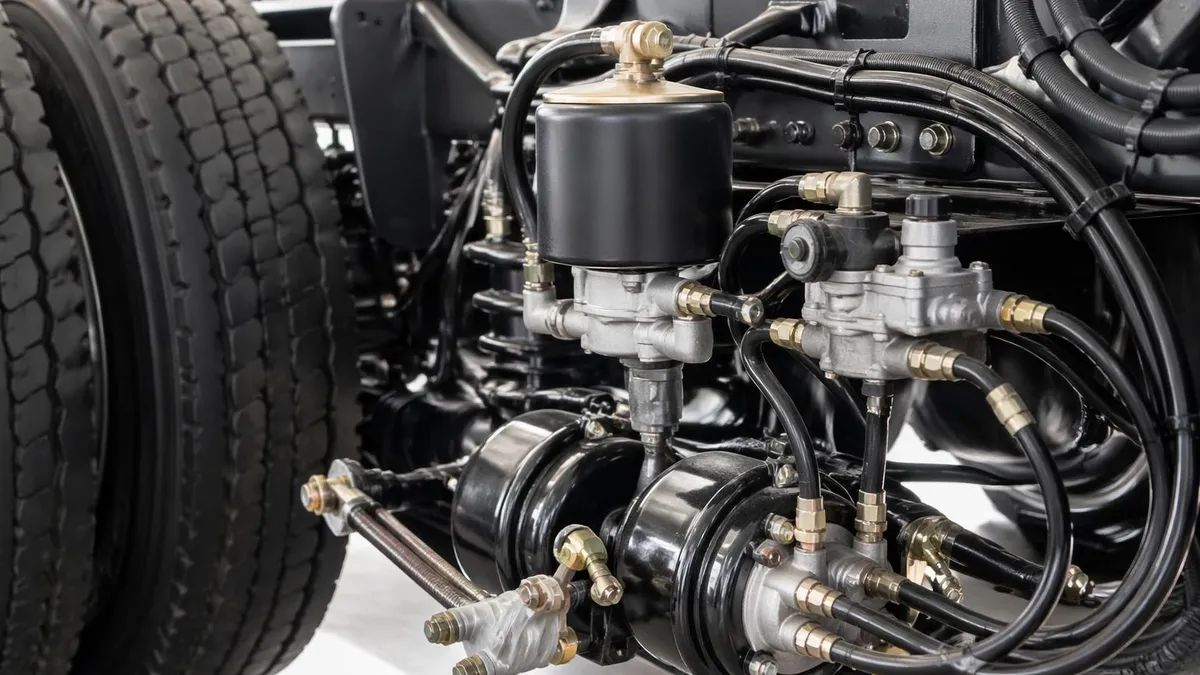
Air brakes deserve their own dedicated study block. The air brake system has multiple components (governor, compressor, reservoirs, brake chambers) and you need to understand how they interact during normal operation and during failure. If you're going for a Class A or B, you can't skip this. Budget at least three days of focused study just for air brakes, using practice tests to identify your weak spots. Many CDL candidates find the air brake adjustment and inspection questions to be the trickiest part of the entire written exam — harder even than HazMat for some people.
CDL Study Approaches by Experience Level
Start with the official CDL manual from your state's DMV website — it's free and matches the exam word-for-word. Read one chapter per day and follow each session with a 20-question practice quiz. Focus on general knowledge first, then move to air brakes, then endorsements. Budget 2–3 weeks total.
Practice tests are the single most effective study tool for CDL prep — and that's not opinion, it's backed by how the actual exam works. State DMVs pull from a large question bank, and practice quizzes expose you to the same question formats and topics. A hazardous materials endorsement study guide paired with timed practice tests gives you both knowledge and test-taking stamina.
When you take practice quizzes, pay attention to wrong answers. Every missed question points to a gap in your knowledge, and those gaps are exactly what the real exam will exploit. Keep a running list of topics you miss repeatedly — things like tanker vehicle rollover thresholds, or the difference between "Dangerous" and "Dangerous When Wet" placards. Review those topics before your next quiz session.
Timing matters too. The real CDL exam gives you roughly one minute per question. If you've been taking untimed practice tests, switch to timed mode at least a week before your exam date. This trains you to read carefully but move quickly — a balance that separates first-try passers from repeat testers. Start with 90 seconds per question and work your way down to 60 seconds as you get more comfortable with the format. Speed comes naturally once you've internalized the core material.
Let's talk about scheduling your study time — because a hazardous materials endorsement study guide only works if you actually use it consistently. The most common mistake new CDL candidates make is cramming everything into a single weekend. That approach might work for a multiple-choice history test, but CDL material requires repetition to stick. You're memorizing numbers, procedures, and regulations that don't follow intuitive patterns.
Block out 60–90 minutes per day, broken into two sessions if possible. Morning sessions for reading new material, evening sessions for practice quizzes. This spaced-repetition approach helps your brain transfer information from short-term to long-term memory. After two weeks of this rhythm, you'll find yourself answering questions automatically — that's the confidence you want walking into the testing center.
Track your practice test scores daily. You're looking for a consistent upward trend, not perfection on day one. Most successful CDL candidates see their scores jump from the 60–70% range to 85–90% within the first week, then plateau slightly before climbing again. If your scores stall, it usually means you're studying the same topics and ignoring your weak areas.
Shake it up. Try a different practice test source, focus on your three weakest topics for two days straight, or switch from reading to watching video explanations. Changing your study method can break through plateaus faster than grinding the same material harder.
Online vs. In-Person CDL Study Methods
- +Online practice tests give instant feedback on wrong answers with explanations
- +Digital study materials are available 24/7 from any device
- +Free resources cover the same content as expensive prep courses
- +Self-paced learning lets you spend extra time on weak subjects
- +Online forums connect you with other CDL candidates sharing tips
- +Progress tracking tools show exactly which topics need more review
- −In-person CDL schools provide hands-on truck time that apps can't replicate
- −Self-study requires strong discipline without instructor accountability
- −Free online materials sometimes contain outdated or state-specific info
- −Screen fatigue from long digital study sessions reduces retention
- −No immediate instructor feedback when you misunderstand a concept
- −Pre-trip inspection skills are nearly impossible to learn from text alone
Pros and Cons at a Glance
| Pros | Cons |
|---|---|
| Online practice tests give instant feedback on wrong answers with explanations | In-person CDL schools provide hands-on truck time that apps can't replicate |
| Free resources cover the same content as expensive prep courses | Self-study requires strong discipline without instructor accountability |
| Self-paced learning lets you spend extra time on weak subjects | Free online materials sometimes contain outdated or state-specific info |
| Online forums connect you with other CDL candidates sharing tips | Screen fatigue from long digital study sessions reduces retention |
| Progress tracking tools show exactly which topics need more review | No immediate instructor feedback when you misunderstand a concept |
A hazardous materials endorsement study guide should always include real-world scenario questions — not just textbook definitions. The CDL HazMat exam loves to test application, not just recall. You might know that Class 3 is flammable liquids, but can you identify the correct placard when a trailer carries 1,001 pounds of gasoline mixed with a smaller quantity of corrosive material? That's the kind of layered question that catches people off guard.
Scenario-based prep also helps with the emergency response portion of the exam. You'll face questions about spill containment, evacuation distances, and who to contact during a HazMat incident. The Emergency Response Guidebook (ERG) is your friend here — it's the same guide first responders use, and several exam questions reference it directly. Download a free copy from the DOT website and familiarize yourself with the layout. Pay special attention to the orange-bordered pages — those cover the most commonly transported hazardous materials and their specific response protocols.
Don't neglect the security plan requirements either. Post-9/11 regulations added a security component to the HazMat endorsement that covers route planning, en-route security, and what to do if you suspect tampering with your cargo. It's a smaller section, but it's guaranteed to appear on the test, and the questions are straightforward if you've reviewed the material even once.
Your CDL Exam Preparation Checklist
- ✓Download your state's official CDL manual (free from DMV website)
- ✓Identify which license class and endorsements you need
- ✓Create a 2–3 week study schedule with daily 60–90 minute blocks
- ✓Complete at least 5 full-length practice tests for general knowledge
- ✓Score 85% or higher on 3 consecutive practice tests before scheduling exam
- ✓Review the HazMat Segregation and Separation Chart using flashcards
- ✓Practice the pre-trip inspection sequence with a real vehicle if possible
- ✓Gather required documents: CDL application, medical examiner's certificate, TSA approval (for HazMat)
- ✓Schedule your written test and skills test appointments at the DMV
- ✓Get a full night's sleep before exam day — no last-minute cramming
Money is always a factor when choosing CDL study materials, so let's break down what's worth paying for and what isn't. The official CDL manual? Free. Practice tests online? Mostly free. Flashcard apps? Free versions work fine. So where does paid content actually make sense? A hazardous materials endorsement study guide from a reputable CDL school can be worth it if it includes video walkthroughs and instructor support — but only if you're struggling with self-study.
CDL prep courses range from $50 to $500 for knowledge test prep alone. The expensive ones often bundle in skills test coaching, which is genuinely valuable if you don't have access to a truck for practice. But for the written exams — including HazMat — free resources are more than sufficient. State CDL manuals cover 100% of the testable material because that's literally where the questions come from.
If you do spend money, invest in a CDL school's behind-the-wheel training rather than written test prep. The skills test (backing, turning, road driving) is where most candidates fail, and no amount of reading replaces actual seat time. Save your budget for the part of the exam that genuinely requires physical practice and professional instruction. A good driving school gives you 40–160 hours of behind-the-wheel time, which is where the real skill development happens. The written test you can absolutely handle on your own with free materials.
Let's address the elephant in the room: how many times do people actually fail the CDL exam before passing? National data shows roughly 40% of first-time CDL knowledge test takers don't pass. For the HazMat endorsement specifically, that number climbs closer to 50%. These aren't bad drivers — they're people who underestimated the specificity of the questions. A hazardous materials endorsement study guide focused on practice testing drops your failure risk significantly.
The good news? Most states let you retake the knowledge test after a short waiting period (usually 1–7 days). Some states charge a retake fee; others don't. But here's what nobody tells you — the question pool rotates, so your second attempt won't have the same questions as your first. That means broad preparation beats memorizing specific answers from a single practice test.
Students who use a structured study approach — reading, practice tests, review, repeat — pass on the first try at rates above 85%. That's more than double the average. The difference isn't intelligence or experience; it's preparation quality. Use the materials on this page, follow the checklist above, and you'll walk into that testing center knowing you've done the work.
You must hold a valid Medical Examiner's Certificate (DOT physical) before taking any CDL exam. The physical costs $75–$150 and must be performed by a National Registry-listed provider. Your certificate is valid for up to 24 months but may be shorter if you have certain health conditions. Schedule your DOT physical before you finish studying — expired medical cards are the number-one reason drivers get turned away at the DMV.
State-specific variations can throw you off if you're only studying federal material. While the core CDL content is standardized by the FMCSA, individual states add their own questions — sometimes as many as 10–15% of the total exam. A hazardous materials endorsement study guide should note any state-specific rules, especially around inspection requirements and local road regulations. Check your state DMV website for any supplemental study materials they publish.
Some states also require additional endorsements or restrictions that aren't obvious from the federal manual. For example, certain states have separate knowledge tests for doubles/triples combinations, while others fold those questions into the general Class A exam. Knowing your state's specific requirements before you start studying saves you from preparing for sections you don't actually need — or worse, skipping sections you do.
The CDL testing process itself varies by state too. Some states use computer-based testing with randomized question order, while a few still use paper-and-pencil exams. Some allow you to take all endorsement tests on the same day; others limit you to one or two per visit. Call your local DMV or check their website for scheduling rules so you don't waste a trip. Arrive early on test day — most DMV offices operate on a first-come, first-served basis for CDL testing, and showing up late can mean rescheduling entirely.
CDL Practice Test Questions
Prepare for the CDL - Commercial Driver's License exam with our free practice test modules. Each quiz covers key topics to help you pass on your first try.
CDL Alabama CDL Combination Vehicles Pract...
CDL Exam Questions covering Alabama CDL Combination Vehicles Practice Test. Master CDL Test concepts for certification prep.
CDL Alabama CDL General Knowledge Practice...
Free CDL Practice Test featuring Alabama CDL General Knowledge Practice Test #. Improve your CDL Exam score with mock test prep.
CDL Alabama General Knowledge CDL Practice...
CDL Mock Exam on Alabama General Knowledge CDL Practice Test. CDL Study Guide questions to pass on your first try.
CDL Airbrakes Practice Test
CDL Test Prep for Airbrakes Practice Test. Practice CDL Quiz questions and boost your score.
CDL Air Brakes Practice Test
CDL Questions and Answers on Air Brakes Practice Test. Free CDL practice for exam readiness.
CDL CLASS A COMMERCIAL DRIVER'S LICENSE PR...
CDL Mock Test covering CLASS A COMMERCIAL DRIVER'S LICENSE PRACTICE TEST. Online CDL Test practice with instant feedback.
CDL Class B Commercial Driver's License Pr...
Free CDL Quiz on Class B Commercial Driver's License Practice Test. CDL Exam prep questions with detailed explanations.
CDL Combination Vehicles Practice Test
CDL Practice Questions for Combination Vehicles Practice Test. Build confidence for your CDL certification exam.
CDL Doubles and Triples Practice Test
CDL Test Online for Doubles and Triples Practice Test. Free practice with instant results and feedback.
CDL Doubles Triples Practice Test
CDL Study Material on Doubles Triples Practice Test. Prepare effectively with real exam-style questions.
CDL General Knowledge Practice Test
Free CDL Test covering General Knowledge Practice Test. Practice and track your CDL exam readiness.
CDL General Knowledge Practice Test1
CDL Exam Questions covering General Knowledge Practice Test1. Master CDL Test concepts for certification prep.
CDL Hazardous Materials (Hazmat) Practice ...
Free CDL Practice Test featuring Hazardous Materials (Hazmat) Practice Test. Improve your CDL Exam score with mock test prep.
CDL Hazardous Materials Hazmat Practice Test
CDL Mock Exam on Hazardous Materials Hazmat Practice Test. CDL Study Guide questions to pass on your first try.
CDL Hazmat Practice Test
CDL Test Prep for Hazmat Practice Test. Practice CDL Quiz questions and boost your score.
CDL Passenger Transport Practice Test
CDL Questions and Answers on Passenger Transport Practice Test. Free CDL practice for exam readiness.
CDL Road Signs and Signals Practice Test
CDL Mock Test covering Road Signs and Signals Practice Test. Online CDL Test practice with instant feedback.
CDL School Bus Endorsement Practice Test
Free CDL Quiz on School Bus Endorsement Practice Test. CDL Exam prep questions with detailed explanations.
CDL School Bus Endorsement S Practice Test
CDL Practice Questions for School Bus Endorsement S Practice Test. Build confidence for your CDL certification exam.
CDL Tanker Practice Test
CDL Test Online for Tanker Practice Test. Free practice with instant results and feedback.
CDL Class A Commercial Driver's License Pr...
CDL Study Material on Class A Commercial Driver's License Practice Test -1. Prepare effectively with real exam-style questions.
CDL Class A Driver's License Practice Test -2
Free CDL Test covering Class A Driver's License Practice Test -2. Practice and track your CDL exam readiness.
CDL Class A Driver's License Practice Test -3
CDL Exam Questions covering Class A Driver's License Practice Test -3. Master CDL Test concepts for certification prep.
CDL Class A Driver's License Practice Test -5
Free CDL Practice Test featuring Class A Driver's License Practice Test -5. Improve your CDL Exam score with mock test prep.
CDL Class B Commercial Driver's License Pr...
CDL Mock Exam on Class B Commercial Driver's License Practice Test -2. CDL Study Guide questions to pass on your first try.
CDL Class C CDL with Hazmat Endorsement Pr...
CDL Test Prep for Class C CDL with Hazmat Endorsement Practice Test. Practice CDL Quiz questions and boost your score.
CDL Class C CDL with Hazmat Endorsement Pr...
CDL Questions and Answers on Class C CDL with Hazmat Endorsement Practice Test -2. Free CDL practice for exam readiness.
CDL Class C CDL with Hazmat Endorsement Pr...
CDL Mock Test covering Class C CDL with Hazmat Endorsement Practice Test -3. Online CDL Test practice with instant feedback.
Your final week of CDL prep should look different from the rest. By now, you've read the manual, taken dozens of practice quizzes, and (hopefully) identified your remaining weak spots. This last stretch is about reinforcement, not new learning. A hazardous materials endorsement study guide is most effective when you use it for targeted review during this phase — revisit only the sections where you're still scoring below 85%.
Do one full-length practice test per day during your final week. Simulate real exam conditions: timed, no notes, no phone. After each test, spend 30 minutes reviewing every wrong answer — not just glancing at the correct option, but understanding why it's correct and why your choice was wrong. This deep review process is what separates passing scores from borderline results. Write down each missed topic and a one-sentence explanation — active recall cements the material far better than passively re-reading your notes.
The day before your exam, do one light review session in the morning and then stop studying entirely. Cramming the night before actually hurts performance — your brain needs downtime to consolidate everything you've learned. Go for a walk, eat well, sleep early. You've put in the work over the past two to three weeks. Trust your preparation and let it carry you through the test. Thousands of drivers pass every month using exactly this approach — there's no secret formula beyond consistent effort and smart study habits.
Sample CDL Practice Questions
Try these questions from our free CDL practice tests. The correct answer and an explanation follow each question.
Bus drivers can carry small amounts of certain hazardous materials. However, the total amount of hazardous materials should not exceed what amount?
- A. 500 lbs.
- B. 50 lbs.
- C. 100 lbs.
- D. 25 lbs.
- E. 250 lbs.
Answer: A. 500 lbs.
Federal regulations impose a strict limit of 500 lbs. on the total amount of certain hazardous materials that a bus can carry. This restriction is a critical safety measure designed to minimize the risk associated with transporting dangerous goods in a passenger vehicle. Exceeding this limit significantly increases the potential for severe consequences in the event of an accident or spill, endangering passengers and the public.
If a W appears in column 1 of the Hazardous Materials Table, what does it indicate about the hazardous material?
- A. Only applies when the material is being transported by water
- B. Only applies when the material is being transported by air
- C. Identifies a proper shipping name that is used in international transportation
- D. Only applies when the material will be exposed to water
Answer: A. Only applies when the material is being transported by water
In the Hazardous Materials Table (49 CFR Part 172.101), a 'W' in Column 1 (Symbols) indicates that the entry applies specifically when the hazardous material is offered for transportation or transported by water. This symbol helps differentiate regulations that are unique to maritime transport from those applicable to other modes like highway or rail, ensuring correct compliance for waterborne shipments.
What is required when fueling a vehicle carrying hazardous materials?
- A. The engine must be running
- B. Someone must control the fuel nozzle and no smoking is allowed
- C. Placards must be removed first
- D. The driver must leave the area entirely
Answer: B. Someone must control the fuel nozzle and no smoking is allowed
A person must always control the fuel flow at the nozzle, and smoking is prohibited during fueling.
What document must accompany a hazardous materials shipment?
- A. A weather report
- B. Shipping papers describing the hazmat
- C. A fuel receipt
- D. The driver's medical card only
Answer: B. Shipping papers describing the hazmat
Shipping papers describe the hazardous materials and must travel with the shipment.
CDL Questions and Answers
CDL Career Overview: Driving Jobs, Salaries, and How to Get Started
CDL Exam Eligibility: DOT Requirements, Medical Exams, and How to Qualify
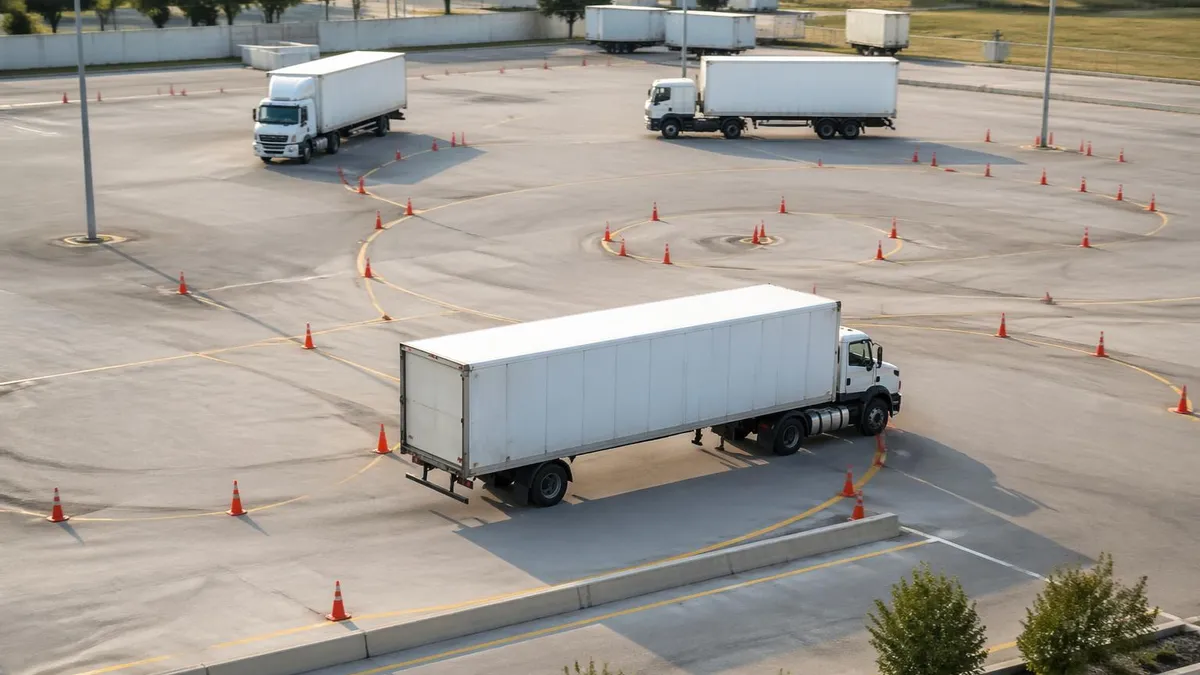
CDL General Knowledge Test: What You Need to Know About Subject Knowledge
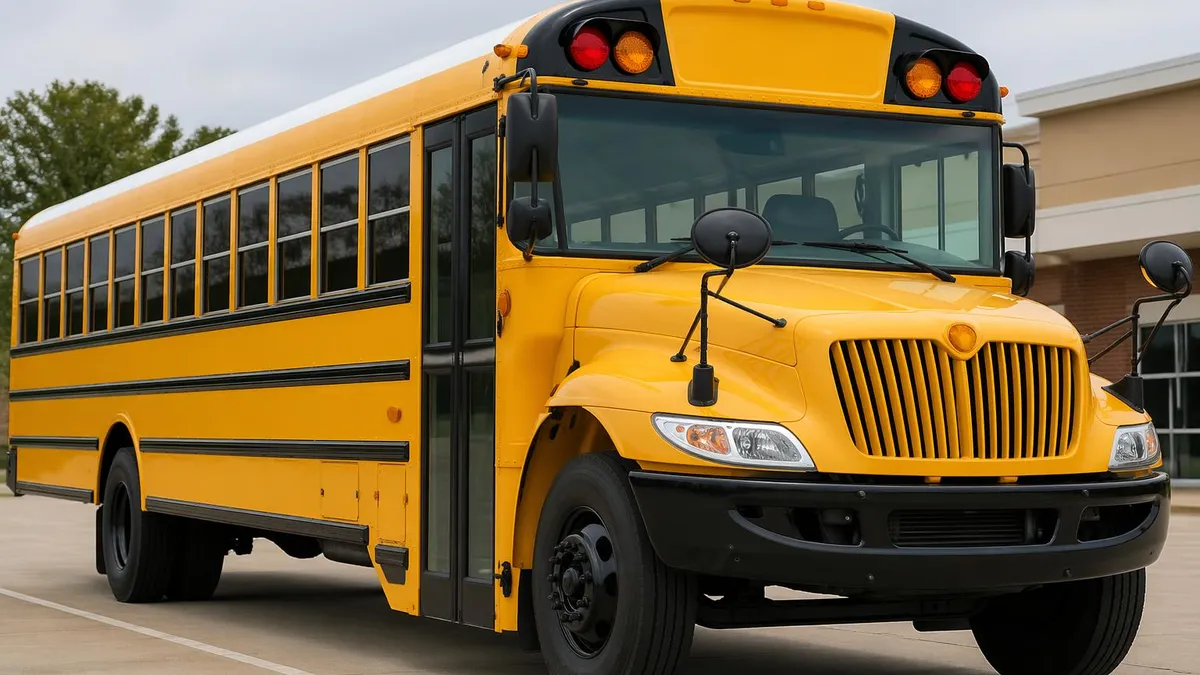
CDL Certification Guide: DOT Requirements, Study Tips & Endorsements

CDL Practice Tests 2026: Free Online Prep for Every Endorsement
About the Author

Licensed Driving Instructor & DMV Test Specialist
Penn State UniversityRobert J. Williams graduated from Penn State University with a degree in Transportation Management and has spent 20 years as a certified driving instructor and DMV examiner consultant. He has personally coached thousands of applicants through written knowledge tests, skills assessments, and commercial driver licensing programs across more than 30 states.
Join the Discussion
Connect with other students preparing for this exam. Share tips, ask questions, and get advice from people who have been there.
View discussion (7 replies)