
Bartending License Florida: Complete Certification & Permit Guide for 2026 October
✏️ Bartending license Florida guide: alcohol seller-server permits, age rules, costs, top certifications, and how to start pouring drinks legally in 2026 October.
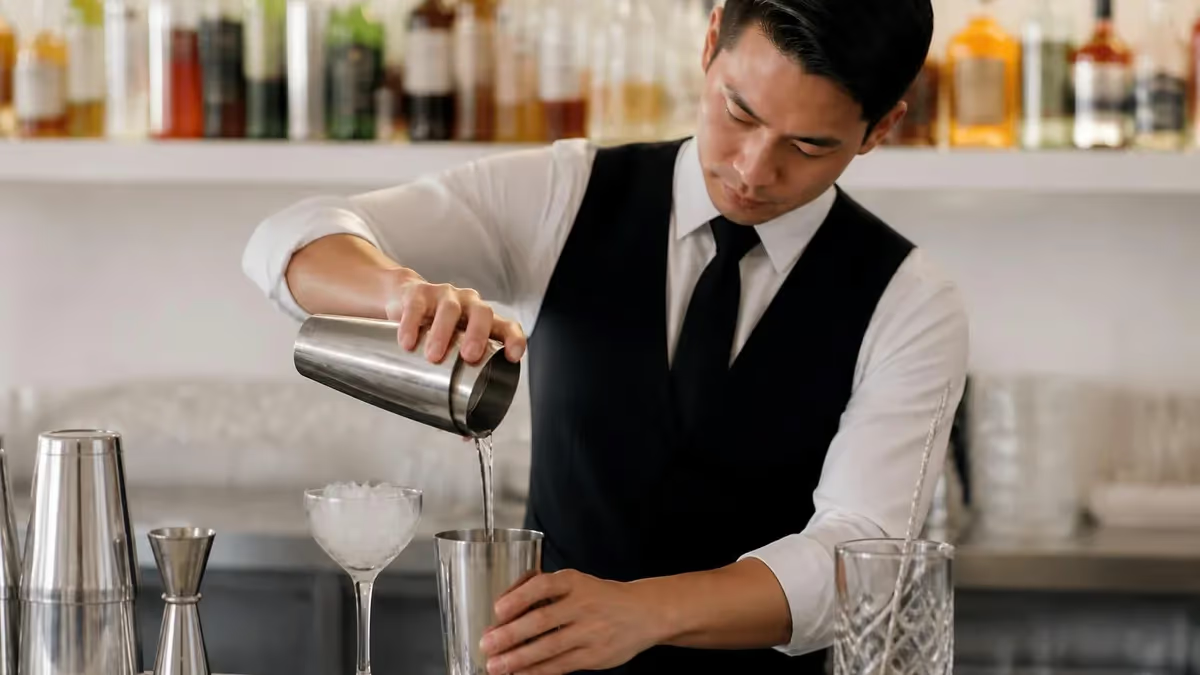
If you are chasing your first bartending license Florida job or trying to upgrade your bar skills for a busy Miami, Orlando, or Tampa venue, the rules here are friendlier than most states think. Florida does not actually issue a state-mandated personal bartending license, but virtually every reputable employer demands a responsible vendor certification, food handler card, and proof you are at least 18 years old to serve alcohol legally on premises.
That confusion costs new bartenders interviews every week. Hiring managers often write "must be licensed" in job ads when they really mean "must have a current responsible vendor card from a state-approved provider such as TIPS, ServSafe Alcohol, or Learn2Serve." Knowing the difference between a personal certification and the establishment's liquor license helps you stand out the moment you walk in with your paperwork ready.
This guide breaks down exactly what credentials Florida employers expect in 2026, what each card costs, how long the training takes, and how to study for the certification exam in a single weekend. You will also see how Florida's laws differ from Wisconsin, Illinois, or Utah so you understand why your friends in other states keep talking about a "real" license while you only need an online course and a passing score.
We will also walk through the Florida Division of Alcoholic Beverages and Tobacco's rules on age, hours, ID checking, and over-service, because the bar manager will quiz you on these during the first week. Memorize them now and you will look like a seasoned pro on day one instead of a nervous trainee fumbling through a sticky drink menu at 11 p.m. on a Saturday.
Whether you are bartending part-time during college, moving from server to bar back, or opening a craft cocktail lounge of your own, this is the most current playbook for legal, profitable bartending in the Sunshine State. Bookmark it, take notes, and treat the practice quizzes at the end like a real exam, because the questions mirror what every approved Florida alcohol training program tests.
By the end you will know which course to buy, what to skip, and how to walk into any Florida bar with proof that you are ready to pour, ring, and close out tabs without putting the establishment's liquor license at risk. That last point matters because owners care less about your flair tricks and more about whether you can spot a fake ID at 1 a.m. without slowing the line.
Read on for the rules, the costs, the timeline, and the practice questions that turn an unsure applicant into a confident, certified Florida bartender ready for the highest-tipping shifts in town.
Florida Bartending License by the Numbers
Key Facts at a Glance
| Item | Value | Details |
|---|---|---|
| Minimum Age to Serve | 18 | 21 to manage a bar |
| Typical Cert Cost | $15-$40 | online responsible vendor |
| Course Length | 3-4 hrs | self-paced online |
| Certification Validity | 3 yrs | most providers |
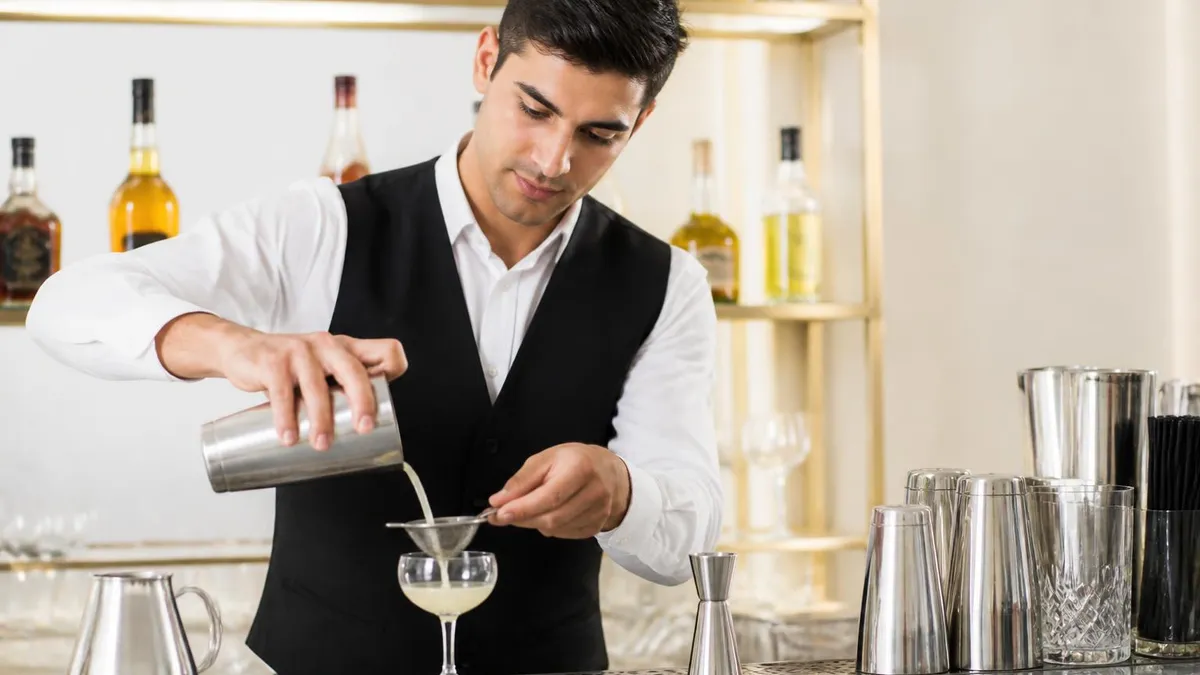
What Florida Actually Requires to Bartend Legally
Florida Statute 562.13 allows anyone 18 or older to serve, sell, or pour alcoholic beverages on premises. You must be 21 to manage a bar, hold a state liquor license, or consume on the job.
Most Florida employers require a state-approved alcohol seller-server certification from providers like TIPS, ServSafe Alcohol, or Learn2Serve. The course costs $15-$40 and is completed entirely online in one sitting.
Counties such as Miami-Dade, Hillsborough, and Orange require a separate food handler card if you garnish drinks or touch ice. The $10 ANSI-accredited online card is valid for three years statewide.
The bar itself, not you personally, holds the 1COP, 2COP, or 4COP license from the Division of Alcoholic Beverages and Tobacco. Your job is to protect that license by following pour, age, and hour rules.
Cities like Key West and Orlando occasionally require an additional work permit or fingerprint background check for late-night venues. Always ask your hiring manager which local permits apply before your first shift.
The first decision every new Florida bartender faces is which alcohol certification course to buy. Because the state does not issue its own card, you pick from roughly a dozen private providers approved under Florida's voluntary Responsible Vendor Program. TIPS, ServSafe Alcohol, Learn2Serve by 360training, and Rserving are the four that hiring managers recognize instantly, so save yourself time and skip the obscure $5 options that bars often refuse to accept.
Pricing in 2026 ranges from $14.95 for Learn2Serve's basic on-premises course up to about $40 for ServSafe Alcohol Primary with a proctored final. Each program takes roughly three to four hours of video lessons, knowledge checks, and a 40-question final exam. You can pause, exit, and resume across multiple days, which makes it easy to study during slow afternoons or between server shifts at your current job.
Every approved Florida course covers the same core domains: checking identification, recognizing intoxication levels, refusing service safely, understanding dram shop liability, and knowing the legal hours of sale in your county. Hillsborough and Miami-Dade allow 3 a.m. closing, while many panhandle counties cut off at 2 a.m. Your course will quiz you on these specific cut-off times, so do not skim that chapter.
If you are weighing whether a brick-and-mortar program is worth it, compare what you would learn at a hands-on bartending school against the cheaper online certification path. Schools teach speed pouring, recipes, and flair, while the online card only proves you understand alcohol law. Most Florida bars hire untrained pourers and teach recipes on the job, so the certification is the higher-ROI purchase for most newcomers.
After you pass the final exam, you instantly download a PDF certificate and a wallet-sized card. Print two copies, laminate one for your wallet, and email the PDF to yourself and your manager. Florida does not maintain a central registry, so if you lose the card and the provider goes out of business, you may need to retake the entire course. Treat the certificate like a passport.
Renewal happens every three years for most providers, although ServSafe Alcohol requires renewal every three years and TIPS every three years as well. Set a calendar reminder six weeks before expiration, because some venues will pull you off the schedule the day your card lapses to protect their own liquor license from a surprise ABT inspection.
Finally, save every receipt. Florida considers alcohol certifications a deductible work expense if you itemize, and most providers email a tax-ready invoice within minutes of purchase. Over a 10-year bar career, those receipts and renewal records also build a credentials portfolio that helps you negotiate higher hourly rates when you move from a college bar to a high-end cocktail lounge.
Bartender Practice Test Questions
Prepare for the Bartender Certification exam with our free practice test modules. Each quiz covers key topics to help you pass on your first try.
Bartender Certification Bar Inventory and ...
Bartender Exam Questions covering Certification Bar Inventory and Cost Control. Master Bartender Test concepts for certification prep.
Bartender Certification Bar Law and Liquor...
Free Bartender Practice Test featuring Certification Bar Law and Liquor Regulations. Improve your Bartender Exam score with mock test prep.
Bartender Certification Bar Sanitation and...
Bartender Mock Exam on Certification Bar Sanitation and Safety. Bartender Study Guide questions to pass on your first try.
Bartender Certification Bar Setup and Orga...
Bartender Test Prep for Certification Bar Setup and Organization. Practice Bartender Quiz questions and boost your score.
Bartender Certification Bar Tools and Glas...
Bartender Questions and Answers on Certification Bar Tools and Glassware. Free Bartender practice for exam readiness.
Bartender Certification Basic
Bartender Mock Test covering Certification Basic. Online Bartender Test practice with instant feedback.
Bartender Certification Cocktail Recipes a...
Free Bartender Quiz on Certification Cocktail Recipes and Techniques. Bartender Exam prep questions with detailed explanations.
Bartender Certification Customer Service a...
Bartender Practice Questions for Certification Customer Service and Sales. Build confidence for your Bartender certification exam.
Bartender Certification Customer Service S...
Bartender Test Online for Certification Customer Service Skills. Free practice with instant results and feedback.
Bartender Certification Mixology Fundamentals
Bartender Study Material on Certification Mixology Fundamentals. Prepare effectively with real exam-style questions.
Bartender Certification Responsible Alcoho...
Free Bartender Test covering Certification Responsible Alcohol Service. Practice and track your Bartender exam readiness.
Bartender Certification Spirits, Beer, and...
Bartender Exam Questions covering Certification Spirits, Beer, and Wine. Master Bartender Test concepts for certification prep.
Bartender Certification Spirits, Liqueurs,...
Free Bartender Practice Test featuring Certification Spirits, Liqueurs, and Cocktails. Improve your Bartender Exam score with mock test prep.
Bartender Responsible Alcohol Service
Bartender Mock Exam on Responsible Alcohol Service. Bartender Study Guide questions to pass on your first try.
Bartender Spirits, Liqueurs, and Cocktails
Bartender Test Prep for Spirits, Liqueurs, and Cocktails. Practice Bartender Quiz questions and boost your score.
Bartender Bar Sanitation and Safety
Bartender Questions and Answers on Bar Sanitation and Safety. Free Bartender practice for exam readiness.
Bartender Bar Setup and Organization
Bartender Mock Test covering Bar Setup and Organization. Online Bartender Test practice with instant feedback.
Bartender Bar Tools and Glassware
Free Bartender Quiz on Bar Tools and Glassware. Bartender Exam prep questions with detailed explanations.
Bartender Basic
Bartender Practice Questions for Basic. Build confidence for your Bartender certification exam.
Bartender Cocktail Recipes and Techniques
Bartender Test Online for Cocktail Recipes and Techniques. Free practice with instant results and feedback.
Bartender Customer Service and Sales
Bartender Study Material on Customer Service and Sales. Prepare effectively with real exam-style questions.
Bartender Customer Service Skills
Free Bartender Test covering Customer Service Skills. Practice and track your Bartender exam readiness.
Comparing the Top Florida Bartending License Programs
TIPS On-Premises is the gold standard among Florida hotel and chain restaurant employers. The course runs about three hours, costs $40, and includes scenario-based videos shot in real bars. The final exam contains 40 multiple-choice questions and requires a 70% passing score, with two free retakes built into your purchase.
What sets TIPS apart is its insurance-backed credibility. Many Florida liquor liability carriers offer premium discounts to venues that train every bartender through TIPS, so managers actively prefer applicants who already hold the card. The certification stays valid for three years and is recognized in all 50 states if you relocate.
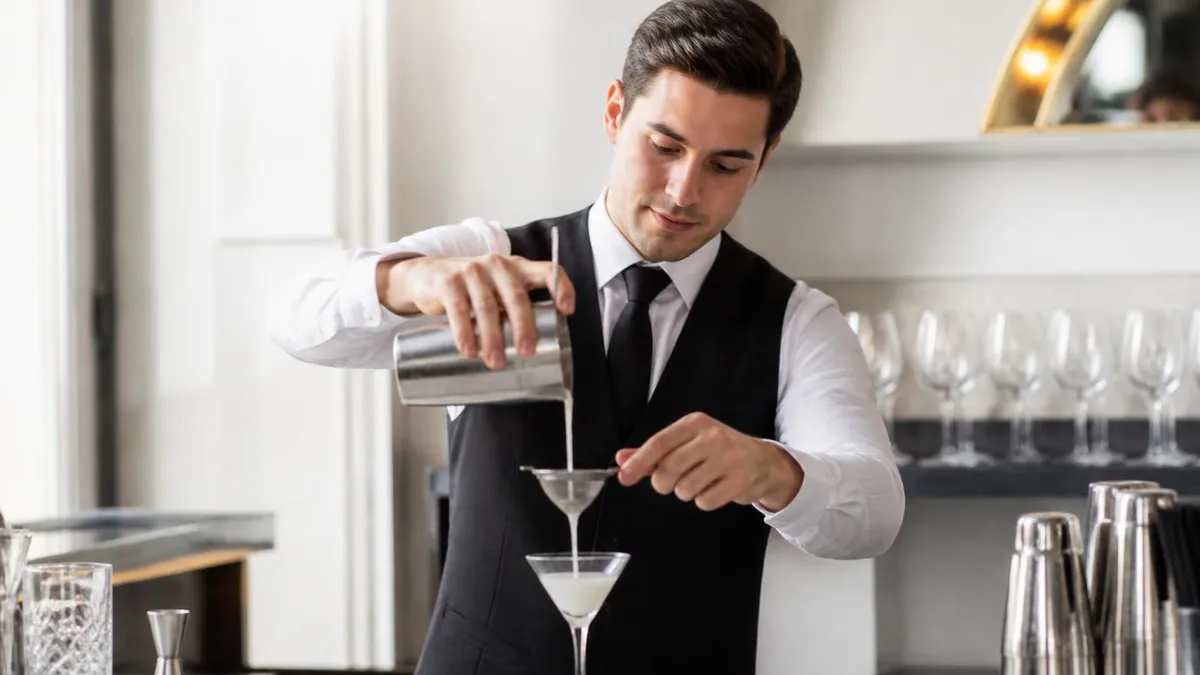
Online Florida Bartending Certification: Worth It?
- +Costs under $40 versus $400+ for a bartending school program
- +Completes in a single afternoon with no commute or schedule conflicts
- +Accepted by every major Florida hotel, chain, and independent bar
- +Includes downloadable PDF certificate plus wallet card within minutes
- +Valid for three full years before any renewal is required
- +Counts as a tax-deductible work expense when itemizing returns
- +Transferable across all 50 states if you relocate from Florida
- −Does not teach recipes, speed pouring, or actual cocktail skills
- −Online-only format lacks real-bar practice with live customers
- −Some high-end Miami lounges still prefer hands-on school graduates
- −Three-year renewal cycle means recurring costs throughout your career
- −Florida has no central registry, so lost certificates may require retesting
- −Course content overlaps heavily with food handler material you may already know
Bartending License Florida Step-by-Step Checklist
- ✓Confirm you are at least 18 years old with a valid government-issued photo ID
- ✓Choose an approved provider: TIPS, ServSafe Alcohol, Learn2Serve, or Rserving
- ✓Purchase the on-premises (not off-premises) version of the course
- ✓Complete all video modules and knowledge checks in a quiet environment
- ✓Pass the final exam with a score of 70% or higher on the first attempt
- ✓Download and print two copies of the PDF certificate immediately
- ✓Laminate the wallet card and store the digital PDF in cloud backup
- ✓Apply for a county food handler card if your venue requires it (Miami-Dade, Hillsborough, Orange)
- ✓Submit certification copies to your hiring manager before your first scheduled shift
- ✓Set a calendar reminder for renewal 60 days before the three-year expiration date
- ✓Review Florida Statute Chapter 562 quarterly for any new alcohol law updates
- ✓Keep tax receipts in case you itemize certification fees as work expenses
Florida is a Dram Shop State With Real Personal Liability
Under Florida Statute 768.125, you can be held personally liable if you knowingly serve alcohol to a minor or a habitually addicted person who later causes injury or death. Your responsible vendor card is the single best legal defense, because it documents that you were formally trained to refuse service. Never skip the ID check, even for regulars, and document refusals in writing whenever possible.
Florida alcohol law is governed by Chapter 561 through 568 of the state statutes and enforced by the Division of Alcoholic Beverages and Tobacco, known as ABT. Every certified bartender should bookmark the ABT website and review the quarterly bulletin, because rules around delivery, growlers, and outdoor service have changed three times since the pandemic and the fines for violations now reach $1,000 per incident plus possible license suspension for the venue you work in.
The legal hours of alcohol sale vary by county and even city ordinance. Statewide sale is permitted from 7 a.m. until 2 a.m., but Miami Beach allows 5 a.m. closing on Ocean Drive, Key West permits 4 a.m. service, and most rural counties stop at midnight. Your training course will list the local cutoff for your venue's address, and your manager should post it on the back-bar wall as required by ABT inspectors.
Florida is one of the strictest states on serving visibly intoxicated patrons. The legal standard is whether a reasonable person would believe the guest is impaired, judged by slurred speech, unsteady balance, bloodshot eyes, or aggressive behavior. Even one additional drink served after that point exposes you and the venue to dram shop civil suits. Most certification courses spend an entire module on this single topic because it generates the most lawsuits.
ID checking is non-negotiable. Florida accepts driver's licenses, state ID cards, US passports, military IDs, and Florida concealed-carry permits as primary identification. Always check the date of birth math, the expiration date, the photo match, and the tactile feel of the card. Bartenders who confiscate suspected fake IDs are protected from civil liability under Florida Statute 562.11(2) as long as they immediately surrender the card to law enforcement.
Over-pour and free pouring are also regulated. While Florida law does not mandate jiggers, most venues require them to control liquor cost and avoid inventory variance during ABT audits. Giving free drinks to friends without a comp slip is theft under Florida law and is prosecuted as a misdemeanor, which would also strip your responsible vendor card and likely end your career at any chain operator in the state.
If you ever work a private event or pop-up, the bartender for hire arrangement still requires you to follow the same Florida ABT rules even when the host owns the alcohol. The temporary event must be covered by the property owner's liquor license or a one-day permit from ABT, and you remain personally responsible for refusing minors and over-served guests at the gathering.
Finally, marijuana laws and alcohol laws intersect in Florida in ways many new bartenders forget. Medical marijuana cardholders can legally consume cannabis off-premises, but you must still refuse alcohol service if they appear impaired. Recreational cannabis remains illegal in Florida as of 2026, and detecting combined impairment is now part of every updated ABT-approved curriculum.
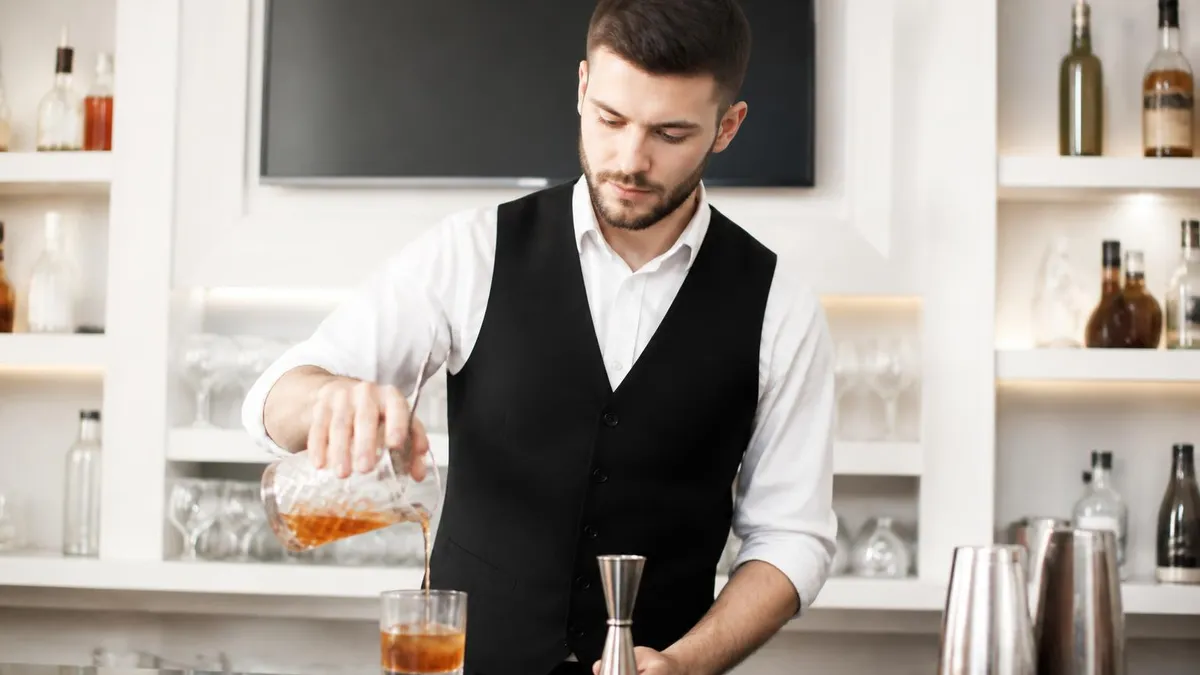
The Division of Alcoholic Beverages and Tobacco added 47 new field agents in 2025 and is now conducting random late-night inspections in tourist counties. Inspectors will ask to see your responsible vendor card on the spot. If you cannot produce it, the venue may be cited and you may be removed from the floor for the rest of the shift, costing you tips and potentially your job.
Florida bartender pay in 2026 is significantly above the national average thanks to tourism, year-round patio season, and a tipping culture that rivals Las Vegas. The Bureau of Labor Statistics lists median bartender wages at $31,290 base, but that figure excludes tips. With tips, full-time bartenders in Miami Beach, Orlando theme park districts, and Tampa cruise terminals routinely earn $55,000 to $85,000 per year, and top-tier cocktail bartenders at hotels like the Four Seasons clear six figures.
Geography matters more than experience in your first three years. A bartender working a busy Wynwood rooftop will out-earn a five-year veteran in a rural Panhandle dive simply because of volume and check averages. When planning a move, study traffic counts, average ticket sizes, and tip-pool structures rather than focusing only on the hourly rate the employer advertises in the job posting on Indeed or Craigslist.
Career progression in Florida usually follows a predictable ladder: bar back at $12 to $15 per hour, junior bartender splitting tips at $20 to $35 effective, lead bartender at $40 to $60 effective, and finally bar manager at $55,000 to $90,000 salary plus a tip share. Most operators promote internally, so showing up with your certification ready and your shift handoff sheet organized accelerates the climb dramatically.
Florida's hospitality scene also has a strong freelance market. Wedding planners, corporate event firms, and yacht charters all hire on-demand bartenders at $35 to $75 per hour, often with cash tips on top. If you are interested in the freelance route, study how to position yourself as a bartender for hire with a professional kit, clean uniform, liability insurance, and a Square or Toast portable POS terminal for tab management.
Side income opportunities continue to expand. Private cocktail classes in Airbnb rentals, mobile bar trailers at weddings, and brand ambassador gigs for spirits companies all hire Florida bartenders with current certifications. Diageo, Pernod Ricard, and Bacardi (headquartered in Coral Gables) run paid training events that double as networking opportunities, and many lead to full-time brand ambassador roles starting at $65,000 with health benefits.
Long term, the most lucrative path is bar ownership. Florida is one of the easier states for buying an existing 4COP liquor license through the quota system, although prices in Miami-Dade and Broward have climbed to $250,000 or more on the secondary market. Working bartenders who save 10% of tips, build vendor relationships, and learn the inventory side of the business have a clear runway to ownership within seven to ten years.
Whatever direction you choose, your certification card is the entry ticket. Renew it on time, treat the law modules seriously, and you will spend the next decade in one of the most fun, flexible, and well-paid hospitality markets in the country.
Now that you understand the certification path, let's talk about how to actually pass the exam on the first try. Every approved Florida course ends with a 25 to 40 question multiple-choice test that requires a 70% passing score. Roughly 90% of first-time test takers pass, but the 10% who fail almost always missed the same chapters: dram shop liability, BAC math, and Florida-specific hours of sale. Focus your study time there.
Start by reading the entire course PDF before watching any videos. The written material contains every fact that appears on the exam, while the videos add context and scenarios. Take handwritten notes on legal hours, age requirements, ID types accepted, and the signs of intoxication checklist. Your handwritten notes will outperform any digital highlighter for retention, especially on legal terminology that you have never encountered before.
Use the practice quizzes on this site like a final dress rehearsal. The questions are written to mirror the format and difficulty of TIPS, ServSafe Alcohol, and Learn2Serve final exams. Take each quiz twice, once cold and once after reviewing your weak areas. If you can score 85% or higher on the practice tests, you are in great shape to ace the real certification exam without breaking a sweat.
On exam day, treat the test like a real interview. Find a quiet space with reliable WiFi, close all other browser tabs, silence your phone, and have a glass of water nearby. Most online finals do not have a strict time limit, but you should allocate roughly two minutes per question. Read each question twice and watch for words like "never," "always," or "except," because those words flip the meaning of the answer choice.
If you fail the first attempt, do not panic. Every major provider includes one or two free retakes in the original purchase price. Review the chapters connected to the questions you missed, retake the practice quizzes, and schedule the retest within a week while the material is fresh. Bartenders who delay their retake by more than two weeks often need to redo the entire course because access expires.
After passing, immediately apply to two or three Florida venues even if you are not ready to start working. A current certificate plus a clean follow-up email puts you in the manager's active pool for the next opening. Most Florida bar managers hire from their existing applicant database before posting publicly, so being early is often the difference between landing the corner cocktail bar gig and waiting six months for the next call.
Keep learning after your certification. Read one trade publication a month, such as Imbibe or Punch, study a new spirit category each quarter, and shadow senior bartenders on slower shifts. The certification gets you in the door, but it is your craft knowledge, your speed, and your hospitality instincts that turn an entry-level gig into a six-figure Florida bartending career within five years of starting out.
Sample Bartender Certification Practice Questions
Try these questions from our free Bartender Certification practice tests. The correct answer and an explanation follow each question.
What is the primary goal of TIPS (Training for Intervention ProcedureS) certification?
- A. To teach bartenders how to increase drink sales through suggestive techniques
- B. To train servers and bartenders to prevent intoxication, impaired driving, and underage drinking through responsible alcohol service
- C. To certify bartenders in advanced mixology techniques
- D. To provide licensing for bars to serve alcohol past midnight
Answer: B. To train servers and bartenders to prevent intoxication, impaired driving, and underage drinking through responsible alcohol service
TIPS certification trains hospitality professionals to recognize signs of intoxication, prevent over-service, handle difficult refusal situations, and reduce alcohol-related harm.
A guest tells you, "I'm not sure what I want, but I'd like something refreshing." What is the most effective first question to ask to help guide them to a drink they will enjoy?
- A. "Should I just surprise you?"
- B. "What kind of spirits do you typically enjoy, like vodka, rum, or gin?"
- C. "How much are you looking to spend on a drink?"
- D. "Do you prefer shaken or stirred cocktails?"
Answer: B. "What kind of spirits do you typically enjoy, like vodka, rum, or gin?"
The most critical piece of information for a recommendation is the customer's preferred base spirit. This allows the bartender to narrow down the possibilities and suggest specific cocktails (like a Tom Collins for gin, a Moscow Mule for vodka, etc.) that fit the "refreshing" criteria.
What type of license does a bar typically need to sell alcohol on-premises in the U.S.?
- A. Wholesale license
- B. On-sale license
- C. Manufacturer's license
- D. Import license
Answer: B. On-sale license
An on-sale (or on-premise) liquor license authorizes a business to sell alcoholic beverages for consumption at the licensed location.
What is a 'mixing glass' used for in bartending?
- A. Blending frozen cocktails
- B. Stirring cocktails with ice before straining into a serving glass
- C. Washing bar tools
- D. Measuring spirits for multiple orders simultaneously
Answer: B. Stirring cocktails with ice before straining into a serving glass
A mixing glass is a heavy-walled glass vessel used for stirring cocktails with ice before straining into the serving glass.
Bartender Bartender Questions and Answers
Bartender Near Me: How to Find, Vet, and Hire a Local Bartender in 2026
Wisconsin Bartending License: Operator's License Guide 2026
Shot Bartending Techniques: The Complete Guide to Speed, Style, and Service Behind the Bar
Bartender for Hire: How to Book, Pricing Guide, and What to Expect in 2026
Bartending School: Costs, What You Learn and If It's Worth It
About the Author
Executive Chef & Culinary Arts Certification Educator
Culinary Institute of AmericaChef Marco Bellini is a Certified Executive Chef and graduate of the Culinary Institute of America with over 20 years of professional kitchen experience in Michelin-recognized restaurants. He teaches culinary arts certification, food safety, and hospitality exam preparation, having guided thousands of culinary students through their ServSafe, ProStart, and professional chef certifications.
Join the Discussion
Connect with other students preparing for this exam. Share tips, ask questions, and get advice from people who have been there.
View discussion (7 replies)