
Bartender for Hire: How to Book, Pricing Guide, and What to Expect in 2026 October
Bartender for hire pricing, booking tips, packages, and what to ask before signing a contract. Real costs, timelines, and red flags explained. ✏️
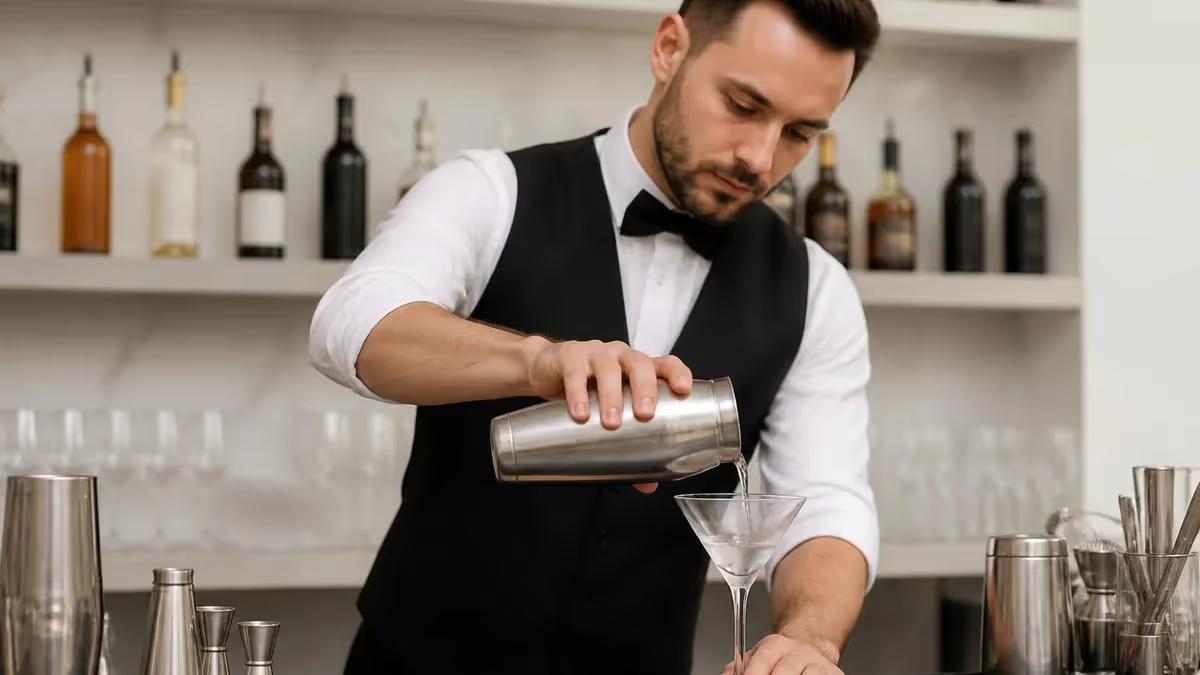
Hiring a bartender for hire used to mean calling a buddy who could pour a decent gin and tonic and hoping the rest worked out. In 2026, the landscape is dramatically different. Private events, weddings, corporate launches, backyard birthdays, and brand activations all demand polished service, accurate pour costs, proper licensing, and a personality that can read a room. Whether you are planning a fifty-person engagement party or a five-hundred-person gala, understanding how the bartender-for-hire market actually works will save you money and stress.
The average private bartender in the United States now charges between $40 and $90 per hour, with premium specialists in major metros pushing $150 or more. Pricing depends on experience, certifications, equipment, travel, and whether the bartender brings their own mobile bar setup. Some packages include glassware, ice, mixers, and garnishes; others expect the host to provide everything except the labor. Knowing what is bundled and what is à la carte is the difference between a $400 quote and a $1,400 final invoice.
Before you book, you should also understand the legal landscape. Many states require certified responsible-beverage-service training for anyone pouring alcohol at a paid event, and venues frequently demand proof of liquor liability insurance. A serious professional will produce these documents without being asked. If you want to verify what your local certification looks like, the resource on how to become a bartender walks through the standard credential path that working pros follow before they accept paid gigs.
The other variable hosts underestimate is logistics. A great bartender is part service worker, part performer, and part operations manager. They arrive ninety minutes early, set up a station, chill product, prep garnishes, manage a guest list, and break everything down by midnight. If the bartender is bringing a mobile bar, you also need to think about parking, power, water access, and surface protection. Skip these conversations during booking and you will pay for them on event day.
This guide covers everything a first-time host needs to make a confident hire: pricing benchmarks, package structures, the questions to ask during a vetting call, contract clauses that protect you, gratuity expectations, and red flags that signal an amateur. We will also walk through how staffing ratios change based on guest count and bar style, why beer-and-wine events cost less than full-spirit programs, and how to avoid the most common rookie mistakes when working with a private bartender for the first time.
By the end, you will know exactly what a fair quote looks like for your event size, how to compare proposals from two or three bartenders without getting lost in jargon, and what to put in writing so nothing goes sideways on the big day. You will also learn what professional bartenders wish more clients understood, including timing, tipping etiquette, and the small details that turn a good event into one your guests still talk about a year later.
Let's get into the numbers, the contracts, and the conversations that lead to a flawless private bar program.
Bartender for Hire by the Numbers
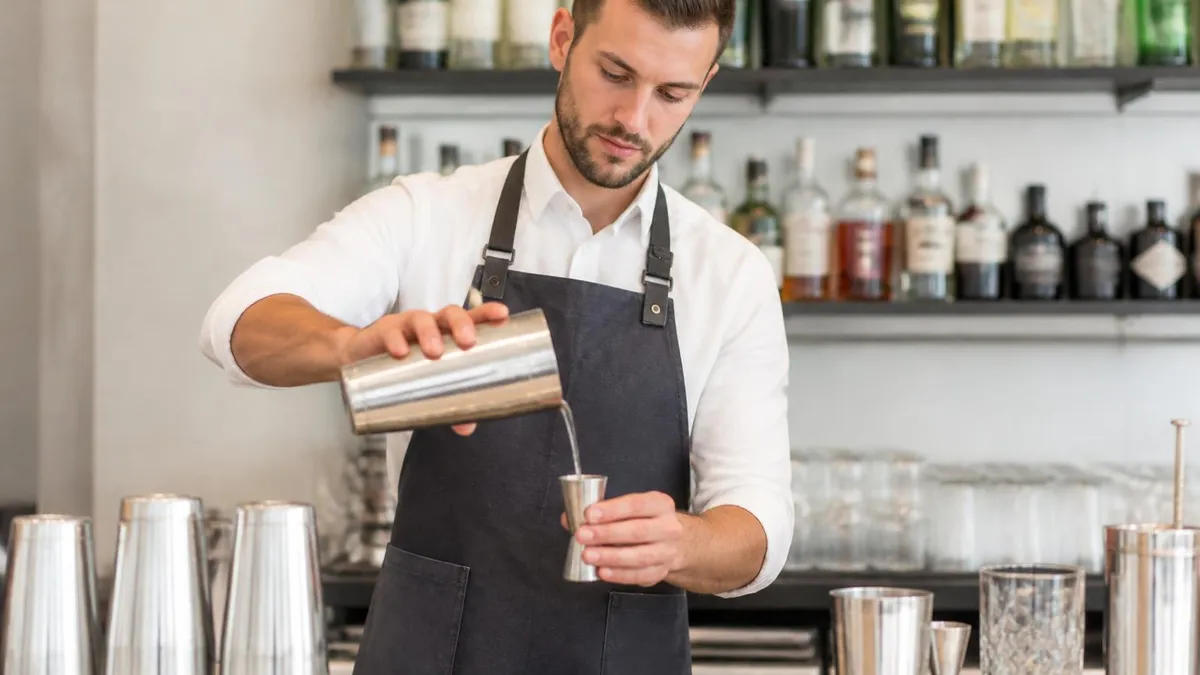
Pricing & Package Structures You Will See
The bartender shows up and pours what you provide. Hosts supply alcohol, mixers, ice, glassware, and garnishes. Cheapest option, usually $40–$70 per hour, but you do all the shopping and forecasting.
Bartender brings tools, shakers, jiggers, strainers, and basic garnish supplies. Host supplies alcohol and large-volume items. Typical add-on is $75–$150 flat on top of hourly labor.
Bartender arrives with a portable bar, ice, mixers, tools, garnishes, and sometimes glassware. You provide only the alcohol or a shopping list to fulfill. Expect $500–$1,200 package fees.
Bartender handles labor, equipment, mixers, ice, garnishes, and alcohol procurement. Priced per guest, usually $25–$55 each. Easiest for hosts; most expensive but zero shopping required.
Custom-designed drink for the event with branded menu cards and specialty ingredients. Usually $75–$250 add-on on top of any base package. Popular for weddings and brand launches.
Once you understand pricing tiers, the next job is vetting. A great quote from an unreliable bartender is worse than a fair quote from a seasoned pro. Start by asking how long the bartender has worked private events specifically, not just behind a commercial bar. The skills overlap but are not identical. A nightclub veteran might struggle with the pace of a wedding cocktail hour, where two hundred guests want drinks in the same forty-five-minute window and there is no point-of-sale system to slow anyone down.
Ask for references from events similar in size and style to yours. Any working professional will have three or four names ready. If they hesitate, that tells you something. Cross-check those references by actually calling them, not just reading a forwarded email. Ask specifically about timeliness, attitude under pressure, cleanliness of the bar station, and whether the bartender handled the unexpected gracefully — because something always goes sideways at a live event.
Certifications matter too. Most working private bartenders carry a state responsible-beverage-service card, and many add ServSafe Alcohol or TIPS certification for portability across state lines. If you are in a heavily regulated state, the bartender's credentials should match local rules. Hosts who want to understand the broader landscape can look at the bartender career FAQ, which covers pay scales, OLCC rules, and the credentials working pros are expected to hold across different states.
The vetting call should also surface a clear scope of work. How early does the bartender arrive? What is included in breakdown? Will they cut off intoxicated guests politely, and what is their protocol when a guest gets belligerent? A pro has scripted answers to every one of these questions because they have lived through every one of these scenarios. Vague answers, or answers that lean too heavily on "we will figure it out," are red flags worth heeding before money changes hands.
Pay attention to communication style during booking. If it takes three days to return an email when you are still a prospect, expect worse responsiveness once they have your deposit. Look for bartenders who confirm in writing, send a proper proposal with line items, and offer a contract that protects both parties. Professionals are not offended by contracts; they prefer them. Anyone who pushes back on putting terms in writing is signaling they want flexibility you do not want them to have.
Finally, ask about backup. What happens if your bartender gets sick the morning of the event? Established operators have a network of qualified subs and will guarantee coverage in the contract. Solo independents may not. Neither option is wrong, but you should know which one you are buying. For high-stakes events like weddings, a backup guarantee is worth paying a small premium for, because there is no rescheduling a Saturday ceremony when your bartender wakes up with the flu.
Get at least two written quotes before you commit. Comparing line items side by side reveals which package is actually cheaper and which one is just hiding fees in different categories. Travel charges, setup fees, gratuity, and equipment rental are the most common places where the math hides.
Bartender Practice Test Questions
Prepare for the Bartender Certification exam with our free practice test modules. Each quiz covers key topics to help you pass on your first try.
Bartender Certification Bar Inventory and ...
Bartender Exam Questions covering Certification Bar Inventory and Cost Control. Master Bartender Test concepts for certification prep.
Bartender Certification Bar Law and Liquor...
Free Bartender Practice Test featuring Certification Bar Law and Liquor Regulations. Improve your Bartender Exam score with mock test prep.
Bartender Certification Bar Sanitation and...
Bartender Mock Exam on Certification Bar Sanitation and Safety. Bartender Study Guide questions to pass on your first try.
Bartender Certification Bar Setup and Orga...
Bartender Test Prep for Certification Bar Setup and Organization. Practice Bartender Quiz questions and boost your score.
Bartender Certification Bar Tools and Glas...
Bartender Questions and Answers on Certification Bar Tools and Glassware. Free Bartender practice for exam readiness.
Bartender Certification Basic
Bartender Mock Test covering Certification Basic. Online Bartender Test practice with instant feedback.
Bartender Certification Cocktail Recipes a...
Free Bartender Quiz on Certification Cocktail Recipes and Techniques. Bartender Exam prep questions with detailed explanations.
Bartender Certification Customer Service a...
Bartender Practice Questions for Certification Customer Service and Sales. Build confidence for your Bartender certification exam.
Bartender Certification Customer Service S...
Bartender Test Online for Certification Customer Service Skills. Free practice with instant results and feedback.
Bartender Certification Mixology Fundamentals
Bartender Study Material on Certification Mixology Fundamentals. Prepare effectively with real exam-style questions.
Bartender Certification Responsible Alcoho...
Free Bartender Test covering Certification Responsible Alcohol Service. Practice and track your Bartender exam readiness.
Bartender Certification Spirits, Beer, and...
Bartender Exam Questions covering Certification Spirits, Beer, and Wine. Master Bartender Test concepts for certification prep.
Bartender Certification Spirits, Liqueurs,...
Free Bartender Practice Test featuring Certification Spirits, Liqueurs, and Cocktails. Improve your Bartender Exam score with mock test prep.
Bartender Responsible Alcohol Service
Bartender Mock Exam on Responsible Alcohol Service. Bartender Study Guide questions to pass on your first try.
Bartender Spirits, Liqueurs, and Cocktails
Bartender Test Prep for Spirits, Liqueurs, and Cocktails. Practice Bartender Quiz questions and boost your score.
Bartender Bar Sanitation and Safety
Bartender Questions and Answers on Bar Sanitation and Safety. Free Bartender practice for exam readiness.
Bartender Bar Setup and Organization
Bartender Mock Test covering Bar Setup and Organization. Online Bartender Test practice with instant feedback.
Bartender Bar Tools and Glassware
Free Bartender Quiz on Bar Tools and Glassware. Bartender Exam prep questions with detailed explanations.
Bartender Basic
Bartender Practice Questions for Basic. Build confidence for your Bartender certification exam.
Bartender Cocktail Recipes and Techniques
Bartender Test Online for Cocktail Recipes and Techniques. Free practice with instant results and feedback.
Bartender Customer Service and Sales
Bartender Study Material on Customer Service and Sales. Prepare effectively with real exam-style questions.
Bartender Customer Service Skills
Free Bartender Test covering Customer Service Skills. Practice and track your Bartender exam readiness.
Bartender for Hire: Event Types and Service Styles
Weddings are the largest single category in the private bartender market and demand the most planning. Most weddings run a five-to-six hour service window with a cocktail hour spike, a reception lull, and a late-night second wind. Staffing ratios tighten here: plan for one bartender per fifty guests if you are serving full spirits, and one per seventy-five if you are limited to beer and wine.
Couples typically choose between consumption pricing, flat package pricing, and BYO with hired labor. A good wedding bartender will help you build a beverage shopping list, suggest two signature cocktails that match the menu, and coordinate timing with the catering captain so drinks never run dry during toasts. Expect to budget $1,200–$3,500 in bar labor and equipment for a 100–150 guest wedding.
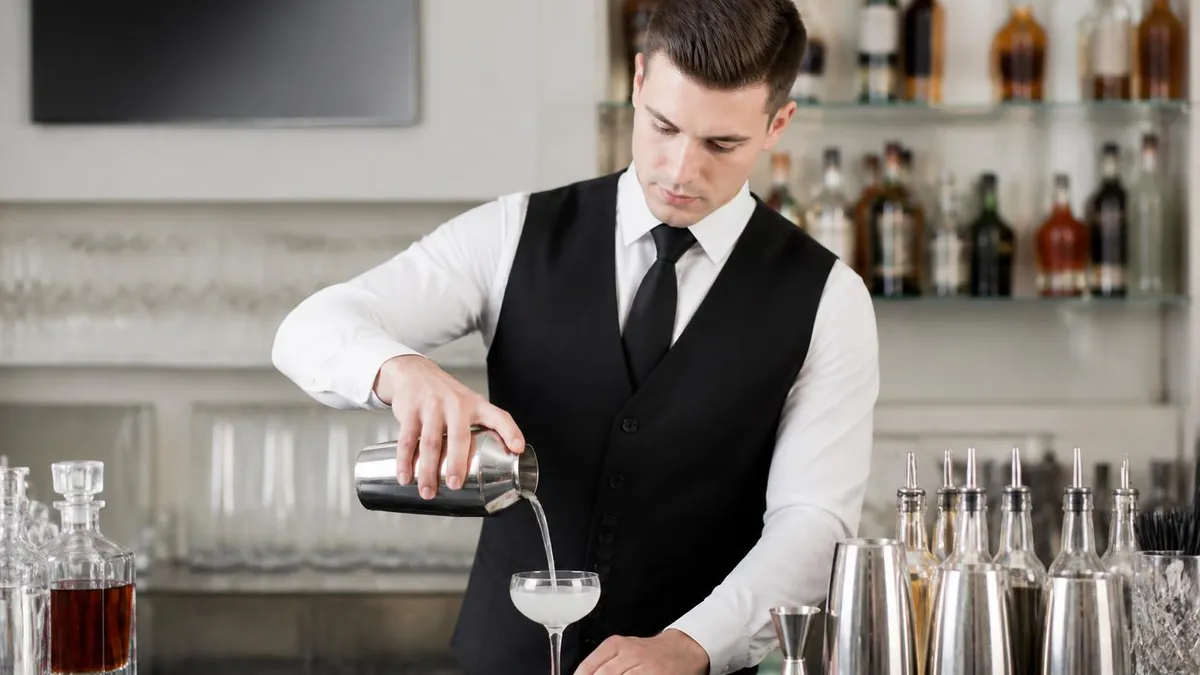
Hiring a Private Bartender: Pros and Cons
- +Professional service raises the perceived quality of the entire event
- +Hosts can be guests instead of running the bar themselves
- +Trained bartenders manage intoxication risk and reduce liability
- +Faster service means shorter lines and happier guests
- +Pros bring efficient setup and breakdown, saving hours of work
- +Custom cocktails and branded menus create memorable moments
- +Insurance and licensing transfer risk away from the host
- −Costs $500–$2,500 more than running the bar yourself
- −Requires booking 4–12 weeks in advance for prime dates
- −Some packages add hidden travel and setup fees
- −Mobile bars need parking, power, and surface protection
- −Gratuity is expected on top of the contracted rate
- −Quality varies widely between operators in the same market
- −Last-minute cancellation policies often forfeit deposits
Bartender for Hire Booking Checklist
- ✓Confirm guest count, event start time, and total service hours
- ✓Request proof of responsible beverage service certification
- ✓Verify $1M liquor liability insurance and request a COI
- ✓Get a written proposal with itemized line items, not a single lump sum
- ✓Clarify what equipment, glassware, and mixers are included
- ✓Confirm setup arrival time, usually 60–90 minutes before guests
- ✓Discuss intoxication protocols and last-call procedures in advance
- ✓Lock in travel fees and overtime rates in writing
- ✓Specify gratuity expectations and whether a tip jar is acceptable
- ✓Sign a contract with cancellation, weather, and substitution clauses
Always confirm the COI 14 days out
Professional bartenders carry liquor liability insurance, but the certificate of insurance naming your venue as additional insured can take two weeks to issue. Request it the moment you book and follow up two weeks before the event. Many venues will refuse access without a current COI in hand, even if the bartender is licensed and insured.
Insurance and licensing are the most misunderstood part of hiring a bartender, and the part most likely to derail an event if mishandled. The baseline expectation in 2026 is that any paid bartender carries general liability insurance with at least a $1 million per-occurrence limit, plus a specific liquor liability endorsement. General liability alone does not cover claims arising from alcohol service. Liquor liability is the policy that protects you and the bartender if a guest leaves your event intoxicated and causes harm.
State licensing rules add another layer. Some states require any individual pouring alcohol at a paid event to hold an active responsible-beverage-service certification, often issued through TIPS, ServSafe Alcohol, or a state-specific program. Other states regulate at the venue level, holding the property owner responsible for compliance. A handful of states require a special-event permit for any function where alcohol is served by non-employees. Your bartender should know which rules apply and produce documentation on request.
Dram shop liability is the legal doctrine that makes alcohol servers responsible for harm caused by visibly intoxicated guests. In most states, dram shop laws apply to private events the same way they apply to bars and restaurants. That means a host who serves their own alcohol at a party can be sued for an injury caused by an intoxicated guest. Hiring a properly insured bartender transfers most of that exposure to the professional, which is one of the strongest financial arguments for not running the bar yourself.
BYOB events are a special category. If you are supplying the alcohol and the bartender is only providing labor, both parties need to understand who holds liability and whether the bartender's policy still applies. Most reputable policies extend coverage to BYOB events as long as the bartender is certified and follows responsible-service protocols. Always confirm this in writing rather than assuming. A short paragraph in the contract clarifying the BYOB scenario protects everyone.
Venues frequently demand a certificate of insurance, or COI, naming the property as additional insured. This is standard, not unreasonable, and any professional bartender can produce one within a few business days. Request the COI fourteen days before the event so you have time to handle any objections from venue management. The most common reason events get shut down at the door is a venue-side compliance officer rejecting a COI for missing or inaccurate language.
The legal landscape for private bartenders is still evolving, particularly around mobile bars and trailer-based operators. Some municipalities now require a mobile food and beverage permit even when no food is served, and a few cities have added inspection requirements for portable bar units. If your bartender is bringing a custom trailer or horse trailer conversion, ask whether it has been inspected and whether any local permits are required for the event location. A pro will know the answer immediately and have copies on hand.
One final note: do not skip the conversation about minors. If your event includes anyone under twenty-one, your bartender needs to know in advance and may require additional precautions like wristband systems, designated server-only zones, or a second staff member focused on age verification. Letting this surface for the first time at the door is how events end early and lose deposits.
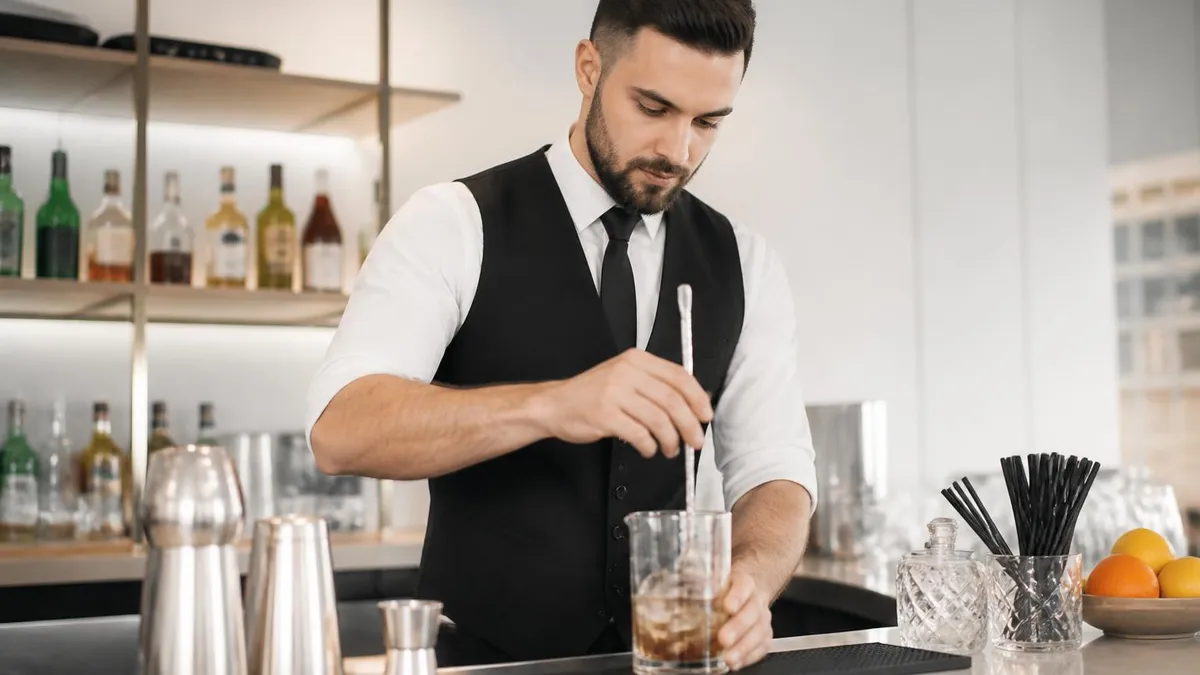
A bartender who quotes you a low price but cannot produce a certificate of insurance is exposing you to enormous personal liability under dram shop laws. If an intoxicated guest from your event causes harm on the way home, you can be sued. The savings are not worth the risk. Walk away from any operator who hesitates when you ask for proof of liquor liability coverage.
Event-day logistics are where amateur bartenders separate themselves from seasoned professionals. The single biggest variable is timing. A pro arrives ninety minutes before the first guest, walks the space, identifies power and water access, sets up the bar, chills all product, preps garnishes, builds a mise en place that will survive a four-hour rush, and is fully ready twenty minutes before service begins. An amateur shows up twenty minutes early and spends the first half hour of your event still slicing limes.
The bar location matters more than most hosts realize. Place the bar away from food stations to avoid cross-traffic, but close enough that guests do not feel they are hiking to get a drink. Avoid placing the bar near the entrance, where arrivals create a bottleneck.
Leave at least six feet of clearance behind the bar for the bartender to work and stage product, and another eight feet in front to allow a comfortable queue. If you are hosting in Los Angeles, the dynamics around space and timing can be especially tight; the guide on bartender jobs in Los Angeles offers useful context on how high-volume markets shape staffing expectations.
Ice is the most underestimated variable in private events. Plan for one and a half pounds per guest for a four-hour event, two pounds in warm weather, and even more if you are serving heavy on rocks drinks. Mixed ice — both cubed for service and crushed for blended drinks — is ideal. Many hosts make the mistake of buying ice the morning of and watching half of it melt before the cocktail hour starts. A good bartender will give you ice timing instructions a week out.
Glassware needs are similarly underestimated. The standard formula is two and a half glasses per guest for a four-hour event, accounting for the fact that guests will set drinks down, lose them, or switch styles partway through. If you are renting glassware, order one full extra rack as backup. If you are using plastic, choose heavier disposables that do not crack in someone's hand and feel halfway between paper-cup-cheap and rented-glass-elegant.
Cash flow at the bar is another planning question. Most private events run an open bar with no cash exchanged, but some hosts prefer a hosted-then-cash hybrid or a drink-ticket system. Discuss this with your bartender during booking. Also decide whether a tip jar is acceptable. Some hosts prefer to build gratuity into the bartender's fee and discourage tip jars; others welcome them. Either choice is fine, but make the call before guests arrive, not in the middle of cocktail hour.
Finally, plan the wind-down. A good event has a clear last-call moment thirty minutes before the contracted end time. The bartender should announce last call, top off any active drinks, then transition into breakdown. Coffee, water, and dessert often appear at this point, both to soften the energy curve and to support responsible service. A clean handoff from open bar to closing is one of the small details that separates a polished event from a chaotic one.
If you are coordinating with caterers, photographers, and DJs, share the bartender's contact information with all of them ahead of time. Pros want to coordinate with the rest of the vendor team, especially the catering captain, because their timing affects each other. A short group text the week of the event prevents most day-of confusion.
The practical tips that follow come from hundreds of private events where things either went perfectly or went sideways. Start with the menu. A focused menu of six to eight drink options serves guests faster and reduces waste compared to a twenty-item menu that tries to please everyone. Pick two beers, two wines, two signature cocktails, and a non-alcoholic option. Limited menus do not feel limiting to guests; they feel curated. Speed of service goes up, and the bartender can deliver consistent quality on every pour.
Tipping etiquette is one of the most common host questions in 2026. Standard practice is to budget eighteen to twenty-two percent of the bartender's contracted fee as gratuity, paid in cash at the end of the event or added to the final invoice. If the contract already includes a service charge, ask whether that money goes to the bartender or stays with the company. Many service charges are revenue for the operator and do not reach the bartender. A direct cash tip removes that ambiguity and is always appreciated.
The shopping list deserves attention even if you are buying alcohol yourself. A solid private bartender will produce a quantified list a week before the event: bottles of vodka, gin, tequila, whiskey, vermouth, bitters, mixers, juices, garnishes, and specialty items for any signature cocktails. The list should include brand suggestions at multiple price tiers, not just top-shelf. Buying from a warehouse club or a wholesaler that allows returns on unopened bottles can save fifteen to twenty-five percent on the alcohol budget. Many states allow returns; some do not. Confirm before you over-buy.
Weather contingencies matter for outdoor events. A summer wedding in July needs misting fans behind the bar, ice replenishment every two hours, and a tent over the bartender's station to prevent sun glare on glassware. A winter event needs a heated tent or indoor bar location, plus consideration for guests waiting in line outside. The contract should specify what happens if weather forces a relocation, including who pays for additional equipment or labor required by the change of plan.
Communication on the day of the event should funnel through one person, not five. Designate a point of contact — usually the host, a wedding planner, or a corporate coordinator — who can answer questions and make decisions in real time. Bartenders should not be making timing or service decisions on their own once the event starts. They should execute the plan agreed to in advance and escalate anything new to the point of contact. This single rule prevents most of the day-of chaos that drags down otherwise well-planned events.
Finally, plan for the unexpected. Things that go wrong at private events: caterers run late, the venue's power circuit blows, a key vendor cancels, RSVPs are off by twenty percent in either direction, or a surprise guest brings a complicated dietary restriction. The best bartenders absorb these problems and keep the bar humming regardless. The best hosts work with bartenders who have proven they can do exactly that. The references and vetting work you did at the front of this process is what pays off when the unexpected arrives.
Book early, vet thoroughly, contract clearly, communicate openly, and tip generously. Those five habits separate hosts who hire great bartenders once from hosts who build long-term relationships with the best operators in their market and get priority booking forever after.
Bartender Bartender Questions and Answers
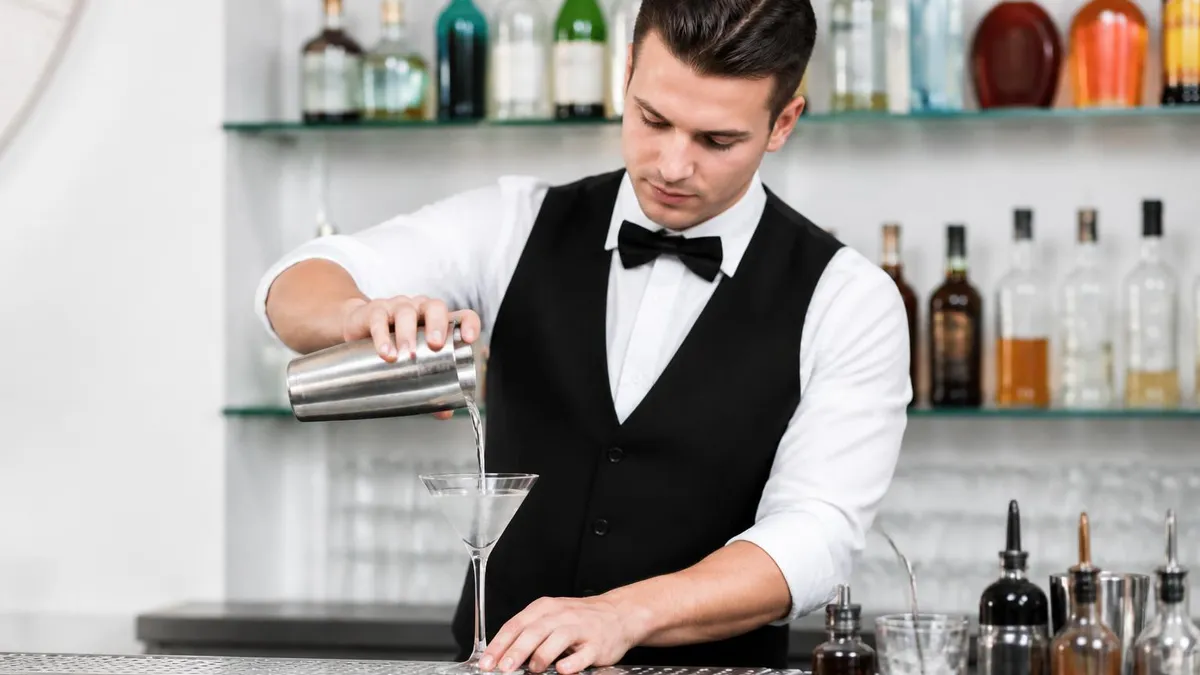
Wisconsin Bartending License: Operator's License Guide 2026
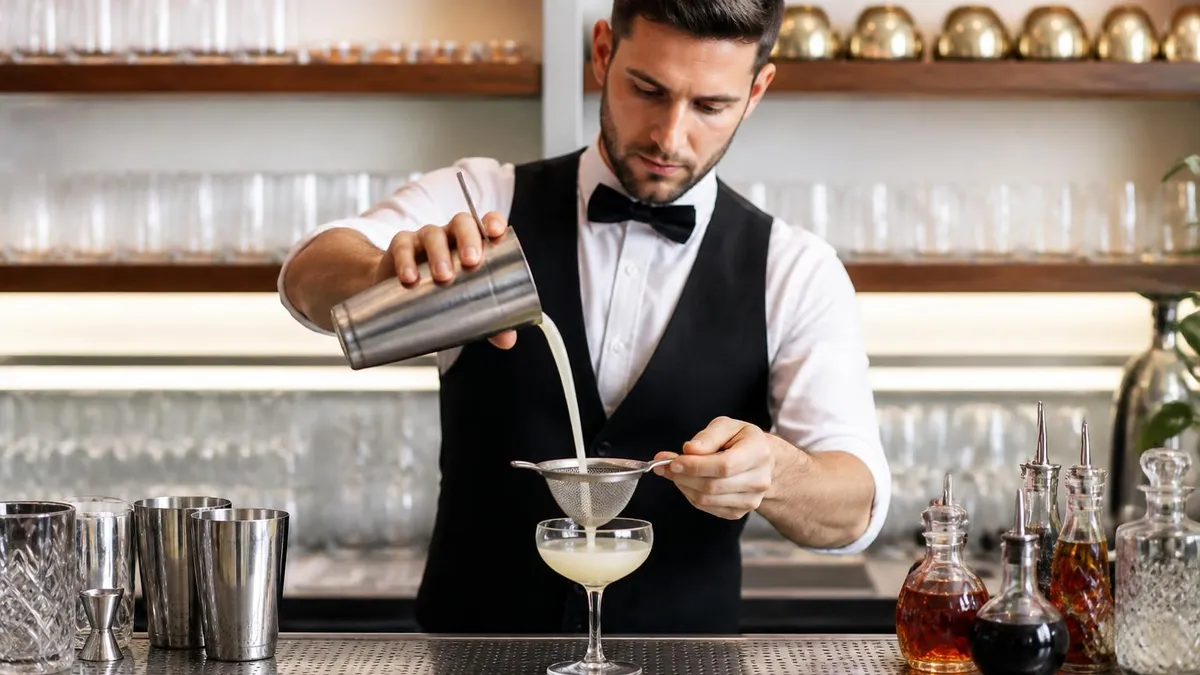
Bartender Jobs in Los Angeles: 2026 Guide to Pay, Hiring Hotspots, and Landing the Gig
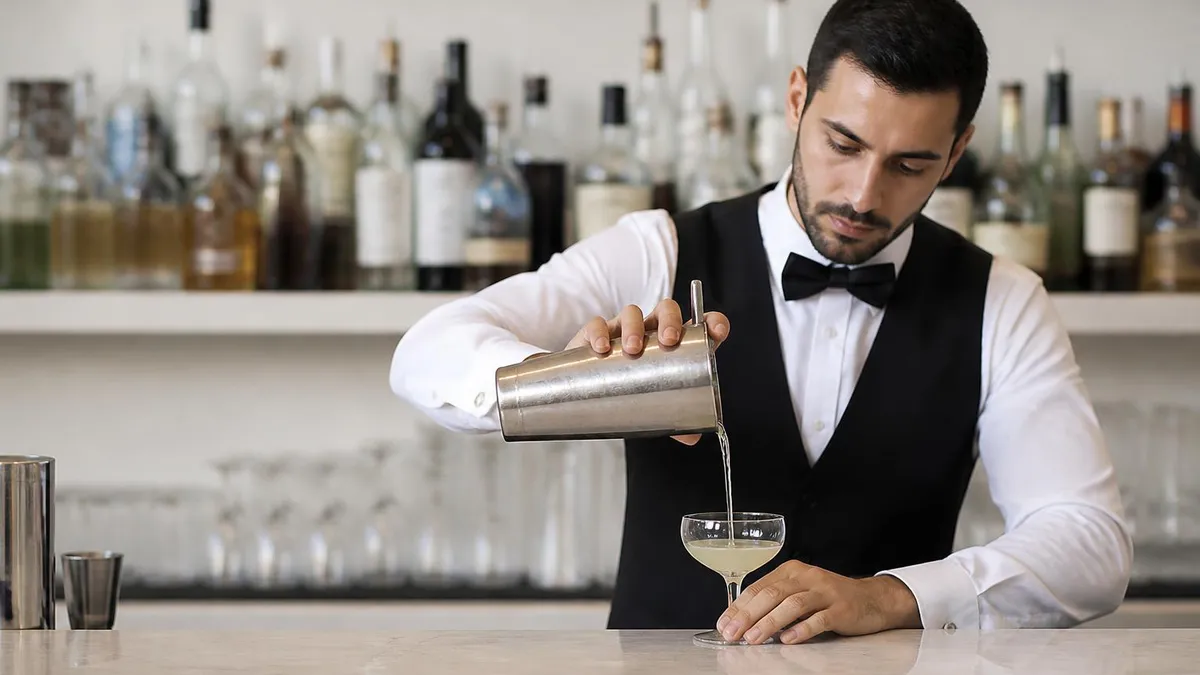
Bartender Career FAQ: Pay, OLCC Rules and Must-Know Drinks
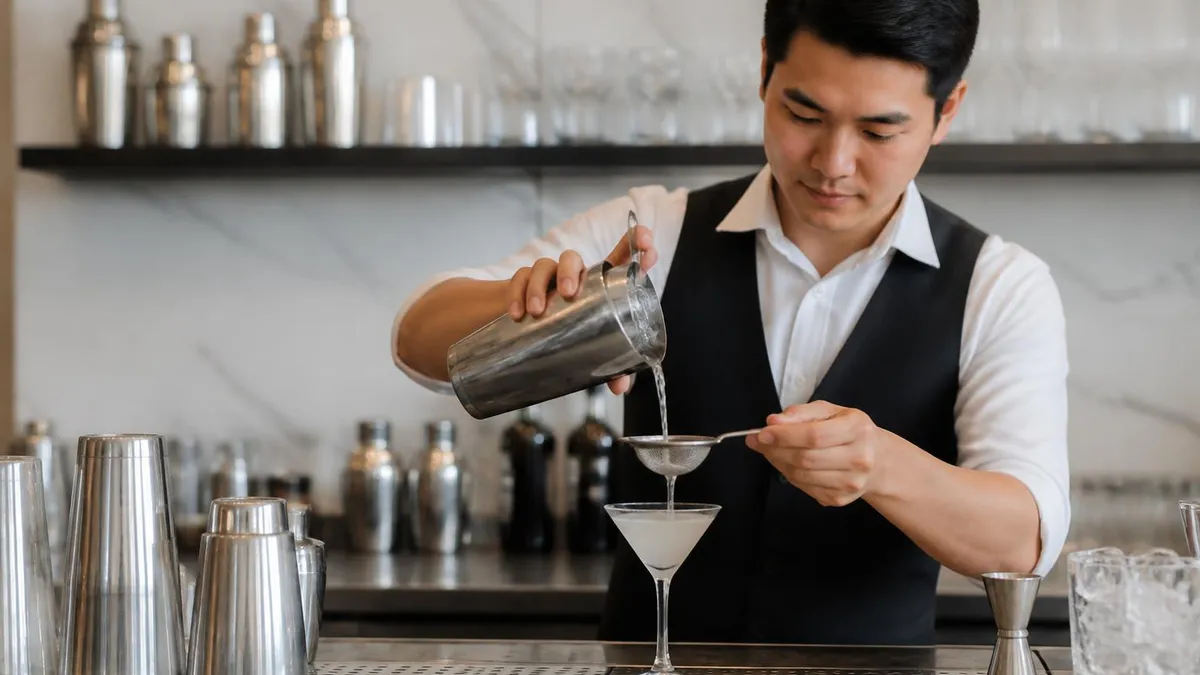
Mobile Bartender Services: Costs, Booking & What to Expect
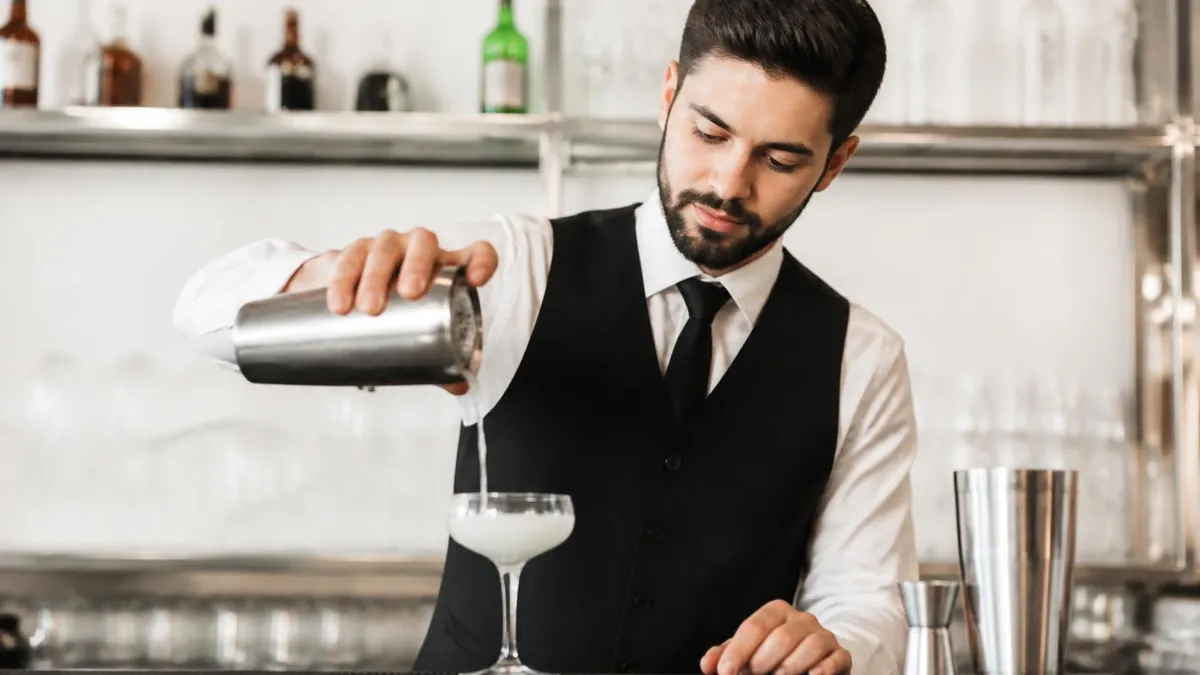
How to Become a Bartender: Steps, Skills, and Realistic Path
About the Author
Executive Chef & Culinary Arts Certification Educator
Culinary Institute of AmericaChef Marco Bellini is a Certified Executive Chef and graduate of the Culinary Institute of America with over 20 years of professional kitchen experience in Michelin-recognized restaurants. He teaches culinary arts certification, food safety, and hospitality exam preparation, having guided thousands of culinary students through their ServSafe, ProStart, and professional chef certifications.
Join the Discussion
Connect with other students preparing for this exam. Share tips, ask questions, and get advice from people who have been there.
View discussion (7 replies)