
Bartender Age Requirements: Complete Certification & Licensing Guide for 2026 October
Bartender age requirements vary by state from 18 to 21. Complete guide to certification, licensing, training costs, and legal rules for 2026 October. 💡

Bartender age requirements are the first and most fundamental hurdle anyone considering a career behind the bar must clear, and the rules are not uniform across the United States. Depending on the state where you plan to work, the minimum legal age to serve alcohol ranges from 18 to 21, with several jurisdictions imposing additional conditions about supervision, the type of establishment, and whether the bartender can mix drinks versus simply pour beer and wine. Understanding these baseline rules is critical before you invest time or money in certification courses.
The patchwork of state laws exists because alcohol regulation in the United States is governed primarily at the state level under the 21st Amendment, which repealed Prohibition in 1933. States like New York, Texas, and Florida allow 18-year-olds to bartend, while California requires bartenders to be at least 21 to serve spirits without supervision. Some states distinguish between serving alcohol at a sit-down restaurant and tending bar at a nightclub, with different age thresholds applying depending on the venue's primary purpose.
Beyond age, certification has become an increasingly standardized requirement across the industry. Programs like TIPS, ServSafe Alcohol, TABC in Texas, and BASSET in Illinois teach responsible beverage service, fake ID detection, intervention strategies for intoxicated patrons, and dram shop liability basics. While not every state mandates formal certification, the majority of employers now require it as a condition of hire because it dramatically reduces their legal exposure and insurance premiums.
The financial commitment to becoming a certified bartender is modest compared to other licensed professions. Most online responsible-service courses run between $10 and $40, take two to four hours to complete, and produce a printable certificate the same day. Hands-on bartending schools that teach actual cocktail mixing, speed-pouring, and bar mechanics typically cost $300 to $700 for a two-week program and are entirely optional for licensing purposes, though many newcomers find them valuable for landing higher-end positions.
This guide walks through every angle of the certification and licensing question for 2026: state-by-state age rules, required permits, the differences between major certification programs, what each exam covers, how long credentials remain valid, and how to handle multi-state work or reciprocity. Whether you are a college student looking for flexible work, a career-changer eyeing the hospitality industry, or a hiring manager trying to standardize your team's compliance, this document provides the operational detail you need.
You should also expect to encounter rules that have nothing to do with age but everything to do with eligibility. Most states perform a background check that flags felony convictions involving violence, theft, or controlled substances. A handful of states also bar applicants who have had an alcohol-related license revoked within the past three to five years. For a deeper look at finding work after you are certified, see our breakdown on Bartender Near Me, which covers local hiring channels and what employers screen for.
The information below reflects 2026 regulatory updates, including changes to several state seller-server laws that took effect on January 1. Treat this article as a working reference rather than a one-time read — bookmark the sections relevant to your state and return to it before any move, license renewal, or job change. Compliance failures can cost you a $500 to $4,000 fine, a suspended permit, and a criminal record that follows you to every future hospitality employer.
Bartender Certification by the Numbers
Key Facts at a Glance
| Item | Value | Details |
|---|---|---|
| Minimum Age Range | 18-21 | Varies by state and venue |
| Online Course Cost | $10-$40 | For responsible-service certs |
| Typical Renewal Cycle | 2-3 yrs | Varies by issuing state |
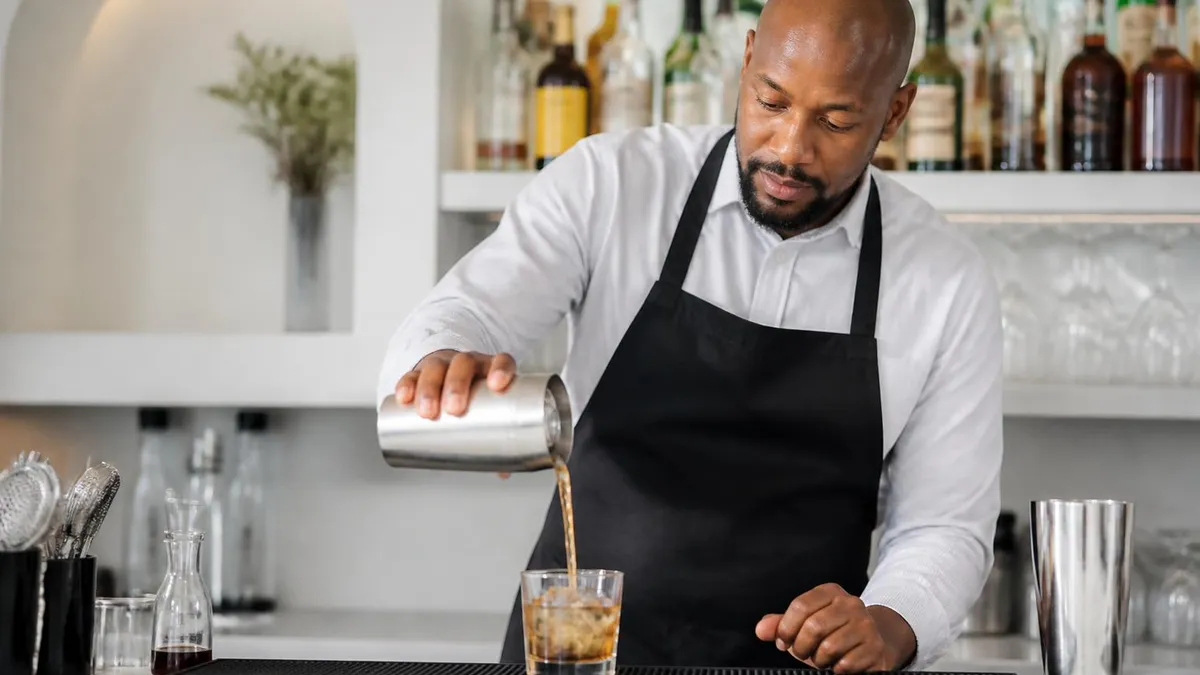
State-by-State Age Requirements at a Glance
New York, Texas, Florida, Illinois, Missouri, Wisconsin, and roughly 20 other states permit 18-year-olds to bartend without restriction. Some require supervisor approval or a registered manager on premises during the shift, but the core legal threshold is age 18.
A small group, including Alabama, Nebraska, and Utah for certain venues, sets the minimum at 19 or 20. These thresholds usually reflect compromise legislation from the 1980s when the national drinking age moved to 21 but service-age rules lagged behind.
Nevada, Alaska, Delaware, North Dakota, and Oregon require bartenders to be at least 21. In these states, anyone younger may bus tables, take food orders, or serve beer at a restaurant table but cannot stand behind a bar pouring spirits.
California and several other states tier the rules by establishment type. A 21-year-old can tend bar at a nightclub, but an 18-year-old may serve beer and wine at a sit-down restaurant where alcohol is incidental to the meal. Always confirm with the local ABC office.
Bartending on federal land — military bases, national parks, certain tribal venues — sometimes follows federal regulations rather than state law. Active-duty service members and dependents may bartend at age 18 on base regardless of the surrounding state's rule.
Certification programs designed for bartenders fall into two broad families: responsible-beverage-service certifications, which every state recognizes in some form, and skill-based bartending school certificates, which carry no legal weight but signal craft competency to employers. Confusing these two categories is the single most common mistake new bartenders make when investing in their credentials, because spending $700 on a mixology school does not get you legally cleared to pour drinks in Texas — but completing a $11 TABC course does.
TIPS, short for Training for Intervention Procedures, is the gold standard in responsible-service certification and is accepted in over 40 states. The online TIPS course runs about three hours, costs $40, and covers blood alcohol concentration math, signs of intoxication, fake-ID identification, refusal techniques, and the legal consequences of over-service. The final exam includes 40 multiple-choice questions, requires a 70 percent passing score, and certifies you for three years.
ServSafe Alcohol is the other dominant national program, developed by the National Restaurant Association. It mirrors TIPS in scope but uses slightly different terminology and offers more emphasis on food-and-beverage integration, making it the preferred choice at hotel restaurants and chain dining operations. The course costs $30, takes about four hours, and is good for three years in most states. Many states accept either TIPS or ServSafe interchangeably.
State-specific programs exist where the local liquor authority demands content not covered in national courses. Texas requires TABC seller-server certification, Illinois mandates BASSET, Utah operates its own DABC program, and Washington administers the MAST permit. These state programs run $11 to $30, take two to four hours, and remain valid for two to three years. Out-of-state credentials are sometimes accepted as substitutes, but you should always verify with the issuing authority before relying on reciprocity.
Bartending schools — Harvard Bartending Course, ABC Bartending, the New York Bartending School, and dozens of regional academies — teach cocktail recipes, free pour technique, bar setup, garnish prep, and customer-service patter. A typical two-week program costs $400 to $700, includes 40 hours of behind-the-bar practice, and ends with a graduation certificate. These credentials are entirely optional and carry zero legal weight, but they can shorten your job search at upscale venues that want polished hires.
Online versus in-person delivery has become almost a non-issue since 2020. State regulators now accept fully remote certification across the board for responsible-service training, with the proctored exam often handled through webcam monitoring or photo-ID verification at the end. For hands-on bartending technique, in-person remains superior because you cannot learn shaking, stirring, or rapid drink building from a video alone — though many schools now blend recorded lectures with live lab sessions.
If you are weighing certification as part of a longer career strategy, take a look at our overview of bartending techniques for a sense of the physical skills employers expect once you arrive on the job. Certification opens the door; technique keeps it open. The combination of a clean legal record, a current responsible-service certificate, and demonstrable bar mechanics will land interviews at virtually any venue from a neighborhood pub to a high-volume nightclub.
Bartender Practice Test Questions
Prepare for the Bartender Certification exam with our free practice test modules. Each quiz covers key topics to help you pass on your first try.
Bartender Certification Bar Inventory and ...
Bartender Exam Questions covering Certification Bar Inventory and Cost Control. Master Bartender Test concepts for certification prep.
Bartender Certification Bar Law and Liquor...
Free Bartender Practice Test featuring Certification Bar Law and Liquor Regulations. Improve your Bartender Exam score with mock test prep.
Bartender Certification Bar Sanitation and...
Bartender Mock Exam on Certification Bar Sanitation and Safety. Bartender Study Guide questions to pass on your first try.
Bartender Certification Bar Setup and Orga...
Bartender Test Prep for Certification Bar Setup and Organization. Practice Bartender Quiz questions and boost your score.
Bartender Certification Bar Tools and Glas...
Bartender Questions and Answers on Certification Bar Tools and Glassware. Free Bartender practice for exam readiness.
Bartender Certification Basic
Bartender Mock Test covering Certification Basic. Online Bartender Test practice with instant feedback.
Bartender Certification Cocktail Recipes a...
Free Bartender Quiz on Certification Cocktail Recipes and Techniques. Bartender Exam prep questions with detailed explanations.
Bartender Certification Customer Service a...
Bartender Practice Questions for Certification Customer Service and Sales. Build confidence for your Bartender certification exam.
Bartender Certification Customer Service S...
Bartender Test Online for Certification Customer Service Skills. Free practice with instant results and feedback.
Bartender Certification Mixology Fundamentals
Bartender Study Material on Certification Mixology Fundamentals. Prepare effectively with real exam-style questions.
Bartender Certification Responsible Alcoho...
Free Bartender Test covering Certification Responsible Alcohol Service. Practice and track your Bartender exam readiness.
Bartender Certification Spirits, Beer, and...
Bartender Exam Questions covering Certification Spirits, Beer, and Wine. Master Bartender Test concepts for certification prep.
Bartender Certification Spirits, Liqueurs,...
Free Bartender Practice Test featuring Certification Spirits, Liqueurs, and Cocktails. Improve your Bartender Exam score with mock test prep.
Bartender Responsible Alcohol Service
Bartender Mock Exam on Responsible Alcohol Service. Bartender Study Guide questions to pass on your first try.
Bartender Spirits, Liqueurs, and Cocktails
Bartender Test Prep for Spirits, Liqueurs, and Cocktails. Practice Bartender Quiz questions and boost your score.
Bartender Bar Sanitation and Safety
Bartender Questions and Answers on Bar Sanitation and Safety. Free Bartender practice for exam readiness.
Bartender Bar Setup and Organization
Bartender Mock Test covering Bar Setup and Organization. Online Bartender Test practice with instant feedback.
Bartender Bar Tools and Glassware
Free Bartender Quiz on Bar Tools and Glassware. Bartender Exam prep questions with detailed explanations.
Bartender Basic
Bartender Practice Questions for Basic. Build confidence for your Bartender certification exam.
Bartender Cocktail Recipes and Techniques
Bartender Test Online for Cocktail Recipes and Techniques. Free practice with instant results and feedback.
Bartender Customer Service and Sales
Bartender Study Material on Customer Service and Sales. Prepare effectively with real exam-style questions.
Bartender Customer Service Skills
Free Bartender Test covering Customer Service Skills. Practice and track your Bartender exam readiness.
Legal Obligations Every Certified Bartender Must Know
Dram shop laws hold bartenders and their employers civilly liable for damages caused by patrons who were over-served. If you continue pouring drinks for someone clearly intoxicated and they later cause a drunk-driving accident, the injured party can sue the establishment — and sometimes the individual bartender — for medical costs, lost wages, and punitive damages. Settlements routinely exceed $1 million in fatality cases.
Forty-three states currently have active dram shop statutes, with the strictest enforcement in New Jersey, Texas, and Pennsylvania. Your responsible-service certificate is the single best legal shield because it documents that you received training on intoxication signs and refusal procedures. Keep a copy of your certificate accessible and ensure your manager has logged it in the employee file.

Pursuing Bartender Certification: Pros and Cons
- +Online courses cost as little as $10 and take only 2-4 hours
- +Certification dramatically reduces personal liability exposure
- +Most employers refuse to interview uncertified candidates
- +Credentials are valid for 2-3 years before renewal
- +Many states allow reciprocity for similar programs
- +Certificate qualifies you for hospitality jobs nationwide
- +Demonstrates professionalism and improves wage negotiation
- −State rules vary widely and require careful research
- −Recertification fees recur every two to three years
- −Some states do not honor out-of-state credentials
- −Background checks may disqualify applicants with felonies
- −Certification alone does not teach actual mixing skills
- −Age requirements still block applicants under 21 in some states
Bartender Certification Application Checklist
- ✓Confirm minimum age requirement in your state of intended employment
- ✓Verify which certification programs your state accepts (TIPS, ServSafe, state-specific)
- ✓Gather government-issued photo ID for online course verification
- ✓Allocate 2-4 uninterrupted hours for the responsible-service course
- ✓Pay the course fee by credit card or money order ($10-$40 typical)
- ✓Pass the final exam with at least a 70 percent score on the first attempt
- ✓Download and print your certificate immediately upon completion
- ✓Submit your certificate to your employer's HR or compliance office
- ✓Apply for any required state seller-server permit at the ABC office
- ✓Calendar the renewal date 60 days before your certificate expires
The $30 Insurance Policy
A single dram shop lawsuit can end a hospitality career and result in personal judgments exceeding $250,000. Your responsible-service certificate is contemporaneous proof you were trained to recognize and refuse over-service — the single most powerful defense in civil and criminal proceedings. Thirty dollars and three hours of training is the cheapest career insurance in the industry.
Costs, renewals, and processing timelines vary enormously depending on which credentials you are stacking and where you work. The minimum financial commitment for a new bartender in a permissive state like Florida or New York is roughly $30 for an online TIPS or ServSafe course plus a $10 to $25 photo-ID fee if the state requires its own permit card. Total out-of-pocket: under $60 and under one day of processing time. That is the floor.
The ceiling looks very different. In Washington State, the MAST permit is bundled with Class 12 mixologist and Class 13 server tiers, each requiring separate fees and the higher Class 12 tier mandating five hours of additional coursework. In Utah, the DABC license process can take six weeks because of fingerprint-based background checks routed through the state Bureau of Criminal Identification. Budget $150 and 30 to 45 days if you are working in a state with rigorous vetting.
Renewal cycles cluster around two patterns. Most national certifications — TIPS, ServSafe — expire after three years and require a full re-take of the course and exam, not a shortened refresher. State permits more commonly expire after two years and may offer a discounted renewal course (typically 50 percent off the original fee) if you complete it within 30 days of expiration. Missing the window forces you back into the full-price new-applicant track.
Background checks are the wildcard that derails timelines for applicants with prior records. A pending court case, an unresolved warrant, or even an old DUI from a decade ago can pause your application for weeks while the state liquor authority pulls records and decides whether to grant a discretionary waiver. Applicants with felonies involving violence, theft, drugs, or alcohol should expect either outright denial or a formal hearing process that adds two to four months.
Reciprocity between states is improving but remains inconsistent. The Compact for Responsible Beverage Service Training, an industry-led effort, now lists 28 states that accept TIPS or ServSafe certificates from any other participating jurisdiction. Outside that compact, you must obtain the local credential even if you are simply visiting for a temporary catering gig or wedding service. A traveling bartender who works festivals should maintain certifications in their three or four most common states simultaneously.
Multi-credential professionals often combine a national responsible-service certificate with state-specific permits and a bartending school diploma. Stacked together, this trio costs $400 to $800 and takes three to six weeks from start to finish. The investment unlocks higher-tier venues — upscale hotels, country clubs, fine-dining restaurants — where uncertified or single-credential candidates rarely make it past the initial resume screen.
Track every credential's expiration date in a calendar app with 90-, 60-, and 30-day warning alerts. Hospitality HR departments do not chase down employees with expired certifications; they remove them from the schedule until the documentation is current. A lapsed certificate can mean two to three weeks of lost shifts at $200 to $400 per shift — far more than the recertification fee you were trying to delay paying.
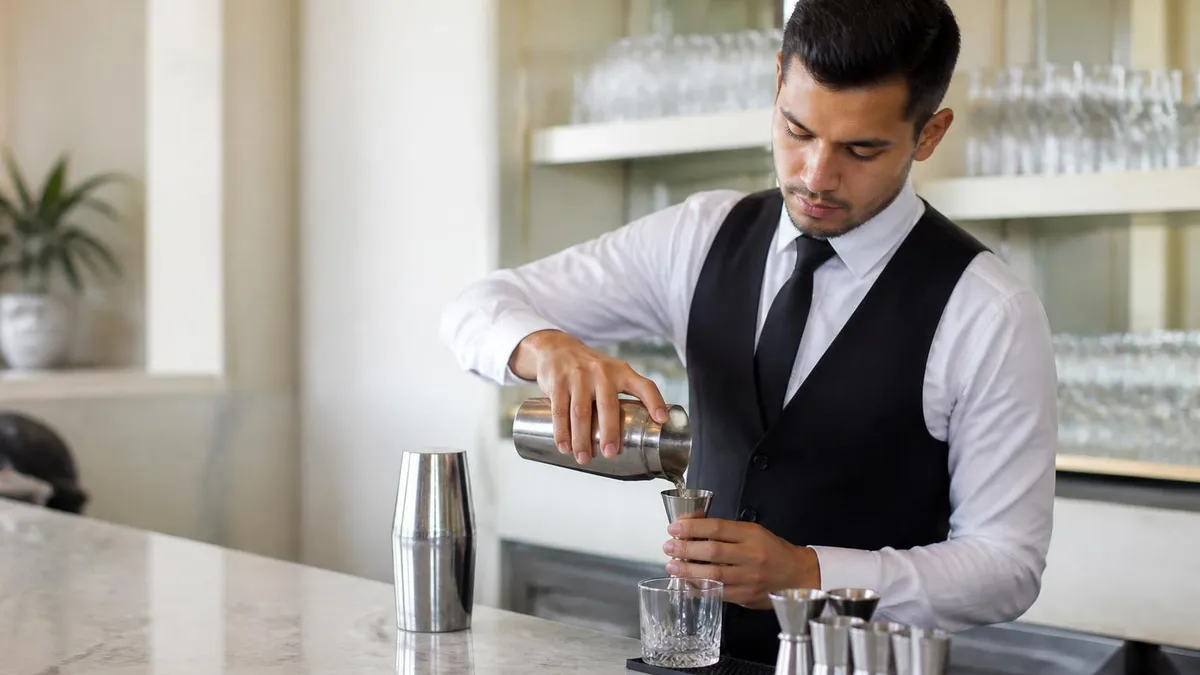
Most states automatically deny bartender permits to applicants with felony convictions involving alcohol, controlled substances, theft, or violence within the past five years. A handful of states impose lifetime bans for certain sex offenses or alcohol-related vehicular fatalities. Always disclose history honestly on your application — lying on the form is itself grounds for denial and may carry separate criminal penalties.
A bartender certification is not the destination — it is the entry visa. Once you hold a current responsible-service credential and meet your state's age threshold, you have access to a career path with surprising depth, mobility, and earning potential. Entry-level bartenders at neighborhood bars typically earn $25 to $35 per hour including tips, while top performers at high-volume nightclubs, hotel bars, and resort properties can clear $80,000 to $120,000 annually before benefits and stock-tip pools.
The first 12 months after certification are the steepest learning curve. New bartenders should expect to start as a barback or service-well bartender, building speed, memorizing 50 to 75 cocktail recipes, and developing the muscle memory for free pouring within a tenth of an ounce. Most managers will not promote a new hire to the main bar until they can comfortably execute eight to ten drinks per minute during a Friday-night rush without losing accuracy.
Specialization opens the door to higher pay tiers. Craft cocktail bartenders who can speak fluently about agave classifications, amari families, and barrel-aging develop a following that travels with them between venues. Sommelier-trained bartenders earn premiums at wine-forward restaurants. Flair bartenders, who incorporate bottle juggling and showmanship into service, command premium hourly rates at corporate events and resort properties where entertainment is part of the offering.
Geographic mobility is one of the underrated benefits of the credential. A TIPS or ServSafe certificate, combined with the appropriate local permit, transfers easily across most metro markets. Bartenders working seasonally at resort towns — ski hubs in winter, beach destinations in summer — can build annual incomes well above $90,000 by chasing peak tourist traffic. Cruise ships, private yachts, and corporate event firms hire experienced certified bartenders for short contracts at premium daily rates.
Management progression typically begins at the lead bartender or bar manager level around year three. Bar managers earn $55,000 to $85,000 with profit-sharing or bonus structures tied to liquor cost control and revenue growth. Beverage directors at multi-unit groups can clear $120,000 with equity participation. The credentials you stack along the way — sommelier levels, Cicerone for beer programs, WSET for wine — compound the salary trajectory significantly.
Entrepreneurship is the final tier. Many career bartenders eventually open their own bars, consult on cocktail program development, or launch mobile bartending services for weddings and corporate events. Mobile services in particular have exploded since 2020 and offer a low-overhead path to ownership. Our guide on Bartender for Hire walks through the pricing models, insurance requirements, and booking platforms that operators use to scale these businesses to six-figure revenue.
Whatever path you choose, the certification you earn at the start of your career remains the legal foundation that authorizes everything else. Keep it current, document every employment relationship in writing, and treat compliance as seriously as you treat your craft. The bartenders who build the longest, most lucrative careers are invariably the ones who never let their credentials lapse and who treat the legal side of the job with the same precision they bring to a perfectly stirred Manhattan.
Practical exam preparation deserves its own focused approach because passing the responsible-service final is not difficult if you actually engage with the material, but is surprisingly easy to fail if you treat it as a click-through formality. The TIPS exam, for example, is 40 questions with a 70 percent pass requirement, meaning you can miss up to 12 questions. The traps cluster around blood-alcohol concentration math, intervention sequence steps, and edge-case scenarios involving regular customers or VIPs.
Set aside a single uninterrupted block of three to four hours for the course. Splitting it across multiple days reduces retention, and most platforms penalize you for excessive idle time by logging you out and forcing you to restart sections. Use a desktop or laptop with a stable internet connection — mobile completions are technically allowed on most platforms but the small screen makes scenario videos harder to follow and increases your error rate on the exam.
Take notes by hand as you progress. The act of writing down BAC calculations, refusal scripts, and the visible signs of intoxication moves the material from passive recognition into active recall, which is exactly what the exam tests. Pay particular attention to the difference between standard drink sizes — one shot of 80-proof spirits, five ounces of wine, and twelve ounces of beer each contain approximately 0.6 ounces of pure alcohol — because BAC math questions appear repeatedly.
Practice questions are the single best preparation tool. Most certification providers offer 50 to 100 practice items either bundled with the course or available as separate study packs. Work through them at least twice before attempting the final, and review the explanations behind every wrong answer rather than simply noting the correct one. The exam reuses question patterns even when the specific facts vary, so building familiarity with the question logic pays off directly.
If you fail the first attempt, almost every provider allows a free or low-cost retake within 30 days. Use the time between attempts to specifically target the topics where you scored weakest — the result screen typically breaks down performance by domain. Common weak areas include dram shop liability specifics, the legal age math for fake-ID detection, and the precise refusal-of-service protocol your state mandates. Do not rush the retake; failing twice can flag your application for additional review.
On the day of any in-person component or practical assessment, dress as you would for a job interview at a mid-tier hotel. Black slacks, a pressed button-down shirt or blouse, polished closed-toe shoes, and minimal jewelry signal professionalism to the proctor and any observing instructors. Hair tied back, fingernails short and clean, and no strong fragrances — these are bar industry standards and reflect the operational reality of the work you will perform.
Finally, plan your post-certification first 30 days deliberately. Update your resume to include the credential, the date earned, and the issuing body. Apply to at least 15 venues in your target market within the first week to capitalize on the credential momentum. Many bartenders make the mistake of earning the certificate and then sitting on it for months while pondering next steps — meanwhile their newer competitors with identical credentials are already three weeks into a paying shift schedule.
Sample Bartender Certification Practice Questions
Try these questions from our free Bartender Certification practice tests. The correct answer and an explanation follow each question.
A patron presents an ID that appears to have an altered date of birth. What should a bartender do?
- A. Refuse service and confiscate or decline to return the ID per state law
- B. Accept it if the photo looks like the customer
- C. Call the police immediately in all cases
- D. Ask the patron to return with a different ID and serve them in the meantime
Answer: A. Refuse service and confiscate or decline to return the ID per state law
A bartender should refuse service when an ID appears tampered with or altered. Depending on state law, bartenders may be permitted or required to confiscate the ID. Serving a minor on a fake ID can result in serious legal penalties.
Which behavior is the most appropriate way for a bartender to refuse service to a visibly intoxicated customer?
- A. Speak calmly and privately, explain you cannot serve more alcohol, and offer water or food
- B. Loudly announce to the bar that the customer is cut off
- C. Argue with the customer until they leave
- D. Ask another bartender to serve them instead
Answer: A. Speak calmly and privately, explain you cannot serve more alcohol, and offer water or food
The best practice is to refuse service in a calm, respectful, and private manner. This reduces the risk of confrontation, preserves the patron's dignity, and maintains a safe environment for all guests.
A bartender notices a small puddle of sticky liquid on the floor behind the bar near the soda gun, along with a few fruit flies. Which of the following is the most immediate and appropriate action to take?
- A. Ignore it until the end of the shift, as it's a low-traffic area.
- B. Spray insecticide in the area to eliminate the fruit flies quickly.
- C. Clean the spill immediately, check the soda gun for leaks, and set a pest trap.
- D. Inform the manager but continue serving drinks as normal.
Answer: C. Clean the spill immediately, check the soda gun for leaks, and set a pest trap.
Spills, especially sugary ones, attract pests like fruit flies and create slip hazards. The most appropriate action is to address the root cause immediately by cleaning the spill, inspecting for equipment malfunctions like a leaking soda gun, and implementing pest control measures. This prevents the problem from worsening and maintains a safe and sanitary environment.
What is the primary goal of TIPS (Training for Intervention ProcedureS) certification?
- A. To teach bartenders how to increase drink sales through suggestive techniques
- B. To train servers and bartenders to prevent intoxication, impaired driving, and underage drinking through responsible alcohol service
- C. To certify bartenders in advanced mixology techniques
- D. To provide licensing for bars to serve alcohol past midnight
Answer: B. To train servers and bartenders to prevent intoxication, impaired driving, and underage drinking through responsible alcohol service
TIPS certification trains hospitality professionals to recognize signs of intoxication, prevent over-service, handle difficult refusal situations, and reduce alcohol-related harm.
Bartender Bartender Questions and Answers
Bartender Near Me: How to Find, Vet, and Hire a Local Bartender in 2026
Wisconsin Bartending License: Operator's License Guide 2026
Shot Bartending Techniques: The Complete Guide to Speed, Style, and Service Behind the Bar
Bartender for Hire: How to Book, Pricing Guide, and What to Expect in 2026
Bartending License Florida: Complete Certification & Permit Guide for 2026
About the Author
Executive Chef & Culinary Arts Certification Educator
Culinary Institute of AmericaChef Marco Bellini is a Certified Executive Chef and graduate of the Culinary Institute of America with over 20 years of professional kitchen experience in Michelin-recognized restaurants. He teaches culinary arts certification, food safety, and hospitality exam preparation, having guided thousands of culinary students through their ServSafe, ProStart, and professional chef certifications.
Join the Discussion
Connect with other students preparing for this exam. Share tips, ask questions, and get advice from people who have been there.
View discussion (7 replies)