

SAW Practice Test
Updated for October 2026Submerged Arc Welding (SAW) is a highly efficient and precise welding process used in industries such as manufacturing, shipbuilding, and construction. With its ability to create deep welds with minimal spatter, it is an essential technique in many industrial applications. Achieving Submerged Arc Welding Certification demonstrates a welder’s proficiency and mastery of this specialized welding technique. This article explores the significance of SAW certification, the benefits it offers, the certification process, and more.
SAW Practice Test Questions
Prepare for the SAW - Submerged Arc Welding Certification exam with our free practice test modules. Each quiz covers key topics to help you pass on your first try.
SAW Advanced Diagnostics & Troubleshooting
SAW Exam Questions covering Advanced Diagnostics & Troubleshooting. Master SAW Test concepts for certification prep.
SAW Computer Systems & Software Updates
Free SAW Practice Test featuring Computer Systems & Software Updates. Improve your SAW Exam score with mock test prep.
SAW Electrical Systems & Wiring
SAW Mock Exam on Electrical Systems & Wiring. SAW Study Guide questions to pass on your first try.
SAW Emissions Control & Environmental Comp...
SAW Test Prep for Emissions Control & Environmental Compliance. Practice SAW Quiz questions and boost your score.
SAW Engine Performance & Tuning
SAW Questions and Answers on Engine Performance & Tuning. Free SAW practice for exam readiness.
SAW Equipment Setup & Operation
SAW Mock Test covering Equipment Setup & Operation. Online SAW Test practice with instant feedback.
SAW Flux Types & Wire Selection
Free SAW Quiz on Flux Types & Wire Selection. SAW Exam prep questions with detailed explanations.
SAW Metallurgy & Weld Quality Inspection
SAW Practice Questions for Metallurgy & Weld Quality Inspection. Build confidence for your SAW certification exam.
SAW Preventive Maintenance Procedures
SAW Test Online for Preventive Maintenance Procedures. Free practice with instant results and feedback.
SAW Safety Procedures & Troubleshooting
SAW Study Material on Safety Procedures & Troubleshooting. Prepare effectively with real exam-style questions.
SAW Safety Systems & Standards
Free SAW Test covering Safety Systems & Standards. Practice and track your SAW exam readiness.
Key Takeaways:
Free SAW Practice Test Online
Submerged Arc Welding (SAW) is a specialized welding process that is often used in heavy industries for high-quality, deep welds.
Obtaining Submerged Arc Welding Certification validates a welder’s expertise and can improve career prospects.
The certification process involves both practical and theoretical assessments to ensure mastery of SAW techniques.
The benefits of certification include improved job opportunities, higher wages, and enhanced industry credibility.
What is Submerged Arc Welding (SAW)?
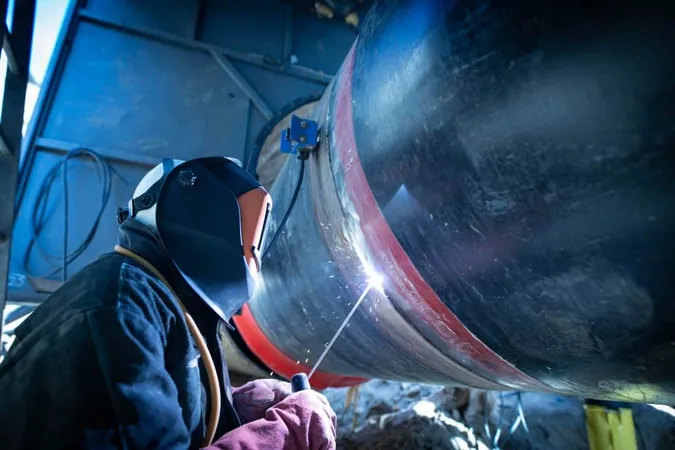
Submerged Arc Welding (SAW) is an arc welding process that uses a continuously fed electrode wire, submerged beneath a blanket of flux. The process is known for its ability to produce clean, deep welds with minimal spatter. The flux serves to shield the weld area from atmospheric contamination, allowing for a higher-quality weld compared to other processes.
Core Benefits of Submerged Arc Welding Certification
Obtaining a Submerged Arc Welding Certification offers multiple advantages to welders and employers alike:
Career Advancement: Certified welders are often given preference in hiring and promotions within industries requiring SAW.
Increased Earning Potential: Certified professionals typically earn higher wages due to their specialized skills.
Industry Recognition: Certification is a validation of a welder’s expertise and competence, which enhances their credibility in the field.
Safety and Precision: Certification ensures that the welder is skilled in producing high-quality, precise, and safe welds that meet industry standards.
Certification Process: What to Expect
The certification process for Submerged Arc Welding typically involves the following steps:
Training: Enroll in a recognized training program where you will learn the principles of SAW, including equipment operation, safety procedures, and welding techniques.
Practical Assessment: The hands-on portion of the certification assesses a welder's ability to perform specific SAW techniques in a controlled environment.
Theoretical Exam: The theoretical exam covers essential concepts such as welding theory, safety, and equipment knowledge.
Certification Issuance: Upon successful completion of both practical and theoretical exams, the welder is awarded the Submerged Arc Welding Certification.
Key Skills Acquired During Certification
During the certification process, welders will acquire critical skills such as:
Operating SAW machines and maintaining the equipment.
Understanding the flux and electrode selection based on the material being welded.
Achieving optimal welding parameters for various types of metals.
Ensuring that welds meet the required standards for strength and appearance.
Following proper safety procedures to avoid injury and ensure high-quality welds.
Career Opportunities for Certified Submerged Arc Welders
Certified Submerged Arc Welders are in high demand in various industries, including:
Shipbuilding: SAW is ideal for welding thick materials in ship hulls.
Construction: Heavy construction equipment and steel structures often require SAW for deep, durable welds.
Oil and Gas: The oil and gas industry relies on SAW for welding pipelines and other infrastructure.
Manufacturing: SAW is used for large-scale production of welded parts, such as automotive frames and large machinery.

Conclusion
Becoming a Certified Submerged Arc Welder is a valuable achievement that enhances a welder’s career in multiple industries. With its focus on quality, efficiency, and precision, Submerged Arc Welding is a critical skill in the world of welding, and certification in this field opens doors to numerous career opportunities. By acquiring the proper training and certification, welders can enhance their technical proficiency and industry recognition, positioning themselves for success in a competitive job market.
FAQs
What is the duration of the Submerged Arc Welding certification course?
The duration varies depending on the training program, but it typically takes several weeks to a few months to complete both the theoretical and practical training components.
Do I need prior experience to obtain Submerged Arc Welding certification?
While prior welding experience can be beneficial, it is not always required. Many training programs offer beginner-level courses that provide the necessary skills to pass the certification exam.
How often do I need to renew my Submerged Arc Welding certification?
Renewal requirements for SAW certification depend on the certifying body. Some organizations require recertification every few years to ensure welders maintain their skills and knowledge.
Is Submerged Arc Welding certification recognized worldwide?
Yes, Submerged Arc Welding certification is widely recognized in industries across the globe, particularly in manufacturing, shipbuilding, and construction.
SAW: Pros and Cons
- +SAW certification validates expertise recognized by employers nationwide
- +Certified professionals typically earn 15-20% higher salaries
- +Opens doors to advanced positions and leadership roles
- +Demonstrates commitment to professional standards and ethics
- +Builds a strong professional network through certification communities
- −Exam preparation typically requires 2-4 months of dedicated study
- −Certification and exam fees can range from $150-$500+
- −Must complete continuing education to maintain active certification
- −Pass rates vary — thorough preparation is essential for success
- −Some certifications require prerequisite experience or education
(SAW) Submerged Arc Welding Certification Questions and Answers
About the Author

Certified Crane Operator & Skilled Trades Exam Specialist
Ferris State UniversityRobert Martinez is a Journeyman Ironworker, NCCCO-certified crane operator, and forklift trainer with a Bachelor of Science in Construction Technology from Ferris State University. He has 21 years of ironworking, rigging, and heavy equipment operation experience across high-rise and industrial construction sites. Robert prepares candidates for crane operator, rigger, forklift, and skilled trades certification examinations.
Join the Discussion
Connect with other students preparing for this exam. Share tips, ask questions, and get advice from people who have been there.
View discussion (7 replies)