
ServSafe Food Contamination & Pest Control Guide 2026 October
Boost your ServSafe Food Contamination & Pest exam score with practice questions and detailed answer explanations. Track progress with instant feedback. 💯

Understanding Food Contamination and ServSafe Food Safety
Food contamination is a major concern in any foodservice operation, directly impacting public health and business reputation. Achieving ServSafe practice test and ServSafe food safety manager certification preparation equips you with the knowledge to identify, prevent, and control hazards. Effective management of food safety practices ServSafe standards are crucial for preventing foodborne illnesses. Understanding how an individual an individual who is infected with pathogens servsafe scenarios arise is the first step in building a strong food safety program. This includes everything from proper ingredient handling to maintaining strict hygiene protocols throughout your facility.

Types of Contaminants and ServSafe Food Safety Training
ServSafe food safety training emphasizes three primary categories of food contaminants: biological, chemical, and physical. Biological hazards, such as bacteria, viruses, and parasites, are the most common cause of foodborne illness. Chemical hazards include cleaning supplies, sanitizers, and pesticides, which can accidentally contaminate food. Physical hazards are foreign objects like glass, metal shavings, or hair — understanding an example of a physical contaminant is servsafe examples is key for the exam. Your ServSafe food safety course will explore into each type, explaining how to prevent their introduction into the food supply. Successfully navigating these challenges is key to earning your food safety certification ServSafe.

Preventing Contamination: Key ServSafe Food Safety Practices
To in order to prevent food contamination servsafe standards require strong prevention strategies at the core of ServSafe food safety. This involves rigorous personal hygiene, proper food handling, temperature control, and preventing cross-contamination. Staff must adhere to strict handwashing guidelines, wear appropriate protective clothing, and avoid working when sick. Maintaining correct food safety temperatures ServSafe guidelines for cooking, holding, and cooling foods is vital. Additionally, establishing clear procedures to prevent raw foods from contacting ready-to-eat foods is a correct food safety practice ServSafe emphasizes. These practices are fundamental for anyone seeking a ServSafe food safety certificate.
Integrated Pest Management (IPM) for ServSafe Food Safety Certification
Pest control is an integral part of any comprehensive ServSafe food safety program for managers. Effective ServSafe pest control via Integrated Pest Management (IPM) is a proactive approach that focuses on preventing pests from entering the establishment and eliminating them if they do. This isn't just about spraying chemicals; it involves sealing entry points, eliminating food and water sources, and regular inspection. An effective IPM program is essential for maintaining a safe food environment and passing any food safety inspection ServSafe. For advanced study, consider a ServSafe food safety manager study guide to deepen your understanding of IPM principles.
Food Contamination And Pests Essential Checklist
- ✓Wash hands frequently and correctly
- ✓Prevent cross-contamination between raw and ready-to-eat foods
- ✓Clean and sanitize all food contact surfaces regularly
- ✓Implement effective pest proofing measures (seal cracks, use screens)
- ✓Control food safety temperatures ServSafe guidelines for cooking, holding, cooling
- ✓Ensure proper waste management and storage
- ✓Train all staff in ServSafe food safety practices and awareness
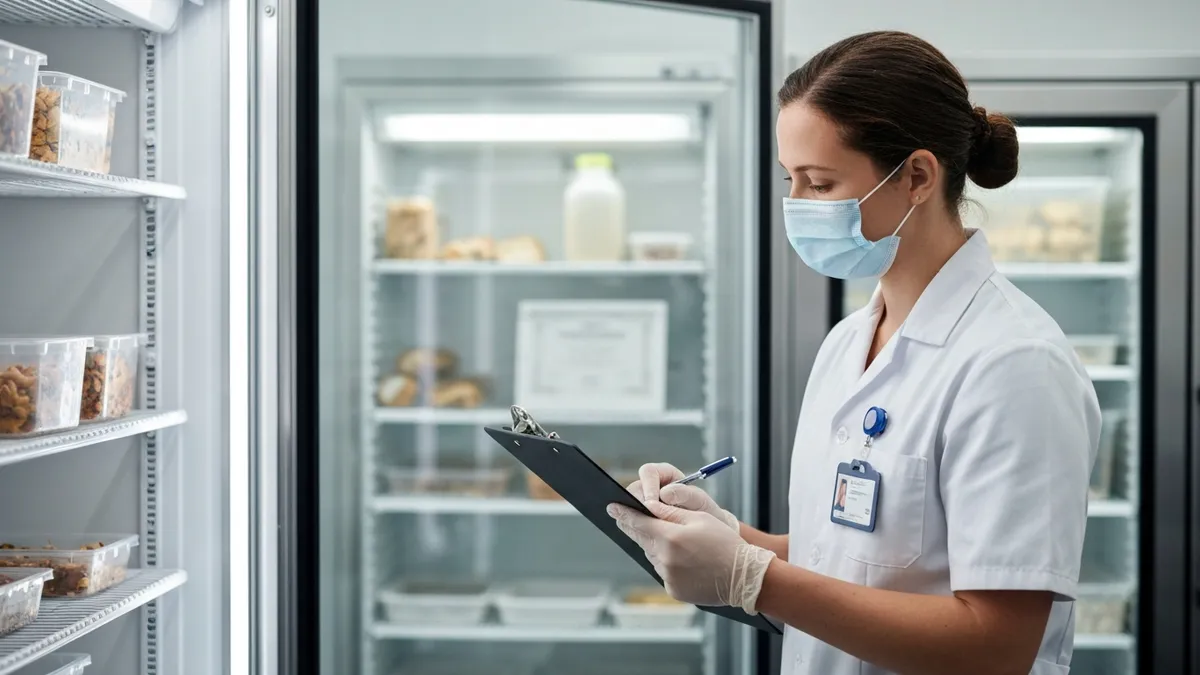
Common Pests and Their Control in ServSafe Food Safety Programs
Common pests like rodents, cockroaches, and flies pose significant threats to food safety. Rodents can carry pathogens, contaminate surfaces with urine and feces, and damage property. Cockroaches are vectors for bacteria and allergens. Flies can transfer pathogens from unsanitary surfaces to food. Your ServSafe food safety training and certification will cover specific strategies for identifying signs of these pests and implementing control measures. This includes proper waste management, regular cleaning, and working with licensed pest control operators. If signs are if found during a food safety inspection ServSafe, it indicates a critical failure in your IPM.
take a free servsafe manager practice exam.
Food Contamination And Pests Advantages and Disadvantages
- +Enhanced customer trust and loyalty
- +Compliance with ServSafe food safety regulations and standards
- +Reduced risk of foodborne illness outbreaks
- +Protection of brand reputation
- +Lower operational costs from pest damage and product recalls
- −Risk of severe foodborne illness outbreaks
- −Fines and legal action from health departments
- −Damage to brand reputation and loss of customers
- −Increased operational costs due to pest damage and product recalls
- −Potential business closure if found during a food safety inspection ServSafe
Pros and Cons at a Glance
| Pros | Cons |
|---|---|
| Enhanced customer trust and loyalty | Risk of severe foodborne illness outbreaks |
| Compliance with ServSafe food safety regulations and standards | Fines and legal action from health departments |
| Reduced risk of foodborne illness outbreaks | Damage to brand reputation and loss of customers |
| Protection of brand reputation | Increased operational costs due to pest damage and product recalls |
| Lower operational costs from pest damage and product recalls | Potential business closure if found during a food safety inspection ServSafe |
Maintaining a Pest-Free Environment: ServSafe Food Safety Regulations
Adhering to ServSafe food safety regulations and standards is non-negotiable for preventing pest infestations. This involves regular monitoring, immediate action upon discovery of pests, and maintaining careful cleanliness. All staff, from management to entry-level, play a role in maintaining a pest-free environment. Implementing a strong monitoring system, like glue traps or bait stations, can help detect pests early. Furthermore, ensuring that all exterior doors and windows are sealed and screens are intact prevents entry. These are key components of effective ServSafe food safety management systems.
Preparing for Your ServSafe Food Safety Manager Certification Exam
To successfully pass your ServSafe food safety manager certification exam, a thorough understanding of contamination and pest control is vital. Use a comprehensive ServSafe study guide 2026 and take multiple ServSafe practice test 2026 sessions. These resources will help you familiarize yourself with the exam format and the types of questions you'll encounter regarding safe food handling, hygiene, and pest management. Completing a recognized ServSafe food safety course provides the foundational knowledge needed for your ServSafe food safety certificate.
start your servsafe food safety servsafe manager practice exam today!
If you want more targeted practice, the servsafe test 90 questions and answers page covers the same material with additional questions and explanations.
Related ServSafe Guides





Sample ServSafe Practice Questions
Try these questions from our free ServSafe practice tests. The correct answer and an explanation follow each question.
What is the purpose of pest control in food service operations?
- A. To improve the aesthetic appearance of the establishment
- B. To prevent pests from contaminating food, surfaces, and equipment, and to comply with health regulations
- C. To reduce the need for refrigeration systems
- D. To meet fire code requirements
Answer: B. To prevent pests from contaminating food, surfaces, and equipment, and to comply with health regulations
Pest control prevents contamination of food and surfaces and is required by health codes to ensure food safety.
Although all food is in danger of becoming spoiled, which is not considered a “high risk” food for bacterial contamination?
- A. melon
- B. eggs
- C. uncooked chicken
- D. bread
Answer: D. bread
High-risk foods, also known as TCS (Temperature Control for Safety) foods, are typically moist, protein-rich, and have a neutral pH, which supports rapid bacterial growth. Bread, especially plain bread, is generally low in moisture and protein, making it less hospitable for bacteria compared to items like cut melon, eggs, or raw chicken.
A pest control operator recommends glue boards inside the kitchen. A manager should understand that the MOST effective long-term pest strategy is to
- A. Spray pesticide along baseboards weekly
- B. Deny pests food, water, and shelter by sealing entry points and maintaining sanitation
- C. Place traps near every door
- D. Schedule monthly fogging treatments
Answer: B. Deny pests food, water, and shelter by sealing entry points and maintaining sanitation
Integrated pest management focuses first on prevention, denying pests access, food, water, and nesting places, rather than relying on chemicals.
What steps may a food handler take to minimize or eliminate the danger of food contamination?
- A. Storing cleaning products in easy-to-reach locations in the kitchen
- B. Rinsing knives and cutting boards with hot water when moving between prep items
- C. Washing their hands after using the restroom
- D. Taking medication after visiting a sick friend
Answer: C. Washing their hands after using the restroom
Proper handwashing, especially after using the restroom, is one of the most critical steps a food handler can take to prevent food contamination. Hands can carry numerous pathogens from the restroom that can easily transfer to food if not thoroughly washed. This practice significantly reduces the risk of spreading foodborne illnesses.
ServSafe Food Contamination Questions and Answers
About the Author

Registered Sanitarian & Food Safety Certification Expert
Cornell University College of Agriculture and Life SciencesThomas Wright is a Registered Sanitarian and HACCP-certified food safety professional with a Bachelor of Science in Food Science from Cornell University. He has 17 years of experience in food safety auditing, regulatory compliance, and foodservice management training. Thomas prepares food industry professionals for ServSafe Manager, HACCP certification, and state food handler examinations.
Join the Discussion
Connect with other students preparing for this exam. Share tips, ask questions, and get advice from people who have been there.
View discussion (7 replies)