
CNA vs PCA: Key Differences in Training, Pay & Career Path 2026 October
Free CNA vs PCA: Key Differences in practice test with questions and answer explanations. Prepare for the 2026 October exam with instant scoring. 🧠

When you're weighing cna vs pca as a career entry point, the choice matters — and it shapes everything from your paycheck to your daily tasks. Both roles put you at the bedside, but they're not the same job. CNAs (Certified Nursing Assistants) hold a state-issued license, follow a regulated scope of practice, and earn more on average. PCAs (Personal Care Aides) typically work without formal certification and focus on daily living support rather than clinical tasks. The gap between the two roles is wider than most people realize going in.
If you've been searching for cna jobs near me, you already know demand is high. Hospitals, nursing homes, and home health agencies are hiring aggressively — and CNAs almost always earn more than PCAs in those same settings. That wage gap is real, and it starts with training. Fortunately, cna classes near me are widely available through community colleges, hospitals, and even free programs via Medicaid-funded agencies. Accessibility isn't the barrier it used to be.
This guide breaks down every major difference between CNAs and PCAs: scope of practice, pay rates, certification requirements, and which path makes more sense for your goals. Whether you want to land a hospital job fast or simply care for a family member, you'll leave here knowing exactly which route to take. Let's get into it.

The fastest way to understand the difference is through training. PCAs usually complete 40–75 hours of informal training with no state exam. CNAs, on the other hand, must pass a state competency test — written and clinical — to get their license. If you're looking for cna classes near me, expect programs ranging from 4 to 12 weeks, costing $300 to $1,500 at most community colleges or vocational schools. Some programs are fully employer-funded, so your out-of-pocket cost could be zero.
That investment pays off quickly. cna jobs in hospitals and skilled nursing facilities almost always require CNA certification, while PCA roles are more often found in private homes or adult day centers. The job market for CNAs is also more regulated — meaning better protections, benefits, and advancement paths. Don't overlook employer-sponsored programs either; many nursing homes will pay for your CNA training in exchange for a 6–12 month work commitment after you pass your exam.
The bottom line? If you want a clinical foothold in healthcare that you can build on — toward LPN, RN, or even nursing management — CNA is the smarter play. PCAs serve a vital role, but the ceiling is lower and the pay reflects that. Think long-term when making this choice.
There are dozens of cna programs across the country designed to get you working in weeks — not years. Community colleges offer the most affordable options, but hospitals increasingly run their own sponsored programs where tuition is waived. Some states even offer fully free CNA training through Medicaid-funded initiatives, so cost alone shouldn't be a barrier. If you're juggling work and family, evening and weekend cohorts are increasingly common.
When it comes to cna salary, certified nursing assistants consistently outearned PCAs. In 2025, the Bureau of Labor Statistics reported median CNA pay at around $38,130 annually — compared to roughly $30,180 for home health and personal care aides. That $8,000-a-year difference adds up fast, especially when you factor in cna jobs that offer housing stipends and premium hourly rates for travel assignments. High-cost-of-living states like California and New York push those numbers even higher.
Don't underestimate the value of specialization either. CNAs who complete extra training in restorative care, dementia care, or IV therapy often command even higher wages. The CNA credential is a platform — not a ceiling — and smart candidates use it as a launchpad into higher-paying nursing roles. Many RN programs actively recruit CNAs because they already know how patient care works on the floor.
CNA vs PCA: Role Comparison
CNAs perform clinical tasks: vital signs, catheter care, wound observation, and assisting with repositioning. PCAs focus on personal care — bathing, dressing, meal prep, and light housekeeping. CNAs work under direct nurse supervision in licensed facilities; PCAs often work independently in private homes. The clinical gap is significant — CNAs can't perform medication administration either, but their scope goes well beyond what a PCA is trained or allowed to do.
Talk to any working CNA about wages for a cna and you'll hear the same thing: entry pay has improved dramatically over the past three years. Post-pandemic labor shortages pushed wages up across the board, and they haven't fully retreated. Many SNFs in high-demand states now start CNAs at $20–$24/hr, with overnight and weekend differentials adding another $2–$5 on top. Add performance bonuses and referral incentives, and your first-year income can look a lot better than the base rate suggests.
Meanwhile, cna classes have gotten more accessible. Online theory components let you complete lecture portions from home, with hands-on clinical hours done at a local site. That hybrid model is now standard at most community colleges, cutting commute time while keeping clinical competency intact. Some programs even run on evenings and weekends, making it realistic to train while holding a current job. The old barrier of needing to quit work to attend school is largely gone.
If you're currently a PCA and considering upgrading, most states give credit for your existing experience. Some will waive portions of the clinical training if you can document hours. Check your state's nurse aide registry for specific bridge rules — you may be closer to full CNA certification than you think. It's worth a 10-minute call to your state's health department to find out exactly where you stand.
The backbone of CNA work is cna training that balances classroom learning with real clinical skills. You'll cover anatomy, infection control, patient rights, nutrition, and basic nursing procedures. The clinical component typically runs 16–24 hours minimum — though many states require more — and it must take place in an approved facility, not just a classroom. Your instructor evaluates you on specific skills tasks before you're cleared to take the state exam.
To become a cert cna, you pass a two-part state competency exam: a written (or oral) knowledge test and a manual skills demonstration. The skills section tests hands-on tasks like hand hygiene, vital signs, and bed baths — performed in front of an evaluator. Passing both parts earns you a spot on your state's nurse aide registry, which employers verify before hiring. First-time pass rates hover around 70%, so solid prep matters.
Looking for accelerated options? cna programs that run just four weeks exist in many states — often offered by nursing homes that urgently need staff. These condensed formats are rigorous but doable, and many include a job offer upon passing the state exam. It's one of the fastest legitimate routes into healthcare available right now, especially for people who need income quickly without a long training commitment.
CNA vs PCA: Pros and Cons
- +CNAs earn $5–$10/hr more than PCAs on average
- +CNA license opens doors to hospitals and clinical settings
- +Clear advancement path toward LPN, RN, or specialist roles
- +State-regulated scope means better legal protections
- +Employer-sponsored CNA training is widely available
- +PCA experience can sometimes count toward CNA fast-track
- −CNA training takes 4–12 weeks vs minimal PCA training
- −CNA state exam has a pass rate under 70% for first-timers
- −CNA roles involve heavier clinical responsibilities
- −PCA work often offers more schedule flexibility in home settings
- −CNA certification must be renewed every 1–2 years by state
- −PCAs may find more work-from-home or remote-adjacent options
One question candidates always ask: what is a cna, really? A Certified Nursing Assistant is a licensed healthcare worker who provides direct patient care under the supervision of an RN or LPN. You're responsible for activities like taking vitals, assisting with mobility, documenting intake/output, and communicating changes in patient condition to the nursing staff. It's not glamorous every day, but it's essential — and most nurses will tell you CNAs are the absolute backbone of the unit. Without them, the whole floor slows down.
Before committing, many candidates take a cna practice test to gauge their readiness. That's smart — the state exam covers everything from anatomy to legal standards to specific nursing skills. Practice exams help you identify weak spots before they cost you on test day. Our free quizzes below are built specifically for CNA exam prep and cover the most commonly tested topics. Spending even an hour on practice questions meaningfully improves your exam-day performance.
If you're comparing roles for a family member who needs care at home, a PCA can be a lower-cost, faster-to-hire option. But if you're building a career, the certification investment for CNA pays for itself within months through higher wages and better job security. Do the math before you decide — and remember that PCA experience, while valuable, doesn't appear on most clinical job applications the way a CNA license does.
CNA vs PCA Decision Checklist
- ✓Decide if you want clinical hospital access (CNA only)
- ✓Check your state's CNA training hour requirements
- ✓Look for employer-sponsored free CNA programs near you
- ✓Compare CNA vs PCA salaries in your target city
- ✓Research bridge options if you're currently a PCA
- ✓Sign up for a CNA practice test to test your readiness
- ✓Verify which local hospitals require CNA over PCA
- ✓Ask about tuition reimbursement at target employers
- ✓Confirm your state's CNA renewal schedule (usually 2 years)
- ✓Plan your career path: CNA → LPN → RN or specialize
Let's talk money. The pay rate for a cna varies significantly by state, setting, and shift. California CNAs average over $22/hr; rural Midwest states may start at $14–$16/hr. Night shifts, weekend differentials, and overtime can add 20–30% on top of base pay. Specialty settings like ICU step-down or behavioral health also pay higher than standard long-term care roles. Some large health systems even offer sign-on bonuses for new CNAs in hard-to-fill positions.
The appeal of cna salary growth gets even more interesting when you consider travel nursing aide work. Travel CNAs can earn $25–$40/hr plus housing stipends — dramatically more than permanent staff. And if free cna classes near me are available through your state's workforce development program or a hospital partnership, you can enter this pay range with literally zero out-of-pocket training cost. That's a genuinely remarkable return on a few weeks of your time.
PCAs, by contrast, top out around $18/hr in most markets and rarely access travel assignments. They're not bad jobs — but the earning ceiling is real. If income growth matters to you, CNA certification is worth every hour of training. Over a 5-year period, the wage difference between a CNA and PCA typically exceeds $40,000 in cumulative earnings.
For those considering travel cna jobs, the market is wide open right now. Travel agencies like Aya Healthcare, AMN, and NurseFly regularly post CNA contracts in high-demand states — California, New York, Texas, and Florida especially. Contracts run 8–13 weeks with free housing or stipends, and experienced CNAs can stack assignments year-round for income well above $60K annually. You'll need at least 6–12 months of CNA work experience before most agencies will place you, so start building that resume as soon as you pass your state exam.
On the local front, cna courses near me are easier to find than ever. Most community colleges post openings each semester, and many hospital systems run rolling enrollment for their in-house programs. Some states maintain online directories of approved CNA training programs — search your state's Department of Health or nurse aide registry website for the official list. If a program isn't on that state-approved list, don't enroll — you won't be eligible to sit the state exam. Verified programs protect your time and money.
Either way, don't delay your decision too long. The healthcare labor market rewards those who act quickly — and every week you spend as an uncertified aide is a week you're leaving wages on the table. Choose your path, find a program, and get moving. The demand for CNAs isn't going anywhere — if anything, it's intensifying as the baby boomer population enters long-term care facilities in larger numbers every year.
Many nursing homes and hospitals will pay 100% of your CNA training costs in exchange for a 6–12 month work commitment after passing your state exam. Search specifically for "employer-sponsored CNA training" in your area — it's one of the best deals in entry-level healthcare.
Don't overlook the value of a strong network when hunting for your next cna job. Clinical instructors, fellow students from your training program, and even patients' family members have been sources of job leads for working CNAs. LinkedIn isn't just for office workers — it's increasingly where healthcare recruiters post openings and scout candidates. A professional profile listing your state license number and clinical hours takes 30 minutes to set up and pays dividends. Don't skip it.
If budget is your main concern, seek out free cna training near me options through workforce investment programs (WIOA-funded), Medicaid waiver agencies, or community health centers. These programs are specifically designed for low-income individuals entering healthcare and cover tuition, uniforms, and sometimes even textbooks. Your local American Job Center can point you to what's available in your county. Some programs also provide childcare subsidies and transportation assistance, removing common barriers that keep people from completing training.
The bottom line: whether you go CNA or PCA, you're entering a field that needs people badly. But if you can swing the training, CNA certification delivers a return on investment that's hard to beat in any entry-level field — healthcare or otherwise. The credential is yours to keep, the license is portable across most states, and the career ladder goes as high as you're willing to climb.
CNA Practice Test Questions
Prepare for the CNA - Certified Nursing Assistant exam with our free practice test modules. Each quiz covers key topics to help you pass on your first try.
CNA Activities of Daily Living
CNA Exam Questions covering Activities of Daily Living. Master CNA Test concepts for certification prep.
CNA Aging Process
Free CNA Practice Test featuring Aging Process. Improve your CNA Exam score with mock test prep.
CNA Anatomy and Physiology Basics
CNA Mock Exam on Anatomy and Physiology Basics. CNA Study Guide questions to pass on your first try.
CNA Assisting with Daily Living
CNA Test Prep for Assisting with Daily Living. Practice CNA Quiz questions and boost your score.
CNA Assisting with Range of Motion Exercises
CNA Questions and Answers on Assisting with Range of Motion Exercises. Free CNA practice for exam readiness.
CNA Basic Human Anatomy and Age-Related Ch...
CNA Mock Test covering Basic Human Anatomy and Age-Related Changes. Online CNA Test practice with instant feedback.
CNA Basic Nursing Skills
Free CNA Quiz on Basic Nursing Skills. CNA Exam prep questions with detailed explanations.
CNA Basic Nursing Skills 10
CNA Practice Questions for Basic Nursing Skills 10. Build confidence for your CNA certification exam.
CNA Basic Nursing Skills 11
CNA Test Online for Basic Nursing Skills 11. Free practice with instant results and feedback.
CNA Basic Nursing Skills 1
CNA Study Material on Basic Nursing Skills 1. Prepare effectively with real exam-style questions.
CNA Basic Nursing Skills 12
Free CNA Test covering Basic Nursing Skills 12. Practice and track your CNA exam readiness.
CNA Basic Nursing Skills 13
CNA Exam Questions covering Basic Nursing Skills 13. Master CNA Test concepts for certification prep.
CNA Basic Nursing Skills 14
Free CNA Practice Test featuring Basic Nursing Skills 14. Improve your CNA Exam score with mock test prep.
CNA Basic Nursing Skills 15
CNA Mock Exam on Basic Nursing Skills 15. CNA Study Guide questions to pass on your first try.
CNA Basic Nursing Skills 16
CNA Test Prep for Basic Nursing Skills 16. Practice CNA Quiz questions and boost your score.
CNA Basic Nursing Skills 17
CNA Questions and Answers on Basic Nursing Skills 17. Free CNA practice for exam readiness.
CNA Basic Nursing Skills 18
CNA Mock Test covering Basic Nursing Skills 18. Online CNA Test practice with instant feedback.
CNA Basic Nursing Skills 19
Free CNA Quiz on Basic Nursing Skills 19. CNA Exam prep questions with detailed explanations.
CNA Basic Nursing Skills 20
CNA Practice Questions for Basic Nursing Skills 20. Build confidence for your CNA certification exam.
CNA Basic Nursing Skills 21
CNA Test Online for Basic Nursing Skills 21. Free practice with instant results and feedback.
CNA Basic Nursing Skills 2
CNA Study Material on Basic Nursing Skills 2. Prepare effectively with real exam-style questions.
CNA Basic Nursing Skills 3
Free CNA Test covering Basic Nursing Skills 3. Practice and track your CNA exam readiness.
CNA Basic Nursing Skills 4
CNA Exam Questions covering Basic Nursing Skills 4. Master CNA Test concepts for certification prep.
CNA Basic Nursing Skills 5
Free CNA Practice Test featuring Basic Nursing Skills 5. Improve your CNA Exam score with mock test prep.
CNA Basic Nursing Skills 6
CNA Mock Exam on Basic Nursing Skills 6. CNA Study Guide questions to pass on your first try.
CNA Basic Nursing Skills 7
CNA Test Prep for Basic Nursing Skills 7. Practice CNA Quiz questions and boost your score.
CNA Basic Nursing Skills 8
CNA Questions and Answers on Basic Nursing Skills 8. Free CNA practice for exam readiness.
CNA Basic Nursing Skills 9
CNA Mock Test covering Basic Nursing Skills 9. Online CNA Test practice with instant feedback.
CNA Basic Restorative Services
Free CNA Quiz on Basic Restorative Services. CNA Exam prep questions with detailed explanations.
CNA Basic Restorative Services 1
CNA Practice Questions for Basic Restorative Services 1. Build confidence for your CNA certification exam.
CNA Bathing and Dressing
CNA Test Online for Bathing and Dressing. Free practice with instant results and feedback.
CNA Body Mechanics
CNA Study Material on Body Mechanics. Prepare effectively with real exam-style questions.
CNA Career Advancement and Opportunities
Free CNA Test covering Career Advancement and Opportunities. Practice and track your CNA exam readiness.
CNA Career Opportunities and Benefits
CNA Exam Questions covering Career Opportunities and Benefits. Master CNA Test concepts for certification prep.
CNA Care for Residents with Cognitive Impa...
Free CNA Practice Test featuring Care for Residents with Cognitive Impairment. Improve your CNA Exam score with mock test prep.
CNA Care of Cognitively Impaired Residents
CNA Mock Exam on Care of Cognitively Impaired Residents. CNA Study Guide questions to pass on your first try.
CNA Care of Cognitively Impaired Residents 1
CNA Test Prep for Care of Cognitively Impaired Residents 1. Practice CNA Quiz questions and boost your score.
CNA Care Of Cognitively Impaired Residents 4
CNA Questions and Answers on Care Of Cognitively Impaired Residents 4. Free CNA practice for exam readiness.
CNA Common Medical Terms and Abbreviations
CNA Mock Test covering Common Medical Terms and Abbreviations. Online CNA Test practice with instant feedback.
CNA Communication and Interpersonal Skills
Free CNA Quiz on Communication and Interpersonal Skills. CNA Exam prep questions with detailed explanations.
CNA Communication and Interpersonal Skills 1
CNA Practice Questions for Communication and Interpersonal Skills 1. Build confidence for your CNA certification exam.
CNA Communication And Interpersonal Skills 4
CNA Test Online for Communication And Interpersonal Skills 4. Free practice with instant results and feedback.
CNA Eligibility and Qualifications
CNA Study Material on Eligibility and Qualifications. Prepare effectively with real exam-style questions.
CNA Emergency Procedure
Free CNA Test covering Emergency Procedure. Practice and track your CNA exam readiness.
CNA Ethics and Professionalism
CNA Exam Questions covering Ethics and Professionalism. Master CNA Test concepts for certification prep.
CNA Exam Structure and Content
Free CNA Practice Test featuring Exam Structure and Content. Improve your CNA Exam score with mock test prep.
CNA Feeding and Hydration
CNA Mock Exam on Feeding and Hydration. CNA Study Guide questions to pass on your first try.
CNA Infection Control
CNA Test Prep for Infection Control. Practice CNA Quiz questions and boost your score.
CNA Infection Control and Safety
CNA Questions and Answers on Infection Control and Safety. Free CNA practice for exam readiness.
CNA Isolation Precautions
CNA Mock Test covering Isolation Precautions. Online CNA Test practice with instant feedback.
CNA Legal & Ethical Behaviours
Free CNA Quiz on Legal & Ethical Behaviours. CNA Exam prep questions with detailed explanations.
CNA Legal & Ethical Behaviours 1
CNA Practice Questions for Legal & Ethical Behaviours 1. Build confidence for your CNA certification exam.
CNA Legal & Ethical Behaviours 4
CNA Test Online for Legal & Ethical Behaviours 4. Free practice with instant results and feedback.
CNA Mental Health and Social Services Needs
CNA Study Material on Mental Health and Social Services Needs. Prepare effectively with real exam-style questions.
CNA Mental Health and Social Services Needs 1
Free CNA Test covering Mental Health and Social Services Needs 1. Practice and track your CNA exam readiness.
CNA Mental Health And Social Services Needs 4
CNA Exam Questions covering Mental Health And Social Services Needs 4. Master CNA Test concepts for certification prep.
CNA Nutrition and Hydration Management
Free CNA Practice Test featuring Nutrition and Hydration Management. Improve your CNA Exam score with mock test prep.
CNA Patient Care Procedure
CNA Mock Exam on Patient Care Procedure. CNA Study Guide questions to pass on your first try.
CNA Personal Care Skills
CNA Test Prep for Personal Care Skills. Practice CNA Quiz questions and boost your score.
CNA Personal Care Skills 1
CNA Questions and Answers on Personal Care Skills 1. Free CNA practice for exam readiness.
CNA Personal Care Skills 4
CNA Mock Test covering Personal Care Skills 4. Online CNA Test practice with instant feedback.
CNA Personal Care Skills 5
Free CNA Quiz on Personal Care Skills 5. CNA Exam prep questions with detailed explanations.
CNA Personal Hygiene and Grooming
CNA Practice Questions for Personal Hygiene and Grooming. Build confidence for your CNA certification exam.
CNA Practice Test - Basic Nursing Skills #2
CNA Test Online for Practice Test - Basic Nursing Skills #2. Free practice with instant results and feedback.
CNA Practice Test - Basic Nursing Skills #2 1
CNA Study Material on Practice Test - Basic Nursing Skills #2 1. Prepare effectively with real exam-style questions.
CNA Preventing Patient Falls and Injuries
Free CNA Test covering Preventing Patient Falls and Injuries. Practice and track your CNA exam readiness.
CNA Promoting Resident Independence and Ch...
CNA Exam Questions covering Promoting Resident Independence and Choice. Master CNA Test concepts for certification prep.
CNA Proper Hand Hygiene and PPE Usage
Free CNA Practice Test featuring Proper Hand Hygiene and PPE Usage. Improve your CNA Exam score with mock test prep.
CNA Resident Rights and Communication
CNA Mock Exam on Resident Rights and Communication. CNA Study Guide questions to pass on your first try.
CNA Resident’s Rights
CNA Test Prep for Resident’s Rights. Practice CNA Quiz questions and boost your score.
CNA Resident's Rights 1
CNA Questions and Answers on Resident's Rights 1. Free CNA practice for exam readiness.
CNA Resident's Rights 4
CNA Mock Test covering Resident's Rights 4. Online CNA Test practice with instant feedback.
CNA Roles and Responsibilities
Free CNA Quiz on Roles and Responsibilities. CNA Exam prep questions with detailed explanations.
CNA Safety and Emergency Procedures
CNA Practice Questions for Safety and Emergency Procedures. Build confidence for your CNA certification exam.
CNA Safety and Emergency Procedures 1
CNA Test Online for Safety and Emergency Procedures 1. Free practice with instant results and feedback.
CNA Safety And Emergency Procedures 4
CNA Study Material on Safety And Emergency Procedures 4. Prepare effectively with real exam-style questions.
CNA Safety and Infection Control
Free CNA Test covering Safety and Infection Control. Practice and track your CNA exam readiness.
CNA Scope of Practice
CNA Exam Questions covering Scope of Practice. Master CNA Test concepts for certification prep.
CNA Skills and Competencies
Free CNA Practice Test featuring Skills and Competencies. Improve your CNA Exam score with mock test prep.
CNA Supporting Rehabilitation Activities
CNA Mock Exam on Supporting Rehabilitation Activities. CNA Study Guide questions to pass on your first try.
CNA The Nurse Aide's Role and Responsibili...
CNA Test Prep for The Nurse Aide's Role and Responsibilities. Practice CNA Quiz questions and boost your score.
CNA Time Management and Prioritization
CNA Questions and Answers on Time Management and Prioritization. Free CNA practice for exam readiness.
CNA Toileting and Elimination
CNA Mock Test covering Toileting and Elimination. Online CNA Test practice with instant feedback.
CNA Using Adaptive Devices
CNA Practice Questions for Using Adaptive Devices. Build confidence for your CNA certification exam.
Lots of candidates ask about cna on the job realities before committing to training. The honest answer: it's physically demanding. You'll spend most of your shift on your feet, doing transfers, repositioning, and mobility assists. Back injuries are a real risk if you don't use proper body mechanics and equipment. Most facilities now have lift teams and mechanical lifts — use them every time, without exception. Your long-term career depends on protecting your body from day one.
On the upside, cna classes online have made the theory portion dramatically more flexible. Many approved programs let you complete 50–75% of your required hours virtually, logging in from home for lectures and knowledge modules. Clinical hours still must be in person, but that hybrid model means you can progress faster without sacrificing a full-time job while training. It's the biggest quality-of-life improvement in CNA education over the past decade.
The best CNAs are detail-oriented, patient under pressure, and genuinely compassionate. Those traits matter more than any textbook knowledge on day one — the clinical skills you build over time. If you have those qualities and you're ready to put in the work, you'll find the CNA credential opens more doors than almost any other entry-level healthcare option available. That's not marketing — it's what the hiring data consistently shows across hospitals and long-term care facilities nationwide.
CNA Questions and Answers
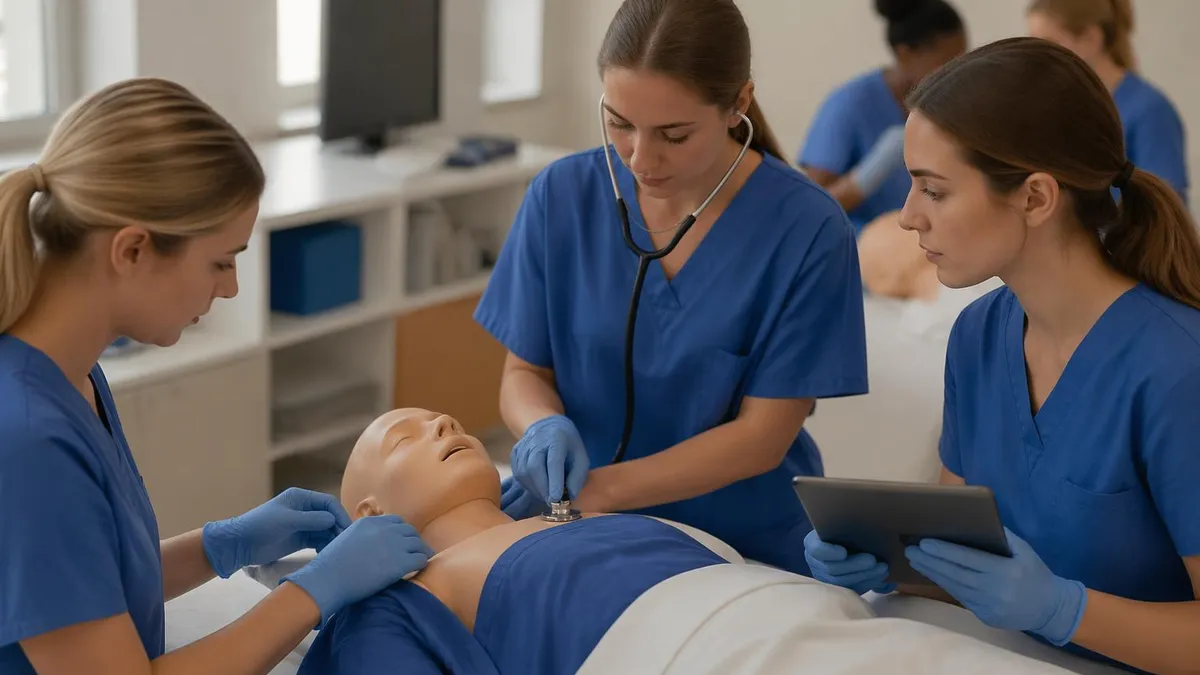
Restorative CNA: Duties, Training, Salary & How to Get Started
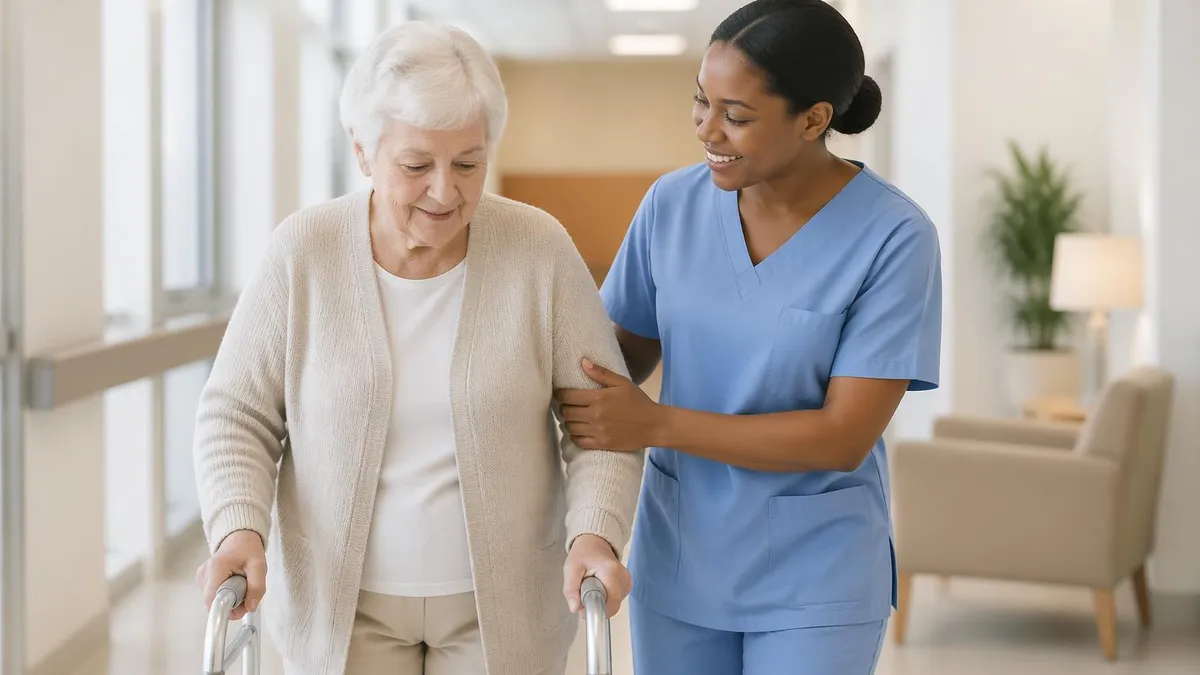
CNA Hospital Jobs Near Me: How to Find, Apply & Get Hired in 2026

Goodwill CNA Program: Free Classes, Costs, and How to Enroll
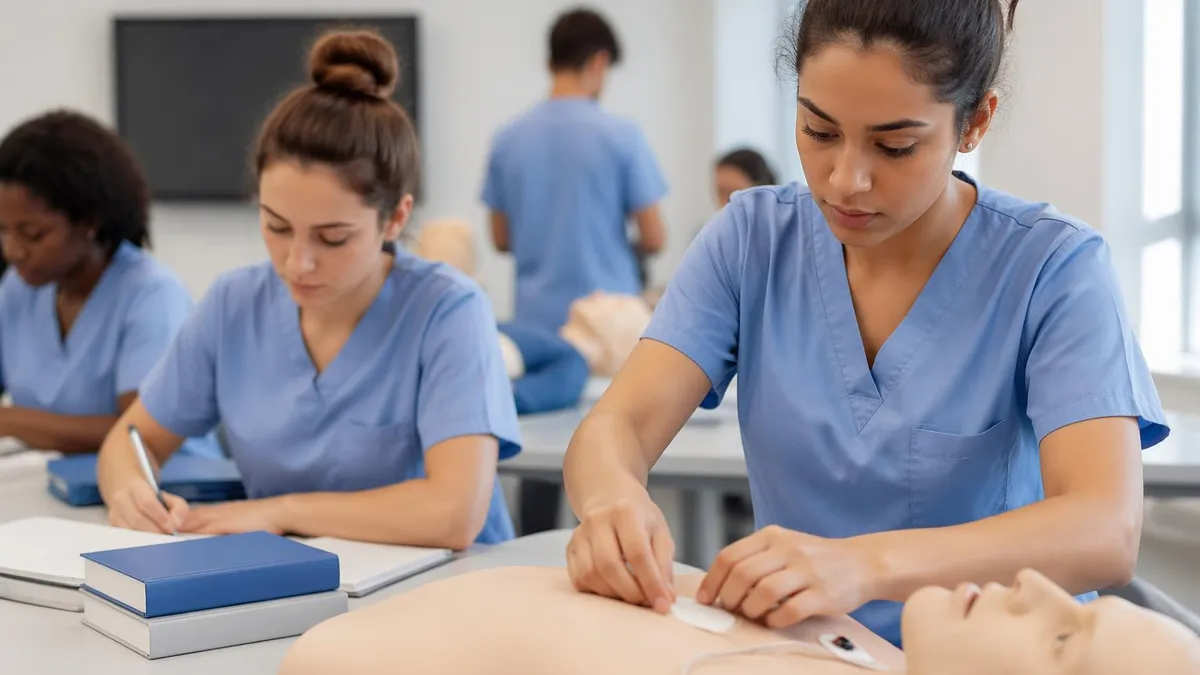
Hospice CNA: Duties, Salary, Per Diem Work & How to Get Started
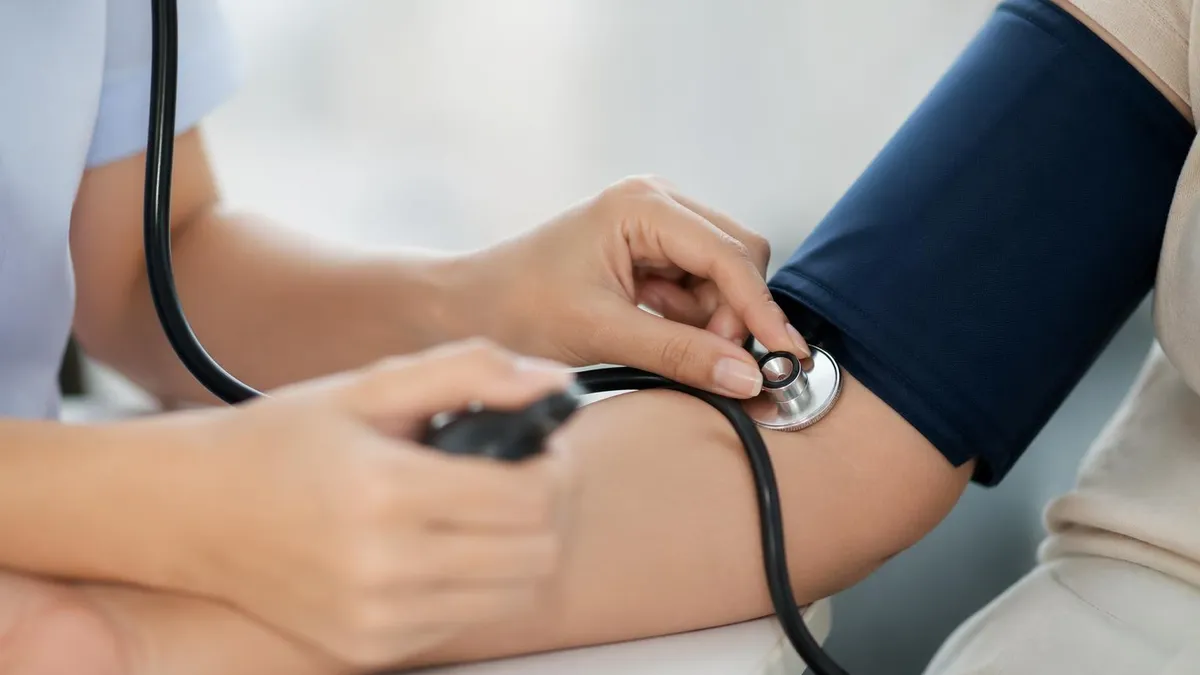
4-Week CNA Program: Online Options, State Programs & How to Enroll
About the Author

Registered Nurse & Healthcare Educator
Johns Hopkins University School of NursingDr. Sarah Mitchell is a board-certified registered nurse with over 15 years of clinical and academic experience. She completed her PhD in Nursing Science at Johns Hopkins University and has taught NCLEX preparation and clinical skills courses for nursing students across the United States. Her research focuses on evidence-based exam preparation strategies for healthcare certification candidates.
Join the Discussion
Connect with other students preparing for this exam. Share tips, ask questions, and get advice from people who have been there.
View discussion (8 replies)