
CNA Skills: Complete Test Guide, Skills List, and Step-by-Step Checklist
Pass your CNA Skills: ✏️ Complete exam on the first attempt. Practice questions with detailed answer explanations, hints, and instant scoring.
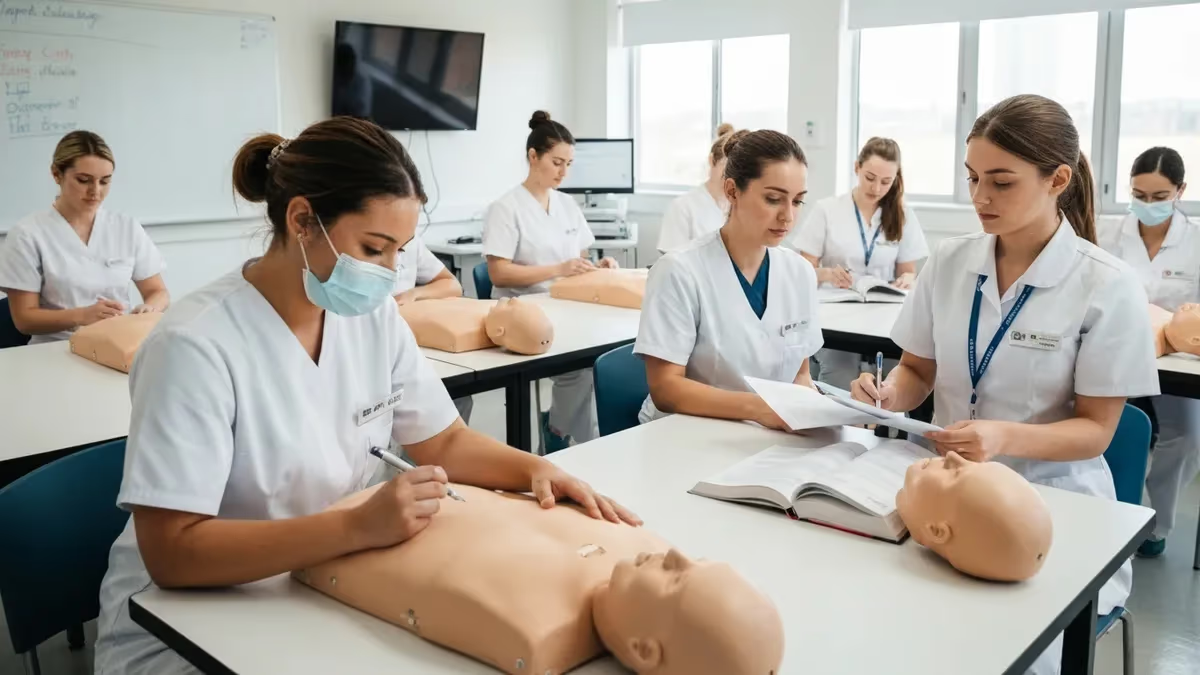
CNA skills are the hands-on clinical procedures every Certified Nursing Assistant must master to pass the state certification exam. You'll perform 5 randomly selected skills in front of a nurse evaluator, and missing a single critical step means automatic failure for that skill. Whether you're just starting your CNA training or reviewing before your cna skills test, knowing exactly what's expected -- and practicing until every movement is automatic -- makes the difference between passing on your first attempt and paying for a retest.
The clinical skills exam isn't about memorizing textbook answers. It's about muscle memory. You need to wash your hands without thinking about it, take blood pressure readings that match within 4mmHg of the evaluator's measurement, and explain every procedure to your patient while keeping them covered and comfortable. That's a lot to juggle under pressure. But thousands of students pass this test every month, and they do it by breaking each skill into repeatable steps.
This guide covers every skill on the CNA skills test checklist, how evaluators score each one, and the specific mistakes that cause the most failures. You'll also find practice quizzes to test your knowledge of clinical procedures in written format -- because the written and hands-on portions reinforce each other. If you can explain why you perform each step, you won't forget the step itself when nerves kick in on test day.

The cna skills test evaluates your ability to perform real clinical procedures safely and correctly. It's the second half of CNA certification -- you also need to pass the written knowledge portion, which is often called the cna skills exam in some states. Both tests must be completed within 24 months of finishing your training program.
Here's what catches most people off guard: infection control applies to every single skill, even when handwashing isn't one of your 5 selected procedures. Forget to wash your hands before a bed bath? Automatic failure. Skip gloves during perineal care? Failure. The evaluator watches for these basics throughout the entire test, not just during designated infection control skills.
Each state contracts with a testing company -- Prometric, Pearson VUE, or Credentia -- to administer the clinical exam. The core skills overlap heavily, but the exact checklist and time limits vary. California gives you 35 minutes. New York allows 40. Some states test only 3 skills instead of 5. You need to know your specific state's requirements before test day, not the morning of. Contact your state board of nursing or visit their website at least two weeks before your scheduled exam date to download the official skills checklist and scoring criteria.
The cna skills list covers 22 clinical procedures that every nursing assistant must be able to perform. Your cna skills practice test should cover all of them, even though you'll only be tested on 5. You won't know which 5 until you walk into the exam room and receive your assignment sheet.
The skills break down into five categories: hygiene and personal care, mobility and transfers, vital signs and measurements, nutrition and elimination, and infection control. Each category has 3-6 individual procedures. Most training programs spend the bulk of clinical hours on hygiene skills (bed bath, perineal care, oral care) and mobility skills (transfers, ambulation, range of motion) because these are tested most frequently across all states.
Don't make the mistake of focusing only on 'hard' skills like blood pressure measurement while neglecting 'easy' ones like bed making. Bed making has specific critical steps -- mitered corners, wrinkle-free draw sheets, proper placement of the call light -- that trip up students who assumed they could wing it. Every skill deserves equal practice time because any skill could appear on your test. The randomness is intentional -- it ensures you're truly prepared for real patient care, not just skilled at a handful of procedures you cherry-picked during practice sessions.
Patient Care Procedures
The bed bath is one of the most commonly tested CNA skills. You must keep the patient covered except for the area being washed -- dignity matters to evaluators as much as technique. Wash the face first with water only (no soap), then work downward: neck, arms, chest, abdomen, legs, back, and perineal area last. Change the water after washing the back and before perineal care.
Use long, firm strokes from distal to proximal (fingertips toward shoulder, toes toward hip). Check water temperature before starting -- 105-115 degrees Fahrenheit is the safe range. Evaluators watch for proper hand placement, draping technique, and whether you rinse and dry each area completely before moving to the next. Getting this sequence right takes repetition -- most students need at least five full practice runs before the order feels natural.
So how many can you miss on the cna skills test and still pass? Zero critical steps. That's the honest answer. Each skill has specific steps marked as 'critical' on the evaluator's checklist, and missing any one of them fails that entire skill. You must pass all 5 assigned skills to pass the overall test. There's no partial credit, no curve, and no rounding up. It's strict because patient safety demands it.
The cna knowledge practice test -- the written portion -- works differently. Most states require 70-80% correct on the written exam, and you can miss several questions and still pass. But the clinical skills test? Five skills, zero tolerance for critical-step errors. This is why hands-on practice matters more than flashcards for the clinical portion.
Common critical steps that cause failures include: forgetting to identify the patient by checking their ID bracelet, not explaining the procedure before starting, failing to provide privacy by closing the curtain, and leaving the bed in a raised position after completing a skill. These aren't the 'hard' parts of any procedure -- they're the routine steps that slip your mind when you're nervous. The fix is simple but requires discipline: say each step out loud during practice so it becomes a verbal habit that your mouth performs automatically even when your brain is racing on test day.
Skills for cna professionals go beyond the test itself. Once you're certified, you'll perform these same procedures daily -- but faster, with sicker patients, and often without anyone watching. The habits you build during test prep carry directly into your first job. Students who rush through their cna practice skills exam preparation often struggle during their first week on the floor.
Infection control is the foundation skill that affects everything else. Proper handwashing takes at least 20 seconds: wet hands, apply soap, lather all surfaces including between fingers and under nails, rinse with fingertips pointing down, and dry with paper towels. Use the paper towel to turn off the faucet -- never touch it with clean hands. This sequence gets tested explicitly and implicitly throughout every clinical skill.
Standard precautions mean wearing gloves for any potential contact with blood, body fluids, mucous membranes, or non-intact skin. Change gloves between tasks and between patients. Gowns go on when splashing is likely. Sharps go in puncture-resistant containers, period. These aren't suggestions on the test -- they're requirements that evaluators check constantly from start to finish. Building these habits now saves you from costly mistakes later when you're working 12-hour shifts and fatigue makes shortcuts tempting.
CNA Career: Benefits and Challenges
- +Training takes only 4-12 weeks -- you can start working in healthcare fast
- +CNA certification opens doors to RN and LPN career paths
- +Demand for CNAs is projected to grow 4% through 2032
- +You make a direct, visible difference in patients' daily lives
- +Flexible scheduling with day, evening, and weekend shift options
- +Many employers offer tuition reimbursement for nursing school
- −Physical demands are significant -- lifting, bending, and standing for 8-12 hour shifts
- −Starting pay ranges from $14-$20/hour depending on state and facility
- −Emotional toll of caring for terminally ill or declining patients
- −Understaffing in many facilities means heavier patient loads
- −Limited advancement without additional education and certifications
- −Exposure to infectious diseases and workplace injuries is higher than average
Pros and Cons at a Glance
| Pros | Cons |
|---|---|
| CNA certification opens doors to RN and LPN career paths | Emotional toll of caring for terminally ill or declining patients |
| You make a direct, visible difference in patients' daily lives | Understaffing in many facilities means heavier patient loads |
| Flexible scheduling with day, evening, and weekend shift options | Limited advancement without additional education and certifications |
| Many employers offer tuition reimbursement for nursing school | Exposure to infectious diseases and workplace injuries is higher than average |
A cna skills list step-by-step approach is the only way to guarantee you don't skip critical steps under pressure. Every skill follows the same framework: identify the patient, explain the procedure, provide privacy, perform the skill, ensure comfort, position the call light, wash your hands, and document. That wrapper stays constant. The middle part -- the actual procedure -- is what changes between skills in cna.
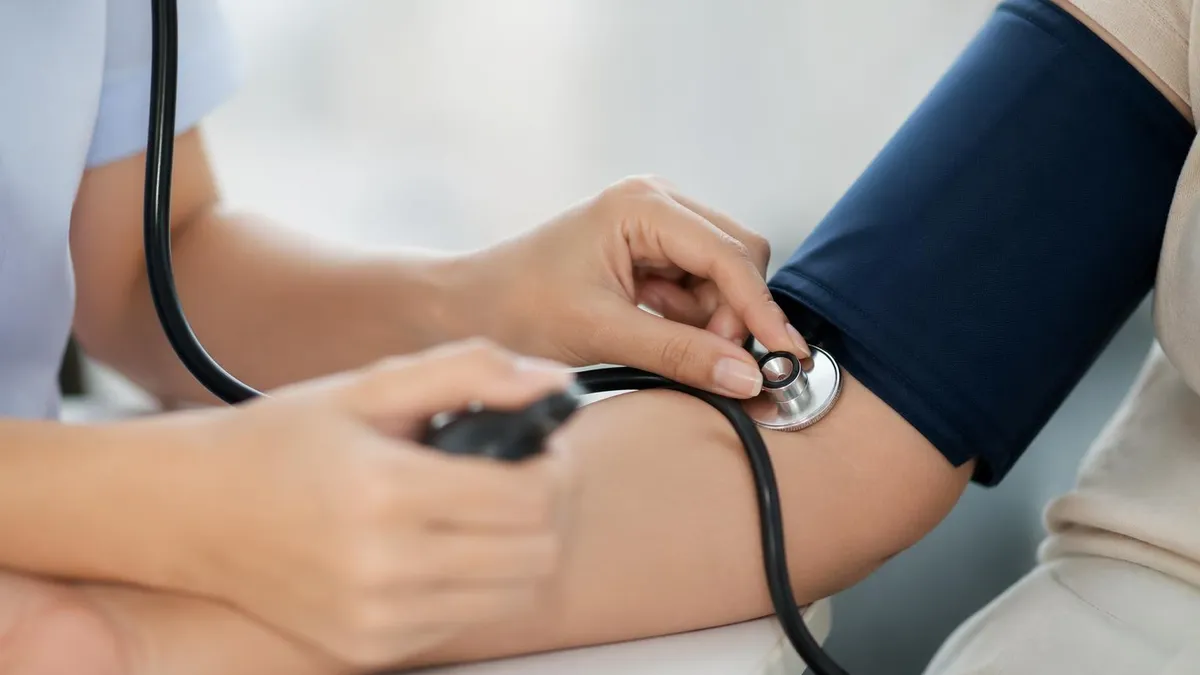
Take blood pressure measurement as an example. The full step-by-step sequence is: wash hands, greet patient, explain procedure, position arm at heart level, apply cuff 1 inch above antecubital space, palpate brachial artery, close valve, inflate to 180mmHg, release valve at 2-3mmHg per second, note systolic and diastolic sounds, deflate fully, remove cuff, record measurement, wash hands, and position call light. That's 15 steps. Miss the 'position arm at heart level' step? Your reading will be inaccurate, and you'll fail.
Write out the step-by-step sequence for each of the 22 skills on index cards. Practice with a partner who checks off each step as you perform it. Do each skill at least 10 times until the sequence feels automatic. When your hands know what to do without your brain having to think about it, you're ready for the test.
CNA Skills Test Preparation Checklist
- ✓Practice all 22 skills until you can perform each one without hesitating on any step
- ✓Wash hands before AND after every skill -- the number one reason for test failure
- ✓Say everything out loud: greet the patient by name, explain the procedure, ask for consent
- ✓Check call light placement and bed height at the start AND end of every skill
- ✓Practice with a timer -- most states allow 30-40 minutes total for all 5 skills
- ✓Focus extra time on the 10 most commonly tested skills across all states
- ✓Use a gait belt for ALL transfers and ambulation -- skipping it is an automatic failure
- ✓Practice blood pressure readings until you match within 4mmHg of a known value consistently
- ✓Study your specific state's skills list -- the checklist and time limits vary by state
- ✓Take written practice tests to reinforce clinical knowledge from a different angle
Mastering each cna skill individually isn't enough -- you need to practice performing 5 skills back-to-back within the time limit. Most students practice one skill at a time and never simulate the full test experience. Then on exam day, they nail the first two skills and run out of time on the last three. A cna skills list step by step only helps if you've practiced executing those steps at speed.
Set a 35-minute timer and randomly select 5 skills from the full list. Perform them in order with a partner acting as both patient and evaluator. After each round, review which steps you forgot or fumbled. Pay attention to transition time between skills -- washing hands, repositioning equipment, and resetting the bed all eat into your clock.
Your training program provides clinical hours for practice, but those hours alone aren't enough for most students. Practice at home with a bed, pillows, and a willing family member. You can simulate most skills without medical equipment. The point isn't perfection in a home setting -- it's building the muscle memory and verbal habits that carry into the testing environment. Students who practice at home in addition to clinical hours pass at significantly higher rates. Even 20 minutes per evening makes a measurable difference in your readiness and confidence on exam day.
Your cna skills checklist should include both the physical procedures and the soft skills that evaluators grade. Communication counts. You must address the patient by name (check the ID bracelet -- don't assume), introduce yourself, explain what you're about to do in plain language, and ask if they have questions. Prometric cna skills evaluators specifically mark whether you maintained eye contact and spoke at an appropriate volume.
Privacy is another scored element that students underestimate. Close the door, pull the curtain, and keep the patient draped at all times except the specific area you're working on. Even during a simple height and weight measurement, you should offer the patient a gown and close the curtain. Evaluators watch for this level of attention to dignity throughout every single skill.
After completing each skill, there's a standard closing sequence: make sure the patient is comfortable, place the call light within reach, lower the bed to its lowest position, raise side rails per facility policy, and wash your hands. Forgetting any of these closing steps -- especially the call light and bed position -- is one of the top 5 reasons students fail skills they otherwise performed perfectly. Write the closing sequence on an index card and recite it after every practice skill until it becomes automatic muscle memory that you don't need to think about consciously.
Three mistakes cause more CNA skills test failures than all others combined: (1) not washing hands before and after a procedure, (2) forgetting to identify the patient by name and ID bracelet, and (3) leaving the bed in a raised position after completing a skill. These errors result in automatic failure for that skill regardless of how well you performed the actual procedure. Practice these habits until they're reflexive.
If you're testing with Credentia, the format is slightly different from Prometric or Pearson VUE. Credentia cna skills evaluations may include a video recording component in some states, where your performance is reviewed by multiple evaluators rather than just the one in the room. The scoring criteria remain the same, but knowing the format in advance reduces surprise-related anxiety. Check your state's testing vendor before exam day.
The skills of a cna extend beyond what's on the test. In real clinical settings, you'll handle situations the exam doesn't cover: confused patients who resist care, equipment malfunctions, and emergencies that interrupt routine procedures. But the foundational skills -- hand hygiene, patient communication, body mechanics, and documentation -- transfer directly from the testing room to the hospital floor.
Many employers require new CNAs to demonstrate skills again during orientation, even though you've already passed the state exam. Hospitals, nursing homes, and home health agencies each have facility-specific protocols that build on your baseline CNA training. The better your foundation from test prep, the faster you'll adapt to any facility's particular requirements and expectations. Think of the skills test as your floor, not your ceiling -- everything you learn after certification builds on top of what you mastered during exam preparation.
CNA Practice Test Questions
Prepare for the CNA - Certified Nursing Assistant exam with our free practice test modules. Each quiz covers key topics to help you pass on your first try.
CNA Activities of Daily Living
CNA Exam Questions covering Activities of Daily Living. Master CNA Test concepts for certification prep.
CNA Aging Process
Free CNA Practice Test featuring Aging Process. Improve your CNA Exam score with mock test prep.
CNA Anatomy and Physiology Basics
CNA Mock Exam on Anatomy and Physiology Basics. CNA Study Guide questions to pass on your first try.
CNA Assisting with Daily Living
CNA Test Prep for Assisting with Daily Living. Practice CNA Quiz questions and boost your score.
CNA Assisting with Range of Motion Exercises
CNA Questions and Answers on Assisting with Range of Motion Exercises. Free CNA practice for exam readiness.
CNA Basic Human Anatomy and Age-Related Ch...
CNA Mock Test covering Basic Human Anatomy and Age-Related Changes. Online CNA Test practice with instant feedback.
CNA Basic Nursing Skills
Free CNA Quiz on Basic Nursing Skills. CNA Exam prep questions with detailed explanations.
CNA Basic Nursing Skills 10
CNA Practice Questions for Basic Nursing Skills 10. Build confidence for your CNA certification exam.
CNA Basic Nursing Skills 11
CNA Test Online for Basic Nursing Skills 11. Free practice with instant results and feedback.
CNA Basic Nursing Skills 1
CNA Study Material on Basic Nursing Skills 1. Prepare effectively with real exam-style questions.
CNA Basic Nursing Skills 12
Free CNA Test covering Basic Nursing Skills 12. Practice and track your CNA exam readiness.
CNA Basic Nursing Skills 13
CNA Exam Questions covering Basic Nursing Skills 13. Master CNA Test concepts for certification prep.
CNA Basic Nursing Skills 14
Free CNA Practice Test featuring Basic Nursing Skills 14. Improve your CNA Exam score with mock test prep.
CNA Basic Nursing Skills 15
CNA Mock Exam on Basic Nursing Skills 15. CNA Study Guide questions to pass on your first try.
CNA Basic Nursing Skills 16
CNA Test Prep for Basic Nursing Skills 16. Practice CNA Quiz questions and boost your score.
CNA Basic Nursing Skills 17
CNA Questions and Answers on Basic Nursing Skills 17. Free CNA practice for exam readiness.
CNA Basic Nursing Skills 18
CNA Mock Test covering Basic Nursing Skills 18. Online CNA Test practice with instant feedback.
CNA Basic Nursing Skills 19
Free CNA Quiz on Basic Nursing Skills 19. CNA Exam prep questions with detailed explanations.
CNA Basic Nursing Skills 20
CNA Practice Questions for Basic Nursing Skills 20. Build confidence for your CNA certification exam.
CNA Basic Nursing Skills 21
CNA Test Online for Basic Nursing Skills 21. Free practice with instant results and feedback.
CNA Basic Nursing Skills 2
CNA Study Material on Basic Nursing Skills 2. Prepare effectively with real exam-style questions.
CNA Basic Nursing Skills 3
Free CNA Test covering Basic Nursing Skills 3. Practice and track your CNA exam readiness.
CNA Basic Nursing Skills 4
CNA Exam Questions covering Basic Nursing Skills 4. Master CNA Test concepts for certification prep.
CNA Basic Nursing Skills 5
Free CNA Practice Test featuring Basic Nursing Skills 5. Improve your CNA Exam score with mock test prep.
CNA Basic Nursing Skills 6
CNA Mock Exam on Basic Nursing Skills 6. CNA Study Guide questions to pass on your first try.
CNA Basic Nursing Skills 7
CNA Test Prep for Basic Nursing Skills 7. Practice CNA Quiz questions and boost your score.
CNA Basic Nursing Skills 8
CNA Questions and Answers on Basic Nursing Skills 8. Free CNA practice for exam readiness.
CNA Basic Nursing Skills 9
CNA Mock Test covering Basic Nursing Skills 9. Online CNA Test practice with instant feedback.
CNA Basic Restorative Services
Free CNA Quiz on Basic Restorative Services. CNA Exam prep questions with detailed explanations.
CNA Basic Restorative Services 1
CNA Practice Questions for Basic Restorative Services 1. Build confidence for your CNA certification exam.
CNA Bathing and Dressing
CNA Test Online for Bathing and Dressing. Free practice with instant results and feedback.
CNA Body Mechanics
CNA Study Material on Body Mechanics. Prepare effectively with real exam-style questions.
CNA Career Advancement and Opportunities
Free CNA Test covering Career Advancement and Opportunities. Practice and track your CNA exam readiness.
CNA Career Opportunities and Benefits
CNA Exam Questions covering Career Opportunities and Benefits. Master CNA Test concepts for certification prep.
CNA Care for Residents with Cognitive Impa...
Free CNA Practice Test featuring Care for Residents with Cognitive Impairment. Improve your CNA Exam score with mock test prep.
CNA Care of Cognitively Impaired Residents
CNA Mock Exam on Care of Cognitively Impaired Residents. CNA Study Guide questions to pass on your first try.
CNA Care of Cognitively Impaired Residents 1
CNA Test Prep for Care of Cognitively Impaired Residents 1. Practice CNA Quiz questions and boost your score.
CNA Care Of Cognitively Impaired Residents 4
CNA Questions and Answers on Care Of Cognitively Impaired Residents 4. Free CNA practice for exam readiness.
CNA Common Medical Terms and Abbreviations
CNA Mock Test covering Common Medical Terms and Abbreviations. Online CNA Test practice with instant feedback.
CNA Communication and Interpersonal Skills
Free CNA Quiz on Communication and Interpersonal Skills. CNA Exam prep questions with detailed explanations.
CNA Communication and Interpersonal Skills 1
CNA Practice Questions for Communication and Interpersonal Skills 1. Build confidence for your CNA certification exam.
CNA Communication And Interpersonal Skills 4
CNA Test Online for Communication And Interpersonal Skills 4. Free practice with instant results and feedback.
CNA Eligibility and Qualifications
CNA Study Material on Eligibility and Qualifications. Prepare effectively with real exam-style questions.
CNA Emergency Procedure
Free CNA Test covering Emergency Procedure. Practice and track your CNA exam readiness.
CNA Ethics and Professionalism
CNA Exam Questions covering Ethics and Professionalism. Master CNA Test concepts for certification prep.
CNA Exam Structure and Content
Free CNA Practice Test featuring Exam Structure and Content. Improve your CNA Exam score with mock test prep.
CNA Feeding and Hydration
CNA Mock Exam on Feeding and Hydration. CNA Study Guide questions to pass on your first try.
CNA Infection Control
CNA Test Prep for Infection Control. Practice CNA Quiz questions and boost your score.
CNA Infection Control and Safety
CNA Questions and Answers on Infection Control and Safety. Free CNA practice for exam readiness.
CNA Isolation Precautions
CNA Mock Test covering Isolation Precautions. Online CNA Test practice with instant feedback.
CNA Legal & Ethical Behaviours
Free CNA Quiz on Legal & Ethical Behaviours. CNA Exam prep questions with detailed explanations.
CNA Legal & Ethical Behaviours 1
CNA Practice Questions for Legal & Ethical Behaviours 1. Build confidence for your CNA certification exam.
CNA Legal & Ethical Behaviours 4
CNA Test Online for Legal & Ethical Behaviours 4. Free practice with instant results and feedback.
CNA Mental Health and Social Services Needs
CNA Study Material on Mental Health and Social Services Needs. Prepare effectively with real exam-style questions.
CNA Mental Health and Social Services Needs 1
Free CNA Test covering Mental Health and Social Services Needs 1. Practice and track your CNA exam readiness.
CNA Mental Health And Social Services Needs 4
CNA Exam Questions covering Mental Health And Social Services Needs 4. Master CNA Test concepts for certification prep.
CNA Nutrition and Hydration Management
Free CNA Practice Test featuring Nutrition and Hydration Management. Improve your CNA Exam score with mock test prep.
CNA Patient Care Procedure
CNA Mock Exam on Patient Care Procedure. CNA Study Guide questions to pass on your first try.
CNA Personal Care Skills
CNA Test Prep for Personal Care Skills. Practice CNA Quiz questions and boost your score.
CNA Personal Care Skills 1
CNA Questions and Answers on Personal Care Skills 1. Free CNA practice for exam readiness.
CNA Personal Care Skills 4
CNA Mock Test covering Personal Care Skills 4. Online CNA Test practice with instant feedback.
CNA Personal Care Skills 5
Free CNA Quiz on Personal Care Skills 5. CNA Exam prep questions with detailed explanations.
CNA Personal Hygiene and Grooming
CNA Practice Questions for Personal Hygiene and Grooming. Build confidence for your CNA certification exam.
CNA Practice Test - Basic Nursing Skills #2
CNA Test Online for Practice Test - Basic Nursing Skills #2. Free practice with instant results and feedback.
CNA Practice Test - Basic Nursing Skills #2 1
CNA Study Material on Practice Test - Basic Nursing Skills #2 1. Prepare effectively with real exam-style questions.
CNA Preventing Patient Falls and Injuries
Free CNA Test covering Preventing Patient Falls and Injuries. Practice and track your CNA exam readiness.
CNA Promoting Resident Independence and Ch...
CNA Exam Questions covering Promoting Resident Independence and Choice. Master CNA Test concepts for certification prep.
CNA Proper Hand Hygiene and PPE Usage
Free CNA Practice Test featuring Proper Hand Hygiene and PPE Usage. Improve your CNA Exam score with mock test prep.
CNA Resident Rights and Communication
CNA Mock Exam on Resident Rights and Communication. CNA Study Guide questions to pass on your first try.
CNA Resident’s Rights
CNA Test Prep for Resident’s Rights. Practice CNA Quiz questions and boost your score.
CNA Resident's Rights 1
CNA Questions and Answers on Resident's Rights 1. Free CNA practice for exam readiness.
CNA Resident's Rights 4
CNA Mock Test covering Resident's Rights 4. Online CNA Test practice with instant feedback.
CNA Roles and Responsibilities
Free CNA Quiz on Roles and Responsibilities. CNA Exam prep questions with detailed explanations.
CNA Safety and Emergency Procedures
CNA Practice Questions for Safety and Emergency Procedures. Build confidence for your CNA certification exam.
CNA Safety and Emergency Procedures 1
CNA Test Online for Safety and Emergency Procedures 1. Free practice with instant results and feedback.
CNA Safety And Emergency Procedures 4
CNA Study Material on Safety And Emergency Procedures 4. Prepare effectively with real exam-style questions.
CNA Safety and Infection Control
Free CNA Test covering Safety and Infection Control. Practice and track your CNA exam readiness.
CNA Scope of Practice
CNA Exam Questions covering Scope of Practice. Master CNA Test concepts for certification prep.
CNA Skills and Competencies
Free CNA Practice Test featuring Skills and Competencies. Improve your CNA Exam score with mock test prep.
CNA Supporting Rehabilitation Activities
CNA Mock Exam on Supporting Rehabilitation Activities. CNA Study Guide questions to pass on your first try.
CNA The Nurse Aide's Role and Responsibili...
CNA Test Prep for The Nurse Aide's Role and Responsibilities. Practice CNA Quiz questions and boost your score.
CNA Time Management and Prioritization
CNA Questions and Answers on Time Management and Prioritization. Free CNA practice for exam readiness.
CNA Toileting and Elimination
CNA Mock Test covering Toileting and Elimination. Online CNA Test practice with instant feedback.
CNA Using Adaptive Devices
CNA Practice Questions for Using Adaptive Devices. Build confidence for your CNA certification exam.
Passing the credentia cna skills test -- or any vendor's clinical exam -- comes down to preparation quality, not quantity. Students who practice 5 focused hours outperform those who practice 15 unfocused hours every time. Each practice session should target one or two specific skills with full step-by-step execution, verbal communication included. Don't practice silently -- on test day you must speak out loud, so train that way.
The skills as a cna you develop during test prep become the professional habits you carry throughout your career. Rushing through handwashing during practice means rushing through it with real patients. Skipping the curtain during a simulated bed bath means forgetting privacy in a real nursing home. Treat every practice session as if it's your actual test, and your actual test will feel like just another practice session. That mental shift -- from 'just practicing' to 'performing for real' -- separates students who pass on the first attempt from those who need costly retakes.
Your next step is straightforward: get the official skills checklist from your state board of nursing, practice each skill 10+ times with a partner, take written practice quizzes to reinforce the clinical concepts, and schedule your exam when you can perform all 22 skills without hesitation. The test is passable.
Thousands of CNAs pass it every month across all 50 states. You just need to prepare the right way -- systematically, consistently, and with zero shortcuts on infection control. Your career in healthcare starts the moment you walk into that testing room ready to demonstrate what you've practiced. Make every single rep count, and the certification will follow.
Sample CNA Practice Questions
Try these questions from our free CNA practice tests. The correct answer and an explanation follow each question.
A CNA has just removed gloves after assisting a resident with toileting. What is the correct next step?
- A. Apply hand sanitizer over the outside of the gloves before removing them
- B. Perform hand hygiene immediately after glove removal
- C. Put on a new pair of gloves before touching any other surface
- D. Wipe hands with a clean paper towel without additional hand hygiene
Answer: B. Perform hand hygiene immediately after glove removal
Gloves can have small, invisible tears and hands can become contaminated during removal. Performing hand hygiene immediately after glove removal is a fundamental infection control standard that prevents the spread of microorganisms.
When measuring and recording a resident's blood pressure, the CNA gets a reading of 168/96 mmHg on the first attempt. The BEST next step is to:
- A. Record the reading and tell the resident their blood pressure is normal
- B. Wait two to three minutes, retake the reading, and report both results to the nurse
- C. Immediately administer the resident's antihypertensive medication
- D. Pump the cuff up again right away and retake the reading without waiting
Answer: B. Wait two to three minutes, retake the reading, and report both results to the nurse
Allowing two to three minutes for venous refilling and retaking the measurement confirms accuracy before reporting an elevated reading to the nurse.
Why is it important to monitor fluid intake and output?
- A. To track food preferences
- B. To identify patient appetite
- C. To monitor hydration and kidney function
- D. To limit fluid intake
Answer: C. To monitor hydration and kidney function
Monitoring fluid intake and output (I&O) is vital for assessing a patient's hydration status and kidney function. It helps identify imbalances like dehydration or fluid overload, which can significantly impact health. This data provides crucial information for the nursing team to make informed decisions about patient care and treatment plans.
The speech therapist has recommended thickened liquids for a patient with dysphagia. A family member offers the patient a thin beverage. What should the CNA do?
- A. Allow it since family has authority over the patient
- B. Explain the diet restriction and offer a thickened alternative
- C. Report it to the charge nurse only after the patient drinks it
- D. Remove the beverage without speaking to the family
Answer: B. Explain the diet restriction and offer a thickened alternative
The CNA should educate the family and provide the correct dietary option to maintain patient safety.
CNA Questions and Answers
Restorative CNA: Duties, Training, Salary & How to Get Started
CNA Hospital Jobs Near Me: How to Find, Apply & Get Hired in 2026

Goodwill CNA Program: Free Classes, Costs, and How to Enroll
Hospice CNA: Duties, Salary, Per Diem Work & How to Get Started
4-Week CNA Program: Online Options, State Programs & How to Enroll
About the Author

Registered Nurse & Healthcare Educator
Johns Hopkins University School of NursingDr. Sarah Mitchell is a board-certified registered nurse with over 15 years of clinical and academic experience. She completed her PhD in Nursing Science at Johns Hopkins University and has taught NCLEX preparation and clinical skills courses for nursing students across the United States. Her research focuses on evidence-based exam preparation strategies for healthcare certification candidates.
Join the Discussion
Connect with other students preparing for this exam. Share tips, ask questions, and get advice from people who have been there.
View discussion (8 replies)