
CNA Classes Online: Top Programs, Free Courses & Certification Guide
Pass the CNA Classes Online: Top Programs, Free exam with confidence. Practice questions with detailed explanations and instant feedback on every answer. ✅

If you're looking into CNA classes online, you've picked one of the fastest-growing paths into healthcare. These programs let you study patient care fundamentals, infection control, and clinical skills from your own home — on your own schedule. Whether you're a career changer or a recent grad, online CNA training puts you on the road to certification without sitting in a traditional classroom every day.
CNA online programs have exploded in popularity since 2020. Most state boards now accept hybrid formats where you complete didactic coursework remotely and finish hands-on clinical hours at an approved facility near you. That blend of flexibility and real-world practice is exactly what makes these programs so appealing — you don't sacrifice quality, and you gain time back in your week.
Before you enroll, though, it's worth understanding what separates a strong program from a mediocre one. Accreditation matters. State approval matters. Clinical site availability matters. Throughout this guide, you'll find breakdowns of program types, cost comparisons, and tips for picking the right fit. We'll also cover free options, timeline expectations, and what the certification exam actually looks like so you can walk in prepared and confident.
The demand for certified nursing assistants keeps climbing. Hospitals, assisted living facilities, and home health agencies across the country are actively hiring — and many are willing to sponsor your training. That kind of employer investment signals just how strong the job market is right now for people with CNA credentials, especially those who completed their coursework through flexible online formats.

Not all CNA online programs follow the same format, and understanding the differences saves you from picking the wrong one. The most common setup is a hybrid model — you watch lectures, complete reading assignments, and take quizzes online, then finish your clinical rotation at a local nursing facility. This format satisfies state requirements while giving you real flexibility during the didactic portion.
Fully online CNA programs do exist, but they're rare and typically only cover the classroom component. Online CNA programs that advertise "100% remote" usually mean they'll help you arrange clinical hours separately. Some states won't accept fully remote training at all, so checking your state board's stance is the first step before you commit any money.
Community colleges, vocational schools, and private training centers all offer these programs. Community colleges tend to be the cheapest — sometimes under $500 for residents. Private training companies charge more but often promise faster completion. The trade-off is speed versus cost, and both paths lead to the same certification exam at the end.
Military spouses and veterans also have access to specialized funding for CNA training through programs like MyCAA and the GI Bill. These benefits can cover the full cost of an approved program, including materials and exam fees. If you qualify, it's essentially free training with zero work commitment required afterward — a significant advantage over employer-sponsored options.
When evaluating any CNA online program, accreditation should sit at the top of your checklist. Programs approved by your state's nursing board guarantee that your training counts toward CNA online certification — meaning you'll actually be eligible to sit for the competency exam. Without that approval, you've wasted both time and tuition dollars.
Most states require a minimum of 75 training hours, though many set the bar higher. California mandates 150 hours; New York requires 135. Your CNA online program should clearly outline how many hours of classroom instruction and clinical practice you'll complete. If a program doesn't spell this out upfront, that's a red flag worth taking seriously.
Look for programs that include exam prep materials as part of the package. Practice tests, skills checklists, and review sessions make a measurable difference in pass rates. The best programs also assign you a clinical coordinator who handles placement logistics — finding a facility, scheduling hours, and confirming your paperwork with the state board.
Student support services matter more than people realize. Programs that offer tutoring, instructor office hours, and career placement assistance tend to produce higher pass rates and better employment outcomes. Ask about these resources before enrolling — they can make the difference between finishing strong and struggling through the final weeks on your own.
Types of Online CNA Programs
Hybrid CNA programs combine online coursework with in-person clinical hours. You'll study medical terminology, patient rights, and infection control from home, then complete 16–40 hours of supervised clinical practice at a nearby healthcare facility. This is the most widely accepted format across all 50 states and typically takes 4–8 weeks to finish.
Free online CNA courses with certificate of completion do exist — you just have to know where to look. Several community colleges offer tuition-free CNA training funded by state workforce development grants. These programs target students in underserved areas or those transitioning from other industries, and they cover everything from classroom instruction to clinical placement.
Online CNA certification classes through employer-sponsored programs are another solid option. Nursing homes and long-term care facilities facing staffing shortages will often pay for your entire training in exchange for a commitment to work at their facility for six months to a year. You get certified for free, gain immediate employment, and start building real experience on day one.
Scholarship programs and federal financial aid can also bring costs to zero. Pell Grants cover CNA training at many community colleges, and organizations like the American Red Cross occasionally run free or low-cost CNA courses in select cities. The key is applying early — these spots fill fast, sometimes months before the program starts.
Picking the right CNA training program online starts with checking your state's specific requirements. Each state nursing board publishes a list of approved programs, and enrolling in one that isn't on that list means your training won't count. It sounds obvious, but it trips people up more often than you'd think — especially with the number of unapproved programs advertising aggressively on social media.
An online CNA class should give you clear timelines for completion. If a program says "complete at your own pace" but doesn't mention clinical scheduling, dig deeper. Clinicals require coordination with a facility, instructor availability, and sometimes background checks that can take weeks to process. The best programs handle this logistics for you and build clinical scheduling into the overall timeline.
Cost transparency is another marker of a quality program. Tuition should cover textbooks, lab supplies, background check fees, and exam registration — or at least clearly list what's extra. Hidden fees are unfortunately common in private training programs, and they can push a $600 program past $1,200 once you add everything up.
Talk to recent graduates before committing. Most quality programs are happy to connect prospective students with alumni. Ask them about the clinical experience, instructor responsiveness, and how well the program prepared them for the state exam. First-hand feedback reveals things that marketing brochures never will — and it only takes a couple of conversations to spot the patterns.
Pros and Cons of Online CNA Training
- +Study on your own schedule — no commuting to a classroom
- +Often cheaper than traditional in-person programs
- +Access to recorded lectures you can rewatch before exams
- +Programs available nationwide regardless of your location
- +Faster completion — some programs finish in 4 weeks
- +Employer-sponsored options can make training completely free
- −Clinical hours still require in-person attendance
- −Self-discipline needed — no instructor watching over you
- −Some states don't accept fully online didactic training
- −Limited hands-on practice until you reach clinicals
- −Not all online programs hold proper accreditation
- −Technical issues can disrupt live virtual sessions
Pros and Cons at a Glance
| Pros | Cons |
|---|---|
| Study on your own schedule — no commuting to a classroom | Clinical hours still require in-person attendance |
| Often cheaper than traditional in-person programs | Self-discipline needed — no instructor watching over you |
| Access to recorded lectures you can rewatch before exams | Some states don't accept fully online didactic training |
| Programs available nationwide regardless of your location | Limited hands-on practice until you reach clinicals |
| Employer-sponsored options can make training completely free | Not all online programs hold proper accreditation |
Your CNA online class experience largely depends on the platform the program uses. Most training providers run their courses through learning management systems like Canvas, Blackboard, or proprietary portals. You'll log in, watch video lectures, complete reading assignments, and take graded quizzes. Some programs also include live virtual sessions where an instructor walks you through clinical scenarios in real time.
Being CNA online means you need reliable internet and a quiet study space. That might sound basic, but students who underestimate the technology requirements end up frustrated. A stable connection, a laptop or tablet with a working camera (for proctored exams), and headphones for video content — that's the minimum setup. Most programs also require you to use a specific browser or install exam-proctoring software.
Study groups can be a major advantage even in an online format. Many programs include discussion boards or group projects, and connecting with classmates makes the material stick. You'll quiz each other, share notes, and hold each other accountable for staying on track — which matters a lot when nobody's physically checking that you showed up.
Time management separates students who finish on time from those who fall behind. Block out specific study hours each day and treat them like a job — because in a few weeks, they'll become one. Most successful online CNA students dedicate two to three hours per day to coursework, which leaves plenty of room for other responsibilities.
Checklist: Before You Enroll in an Online CNA Program
- ✓Verify the program is approved by your state nursing board
- ✓Confirm clinical placement is included or arranged by the program
- ✓Check total costs including textbooks, supplies, and exam fees
- ✓Read reviews from recent graduates on third-party sites
- ✓Ensure the platform works on your computer and internet connection
- ✓Ask about pass rates for the state competency exam
- ✓Confirm the program meets your state's minimum training hours
- ✓Check if financial aid, scholarships, or payment plans are available
- ✓Verify the background check and immunization requirements
- ✓Ask how long you have to complete the program after enrollment
Online CNA courses range from completely free to over $2,000, depending on the institution and your state. Community colleges typically charge between $500 and $1,200 for their CNA programs, which often includes textbook access and clinical placement coordination. If you're a state resident, you'll usually pay significantly less — sometimes half of what out-of-state students pay.
CNA courses online free options do exist, but they come with conditions. Free programs through employers require a work commitment. Free programs through workforce development agencies may have income or residency requirements. And some "free" programs only cover tuition — you'll still pay for background checks, scrubs, a stethoscope, and the state exam fee, which ranges from $75 to $170 depending on where you live.
The return on investment is strong regardless of what you pay. Entry-level CNAs earn between $30,000 and $40,000 annually, with higher pay in hospitals and urban areas. Experienced CNAs working night shifts or in specialized units can earn over $45,000. When your total training cost is under $2,000 and the program takes just a few weeks, the payoff comes fast.
Don't forget about continuing education costs after you're certified. Most states require a small number of in-service training hours annually, which your employer typically provides at no charge. Renewal fees for the nurse aide registry are usually modest — between $25 and $75 every two years — making CNA certification one of the most affordable healthcare credentials to maintain long-term.
An online CNA program gets you through the classroom material, but the real finish line is passing your state's competency exam. This test has two parts: a written (or oral) knowledge exam and a hands-on skills evaluation. You'll demonstrate procedures like handwashing, blood pressure measurement, and patient transfers in front of a state-approved evaluator.
CNA certification classes online should prepare you for both sections. The written portion typically includes 55–80 multiple-choice questions (70 on the NNAAP) covering patient care, safety, infection control, communication, and legal/ethical issues. Credentia's NNAAP gives you 2 hours (Prometric states allow 90 minutes), and the passing score is set by your state.
The skills test is where clinical hours pay off. You'll perform five randomly selected nursing procedures, and each one must be done correctly — missing a critical step means an automatic fail for that skill. Programs with strong clinical components give you enough practice repetitions that these procedures feel second nature by exam day.
Some online CNA programs advertise aggressively but lack state nursing board approval. Completing an unapproved program means you can't sit for the certification exam in your state. Always verify approval directly on your state board's website before paying any tuition or fees.
Online CNA training programs vary in length, but most fall between four and twelve weeks. Accelerated programs — especially those offered by private training companies — can get you through the didactic material in as little as two weeks. However, scheduling clinical hours often adds another two to four weeks on top of that, so the total timeline from enrollment to exam day is usually six to eight weeks at minimum.
A CNA certification online course typically requires between 75 and 180 total training hours, depending on your state. Those hours split roughly 50/50 between classroom instruction and clinical practice, though some states weight clinical hours more heavily. Understanding this split helps you plan your schedule realistically — 150 hours over four weeks means roughly 37 hours per week of combined study and clinical time.
After you pass the competency exam, your state adds you to the nurse aide registry. This registry listing is your official credential — employers verify it before hiring. Most states require renewal every two years, along with proof that you've worked as a CNA during that period and completed any required continuing education hours.
CNA Practice Test Questions
Prepare for the CNA - Certified Nursing Assistant exam with our free practice test modules. Each quiz covers key topics to help you pass on your first try.
CNA Activities of Daily Living
CNA Exam Questions covering Activities of Daily Living. Master CNA Test concepts for certification prep.
CNA Aging Process
Free CNA Practice Test featuring Aging Process. Improve your CNA Exam score with mock test prep.
CNA Anatomy and Physiology Basics
CNA Mock Exam on Anatomy and Physiology Basics. CNA Study Guide questions to pass on your first try.
CNA Assisting with Daily Living
CNA Test Prep for Assisting with Daily Living. Practice CNA Quiz questions and boost your score.
CNA Assisting with Range of Motion Exercises
CNA Questions and Answers on Assisting with Range of Motion Exercises. Free CNA practice for exam readiness.
CNA Basic Human Anatomy and Age-Related Ch...
CNA Mock Test covering Basic Human Anatomy and Age-Related Changes. Online CNA Test practice with instant feedback.
CNA Basic Nursing Skills
Free CNA Quiz on Basic Nursing Skills. CNA Exam prep questions with detailed explanations.
CNA Basic Nursing Skills 10
CNA Practice Questions for Basic Nursing Skills 10. Build confidence for your CNA certification exam.
CNA Basic Nursing Skills 11
CNA Test Online for Basic Nursing Skills 11. Free practice with instant results and feedback.
CNA Basic Nursing Skills 1
CNA Study Material on Basic Nursing Skills 1. Prepare effectively with real exam-style questions.
CNA Basic Nursing Skills 12
Free CNA Test covering Basic Nursing Skills 12. Practice and track your CNA exam readiness.
CNA Basic Nursing Skills 13
CNA Exam Questions covering Basic Nursing Skills 13. Master CNA Test concepts for certification prep.
CNA Basic Nursing Skills 14
Free CNA Practice Test featuring Basic Nursing Skills 14. Improve your CNA Exam score with mock test prep.
CNA Basic Nursing Skills 15
CNA Mock Exam on Basic Nursing Skills 15. CNA Study Guide questions to pass on your first try.
CNA Basic Nursing Skills 16
CNA Test Prep for Basic Nursing Skills 16. Practice CNA Quiz questions and boost your score.
CNA Basic Nursing Skills 17
CNA Questions and Answers on Basic Nursing Skills 17. Free CNA practice for exam readiness.
CNA Basic Nursing Skills 18
CNA Mock Test covering Basic Nursing Skills 18. Online CNA Test practice with instant feedback.
CNA Basic Nursing Skills 19
Free CNA Quiz on Basic Nursing Skills 19. CNA Exam prep questions with detailed explanations.
CNA Basic Nursing Skills 20
CNA Practice Questions for Basic Nursing Skills 20. Build confidence for your CNA certification exam.
CNA Basic Nursing Skills 21
CNA Test Online for Basic Nursing Skills 21. Free practice with instant results and feedback.
CNA Basic Nursing Skills 2
CNA Study Material on Basic Nursing Skills 2. Prepare effectively with real exam-style questions.
CNA Basic Nursing Skills 3
Free CNA Test covering Basic Nursing Skills 3. Practice and track your CNA exam readiness.
CNA Basic Nursing Skills 4
CNA Exam Questions covering Basic Nursing Skills 4. Master CNA Test concepts for certification prep.
CNA Basic Nursing Skills 5
Free CNA Practice Test featuring Basic Nursing Skills 5. Improve your CNA Exam score with mock test prep.
CNA Basic Nursing Skills 6
CNA Mock Exam on Basic Nursing Skills 6. CNA Study Guide questions to pass on your first try.
CNA Basic Nursing Skills 7
CNA Test Prep for Basic Nursing Skills 7. Practice CNA Quiz questions and boost your score.
CNA Basic Nursing Skills 8
CNA Questions and Answers on Basic Nursing Skills 8. Free CNA practice for exam readiness.
CNA Basic Nursing Skills 9
CNA Mock Test covering Basic Nursing Skills 9. Online CNA Test practice with instant feedback.
CNA Basic Restorative Services
Free CNA Quiz on Basic Restorative Services. CNA Exam prep questions with detailed explanations.
CNA Basic Restorative Services 1
CNA Practice Questions for Basic Restorative Services 1. Build confidence for your CNA certification exam.
CNA Bathing and Dressing
CNA Test Online for Bathing and Dressing. Free practice with instant results and feedback.
CNA Body Mechanics
CNA Study Material on Body Mechanics. Prepare effectively with real exam-style questions.
CNA Career Advancement and Opportunities
Free CNA Test covering Career Advancement and Opportunities. Practice and track your CNA exam readiness.
CNA Career Opportunities and Benefits
CNA Exam Questions covering Career Opportunities and Benefits. Master CNA Test concepts for certification prep.
CNA Care for Residents with Cognitive Impa...
Free CNA Practice Test featuring Care for Residents with Cognitive Impairment. Improve your CNA Exam score with mock test prep.
CNA Care of Cognitively Impaired Residents
CNA Mock Exam on Care of Cognitively Impaired Residents. CNA Study Guide questions to pass on your first try.
CNA Care of Cognitively Impaired Residents 1
CNA Test Prep for Care of Cognitively Impaired Residents 1. Practice CNA Quiz questions and boost your score.
CNA Care Of Cognitively Impaired Residents 4
CNA Questions and Answers on Care Of Cognitively Impaired Residents 4. Free CNA practice for exam readiness.
CNA Common Medical Terms and Abbreviations
CNA Mock Test covering Common Medical Terms and Abbreviations. Online CNA Test practice with instant feedback.
CNA Communication and Interpersonal Skills
Free CNA Quiz on Communication and Interpersonal Skills. CNA Exam prep questions with detailed explanations.
CNA Communication and Interpersonal Skills 1
CNA Practice Questions for Communication and Interpersonal Skills 1. Build confidence for your CNA certification exam.
CNA Communication And Interpersonal Skills 4
CNA Test Online for Communication And Interpersonal Skills 4. Free practice with instant results and feedback.
CNA Eligibility and Qualifications
CNA Study Material on Eligibility and Qualifications. Prepare effectively with real exam-style questions.
CNA Emergency Procedure
Free CNA Test covering Emergency Procedure. Practice and track your CNA exam readiness.
CNA Ethics and Professionalism
CNA Exam Questions covering Ethics and Professionalism. Master CNA Test concepts for certification prep.
CNA Exam Structure and Content
Free CNA Practice Test featuring Exam Structure and Content. Improve your CNA Exam score with mock test prep.
CNA Feeding and Hydration
CNA Mock Exam on Feeding and Hydration. CNA Study Guide questions to pass on your first try.
CNA Infection Control
CNA Test Prep for Infection Control. Practice CNA Quiz questions and boost your score.
CNA Infection Control and Safety
CNA Questions and Answers on Infection Control and Safety. Free CNA practice for exam readiness.
CNA Isolation Precautions
CNA Mock Test covering Isolation Precautions. Online CNA Test practice with instant feedback.
CNA Legal & Ethical Behaviours
Free CNA Quiz on Legal & Ethical Behaviours. CNA Exam prep questions with detailed explanations.
CNA Legal & Ethical Behaviours 1
CNA Practice Questions for Legal & Ethical Behaviours 1. Build confidence for your CNA certification exam.
CNA Legal & Ethical Behaviours 4
CNA Test Online for Legal & Ethical Behaviours 4. Free practice with instant results and feedback.
CNA Mental Health and Social Services Needs
CNA Study Material on Mental Health and Social Services Needs. Prepare effectively with real exam-style questions.
CNA Mental Health and Social Services Needs 1
Free CNA Test covering Mental Health and Social Services Needs 1. Practice and track your CNA exam readiness.
CNA Mental Health And Social Services Needs 4
CNA Exam Questions covering Mental Health And Social Services Needs 4. Master CNA Test concepts for certification prep.
CNA Nutrition and Hydration Management
Free CNA Practice Test featuring Nutrition and Hydration Management. Improve your CNA Exam score with mock test prep.
CNA Patient Care Procedure
CNA Mock Exam on Patient Care Procedure. CNA Study Guide questions to pass on your first try.
CNA Personal Care Skills
CNA Test Prep for Personal Care Skills. Practice CNA Quiz questions and boost your score.
CNA Personal Care Skills 1
CNA Questions and Answers on Personal Care Skills 1. Free CNA practice for exam readiness.
CNA Personal Care Skills 4
CNA Mock Test covering Personal Care Skills 4. Online CNA Test practice with instant feedback.
CNA Personal Care Skills 5
Free CNA Quiz on Personal Care Skills 5. CNA Exam prep questions with detailed explanations.
CNA Personal Hygiene and Grooming
CNA Practice Questions for Personal Hygiene and Grooming. Build confidence for your CNA certification exam.
CNA Practice Test - Basic Nursing Skills #2
CNA Test Online for Practice Test - Basic Nursing Skills #2. Free practice with instant results and feedback.
CNA Practice Test - Basic Nursing Skills #2 1
CNA Study Material on Practice Test - Basic Nursing Skills #2 1. Prepare effectively with real exam-style questions.
CNA Preventing Patient Falls and Injuries
Free CNA Test covering Preventing Patient Falls and Injuries. Practice and track your CNA exam readiness.
CNA Promoting Resident Independence and Ch...
CNA Exam Questions covering Promoting Resident Independence and Choice. Master CNA Test concepts for certification prep.
CNA Proper Hand Hygiene and PPE Usage
Free CNA Practice Test featuring Proper Hand Hygiene and PPE Usage. Improve your CNA Exam score with mock test prep.
CNA Resident Rights and Communication
CNA Mock Exam on Resident Rights and Communication. CNA Study Guide questions to pass on your first try.
CNA Resident’s Rights
CNA Test Prep for Resident’s Rights. Practice CNA Quiz questions and boost your score.
CNA Resident's Rights 1
CNA Questions and Answers on Resident's Rights 1. Free CNA practice for exam readiness.
CNA Resident's Rights 4
CNA Mock Test covering Resident's Rights 4. Online CNA Test practice with instant feedback.
CNA Roles and Responsibilities
Free CNA Quiz on Roles and Responsibilities. CNA Exam prep questions with detailed explanations.
CNA Safety and Emergency Procedures
CNA Practice Questions for Safety and Emergency Procedures. Build confidence for your CNA certification exam.
CNA Safety and Emergency Procedures 1
CNA Test Online for Safety and Emergency Procedures 1. Free practice with instant results and feedback.
CNA Safety And Emergency Procedures 4
CNA Study Material on Safety And Emergency Procedures 4. Prepare effectively with real exam-style questions.
CNA Safety and Infection Control
Free CNA Test covering Safety and Infection Control. Practice and track your CNA exam readiness.
CNA Scope of Practice
CNA Exam Questions covering Scope of Practice. Master CNA Test concepts for certification prep.
CNA Skills and Competencies
Free CNA Practice Test featuring Skills and Competencies. Improve your CNA Exam score with mock test prep.
CNA Supporting Rehabilitation Activities
CNA Mock Exam on Supporting Rehabilitation Activities. CNA Study Guide questions to pass on your first try.
CNA The Nurse Aide's Role and Responsibili...
CNA Test Prep for The Nurse Aide's Role and Responsibilities. Practice CNA Quiz questions and boost your score.
CNA Time Management and Prioritization
CNA Questions and Answers on Time Management and Prioritization. Free CNA practice for exam readiness.
CNA Toileting and Elimination
CNA Mock Test covering Toileting and Elimination. Online CNA Test practice with instant feedback.
CNA Using Adaptive Devices
CNA Practice Questions for Using Adaptive Devices. Build confidence for your CNA certification exam.
Many students search for online CNA classes near me hoping to find a program with convenient clinical sites in their area. The good news is that most hybrid programs partner with facilities across wide geographic areas — so even if the school itself is in another city, your clinical rotation can happen locally. Program coordinators typically maintain lists of partnered facilities organized by zip code or region.
An online CNA degree isn't technically a thing — CNA training results in a certificate or credential, not a degree. But the confusion is understandable since many community colleges list CNA programs alongside their degree offerings. What you earn after completing training and passing the state exam is a certification that places you on the nurse aide registry, which is all you need to start working as a CNA.
Some students use CNA certification as a stepping stone toward higher nursing credentials. If that's your plan, completing your CNA training online gives you a head start. Many LPN and RN programs award credit for CNA coursework, and having hands-on patient care experience makes you a stronger applicant. It's a smart career ladder strategy — get certified, start earning, and study for the next credential while you work.
The job market for CNAs varies by region, but demand is strong almost everywhere. Rural areas and smaller towns often have the most openings relative to population, and some facilities offer signing bonuses or relocation assistance to attract candidates. Urban hospitals pay more on average but face stiffer competition. Checking local job boards before you enroll gives you a realistic sense of what opportunities exist in your area and what pay range to expect right out of training.
Sample CNA Practice Questions
Try these questions from our free CNA practice tests. The correct answer and an explanation follow each question.
What is the correct way to measure a patient’s respiratory rate?
- A. Count for 15 seconds and multiply by 4
- B. Ask the patient to count breaths
- C. Watch the chest rise and fall for 60 seconds
- D. Estimate based on activity
Answer: C. Watch the chest rise and fall for 60 seconds
To accurately measure a patient's respiratory rate, a CNA should observe the chest rise and fall for a full 60 seconds. This method accounts for irregular breathing patterns and ensures a precise count, as counting for shorter periods and multiplying can lead to inaccuracies. It's important to do this discreetly, as patients may alter their breathing if they know it's being observed.
When giving a back rub, the CNA should avoid massaging:
- A. The lower back and lumbar area
- B. Over bony prominences that appear reddened
- C. The upper back and shoulder area
- D. Along the sides of the spine
Answer: B. Over bony prominences that appear reddened
Massaging a reddened bony prominence can further damage fragile tissue that may already be in early-stage pressure injury.
Which action best prevents friction and shear when repositioning a resident?
- A. Pulling the resident across the bed sheets
- B. Using a lift sheet or draw sheet to move the resident
- C. Repositioning the resident only once per shift
- D. Raising the head of the bed to 90 degrees first
Answer: B. Using a lift sheet or draw sheet to move the resident
A lift or draw sheet allows smooth repositioning without dragging the skin across bed linens, preventing friction and shear injuries.
When using validation therapy with a cognitively impaired resident who believes she needs to pick up her children from school, the CNA should:
- A. Firmly correct the resident and explain her children are adults
- B. Acknowledge her feelings and redirect gently
- C. Ignore the request entirely
- D. Tell her the children already came home
Answer: B. Acknowledge her feelings and redirect gently
Validation therapy involves acknowledging the resident's feelings and emotional reality rather than correcting factual errors, which reduces distress.
CNA Questions and Answers
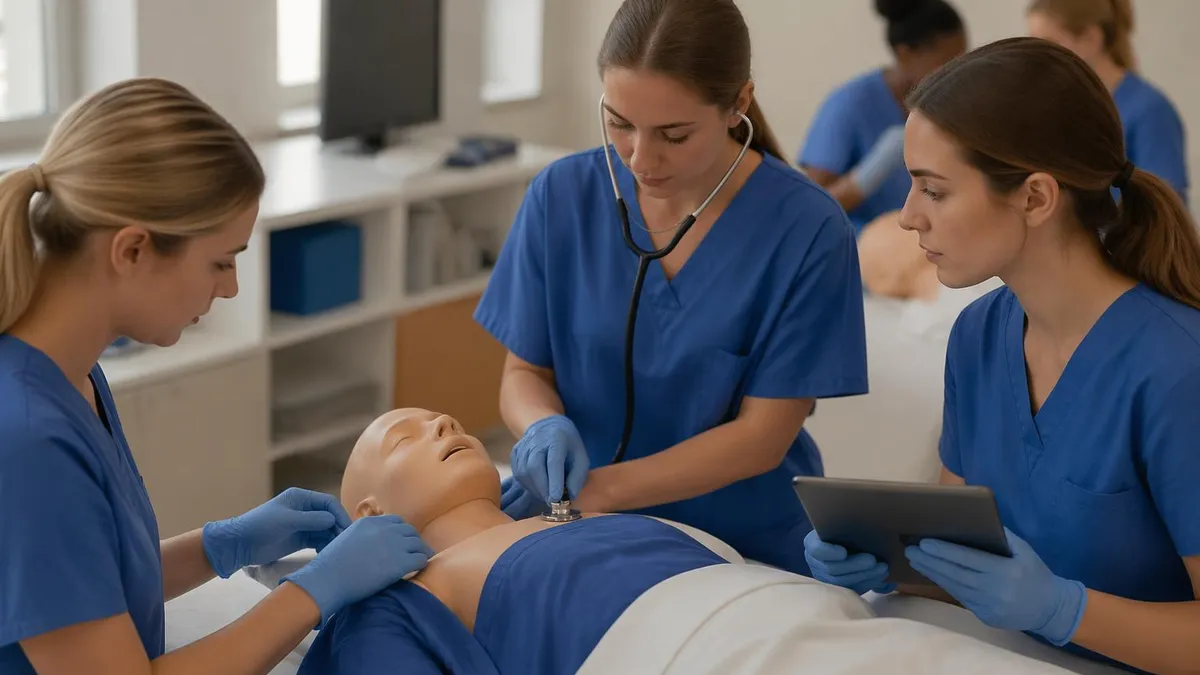
Restorative CNA: Duties, Training, Salary & How to Get Started
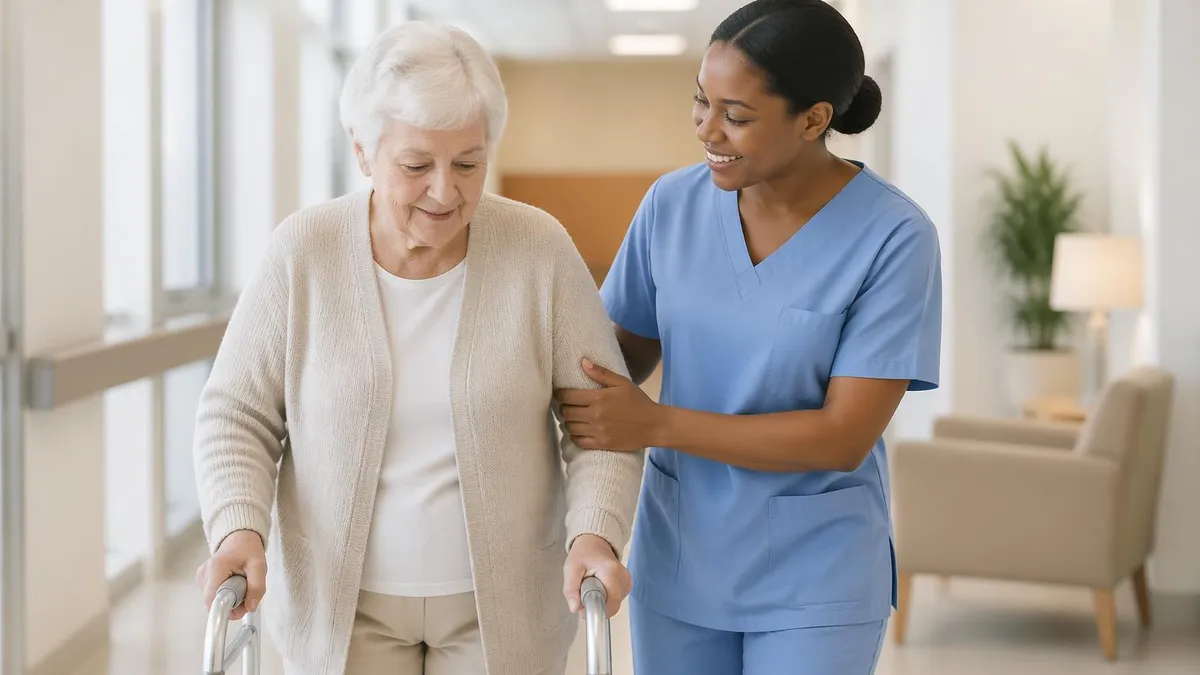
CNA Hospital Jobs Near Me: How to Find, Apply & Get Hired in 2026

Goodwill CNA Program: Free Classes, Costs, and How to Enroll

Hospice CNA: Duties, Salary, Per Diem Work & How to Get Started
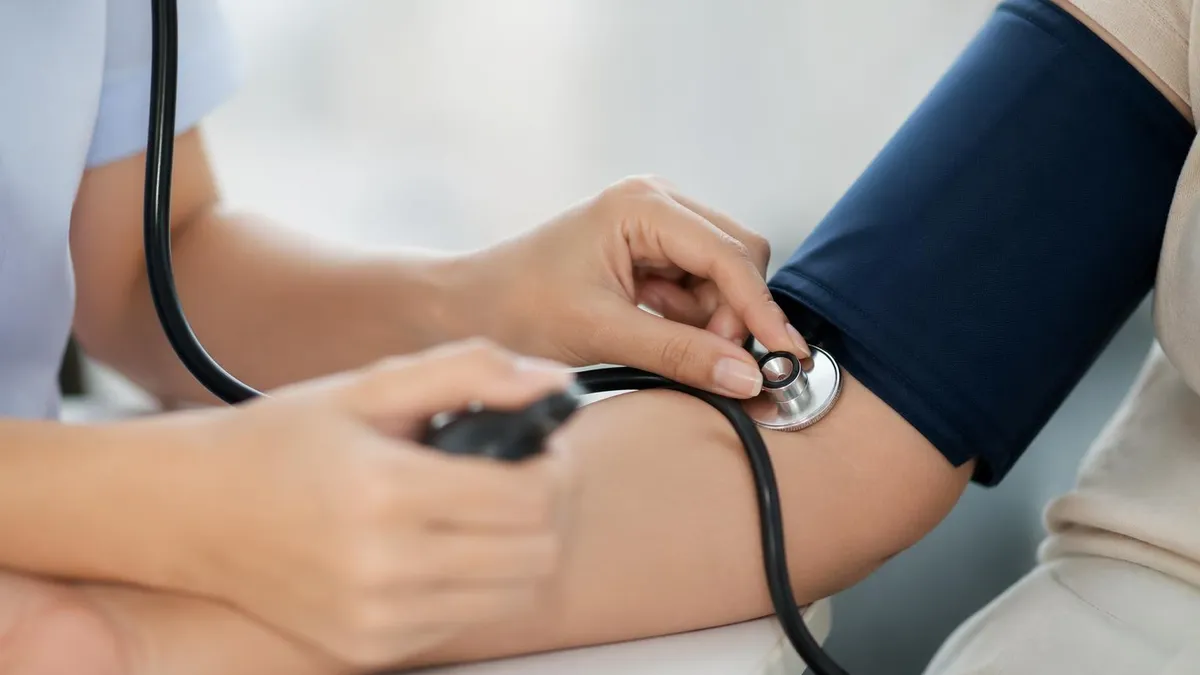
4-Week CNA Program: Online Options, State Programs & How to Enroll
About the Author

Registered Nurse & Healthcare Educator
Johns Hopkins University School of NursingDr. Sarah Mitchell is a board-certified registered nurse with over 15 years of clinical and academic experience. She completed her PhD in Nursing Science at Johns Hopkins University and has taught NCLEX preparation and clinical skills courses for nursing students across the United States. Her research focuses on evidence-based exam preparation strategies for healthcare certification candidates.
Join the Discussion
Connect with other students preparing for this exam. Share tips, ask questions, and get advice from people who have been there.
View discussion (8 replies)