
CNA in New York: Training Programs, Certification & Salary Guide 2026 October
Pass the free cna training in new york exam with confidence. ✅ Practice questions with detailed explanations, hints, and instant feedback on every answer.

New York's healthcare system runs on certified nursing assistants. Hospitals, nursing homes, home health agencies — they're all short-staffed, and the demand for CNAs keeps climbing. If you're looking at cna programs nyc options right now, you've picked a state where the job market actually works in your favor. The state approved over 200 training programs at last count, and most of them can get you certified in under three months.
The path isn't complicated, but it does have specific steps. You'll need state-approved training, a competency exam, and a clean background check. That's the short version. New York's requirements are stricter than some neighboring states — 75 hours of training minimum, plus clinical rotations at a real facility. Not every program delivers on what it promises, though. Some rush you through. Others pad the schedule with filler. Picking the right cna nyc program matters more than most people realize when they're starting out.
Whether you're in Manhattan, Brooklyn, Rochester, or Buffalo, you've got options. The nych cna program through Goodwill is one free route worth exploring — it covers tuition, supplies, and even helps with job placement afterward. But it's not the only path. Community colleges, vocational schools, Red Cross chapters, and hospital-based programs all offer CNA training across the state. This guide breaks down exactly what you need: requirements, costs, timelines, salary expectations, and which programs actually prepare you for the certification exam.
One thing to understand upfront — New York doesn't use the term "license" for CNAs the way some states do. You get placed on the Nurse Aide Registry after passing your exam. That registry listing is what employers check. No registry listing, no job. Simple as that.
So what does it actually take to work as a cna nyc or anywhere else in the state? New York requires 75 hours of training from a state-approved program — that breaks down to classroom instruction and hands-on clinical practice at a healthcare facility. Some programs exceed the minimum and run 100 to 120 hours, which gives you more clinical time. More clinical time usually means you're better prepared for the skills test.
The cna programs in new york that get the best results tend to be the ones attached to hospitals or large nursing home chains. They train you on their equipment, with their staff, and often hire graduates directly. Community college programs are solid too — they're accredited, affordable, and transfer-friendly if you decide to pursue an LPN or RN later. The Red Cross runs shorter programs in several NY cities that meet state minimums.
Before you enroll anywhere, check the New York State Department of Health's approved program list. Programs not on that list won't qualify you for the registry. It sounds obvious, but people get burned by this every year — especially with online-only programs that claim NY approval but don't actually have it. If you're wondering how to become cna in ny with additional specializations, restorative CNA training builds on your base certification and opens up higher-paying positions.
Age requirement is 16 in New York. No prior healthcare experience needed. You will need a physical exam, immunization records, and a two-step TB test before starting clinicals. Background checks are mandatory — the state checks the abuse registry and criminal history.
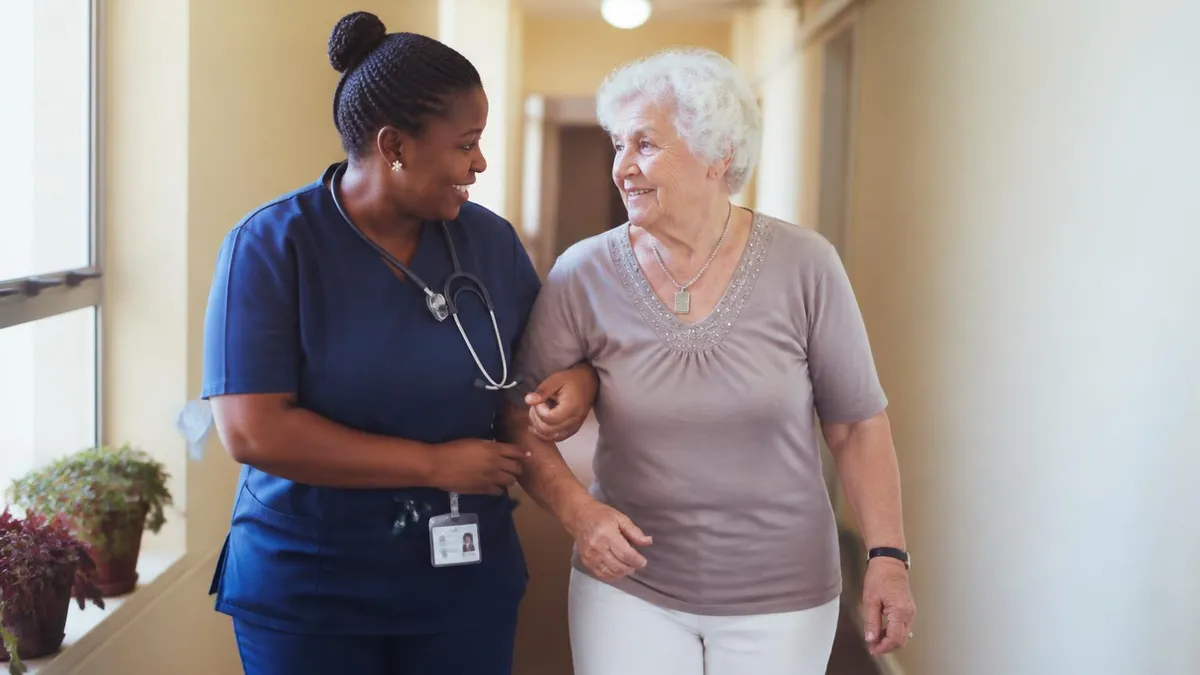
Training is step one. The certification exam is where it gets real. CNA new york candidates must pass a two-part competency evaluation administered by Prometric — that's the testing company the state contracts with. Part one is a written or oral exam with 60 multiple-choice questions. Part two is a clinical skills demonstration where you perform five randomly selected nursing skills in front of an evaluator.
The skills test is what trips people up. You'll draw five skills from a pool of about 25 — anything from measuring blood pressure to catheter care to proper hand hygiene technique. Each skill has a checklist of critical steps. Miss a critical step and you fail that skill. Fail one skill and you fail the entire clinical portion. Sounds harsh, but the pass rate for first-time test takers from good programs runs around 85-90%.
The nych cna program through Goodwill and similar free training options include exam prep as part of their curriculum. That matters. Programs that skip dedicated exam review leave their students scrambling. You should be practicing skills under timed conditions for at least two weeks before your test date. Some programs offer open lab hours where you can come in and practice — use them.
Registration for the Prometric exam costs about $115 total — $60 for the written portion and $55 for the skills test. Some training programs cover this fee. If you fail either part, you can retake it up to three times within two years of completing your training. After three failures, you'd need to repeat the entire training program.
CNA Training Options in New York
Several organizations offer free CNA training in New York. The Red Cross runs tuition-free programs in select cities — seats fill fast, so apply early. Goodwill's NYC Health + Hospitals program covers everything from textbooks to scrubs. Some nursing homes offer free training in exchange for a work commitment — typically 12 to 18 months. Check with your local Department of Labor office too. Workforce development grants sometimes cover CNA training costs for eligible residents. SNAP recipients and unemployment claimants often qualify for additional funding.
Getting your cna certification nyc is one thing. Keeping it current is another. New york state cna certification requires renewal every two years. The renewal process is straightforward — you need to show that you've worked as a CNA for at least eight hours during the previous 24 months. If you haven't worked, you'll need to retake the competency exam or complete a new training program.
The Nurse Aide Registry is maintained by the New York State Department of Health. Your name, certification number, and status are all publicly searchable. Employers check this before hiring — no exceptions. If your certification lapses, you can't work until it's reinstated. And reinstatement isn't automatic. You'll need to contact the registry, prove your employment or retake the exam, and wait for processing.
Reciprocity is worth mentioning if you're moving to New York from another state. NY does accept out-of-state CNA certifications, but you'll need to apply for endorsement through the registry. The process takes four to eight weeks. You'll submit your training records, proof of certification, and pass a background check. Some states have training hour minimums below New York's 75-hour requirement — if yours does, you might need supplemental training.
One more thing about the registry. If there's ever an allegation of abuse, neglect, or misappropriation of property against you, it goes on your registry record. Even allegations — not convictions. This can prevent you from working as a CNA in New York. The state takes this seriously. It's one reason why understanding patient rights and proper reporting procedures during your training isn't just academic — it protects your career.
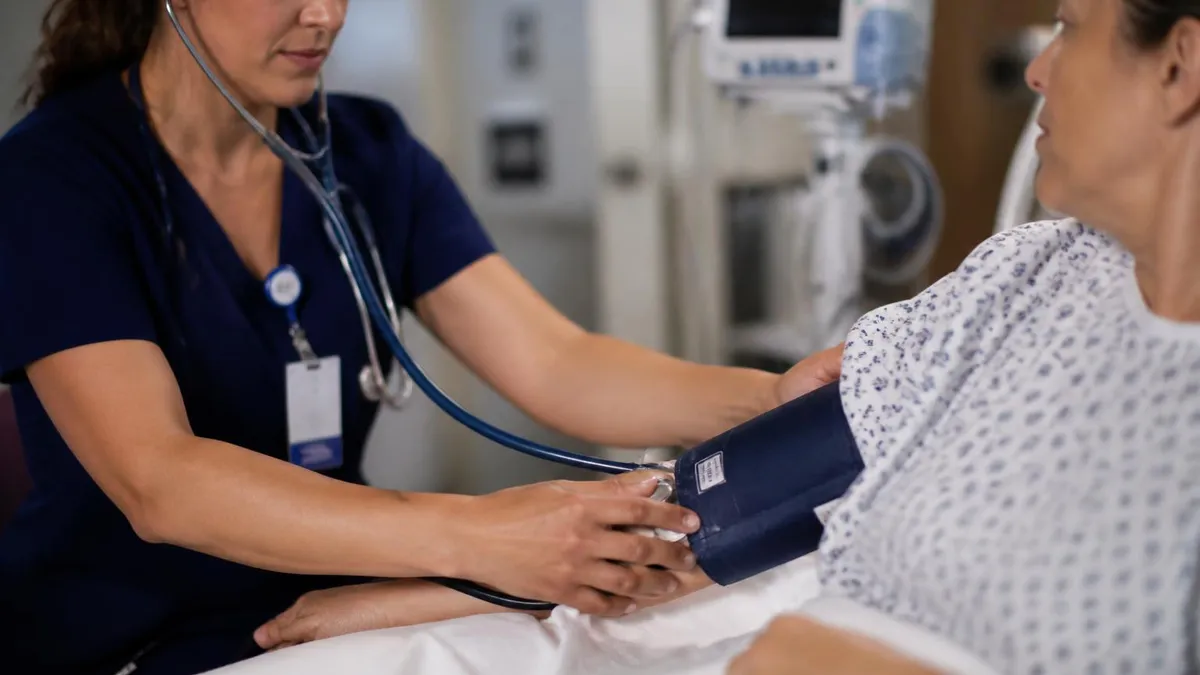
Let's talk about cna certification ny costs — because they add up faster than most people expect. The training program itself ranges from free to $2,500. Then add the Prometric exam fee ($115), background check ($50-75), physical exam and TB test ($50-150 depending on your insurance), textbooks ($40-80), scrubs and shoes ($30-60), and a CPR certification if your program doesn't include it ($25-65). Total out-of-pocket for the budget-conscious path: around $300 to $500 if you find a free program. Going through a private school? Budget $1,500 to $3,000 all in.
Here's something most guides won't tell you. If you're wondering how to become cna in ny without spending a dime, nursing homes are your best bet. Federal regulations require nursing homes to provide free CNA training to their employees. That means you can get hired as an aide-in-training at a nursing home, complete your training on their time and their dime, and then take the certification exam — also paid for by the facility. The catch? You usually commit to working there for 12 to 24 months after certification. But you're earning a paycheck the entire time.
Financial aid options exist beyond free programs. Pell Grants cover CNA training at community colleges if you're degree-seeking. Workforce Innovation and Opportunity Act (WIOA) funding through your local career center can cover training costs entirely. Some counties in New York have their own CNA training subsidies — Westchester, Erie, and Monroe counties have all offered them in recent years. Veterans can use GI Bill benefits for approved programs. Don't leave money on the table.
The return on investment is fast regardless of what you pay. Even at $2,500 for training, you'll earn that back within two months of full-time CNA work in New York. Starting salaries in NYC run $18 to $22 per hour. Upstate, it's $15 to $19. Not bad for a credential you can earn in six to twelve weeks.
Pros and Cons of Being a CNA in New York
- +Higher pay than national average — NYC CNAs earn 20-30% more than most states
- +Strong job market with thousands of open positions statewide year-round
- +Multiple free training programs available through Goodwill, Red Cross, and nursing homes
- +Clear career ladder — CNA to LPN to RN pathway is well-established in NY
- +Union representation available at many NYC hospitals with better benefits
- +Diverse work settings: hospitals, home health, rehab centers, schools, clinics
- −High cost of living in NYC offsets the higher wages significantly
- −Physically demanding work with high rates of back injuries and burnout
- −Strict renewal requirements — lapsed certification means no work until reinstated
- −Registry allegations stay on record even without conviction
- −Staffing shortages mean heavier patient loads and mandatory overtime at some facilities
- −Night and weekend shifts are common, especially for new CNAs without seniority
Where you train matters almost as much as the training itself. CNA programs in nyc are plentiful — Manhattan alone has over 30 approved programs. Brooklyn, Queens, and the Bronx each have a dozen or more. But NYC isn't the only game in town. CNA programs rochester ny include options through Rochester General Hospital, Monroe Community College, and several private training centers. Rochester's healthcare sector is massive relative to the city's size, which means strong job placement rates.
Buffalo and Syracuse each have 10 to 15 approved programs. The SUNY system offers CNA training at multiple campuses upstate — tuition is lower than private schools and the instruction quality is consistent. Albany has programs through the Capital Region BOCES and several hospital systems. Long Island's programs tend to be pricier but often include clinical rotations at well-known hospital systems like Northwell Health.
Here's a regional breakdown that matters for job prospects. NYC facilities pay the most — $18 to $24 per hour — but competition for positions at top hospitals is fierce. Upstate facilities pay less ($15 to $19) but hire faster and often offer sign-on bonuses to offset the pay gap. Suburban areas like Westchester and Nassau counties split the difference: solid pay with less competition than the city. If you're flexible on location, you've got use.
One thing to watch for in any region: program completion rates and exam pass rates. New York publishes this data. Programs with pass rates below 75% are a red flag. The best programs consistently hit 90% or higher. Ask before you enroll. If they won't share their pass rate, that tells you something.
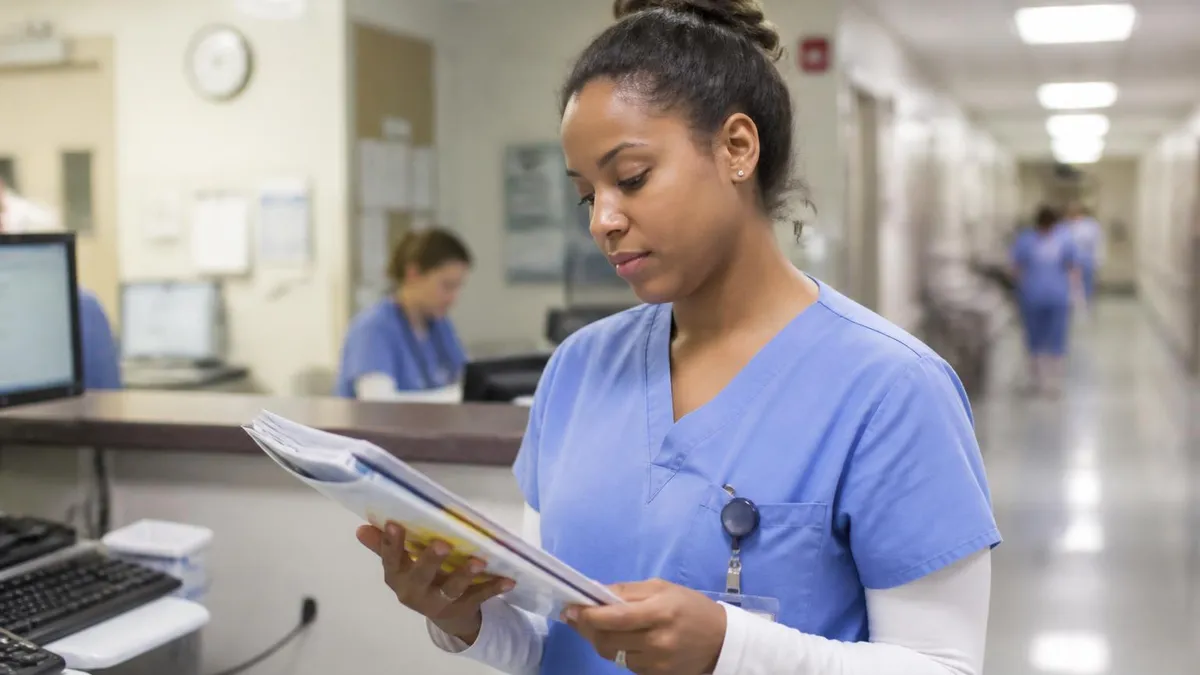
CNA Certification Checklist for New York
- ✓Verify you meet the minimum age requirement (16 years old in NY)
- ✓Get a physical exam, immunizations up to date, and two-step TB test
- ✓Complete background check and abuse registry screening
- ✓Enroll in a NYS Department of Health approved training program
- ✓Complete all 75+ hours of classroom and clinical training
- ✓Obtain CPR/BLS certification if not included in your program
- ✓Register for the Prometric competency exam (written + skills)
- ✓Pass both the written knowledge test and clinical skills demonstration
- ✓Wait for Nurse Aide Registry listing confirmation (2-4 weeks)
- ✓Apply to healthcare facilities and begin working within 24 months to maintain active status
Your nys cna license — technically your registry listing — is your ticket to employment. But what does that employment actually look like in terms of pay? Let's get specific. The Bureau of Labor Statistics puts the median CNA salary in New York at $42,550 per year, which breaks down to about $20.46 per hour. That's well above the national median of $35,760. But averages hide a lot of variation.
In the New York City metro area, CNAs average $44,000 to $48,000 annually. Top earners at unionized hospitals pull in over $55,000 with overtime. That's significant. The new york cna license holders working in home health tend to earn less — $36,000 to $40,000 — but they often have more schedule flexibility and less physical strain than facility-based CNAs. Staffing agencies pay the highest hourly rates ($22 to $28) but with no benefits and inconsistent hours.
Upstate New York tells a different salary story. Rochester, Buffalo, Syracuse, and Albany CNAs average $35,000 to $40,000. The cost of living is dramatically lower though. A CNA earning $38,000 in Rochester has more purchasing power than one earning $46,000 in Brooklyn — rent alone explains most of that gap. Rural areas of New York pay the least ($30,000 to $34,000) but often include housing assistance or transportation benefits that don't show up in salary data.
Shift differentials matter too. Evening shifts typically add $1 to $2 per hour. Overnight shifts add $2 to $4. Weekend differentials vary by facility but average an extra $1.50. If you're willing to work nights and weekends — and as a new CNA, you probably will be — your effective hourly rate jumps considerably. A CNA working three overnight shifts per week in NYC could clear $50,000 in their first year. Not a typo.
Getting your cna license nyc is the starting line, not the finish. Career advancement options for ny state cna professionals are real and well-documented. The most common next step is LPN — Licensed Practical Nurse. Many LPN programs in New York give credit for CNA training and work experience, which can shorten the program from 12 months to 9 or 10. From LPN, the jump to RN is another two years at a community college or four years for a BSN at a university.
Specialization is another path. Restorative CNAs focus on rehabilitation exercises and mobility training — they earn $2 to $4 more per hour than standard CNAs. Medication aides (called Medication Technicians in some states) can administer certain medications under nurse supervision. Home health aides with CNA certification command higher rates than non-certified HHAs. Hospice CNA work pays well and involves a different skill set — emotional resilience matters as much as clinical skills.
Some CNAs go the administrative route. Unit clerks, medical records assistants, and intake coordinators at nursing homes often start as CNAs. The clinical experience gives you credibility that purely administrative hires don't have. If you're tech-savvy, health information technology is booming — and a CNA background gives you the clinical context that IT-only professionals lack.
Travel CNA work is worth considering too. Agencies place CNAs at short-staffed facilities across the state — or across the country — for 8 to 13 week assignments. Pay runs 30-50% higher than permanent positions. Housing is usually provided or stipended. It's not for everyone — you're constantly the new person — but for CNAs without family obligations tying them to one location, the money and experience are hard to beat.
New York checks the Nurse Aide Registry abuse database AND your criminal history before certification. Certain convictions — including patient abuse, theft from a healthcare facility, or drug-related felonies — can permanently disqualify you. Pending charges may delay your certification. If you have any criminal history, consult with your training program's director before paying for training. Some convictions have waiting periods after which you can reapply, but others result in permanent bars from the registry.
If you're researching how to become a cna in ny from out of state, the reciprocity process deserves attention. New York accepts CNA certifications from all 50 states through endorsement. You'll submit your current state's verification form, proof of training hours, and a completed NY application. The process takes four to eight weeks. During that time, some employers will hire you on a provisional basis — but not all. Plan ahead if you're relocating.
For those looking at cna programs in york pa and other border-state options, be aware that Pennsylvania's training requirements differ from New York's. PA requires 80 hours of training — close to NY's 75 — so reciprocity between these two states is usually smooth. But training in a state with significantly lower hour requirements (some states require only 75 hours total with less clinical time) might trigger supplemental training requirements when you apply for NY endorsement.
International candidates face additional steps. If you trained as a nursing aide outside the US, you'll need your credentials evaluated by an approved agency. The evaluation determines if your training meets NY's standards. If it falls short, you'll need to complete additional training hours at an approved NY program. English proficiency isn't formally tested for CNA certification, but you'll need functional English for the written exam and for communicating with patients and supervising nurses.
Military medics and corpsmen have a simplified path. New York recognizes military healthcare training for CNA certification. You'll still need to pass the Prometric exam, but you can often skip the training program entirely if your military transcript shows equivalent training. Contact the Nurse Aide Registry directly for the military-to-CNA process — it's faster than the standard application.
CNA Practice Test Questions
Prepare for the CNA - Certified Nursing Assistant exam with our free practice test modules. Each quiz covers key topics to help you pass on your first try.
CNA Activities of Daily Living
CNA Exam Questions covering Activities of Daily Living. Master CNA Test concepts for certification prep.
CNA Aging Process
Free CNA Practice Test featuring Aging Process. Improve your CNA Exam score with mock test prep.
CNA Anatomy and Physiology Basics
CNA Mock Exam on Anatomy and Physiology Basics. CNA Study Guide questions to pass on your first try.
CNA Assisting with Daily Living
CNA Test Prep for Assisting with Daily Living. Practice CNA Quiz questions and boost your score.
CNA Assisting with Range of Motion Exercises
CNA Questions and Answers on Assisting with Range of Motion Exercises. Free CNA practice for exam readiness.
CNA Basic Human Anatomy and Age-Related Ch...
CNA Mock Test covering Basic Human Anatomy and Age-Related Changes. Online CNA Test practice with instant feedback.
CNA Basic Nursing Skills
Free CNA Quiz on Basic Nursing Skills. CNA Exam prep questions with detailed explanations.
CNA Basic Nursing Skills 10
CNA Practice Questions for Basic Nursing Skills 10. Build confidence for your CNA certification exam.
CNA Basic Nursing Skills 11
CNA Test Online for Basic Nursing Skills 11. Free practice with instant results and feedback.
CNA Basic Nursing Skills 1
CNA Study Material on Basic Nursing Skills 1. Prepare effectively with real exam-style questions.
CNA Basic Nursing Skills 12
Free CNA Test covering Basic Nursing Skills 12. Practice and track your CNA exam readiness.
CNA Basic Nursing Skills 13
CNA Exam Questions covering Basic Nursing Skills 13. Master CNA Test concepts for certification prep.
CNA Basic Nursing Skills 14
Free CNA Practice Test featuring Basic Nursing Skills 14. Improve your CNA Exam score with mock test prep.
CNA Basic Nursing Skills 15
CNA Mock Exam on Basic Nursing Skills 15. CNA Study Guide questions to pass on your first try.
CNA Basic Nursing Skills 16
CNA Test Prep for Basic Nursing Skills 16. Practice CNA Quiz questions and boost your score.
CNA Basic Nursing Skills 17
CNA Questions and Answers on Basic Nursing Skills 17. Free CNA practice for exam readiness.
CNA Basic Nursing Skills 18
CNA Mock Test covering Basic Nursing Skills 18. Online CNA Test practice with instant feedback.
CNA Basic Nursing Skills 19
Free CNA Quiz on Basic Nursing Skills 19. CNA Exam prep questions with detailed explanations.
CNA Basic Nursing Skills 20
CNA Practice Questions for Basic Nursing Skills 20. Build confidence for your CNA certification exam.
CNA Basic Nursing Skills 21
CNA Test Online for Basic Nursing Skills 21. Free practice with instant results and feedback.
CNA Basic Nursing Skills 2
CNA Study Material on Basic Nursing Skills 2. Prepare effectively with real exam-style questions.
CNA Basic Nursing Skills 3
Free CNA Test covering Basic Nursing Skills 3. Practice and track your CNA exam readiness.
CNA Basic Nursing Skills 4
CNA Exam Questions covering Basic Nursing Skills 4. Master CNA Test concepts for certification prep.
CNA Basic Nursing Skills 5
Free CNA Practice Test featuring Basic Nursing Skills 5. Improve your CNA Exam score with mock test prep.
CNA Basic Nursing Skills 6
CNA Mock Exam on Basic Nursing Skills 6. CNA Study Guide questions to pass on your first try.
CNA Basic Nursing Skills 7
CNA Test Prep for Basic Nursing Skills 7. Practice CNA Quiz questions and boost your score.
CNA Basic Nursing Skills 8
CNA Questions and Answers on Basic Nursing Skills 8. Free CNA practice for exam readiness.
CNA Basic Nursing Skills 9
CNA Mock Test covering Basic Nursing Skills 9. Online CNA Test practice with instant feedback.
CNA Basic Restorative Services
Free CNA Quiz on Basic Restorative Services. CNA Exam prep questions with detailed explanations.
CNA Basic Restorative Services 1
CNA Practice Questions for Basic Restorative Services 1. Build confidence for your CNA certification exam.
CNA Bathing and Dressing
CNA Test Online for Bathing and Dressing. Free practice with instant results and feedback.
CNA Body Mechanics
CNA Study Material on Body Mechanics. Prepare effectively with real exam-style questions.
CNA Career Advancement and Opportunities
Free CNA Test covering Career Advancement and Opportunities. Practice and track your CNA exam readiness.
CNA Career Opportunities and Benefits
CNA Exam Questions covering Career Opportunities and Benefits. Master CNA Test concepts for certification prep.
CNA Care for Residents with Cognitive Impa...
Free CNA Practice Test featuring Care for Residents with Cognitive Impairment. Improve your CNA Exam score with mock test prep.
CNA Care of Cognitively Impaired Residents
CNA Mock Exam on Care of Cognitively Impaired Residents. CNA Study Guide questions to pass on your first try.
CNA Care of Cognitively Impaired Residents 1
CNA Test Prep for Care of Cognitively Impaired Residents 1. Practice CNA Quiz questions and boost your score.
CNA Care Of Cognitively Impaired Residents 4
CNA Questions and Answers on Care Of Cognitively Impaired Residents 4. Free CNA practice for exam readiness.
CNA Common Medical Terms and Abbreviations
CNA Mock Test covering Common Medical Terms and Abbreviations. Online CNA Test practice with instant feedback.
CNA Communication and Interpersonal Skills
Free CNA Quiz on Communication and Interpersonal Skills. CNA Exam prep questions with detailed explanations.
CNA Communication and Interpersonal Skills 1
CNA Practice Questions for Communication and Interpersonal Skills 1. Build confidence for your CNA certification exam.
CNA Communication And Interpersonal Skills 4
CNA Test Online for Communication And Interpersonal Skills 4. Free practice with instant results and feedback.
CNA Eligibility and Qualifications
CNA Study Material on Eligibility and Qualifications. Prepare effectively with real exam-style questions.
CNA Emergency Procedure
Free CNA Test covering Emergency Procedure. Practice and track your CNA exam readiness.
CNA Ethics and Professionalism
CNA Exam Questions covering Ethics and Professionalism. Master CNA Test concepts for certification prep.
CNA Exam Structure and Content
Free CNA Practice Test featuring Exam Structure and Content. Improve your CNA Exam score with mock test prep.
CNA Feeding and Hydration
CNA Mock Exam on Feeding and Hydration. CNA Study Guide questions to pass on your first try.
CNA Infection Control
CNA Test Prep for Infection Control. Practice CNA Quiz questions and boost your score.
CNA Infection Control and Safety
CNA Questions and Answers on Infection Control and Safety. Free CNA practice for exam readiness.
CNA Isolation Precautions
CNA Mock Test covering Isolation Precautions. Online CNA Test practice with instant feedback.
CNA Legal & Ethical Behaviours
Free CNA Quiz on Legal & Ethical Behaviours. CNA Exam prep questions with detailed explanations.
CNA Legal & Ethical Behaviours 1
CNA Practice Questions for Legal & Ethical Behaviours 1. Build confidence for your CNA certification exam.
CNA Legal & Ethical Behaviours 4
CNA Test Online for Legal & Ethical Behaviours 4. Free practice with instant results and feedback.
CNA Mental Health and Social Services Needs
CNA Study Material on Mental Health and Social Services Needs. Prepare effectively with real exam-style questions.
CNA Mental Health and Social Services Needs 1
Free CNA Test covering Mental Health and Social Services Needs 1. Practice and track your CNA exam readiness.
CNA Mental Health And Social Services Needs 4
CNA Exam Questions covering Mental Health And Social Services Needs 4. Master CNA Test concepts for certification prep.
CNA Nutrition and Hydration Management
Free CNA Practice Test featuring Nutrition and Hydration Management. Improve your CNA Exam score with mock test prep.
CNA Patient Care Procedure
CNA Mock Exam on Patient Care Procedure. CNA Study Guide questions to pass on your first try.
CNA Personal Care Skills
CNA Test Prep for Personal Care Skills. Practice CNA Quiz questions and boost your score.
CNA Personal Care Skills 1
CNA Questions and Answers on Personal Care Skills 1. Free CNA practice for exam readiness.
CNA Personal Care Skills 4
CNA Mock Test covering Personal Care Skills 4. Online CNA Test practice with instant feedback.
CNA Personal Care Skills 5
Free CNA Quiz on Personal Care Skills 5. CNA Exam prep questions with detailed explanations.
CNA Personal Hygiene and Grooming
CNA Practice Questions for Personal Hygiene and Grooming. Build confidence for your CNA certification exam.
CNA Practice Test - Basic Nursing Skills #2
CNA Test Online for Practice Test - Basic Nursing Skills #2. Free practice with instant results and feedback.
CNA Practice Test - Basic Nursing Skills #2 1
CNA Study Material on Practice Test - Basic Nursing Skills #2 1. Prepare effectively with real exam-style questions.
CNA Preventing Patient Falls and Injuries
Free CNA Test covering Preventing Patient Falls and Injuries. Practice and track your CNA exam readiness.
CNA Promoting Resident Independence and Ch...
CNA Exam Questions covering Promoting Resident Independence and Choice. Master CNA Test concepts for certification prep.
CNA Proper Hand Hygiene and PPE Usage
Free CNA Practice Test featuring Proper Hand Hygiene and PPE Usage. Improve your CNA Exam score with mock test prep.
CNA Resident Rights and Communication
CNA Mock Exam on Resident Rights and Communication. CNA Study Guide questions to pass on your first try.
CNA Resident’s Rights
CNA Test Prep for Resident’s Rights. Practice CNA Quiz questions and boost your score.
CNA Resident's Rights 1
CNA Questions and Answers on Resident's Rights 1. Free CNA practice for exam readiness.
CNA Resident's Rights 4
CNA Mock Test covering Resident's Rights 4. Online CNA Test practice with instant feedback.
CNA Roles and Responsibilities
Free CNA Quiz on Roles and Responsibilities. CNA Exam prep questions with detailed explanations.
CNA Safety and Emergency Procedures
CNA Practice Questions for Safety and Emergency Procedures. Build confidence for your CNA certification exam.
CNA Safety and Emergency Procedures 1
CNA Test Online for Safety and Emergency Procedures 1. Free practice with instant results and feedback.
CNA Safety And Emergency Procedures 4
CNA Study Material on Safety And Emergency Procedures 4. Prepare effectively with real exam-style questions.
CNA Safety and Infection Control
Free CNA Test covering Safety and Infection Control. Practice and track your CNA exam readiness.
CNA Scope of Practice
CNA Exam Questions covering Scope of Practice. Master CNA Test concepts for certification prep.
CNA Skills and Competencies
Free CNA Practice Test featuring Skills and Competencies. Improve your CNA Exam score with mock test prep.
CNA Supporting Rehabilitation Activities
CNA Mock Exam on Supporting Rehabilitation Activities. CNA Study Guide questions to pass on your first try.
CNA The Nurse Aide's Role and Responsibili...
CNA Test Prep for The Nurse Aide's Role and Responsibilities. Practice CNA Quiz questions and boost your score.
CNA Time Management and Prioritization
CNA Questions and Answers on Time Management and Prioritization. Free CNA practice for exam readiness.
CNA Toileting and Elimination
CNA Mock Test covering Toileting and Elimination. Online CNA Test practice with instant feedback.
CNA Using Adaptive Devices
CNA Practice Questions for Using Adaptive Devices. Build confidence for your CNA certification exam.
Let's wrap up with the job market reality. The cna program nyc pipeline feeds into one of the largest healthcare labor markets in the country. New York City's Health + Hospitals system alone employs thousands of CNAs across 11 hospitals and dozens of clinics. Add private hospital systems like NYU Langone, Mount Sinai, NewYork-Presbyterian, and Northwell — the demand is constant. NYS CNA job postings run between 3,000 and 5,000 at any given time statewide.
Nursing homes represent the biggest employer category. About 60% of working CNAs in New York are in long-term care facilities. Hospitals employ around 25%. Home health makes up most of the remaining 15%, with a small percentage working in clinics, schools, and correctional facilities. The mix matters because nursing homes and hospitals have very different work environments — patient ratios, physical demands, scheduling, and advancement opportunities all vary significantly.
Unionization rates in New York healthcare are among the highest in the nation. 1199SEIU represents tens of thousands of CNAs in NYC. Union membership typically means better wages ($2 to $5 more per hour than non-union), guaranteed raises, health insurance, pension contributions, and stronger protections against unfair termination. Not every facility is unionized — but in NYC especially, union shops dominate the landscape.
The bottom line? New York is one of the best states for CNAs. Higher pay, strong protections, clear career pathways, and enough training programs to fit virtually any schedule or budget. The certification process has steps, but none of them are mysterious. Pick an approved program, put in the work, pass the exam, and you're on the registry. From there, the opportunities are yours to shape.
CNA Questions and Answers
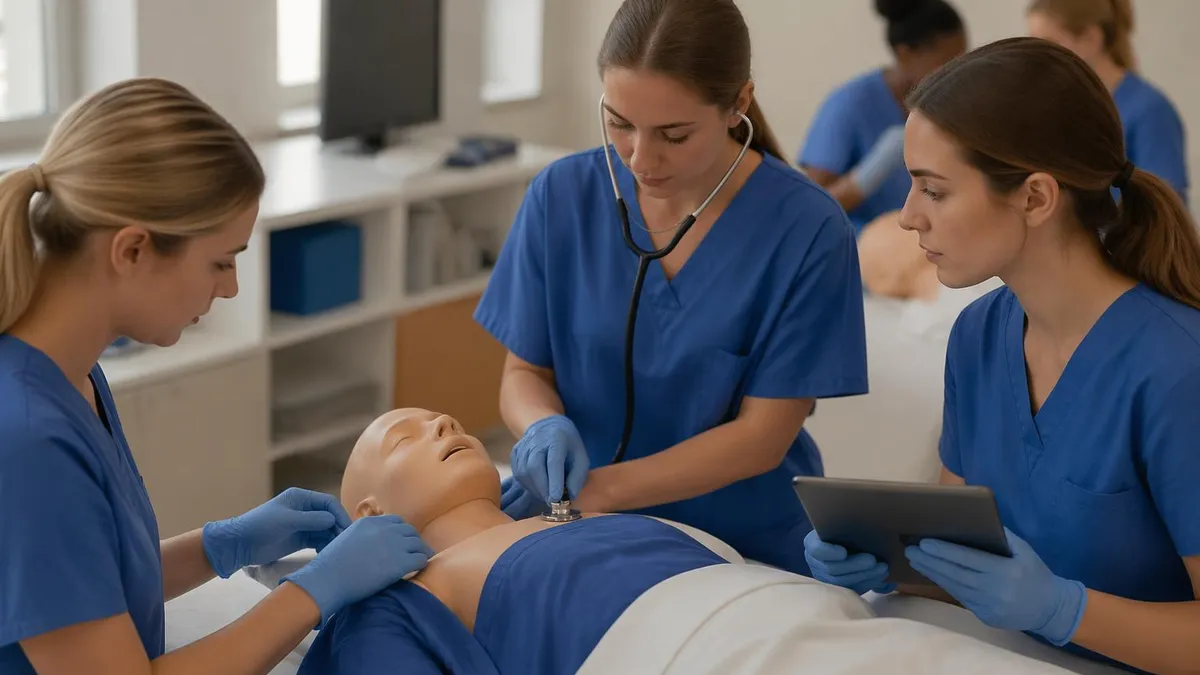
Restorative CNA: Duties, Training, Salary & How to Get Started
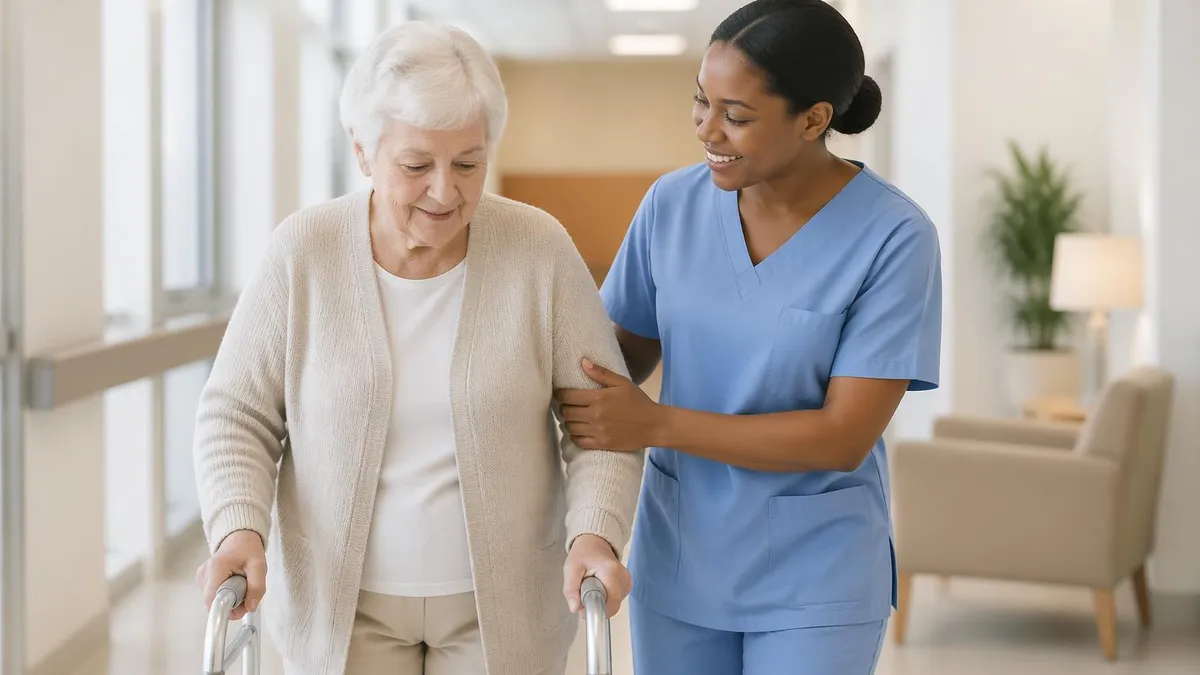
CNA Hospital Jobs Near Me: How to Find, Apply & Get Hired in 2026

Goodwill CNA Program: Free Classes, Costs, and How to Enroll
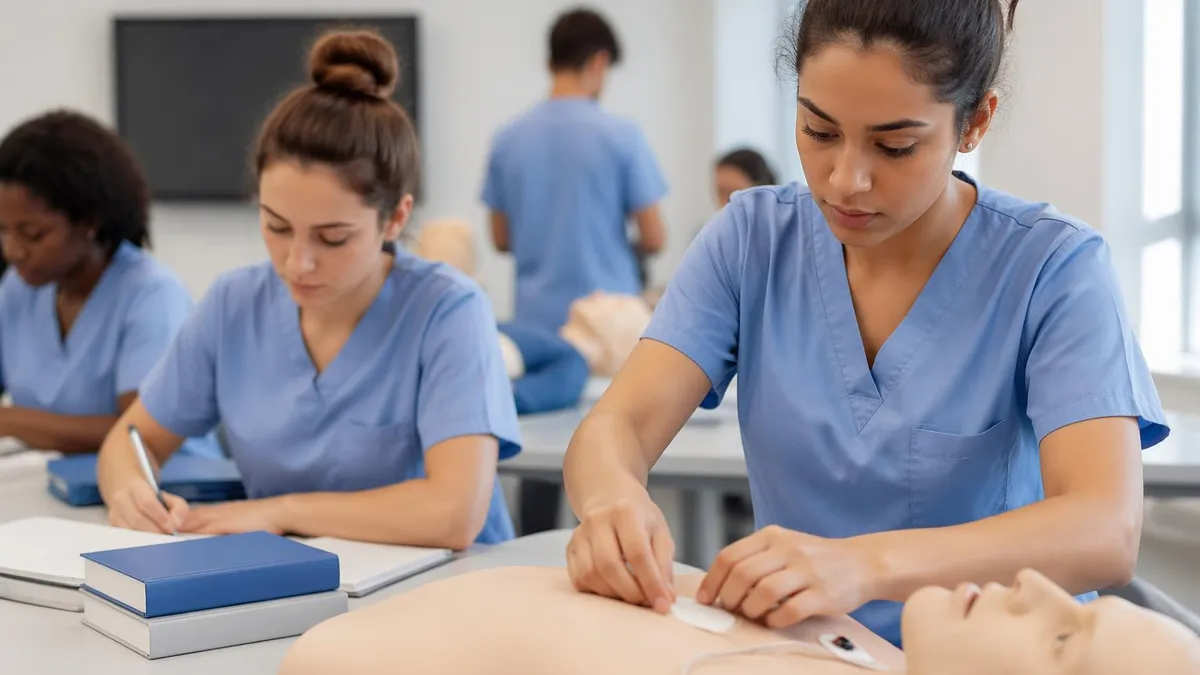
Hospice CNA: Duties, Salary, Per Diem Work & How to Get Started
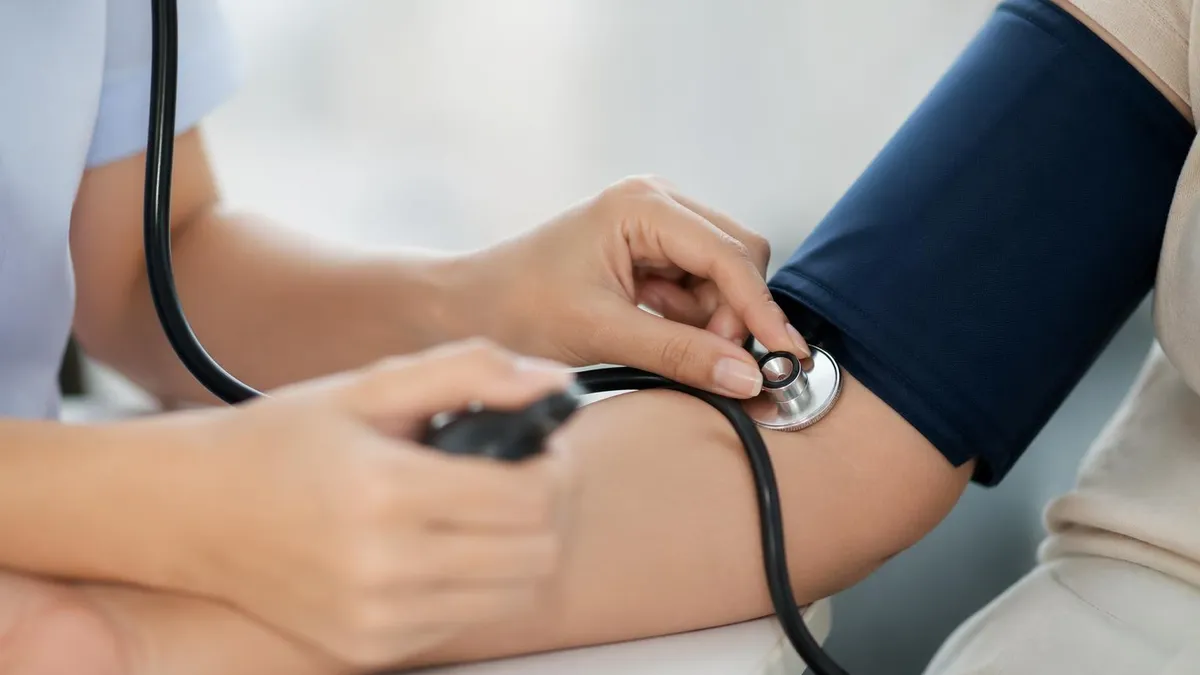
4-Week CNA Program: Online Options, State Programs & How to Enroll
About the Author

Registered Nurse & Healthcare Educator
Johns Hopkins University School of NursingDr. Sarah Mitchell is a board-certified registered nurse with over 15 years of clinical and academic experience. She completed her PhD in Nursing Science at Johns Hopkins University and has taught NCLEX preparation and clinical skills courses for nursing students across the United States. Her research focuses on evidence-based exam preparation strategies for healthcare certification candidates.
Join the Discussion
Connect with other students preparing for this exam. Share tips, ask questions, and get advice from people who have been there.
View discussion (8 replies)