

CFN Practice Test
Updated for October 2026Where healthcare meets law enforcement, the Certified Forensic Nurse stands as a vital link. These professionals play a critical role in identifying, documenting, and treating victims of trauma while ensuring proper evidence collection for criminal investigations. Whether it’s caring for survivors of sexual assault, responding to domestic violence, or investigating suspicious injuries, forensic nurses combine clinical care with legal expertise to support both patient recovery and the pursuit of justice.
The Certified Forensic Nurse credential verifies a nurse's advanced training in forensic procedures, victim advocacy, legal reporting, and courtroom testimony. With a growing emphasis on trauma-informed care and multidisciplinary collaboration, this certification offers a unique and impactful path within the nursing profession.
CFN Practice Test Questions
Prepare for the CFN - Certified Forensic Nurse exam with our free practice test modules. Each quiz covers key topics to help you pass on your first try.
CFN - Certified Forensic Nurse Courtroom T...
CFN Exam Questions covering - Certified Forensic Nurse Courtroom Testimony and Procedures. Master CFN Test concepts for certification prep.
CFN - Certified Forensic Nurse Ethical and...
Free CFN Practice Test featuring - Certified Forensic Nurse Ethical and Professional Practice. Improve your CFN Exam score with mock test prep.
CFN - Certified Forensic Nurse Forensic Ev...
CFN Mock Exam on - Certified Forensic Nurse Forensic Evidence Collection Process. CFN Study Guide questions to pass on your first try.
CFN - Certified Forensic Nurse Legal Princ...
CFN Test Prep for - Certified Forensic Nurse Legal Principles in Nursing. Practice CFN Quiz questions and boost your score.
CFN - Certified Forensic Nurse Trauma-Info...
CFN Questions and Answers on - Certified Forensic Nurse Trauma-Informed Care Strategies. Free CFN practice for exam readiness.
CFN - Certified Forensic Nurse Victim Asse...
CFN Mock Test covering - Certified Forensic Nurse Victim Assessment and Documentation. Online CFN Test practice with instant feedback.
CFN - Certified Forensic Nurse Violence an...
Free CFN Quiz on - Certified Forensic Nurse Violence and Abuse Patterns. CFN Exam prep questions with detailed explanations.
CFN Child Maltreatment Recognition and Rep...
CFN Practice Questions for Child Maltreatment Recognition and Reporting. Build confidence for your CFN certification exam.
CFN Collaboration with Law Enforcement & C...
CFN Test Online for Collaboration with Law Enforcement & Court Testimony. Free practice with instant results and feedback.
CFN Courtroom Testimony and Procedures
CFN Study Material on Courtroom Testimony and Procedures. Prepare effectively with real exam-style questions.
CFN Ethical and Professional Practice
Free CFN Test covering Ethical and Professional Practice. Practice and track your CFN exam readiness.
CFN Evidence Collection Process
CFN Exam Questions covering Evidence Collection Process. Master CFN Test concepts for certification prep.
CFN Forensic Evidence Collection & Documen...
Free CFN Practice Test featuring Forensic Evidence Collection & Documentation. Improve your CFN Exam score with mock test prep.
CFN Legal & Ethical Responsibilities in Fo...
CFN Mock Exam on Legal & Ethical Responsibilities in Forensic Nursing. CFN Study Guide questions to pass on your first try.
CFN Legal Principles in Nursing
CFN Test Prep for Legal Principles in Nursing. Practice CFN Quiz questions and boost your score.
CFN Legal Testimony & Expert Witness Respo...
CFN Questions and Answers on Legal Testimony & Expert Witness Responsibilities. Free CFN practice for exam readiness.
CFN Sexual Assault Forensic Examination (S...
CFN Mock Test covering Sexual Assault Forensic Examination (SANE) Practice. Online CFN Test practice with instant feedback.
CFN Trauma-Informed Care Strategies
Free CFN Quiz on Trauma-Informed Care Strategies. CFN Exam prep questions with detailed explanations.
CFN Trauma-Informed Patient Care & Assessmen
CFN Practice Questions for Trauma-Informed Patient Care & Assessmen. Build confidence for your CFN certification exam.
CFN Victim Assessment and Documentation
CFN Test Online for Victim Assessment and Documentation. Free practice with instant results and feedback.
Key Takeaways
Free CFN Practice Test Online
Certified Forensic Nurses are trained to care for victims of violence, trauma, and abuse while collecting forensic evidence.
Certification typically involves specialization in areas like sexual assault nursing (SANE), death investigation, or child abuse.
Forensic nurses often work with hospitals, law enforcement, legal systems, and advocacy centers.
The role requires both clinical expertise and legal competence, including courtroom testimony.
The certification enhances a nurse’s qualifications, credibility, and impact in both healthcare and legal domains.
Understanding the Role of a Certified Forensic Nurse
Forensic nursing is a specialty practice that merges nursing science with criminal justice. A Certified Forensic Nurse assesses and treats patients who are victims—or sometimes perpetrators—of trauma and violence. Their unique training allows them to collect, preserve, and document evidence in ways admissible in court, while maintaining compassionate, patient-centered care.
Common responsibilities include:
Conducting forensic medical exams
Collecting DNA and trace evidence
Documenting injuries and trauma
Reporting to law enforcement
Providing expert witness testimony in legal proceedings
Collaborating with multidisciplinary teams in crisis response
Subspecialties may include:
Sexual Assault Nurse Examiner (SANE) – Adult/Adolescent or Pediatric
Death Investigator Nurse
Correctional Forensic Nurse
Psychiatric Forensic Nurse
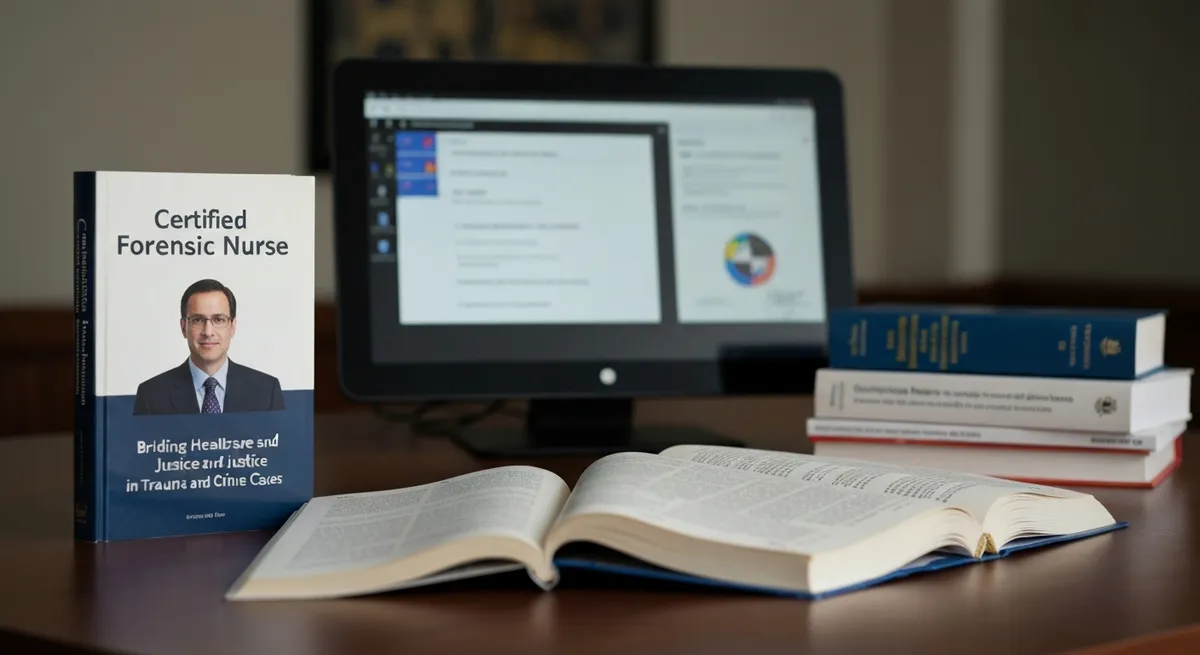
Who Should Become a Certified Forensic Nurse?
The certification is ideal for registered nurses who are passionate about advocacy, justice, and trauma-informed care. Common candidates include:
Emergency room nurses
Labor and delivery nurses
Pediatric nurses
Mental health nurses
Public health nurses
Nurses in correctional or legal settings
It is also well-suited for those who wish to work in advocacy centers, sexual assault response teams (SARTs), medical examiner offices, and disaster response units.
Certification Pathways and Eligibility
Several certification programs are available based on the area of forensic nursing practice. The most recognized certification bodies include:
American College of Forensic Examiners Institute (ACFEI)
American Nurses Credentialing Center (ANCC) (for broader certifications)
To be eligible, candidates typically need:
Active RN license
Two or more years of nursing experience (ER, OB/GYN, or mental health preferred)
Completion of a forensic nursing education program or SANE training (40+ hours)
Clinical preceptorship or practicum hours
Passing a national certification exam (e.g., SANE-A or SANE-P)
Core Curriculum and Training Areas
The training for Certified Forensic Nurses involves both theoretical knowledge and hands-on clinical experience. Core curriculum often includes:
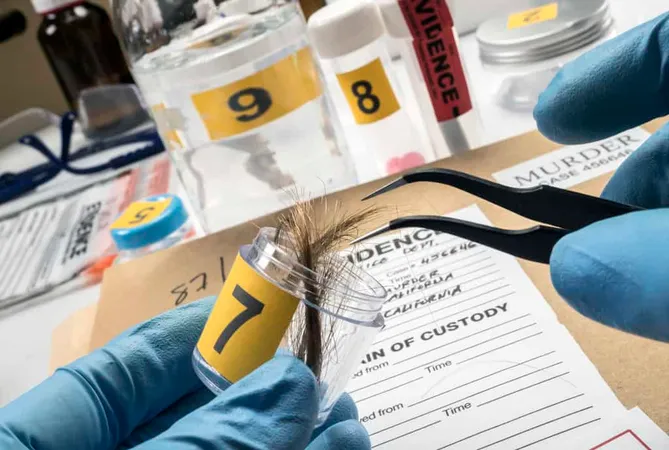
DNA swabs, toxicology kits, and photography
Chain of custody protocols
Injury pattern recognition
Consent and confidentiality in legal contexts
Documentation for legal admissibility
Courtroom demeanor and testimony preparation
Physical and psychological care for survivors
Sexual Assault Forensic Evidence (SAFE) kits
Crisis intervention and trauma-informed communication
Indicators of non-accidental injuries
Reporting obligations and protection laws
Coordinating with child protective services (CPS)
Post-mortem assessment
Scene documentation
Collaborating with coroners and pathologists
Violence risk assessments
Managing forensic patients with psychiatric diagnoses
Nursing care in jails or detention centers
Work Settings and Career Opportunities
Certified Forensic Nurses may work in a wide range of settings, including:
Emergency departments and trauma centers
Sexual assault crisis centers
Law enforcement agencies
Correctional institutions
Medical examiner and coroner offices
Community advocacy organizations
Disaster relief and humanitarian missions
Opportunities for advancement include:
Forensic Nurse Examiner Program Director
Legal Nurse Consultant
Policy Advisor or Educator
Independent Consultant for Courts or NGOs
Benefits of Certification
Certification qualifies nurses for specialized roles in forensic practice and increases employability in healthcare-legal partnerships.
It demonstrates the ability to follow forensic procedures that hold up in court, minimizing legal risk for both the nurse and the institution.
Working closely with trauma survivors provides a deep sense of purpose and impact, especially in underserved or high-risk populations.
Certification fosters continual growth through continuing education and involvement in national forensic networks.
Forensic nurses typically earn more than general RNs, with average salaries ranging from $65,000 to over $100,000, depending on role and region.
Conclusion
The Certified Forensic Nurse plays an indispensable role in both healing and justice. Their work ensures that victims of violence not only receive expert medical care but are also supported through the legal process with dignity and precision. Whether you are an ER nurse seeking to specialize, or a public health professional aiming to broaden your impact, this certification bridges the gap between clinical excellence and legal advocacy.
In an increasingly complex world, where trauma and crime often overlap, forensic nurses stand as trusted guardians of health, truth, and justice.
- +Industry-recognized credential boosts your resume
- +Higher earning potential (10-20% salary increase on average)
- +Demonstrates commitment to professional development
- +Opens doors to advanced career opportunities
- −Exam preparation requires significant time investment (4-8 weeks)
- −Certification fees can be $100-$400+
- −May require continuing education to maintain
- −Some employers may not require certification
Sample Certified Forensic Nurse Practice Questions
Try these questions from our free Certified Forensic Nurse practice tests. The correct answer and an explanation follow each question.
A forensic nurse is caring for a patient who has disclosed a sexual assault. The patient is emotionally distressed and asks the nurse, "Do you think I should report this to the police?" Which response by the nurse best navigates the ethical conflict between the therapeutic and forensic roles?
- A. "That's a decision only you can make. I can explain the process of reporting and connect you with a legal advocate who can provide advice."
- B. "Yes, you absolutely should report. It's the only way to ensure the person who did this is held accountable."
- C. "Let's focus on your medical and emotional needs right now; we can talk about the legal aspects later."
- D. "Reporting can be a very difficult and re-traumatizing process, so many people choose not to."
Answer: A. "That's a decision only you can make. I can explain the process of reporting and connect you with a legal advocate who can provide advice."
The correct response respects the patient's autonomy while fulfilling the nurse's informational role. It avoids giving direct advice, which could unduly influence the patient's decision and overstep the nurse's scope of practice. Instead, it empowers the patient by providing information about options and offering a referral to an appropriate resource (a legal advocate) for legal advice. This balances the therapeutic need for support with the forensic requirement for objectivity.
A forensic nurse is performing an examination on a patient who is unconscious and unable to consent. The nurse has reason to believe the patient was sexually assaulted. In most jurisdictions, what is the legal basis that allows the nurse to proceed with collecting forensic evidence?
- A. The principle of beneficence, which compels the nurse to act in the patient's best interest.
- B. Implied consent for emergency medical treatment.
- C. Authorization from the hospital administration.
- D. Specific statutory provisions that address evidence collection in cases of incapacitated victims.
Answer: D. Specific statutory provisions that address evidence collection in cases of incapacitated victims.
While implied consent often applies to emergency medical treatment necessary to prevent serious harm or death, forensic evidence collection is typically not considered life-saving medical care. [16] Therefore, many jurisdictions have enacted specific laws that provide legal authority for performing a forensic exam and collecting evidence from a patient who is incapable of giving consent due to incapacitation, especially when a crime is suspected. [7, 16] Relying solely on beneficence or implied consent for medical treatment can be legally insufficient for an evidentiary procedure.
A forensic nurse is treating a patient who is also a crime suspect. The nurse's primary obligation is to:
- A. Assist law enforcement in obtaining incriminating information
- B. Provide the same standard of care owed to any patient, maintaining professional boundaries
- C. Limit care to what is legally required for evidence preservation
- D. Prioritize victim needs over the suspect's care
Answer: B. Provide the same standard of care owed to any patient, maintaining professional boundaries
All patients, including crime suspects, are entitled to the same professional standard of nursing care regardless of their legal status.
A competent adult patient who has suffered injuries consistent with intimate partner violence explicitly tells the forensic nurse, 'I don't want to report this to the police.' However, the state has a mandatory reporting law for injuries suspected to be the result of a crime. What is the nurse's primary legal obligation?
- A. Respect the patient's autonomy and refrain from reporting the injuries.
- B. Report the incident only if the patient's life is in immediate danger.
- C. Follow the state's mandatory reporting statute and report the suspected crime.
- D. Consult with the hospital's legal team before taking any action.
Answer: C. Follow the state's mandatory reporting statute and report the suspected crime.
Forensic nurses are bound by the laws of their jurisdiction. [5, 6] If a state has a mandatory reporting law for injuries resulting from a suspected criminal act, the nurse has a legal duty to report it to the appropriate authorities, even if it conflicts with the patient's expressed wishes. [1] While patient autonomy is a core ethical principle, legal requirements such as mandatory reporting take precedence in these specific circumstances.
(CFN) Certified Forensic Nurse Questions and Answers
About the Author

Registered Nurse & Healthcare Educator
Johns Hopkins University School of NursingDr. Sarah Mitchell is a board-certified registered nurse with over 15 years of clinical and academic experience. She completed her PhD in Nursing Science at Johns Hopkins University and has taught NCLEX preparation and clinical skills courses for nursing students across the United States. Her research focuses on evidence-based exam preparation strategies for healthcare certification candidates.
Join the Discussion
Connect with other students preparing for this exam. Share tips, ask questions, and get advice from people who have been there.
View discussion (9 replies)