

CBI Practice Test
Updated for October 2026A Certified Building Inspector (CBI) plays a vital role in ensuring that buildings and infrastructure comply with safety regulations. Their work is critical in preventing structural failures, ensuring safety for occupants, and adhering to local, state, and federal building codes. This article provides a comprehensive overview of becoming a certified building inspector, including essential information on training, job prospects, and salary expectations. Whether you're a newcomer or someone looking to advance your career in this field, understanding these factors is key to success.
CBI Practice Test Questions
Prepare for the CBI - Certified Building Inspector exam with our free practice test modules. Each quiz covers key topics to help you pass on your first try.
CBI Building Code Fundamentals & Compliance
CBI Exam Questions covering Building Code Fundamentals & Compliance. Master CBI Test concepts for certification prep.
CBI Code Compliance
Free CBI Practice Test featuring Code Compliance. Improve your CBI Exam score with mock test prep.
CBI Electrical Systems Inspection
CBI Mock Exam on Electrical Systems Inspection. CBI Study Guide questions to pass on your first try.
CBI Environmental Standards
CBI Test Prep for Environmental Standards. Practice CBI Quiz questions and boost your score.
CBI Equipment Operation
CBI Questions and Answers on Equipment Operation. Free CBI practice for exam readiness.
CBI Fire Protection & Life Safety Systems
CBI Mock Test covering Fire Protection & Life Safety Systems. Online CBI Test practice with instant feedback.
CBI Maintenance Protocols
Free CBI Quiz on Maintenance Protocols. CBI Exam prep questions with detailed explanations.
CBI Material Selection
CBI Practice Questions for Material Selection. Build confidence for your CBI certification exam.
CBI Plumbing & Mechanical Inspection
CBI Test Online for Plumbing & Mechanical Inspection. Free practice with instant results and feedback.
CBI Quality Inspection
CBI Study Material on Quality Inspection. Prepare effectively with real exam-style questions.
CBI Safety Procedures
Free CBI Test covering Safety Procedures. Practice and track your CBI exam readiness.
CBI Structural Inspection & Safety
CBI Exam Questions covering Structural Inspection & Safety. Master CBI Test concepts for certification prep.
CBI Technical Measurements
Free CBI Practice Test featuring Technical Measurements. Improve your CBI Exam score with mock test prep.
CBI Building Codes and Standards
CBI Mock Exam on Building Codes and Standards. CBI Study Guide questions to pass on your first try.
CBI Electrical and Mechanical Systems
CBI Test Prep for Electrical and Mechanical Systems. Practice CBI Quiz questions and boost your score.
Key Takeaways
Free CBI Practice Test Online
- Certified Building Inspectors play a vital role in ensuring that buildings meet safety, zoning, and code requirements.
- Becoming a certified building inspector requires education, hands-on construction experience, training, and passing certification exams.
- Salaries for certified building inspectors are competitive, with variations depending on location, experience, and specialization.
- Proper training programs are essential to gaining the technical knowledge needed for a successful career as a building inspector.
- Job opportunities in this field are expected to grow, especially in areas experiencing urban development or infrastructure improvements.

Certified Building Inspectors: A Crucial Role in Construction
Certified Building Inspectors are professionals trained to assess construction projects, ensuring that all building codes, safety standards, and zoning laws are strictly followed. They are tasked with reviewing and approving building plans, inspecting construction sites, and issuing reports that indicate whether a building meets local, state, and national regulations. Their role is essential in maintaining public safety and ensuring that building projects are structurally sound.
Building inspectors often specialize in different areas, such as plumbing, electrical, or fire safety inspections. Regardless of the specialty, all certified inspectors share a common goal—ensuring that buildings are constructed or renovated in a safe and compliant manner.
Key Responsibilities of a Certified Building Inspector include:
- Conducting on-site inspections of new and existing buildings.
- Reviewing blueprints and building plans to ensure they comply with regulations.
- Issuing violation notices and ensuring corrections are made.
- Maintaining detailed records and inspection reports.
- Staying current with evolving building codes and standards.
- ✓Review the official CBI exam content outline
- ✓Take a diagnostic practice test to identify weak areas
- ✓Create a study schedule (4-8 weeks recommended)
- ✓Focus on your weakest domains first
- ✓Complete at least 3 full-length practice exams
- ✓Review all incorrect answers with detailed explanations
- ✓Take a final practice test 1 week before exam day
How to Become a Certified Building Inspector
Becoming a certified building inspector requires a blend of education, training, and experience. While some inspectors enter the field with just a high school diploma, many employers prefer candidates who have completed postsecondary education in construction management, architecture, or engineering. Additionally, hands-on experience in construction or a related field can provide the practical knowledge needed to excel in this role.
Obtain a High School Diploma or Equivalent: The minimum education requirement to become a building inspector is a high school diploma or GED. Some inspectors may also pursue an associate or bachelor's degree in a relevant field such as architecture, construction technology, or civil engineering.
Gain Work Experience: Hands-on experience in the construction industry is highly valuable. Many inspectors start as construction workers, contractors, or site supervisors to gain a deep understanding of how building systems work.
Complete Training Programs: Several institutions and organizations offer training programs tailored to the skills needed for building inspectors. These programs often cover areas such as electrical systems, structural integrity, plumbing, and environmental regulations. The International Code Council (ICC) is a popular organization offering various certifications and training programs for inspectors.
Pass Certification Exams: Depending on the state or local jurisdiction, building inspectors may need to pass one or more certification exams to become licensed. The most recognized certification for building inspectors is the Certified Building Inspector (CBI) designation from the ICC.
Certified Building Inspector Salary Expectations
The salary of a certified building inspector varies depending on location, experience, and specialization. In general, building inspectors are well-compensated for their work, as they ensure that construction projects meet critical safety and regulatory standards.
Factors affecting salary include:
Experience Level: Entry-level inspectors earn less, while those with several years of experience can command higher salaries.
Geographic Location: Inspectors in urban or high-demand areas often receive higher wages due to the increased volume of construction projects.
Specialization: Inspectors who specialize in areas like electrical systems, fire safety, or plumbing may have higher earning potential than general building inspectors.
According to the U.S. Bureau of Labor Statistics (BLS), the median annual wage for building inspectors was $63,150 in 2026, with the top 10% earning more than $100,000 annually. In-demand areas such as California and New York may offer even higher wages.
Certified Building Inspector Training Programs
To excel as a certified building inspector, proper training is essential. Various organizations and educational institutions provide programs designed to teach the necessary technical and regulatory knowledge. Most training programs focus on the International Building Code (IBC) standards, which serve as a framework for construction regulations in the United States.
- Building Codes and Regulations: Understanding local, state, and national building codes.
- Construction Techniques: Familiarizing yourself with the methods used in modern construction projects.
- Structural Integrity: Learning to assess the structural soundness of buildings.
- Mechanical Systems: Inspecting HVAC systems, electrical wiring, plumbing, and more.
- Fire Safety and Accessibility: Ensuring compliance with fire safety regulations and ADA (Americans with Disabilities Act) requirements.
There are various certification programs offered by organizations such as:
- International Code Council (ICC): Offers a broad range of certification options, including Residential Building Inspector, Commercial Building Inspector, and Combination Inspector.
- National Fire Protection Association (NFPA): Provides training in fire safety and inspection techniques.
Some training programs may be conducted online, while others require in-person attendance for practical learning. Upon completion of the training, participants must pass exams to earn their certification.
Job Opportunities for Certified Building Inspectors
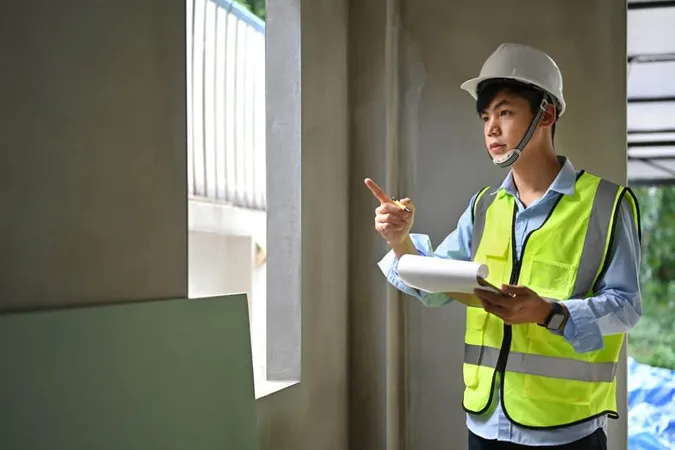
Job prospects for certified building inspectors are promising, with steady demand expected due to population growth, urban development, and aging infrastructure. Inspectors are needed in both public and private sectors, working for government agencies, construction companies, or as independent contractors.
- Local and State Governments: Building inspectors are often employed by city or county governments to ensure compliance with local codes and regulations.
- Construction Firms: Some inspectors work directly for construction companies to ensure that their projects meet industry standards from the ground up.
- Private Inspection Companies: Independent firms offer building inspection services to homeowners, real estate agents, and other clients.
According to the U.S. Bureau of Labor Statistics, the demand for building inspectors is expected to grow by 3% from 2026 to 2032. Factors such as increasing government regulations, the need for building retrofits, and ongoing urban development will contribute to a steady demand for qualified inspectors.

Conclusion
The role of a Certified Building Inspector is indispensable in maintaining safety and compliance in construction projects. With the right training, experience, and certification, becoming a building inspector can be a fulfilling career offering job security, competitive wages, and the opportunity to contribute to the safety of communities.
By understanding the path to certification, salary expectations, and job prospects, you can make an informed decision about whether a career as a certified building inspector is the right fit for you.
- +Industry-recognized credential boosts your resume
- +Higher earning potential (10-20% salary increase on average)
- +Demonstrates commitment to professional development
- +Opens doors to advanced career opportunities
- −Exam preparation requires significant time investment (4-8 weeks)
- −Certification fees can be $100-$400+
- −May require continuing education to maintain
- −Some employers may not require certification
Sample CBI - Certified Building Inspector Practice Questions
Try these questions from our free CBI - Certified Building Inspector practice tests. The correct answer and an explanation follow each question.
A building inspector finds that the exit signs in a corridor are not illuminated. Which code primarily addresses this requirement?
- A. NFPA 10
- B. NFPA 13
- C. IBC Chapter 10
- D. IBC Chapter 4
Answer: C. IBC Chapter 10
IBC Chapter 10 (Means of Egress) contains requirements for exit sign illumination, including continuous illumination at not less than 5 foot-candles.
What is a building inspector's authority to issue a 'stop work order'?
- A. The power to halt construction when code violations, unsafe conditions, or unpermitted work are discovered
- B. An order to stop at a traffic light near construction
- C. A request to pause work during lunch breaks
- D. Authority exercised only by federal inspectors
Answer: A. The power to halt construction when code violations, unsafe conditions, or unpermitted work are discovered
Building inspectors can issue stop work orders when they observe violations that compromise safety, when work proceeds without required permits, or when construction deviates significantly from approved plans.
Under the International Building Code (IBC), what is the maximum travel distance to an exit in a fully sprinklered business occupancy?
- A. 200 feet
- B. 250 feet
- C. 300 feet
- D. 350 feet
Answer: C. 300 feet
The IBC allows a maximum travel distance of 300 feet in sprinklered business occupancies, increased from the 200-foot unsprinklered limit.
What does an inspector typically check in a mechanical ventilation system?
- A. Ductwork and airflow
- B. Window tinting
- C. Roofing material
- D. Soil condition
Answer: A. Ductwork and airflow
When inspecting a mechanical ventilation system, an inspector primarily focuses on the condition and functionality of the ductwork and the quality of airflow. They check for proper sealing, insulation, and obstructions in the ducts to ensure efficient air distribution. Assessing airflow confirms that the system effectively exhausts stale air and supplies fresh air, which is vital for indoor air quality and occupant comfort.
Take the full CBI - Certified Building Inspector practice test
(CBI) Certified Building Inspector Questions and Answers
About the Author

Licensed Engineer & Construction Management Certification Expert
Georgia Institute of TechnologyDaniel Park is a licensed Professional Engineer and Certified Construction Manager with a BS in Civil Engineering from Georgia Tech. He has managed over $800 million in construction projects across commercial, infrastructure, and public works sectors. Daniel coaches engineers and project managers preparing for PE licensure, CCM, and construction management certification exams.
Join the Discussion
Connect with other students preparing for this exam. Share tips, ask questions, and get advice from people who have been there.
View discussion (8 replies)