
NY State Commercial Driver's License: Complete 2026 October Guide
Get your NY State commercial driver's license fast. 📗 Classes A, B, C, CLP rules, DOT physical, ELDT, endorsements, fees, and DMV steps explained.
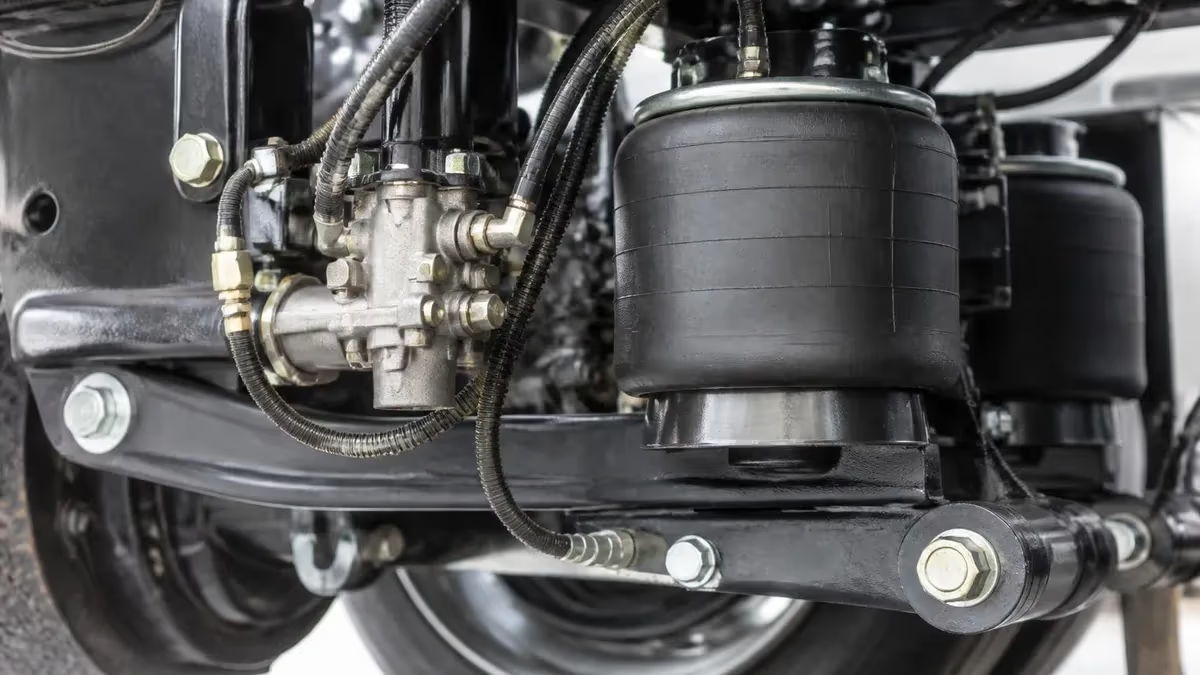
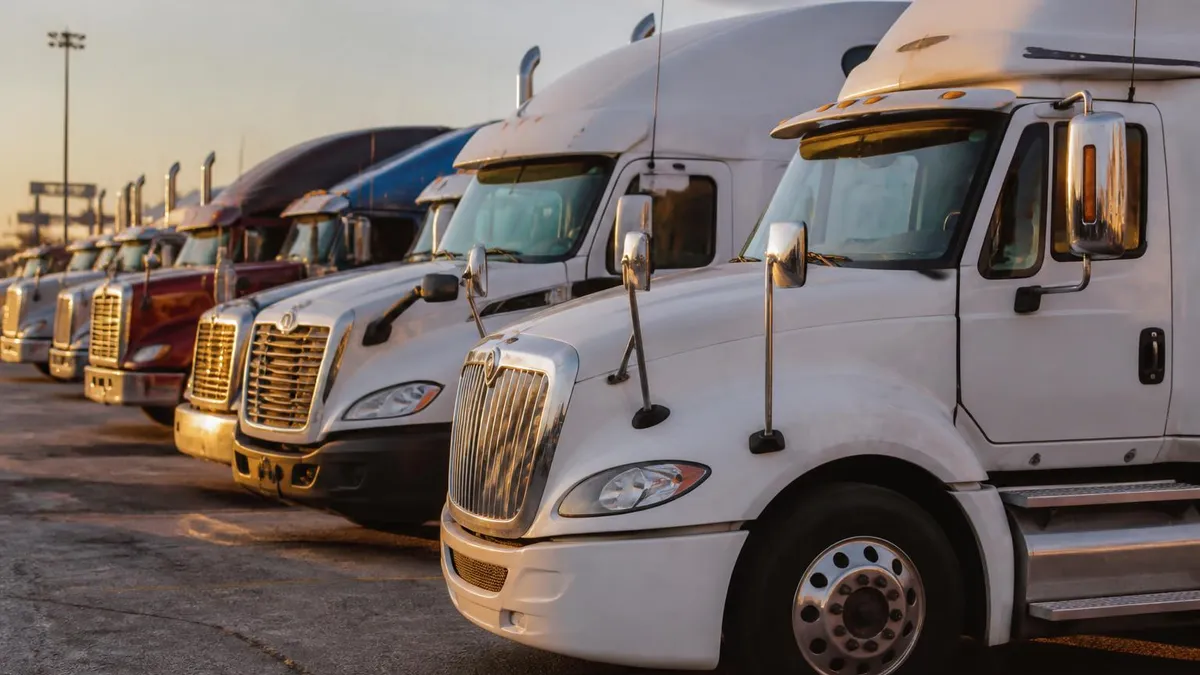
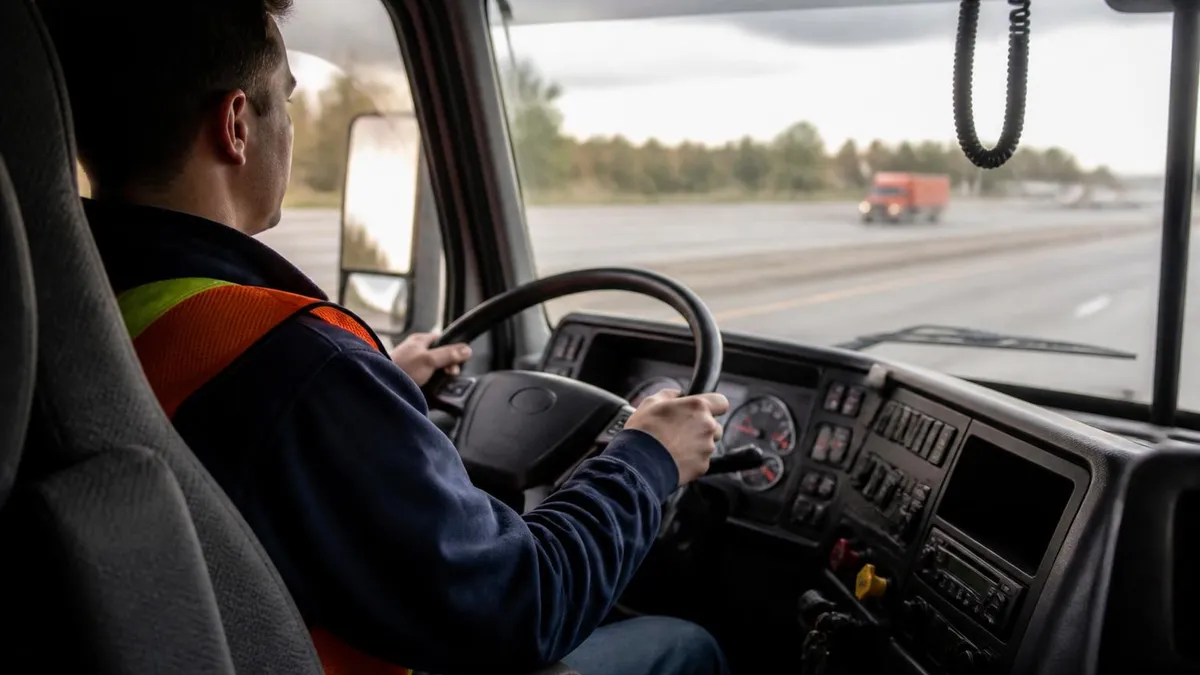
Thinking about driving big rigs across the Empire State? A NY State commercial driver's license—CDL for short—is your ticket. Whether you're hauling freight on the Thruway, shuttling kids in a school bus through Buffalo, or driving a tanker out of Albany, New York wants to make sure you know your stuff. And honestly? The process can feel like a lot.
Here's the good news. Once you understand the pieces, it's manageable. The state breaks the CDL into three classes—A, B, and C—and each one matches a specific kind of truck or bus. You'll need a commercial learner's permit (CLP) first. Then a DOT medical card. Then knowledge tests, ELDT training, and finally a road skills exam. Pass all that, pay your fees, and you're rolling.
This guide walks you through every step. We'll cover age rules, eligibility, what the DMV asks for, endorsements like passenger or hazmat, and the NY-specific quirks that trip people up. By the end you'll know exactly what to do—and roughly what it'll cost.
One thing worth mentioning up front. Trucking is one of the few careers in New York where you can start with no prior experience and reach a solid middle-class income within 12 to 24 months. Job openings outnumber qualified drivers across most of the state, and that gap isn't closing. If you've been weighing options, this is a path worth taking seriously—not because it's easy, but because the demand is real and the barrier to entry is mostly a matter of paperwork and practice.
NY CDL by the Numbers
Before you book any test, you've got to figure out which class fits the vehicle you'll drive. This matters because picking the wrong class wastes time and money—and the DMV won't refund either. Take 10 minutes to study the class definitions before you pay a dime.
Class A covers combination vehicles with a gross combination weight rating (GCWR) of 26,001 pounds or more, where the towed unit weighs over 10,000 pounds. Think tractor-trailers, double trailers, livestock haulers, flatbeds carrying construction equipment. If you want maximum flexibility on the road, Class A's the one. It also unlocks the broadest pay scale because OTR and regional freight jobs almost always demand Class A.
Class B is for single vehicles 26,001 pounds or heavier, or those towing something under 10,000 pounds. Straight trucks, dump trucks, large delivery vans, most city buses—all Class B territory. Many local delivery and municipal jobs (sanitation, plowing, transit) sit squarely in this class.
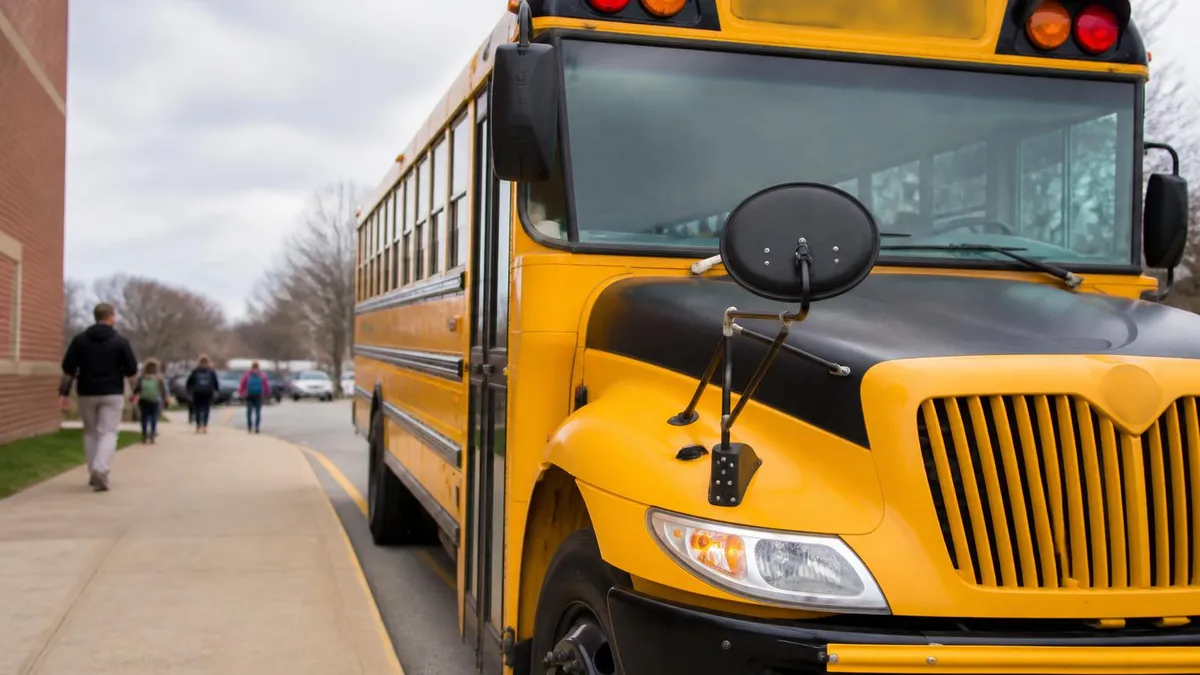
Class C handles smaller vehicles that either carry 16 or more passengers (including the driver) or transport hazardous materials requiring placards. Smaller shuttle buses fall here. So do certain hazmat trucks under the Class B weight threshold. Class C is the least common starting point but useful for limousine fleets, airport shuttles, and child-care transport.
Quick rule of thumb. If you can drive Class A safely, you can drive Class B and C. So most career-minded drivers skip B and go straight to A—the training is similar in length, the cost is comparable, and the doors it opens are wider. The exception is if your employer offers paid training but only for Class B. Take the money, get the experience, then upgrade later.
Quick Tip: Class A Covers the Most
A Class A CDL lets you drive Class A, B, and C vehicles (with the right endorsements). Most career drivers go straight for Class A because it opens the widest range of jobs—and pays the best on average. The training cost difference between B and A is usually under $1,500, while the lifetime earnings gap is often $10,000+ per year. Go big from day one.
Age rules in New York are a two-track system. If you only plan to drive within the state—intrastate commerce—you can apply for a CDL at 18 years old. That covers local delivery, in-state freight, regional bus routes that don't cross into New Jersey, Connecticut, Pennsylvania, Vermont, or Massachusetts. It's a real option if you're fresh out of high school and want to start earning right away.
Want to cross state lines? You'll need to be at least 21. Federal law requires it for interstate commerce, hazmat transport, and most school bus driving. There's a federal apprenticeship pilot that lets some 18- to 20-year-olds cross state lines, but slots are limited and the rules are strict. Companies participating in the pilot must register, supervise, and report on every apprentice driver, which keeps participation low.
Beyond age, the DMV checks a few baseline things. You need a valid NY State non-commercial driver's license—a regular Class D or higher, in good standing. Your driving record can't show recent suspensions or major violations like DWI within the past few years. You must be a U.S. citizen or a lawful permanent resident—temporary visas usually don't cut it for CDL issuance. Social Security number is mandatory. So is proof of NY residency, like a utility bill, lease, or bank statement dated within the last 12 months.
Vision, hearing, and basic health screens come next, but those happen during your DOT physical (covered later). If you have a medical condition that might affect commercial driving—diabetes requiring insulin, epilepsy, severe sleep apnea—talk to a certified medical examiner before paying for any CDL training. Better to know up front whether you'll qualify than to spend thousands and hit a wall at the medical desk.
What the NY DMV Wants From You
Bring documents totaling 6 points: passport, birth certificate, current NY license, Social Security card, plus secondary IDs like a utility bill or recent paystub. Originals only—no photocopies or screenshots accepted at the counter.
A current DOT physical (Medical Examiner's Certificate, Form MCSA-5876) from a federally certified examiner on the National Registry is required before testing. Most certificates last 24 months, but the examiner may shorten validity if you have a monitored condition like high blood pressure.
You must declare your driving category—interstate non-excepted, interstate excepted, intrastate non-excepted, or intrastate excepted. Most career drivers select interstate non-excepted, which keeps your options open for cross-state work and freight contracts.
Entry-Level Driver Training is mandatory for first-time Class A or B applicants and certain endorsements (H, P, S). Theory hours + behind-the-wheel hours must be logged through an FMCSA-registered provider before you can sit the road test.
Step one in the real world is the commercial learner's permit—the CLP. You can't take the road test without holding one for at least 14 days. To get a CLP you'll pass a written knowledge exam at a NY DMV office, show your medical certificate, and pay the permit fee (roughly $10).
The general knowledge test runs 50 multiple-choice questions covering vehicle inspection, basic control, shifting, space management, hazard awareness, and emergency procedures. You need 80% to pass—that's 40 right out of 50. Studying the New York Commercial Driver's Manual is non-negotiable. It's free online at the DMV website. Don't shortcut this with random YouTube videos. The actual exam pulls language directly from the manual, so reading it cover-to-cover is the highest-ROI thing you can do.
Add tests as needed. Air brakes? Take the air brakes knowledge exam (and skip the "no air brake" restriction). Hauling fuel or chemicals? Tankers and hazmat each have their own written exams. Want to drive a school bus? Plan on passenger, school bus, and air brakes tests at minimum. The DMV lets you bundle multiple knowledge tests in a single visit, so plan accordingly and bring snacks—you might be there a few hours.
Practice tests help. A lot. Free resources online mirror the NY question pool closely. Aim for at least three consecutive passing scores above 90% before you book the real thing. If you're consistently scoring in the 70s on practice tests, keep studying—the real exam questions tend to be a notch harder than what you'll find online.
Knowledge Tests You'll Face
Once your CLP is in hand and 14 days have passed, you can schedule the CDL road skills test. NY runs this test at designated CDL test sites—not every DMV office handles it. Check the DMV website for the closest location and book early. Slots fill fast, especially in spring and summer when training schools dump waves of students into the system. Some sites are booked out 4 to 6 weeks. Plan around that.
The road test has three parts. The first is a pre-trip inspection, where you point out and name vehicle components—air lines, slack adjusters, kingpin, fifth wheel, steering linkage, suspension. Examiners want to hear specifics. "That part" won't earn points. You need terminology. Memorize the inspection checklist from the NY CDL manual, run through it daily during training, and recite it out loud until the words come automatically.
Part two is basic vehicle control. Straight backing, offset backing, parallel parking, alley docking. You get a limited number of pull-ups and look-backs before points come off. Practice this until it's muscle memory—most fails happen here. Cones don't move. You do. Stay calm, take your time, and use your mirrors deliberately.
Part three is the actual on-road driving exam. Lane changes, intersections, turns, railroad crossings, expressway entries (if available), and general traffic handling. The examiner scores everything from mirror checks to shifting smoothness. Bring your own CDL-class vehicle—the DMV doesn't supply one. Your training school usually provides the test vehicle for an extra fee. Confirm this when you enroll.
Under federal Entry-Level Driver Training rules, you must complete theory AND behind-the-wheel training with a provider listed on the FMCSA's Training Provider Registry BEFORE taking your first Class A, Class B, or upgrade road test. Skip this and the DMV will reject your application—no exceptions, no workarounds. Verify your school's registry status before you pay tuition.
Let's talk medical. Every CDL holder in New York must carry a current DOT medical card—officially the Medical Examiner's Certificate, Form MCSA-5876. You get this from a healthcare provider listed on the National Registry of Certified Medical Examiners. Not just any doctor. They have to be FMCSA-certified, and you can search the registry by ZIP code on the FMCSA's website to find one nearby.
The exam checks the basics. Vision (at least 20/40 in each eye, with or without correction). Hearing (you must be able to perceive a forced whisper at 5 feet). Blood pressure. Diabetes management if applicable. Mental health. Use of certain medications. The examiner asks about sleep apnea, seizures, heart conditions, and substance use history. Be honest. Lying on the medical form is a federal offense and gets discovered the first time something goes wrong.
Most certificates last 24 months. Some come with shorter validity—3, 6, or 12 months—if the examiner wants to monitor a condition. You're responsible for keeping the card current and submitting it (or the self-certification) to the NY DMV. Let it lapse and your CDL gets downgraded automatically. No warning. No grace period. Set a calendar reminder 60 days before expiration so you have time to book a new exam, get the results, and file with the DMV before it bites you.
Your NY CDL Application Checklist
- ✓Hold a valid NY non-commercial driver's license in good standing with no recent suspensions
- ✓Pass the DOT physical and obtain a current Medical Examiner's Certificate (Form MCSA-5876)
- ✓Complete FMCSA-approved ELDT theory and behind-the-wheel training with a registered provider
- ✓Pass the general knowledge test plus any endorsement and restriction-removal exams you need
- ✓Hold the Commercial Learner's Permit (CLP) for at least 14 consecutive days before testing
- ✓Schedule and pass the CDL road skills test at a designated NY State testing site
- ✓Pay all CDL application, permit, endorsement, and TSA hazmat fees at the DMV counter
Endorsements expand what your CDL can do. Each one adds a letter to the back of your license—and a job posting you're suddenly qualified for. Here's the rundown.
P (Passenger): Required to drive any vehicle designed to carry 16 or more people. Knowledge test plus a road test in a passenger-class vehicle.
S (School Bus): On top of the P endorsement. Includes background check, fingerprinting, and additional written exam covering loading procedures, danger zones, evacuation, and student management.
T (Doubles/Triples): Knowledge test only. Lets you pull two or three trailers—common in LTL freight and parcel routes.
N (Tanker): Required for any liquid or gas tank with a capacity of 1,000 gallons or more. Knowledge test only.
H (Hazmat): Required for placarded hazardous materials. Federal background check through TSA is mandatory. Fingerprints, fee, and renewal every five years (or whenever you renew your CDL).
X (Combined Tanker/Hazmat): One letter, two endorsements. You hold both N and H without the X if you took them separately—but most drivers prefer the combined version for simplicity.
Which endorsements should you grab? Depends on what jobs you're chasing. Hazmat (H or X) and tanker (N) tend to boost pay the most. Passenger (P) opens transit and shuttle work. School bus (S) gives you steady seasonal income with summers off. Doubles/triples (T) makes you valuable to LTL carriers and parcel companies. Stack the right ones and your earning potential doubles. Stack the wrong ones and you'll pay for tests you never use. Plan first, test second.
CDL Career Pros and Cons
- +Strong job market across New York—trucking, transit, school transport, construction, and waste management all hire continuously
- +Solid pay scale; experienced Class A drivers in NY typically earn $65,000-$85,000+ annually, with OTR specialists topping six figures
- +Multiple endorsements stack and multiply your earning potential, especially hazmat (H) and tanker (N)
- +Career mobility is excellent—your CDL transfers across all 50 states with minimal paperwork on a move
- +Strong union presence in NYC and Long Island offers benefits, pensions, and job stability you rarely see in other industries
- −Upfront cost: school, ELDT training, knowledge tests, and licensing fees can total $4,000 to $8,000 out of pocket
- −DOT medical card requires ongoing health management and timely renewal—lapses cause automatic CDL downgrade
- −Long hours and time away from home, especially in over-the-road (OTR) roles that can keep you out for weeks
- −NY traffic, weather extremes (snow, ice, salt, summer humidity), and aging infrastructure are unforgiving for new drivers
- −Strict federal drug and alcohol clearinghouse rules—one positive test follows you and can effectively end a career
Pros and Cons at a Glance
| Pros | Cons |
|---|---|
| Strong job market across New York—trucking, transit, school transport, construction, and waste management all hire continuously | DOT medical card requires ongoing health management and timely renewal—lapses cause automatic CDL downgrade |
| Multiple endorsements stack and multiply your earning potential, especially hazmat (H) and tanker (N) | Long hours and time away from home, especially in over-the-road (OTR) roles that can keep you out for weeks |
| Strong union presence in NYC and Long Island offers benefits, pensions, and job stability you rarely see in other industries | NY traffic, weather extremes (snow, ice, salt, summer humidity), and aging infrastructure are unforgiving for new drivers |
Now the money side. Fees in New York shift a bit by class, but here's roughly what you'll pay out of pocket at the DMV. The CLP itself runs around $10. The base CDL license fee is approximately $160 (this varies by age and license duration, since CDLs in NY are good for up to 8 years). Knowledge test retakes? About $10 each time you fail one. Road test retakes hit you for the full test fee again.
Endorsements have their own costs. Hazmat requires a TSA background check, which currently runs about $86.50 in federal fees plus the state-level processing. Fingerprinting through MorphoTrust adds another $15 to $20. School bus endorsement triggers a separate background check too, run through the NY State Education Department.
What about training? Private CDL schools across New York charge anywhere from $3,500 to $7,500 for a full Class A program including ELDT. Community colleges sometimes offer cheaper paths—Westchester, Erie, and Mohawk Valley all run programs.
Some trucking companies sponsor paid training in exchange for a one- to two-year work commitment. Worth exploring if cash is tight. Just read the contract carefully—some company-sponsored programs lock you in with steep early-departure penalties.
Common terms include a 12 to 24 month employment commitment, prorated repayment if you quit early, and clauses preventing you from working for competitors during the contract window. If the math works for you, sponsored training is a fantastic deal. If you're not sure you want to drive for a single carrier that long, pay your own way and keep your freedom.
A few NY-specific things deserve attention. First, hours-of-service rules. New York adopts most federal HOS standards for interstate driving—11 hours driving max, 14-hour on-duty window, 10 consecutive hours off. But for purely intrastate drivers, NY allows up to 12 hours of driving in a 16-hour window with at least 8 hours off-duty afterward. Different rules, different logbooks. Know which set applies to your trips.
Second, road familiarity. While there's no specific "NY roads" written exam, you're expected to handle the quirks. The George Washington Bridge has commercial vehicle restrictions. The Tappan Zee—now the Mario M. Cuomo Bridge—has tolls and lane rules specific to commercial traffic. The Cross Bronx Expressway is unforgiving. Upstate, mountain passes and snowy stretches in the Adirondacks demand chain-up readiness in winter.
Third, NY uses the federal Drug and Alcohol Clearinghouse. You'll need to register, give consent for queries, and stay clean. Pre-employment, random, post-accident, and reasonable-suspicion testing all apply. A positive result follows you across state lines and stays on your record until you complete a return-to-duty process with a Substance Abuse Professional.
Finally, REAL ID matters. NY issues CDL credentials that comply with federal REAL ID standards, but you need to bring the right document set the first time. Bring originals only. Photocopies get rejected.
Stick with the process, study the manual, and pick a reputable ELDT provider. The road from non-driver to fully licensed CDL holder in New York usually takes 4 to 12 weeks depending on training pace and DMV scheduling. Plenty of people do it while working a day job. You can too. Now get your manual open and start studying—the next exam slot won't wait.
Sample CDL Practice Questions
Try these questions from our free CDL practice tests. The correct answer and an explanation follow each question.
What is the minimum following distance a driver of a triple combination should maintain at highway speeds?
- A. At least one second per 10 feet of vehicle length, plus additional distance for speeds over 40 mph
- B. A fixed 4 seconds regardless of vehicle length or speed
- C. Two car lengths (approximately 30 feet) at all speeds
- D. The same following distance as a personal vehicle adjusted for weather only
Answer: A. At least one second per 10 feet of vehicle length, plus additional distance for speeds over 40 mph
FMCSA requires at least one second of following distance for every 10 feet of vehicle length, plus one additional second for speeds above 40 mph. A 60-foot triple combination at 55 mph needs at least 7 seconds of following distance.
______ can be a hazard for commercial drivers.
- A. Distracted drivers.
- B. Pedestrians chatting.
- C. Joggers wearing head phones.
- D. Joggers wearing head phones.
- E. All of the listed answers.
Answer: E. All of the listed answers.
Commercial drivers face numerous hazards on the road, and many involve other road users. Distracted drivers, pedestrians, and joggers (especially those wearing headphones who may not hear approaching vehicles) all pose risks due to their unpredictable actions. These situations require commercial drivers to be constantly vigilant and practice defensive driving to prevent accidents.
While driving a large vehicle, it is often difficult to see whether a vehicle is close behind you. Which of the following is a common reason someone may tailgate a driver of a large vehicle?
- A. Bad weather.
- B. The driver of the large vehicle is maintaining the speed limit.
- C. Bad weather or if the driver of the large vehicle is travelling too slowly.
- D. The driver of the large vehicle is travelling too slowly.
- E. Sunny weather.
Answer: C. Bad weather or if the driver of the large vehicle is travelling too slowly.
Tailgating a large vehicle is dangerous and often occurs due to specific driving conditions or driver behavior. Drivers may tailgate in bad weather because visibility is reduced, making them feel they need to be closer to see the vehicle ahead. Additionally, if the large vehicle is traveling too slowly for the tailgater's preference, they might follow too closely out of impatience, increasing the risk of a collision.
When may a bus driver back up the bus?
- A. Only when necessary, using a helper if possible
- B. Anytime to save time
- C. Only on highways
- D. Never under any condition
Answer: A. Only when necessary, using a helper if possible
Backing should be avoided when possible and done with a helper to guide the driver when necessary.
CDL Questions and Answers
About the Author
Licensed Driving Instructor & DMV Test Specialist
Penn State UniversityRobert J. Williams graduated from Penn State University with a degree in Transportation Management and has spent 20 years as a certified driving instructor and DMV examiner consultant. He has personally coached thousands of applicants through written knowledge tests, skills assessments, and commercial driver licensing programs across more than 30 states.
Join the Discussion
Connect with other students preparing for this exam. Share tips, ask questions, and get advice from people who have been there.
View discussion (7 replies)