

ABO Practice Test
Updated for October 2026The American Board of Ophthalmology (ABO) Certification is a prestigious credential for ophthalmologists seeking to demonstrate their expertise in eye care and surgery. It signifies a physician's commitment to high standards of medical knowledge, clinical competence, and ethical practice in ophthalmology.
Ophthalmologists who earn ABO certification enhance their professional credibility, improve patient trust, and gain a competitive edge in the medical field. This guide provides an in-depth look at the ABO certification process, its significance, and the steps required to achieve and maintain this credential.
ABO Practice Test Questions
Prepare for the ABO - American Board of Ophthalmology exam with our free practice test modules. Each quiz covers key topics to help you pass on your first try.
ABO Ocular Oncology
ABO Exam Questions covering Ocular Oncology. Master ABO Test concepts for certification prep.
ABO Cataract and Lens
Free ABO Practice Test featuring Cataract and Lens. Improve your ABO Exam score with mock test prep.
ABO Cornea and External Disease
ABO Mock Exam on Cornea and External Disease. ABO Study Guide questions to pass on your first try.
ABO Glaucoma Diagnosis and Management
ABO Test Prep for Glaucoma Diagnosis and Management. Practice ABO Quiz questions and boost your score.
ABO Neuro-Ophthalmology and Orbit
ABO Mock Test covering Neuro-Ophthalmology and Orbit. Online ABO Test practice with instant feedback.
ABO Neuro-Ophthalmology
Free ABO Quiz on Neuro-Ophthalmology. ABO Exam prep questions with detailed explanations.
ABO Ocular Pharmacology and Therapeutics
ABO Practice Questions for Ocular Pharmacology and Therapeutics. Build confidence for your ABO certification exam.
ABO Oculoplastic & Orbit
ABO Test Online for Oculoplastic & Orbit. Free practice with instant results and feedback.
ABO Optics and Refraction Principles
ABO Study Material on Optics and Refraction Principles. Prepare effectively with real exam-style questions.
ABO Optics and Refraction
Free ABO Test covering Optics and Refraction. Practice and track your ABO exam readiness.
ABO Pediatric Ophthalmology and Strabismus
ABO Exam Questions covering Pediatric Ophthalmology and Strabismus. Master ABO Test concepts for certification prep.
ABO Pediatric Ophthalmology & Strabismus
Free ABO Practice Test featuring Pediatric Ophthalmology & Strabismus. Improve your ABO Exam score with mock test prep.
ABO Retina and Vitreous Disorders
ABO Mock Exam on Retina and Vitreous Disorders. ABO Study Guide questions to pass on your first try.
Key Takeaways
Free ABO Practice Test Online
ABO certification is a prestigious credential that validates an ophthalmologist's expertise.
The certification process includes medical education, residency, written and oral exams, and ongoing maintenance.
Ophthalmology associations provide professional support, research, and continuing education.
Eyelid surgery may require additional fellowship training beyond ABO certification.
Maintaining certification ensures ophthalmologists stay updated on the latest medical advancements.
Understanding the American Board of Ophthalmology (ABO)
The American Board of Ophthalmology (ABO) is a non-profit organization that certifies ophthalmologists in the United States. It was the first medical specialty board established in the U.S., founded in 1916, with the mission of promoting excellence in ophthalmic practice through certification and lifelong learning.
- ✓Review the official ABO exam content outline
- ✓Take a diagnostic practice test to identify weak areas
- ✓Create a study schedule (4-8 weeks recommended)
- ✓Focus on your weakest domains first
- ✓Complete at least 3 full-length practice exams
- ✓Review all incorrect answers with detailed explanations
- ✓Take a final practice test 1 week before exam day
Key Functions of the ABO:
Establishing rigorous certification standards for ophthalmologists.
Conducting exams to assess knowledge, skills, and professional competence.
Offering maintenance of certification programs to ensure continued professional development.
Promoting ethical and evidence-based practices in ophthalmology.
ABO certification is highly regarded in the medical community, ensuring that certified ophthalmologists meet the highest standards of patient care.
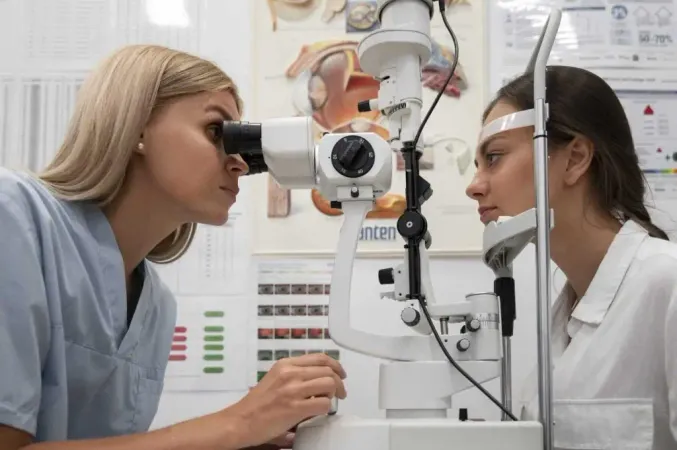
What is ABO?
The ABO certification is a voluntary credential that ophthalmologists pursue to validate their expertise. While medical licensure allows an ophthalmologist to practice, ABO certification distinguishes those who have met additional standards of excellence in education, training, and competency assessment.
Requirements for ABO Certification:
Completion of an accredited medical degree (M.D. or D.O.).
Completion of an ophthalmology residency program accredited by the Accreditation Council for Graduate Medical Education (ACGME) or the Royal College of Physicians and Surgeons of Canada (RCPSC).
Passing the Written Qualifying Examination (WQE) and Oral Examination.
Commitment to ongoing learning through Maintenance of Certification (MOC).
The ABO certification is recognized across the medical field as a mark of professional excellence.
Ophthalmology Associations and Their Role
Ophthalmologists can benefit from joining professional associations that support career development, continuing education, and research in eye health.
Leading Ophthalmology Associations:
American Academy of Ophthalmology (AAO) – Provides education, advocacy, and resources for ophthalmologists worldwide.
Association for Research in Vision and Ophthalmology (ARVO) – Supports eye research and advances in ophthalmic science.
American Society of Cataract and Refractive Surgery (ASCRS) – Focuses on advancements in cataract, refractive, and corneal surgery.
International Council of Ophthalmology (ICO) – Promotes global ophthalmic education and training.
Membership in these organizations can enhance professional networking, provide access to advanced research, and support ongoing medical education.
American Board of Ophthalmology Certification Process
The ABO certification process consists of multiple steps, each designed to assess an ophthalmologist’s competency and readiness to provide high-quality patient care.
Steps to Obtain ABO Certification:
Graduate from Medical School – Earn an M.D. or D.O. degree from an accredited institution.
Complete Ophthalmology Residency – Participate in an accredited ophthalmology residency program for at least four years.
Pass the Written Qualifying Examination (WQE) – A comprehensive test that assesses knowledge in ophthalmic science and clinical practice.
Pass the Oral Examination – A performance-based assessment where candidates demonstrate their ability to diagnose and manage ophthalmic conditions.
Maintain Certification – ABO-certified ophthalmologists must engage in continuing education and periodic assessments to maintain their certification.
Successfully completing these steps ensures that ophthalmologists meet the highest standards of professional excellence.
Is the American Board of Ophthalmology Certification Enough to Perform Eyelid Surgery?
Eyelid surgery, or blepharoplasty, is a specialized procedure that involves the removal or reshaping of eyelid tissue for functional or cosmetic reasons. While ABO-certified ophthalmologists are trained in eyelid surgery, additional fellowship training may be necessary for complex cases.
Key Considerations:
Ophthalmologists with ABO certification have training in functional eyelid procedures.
Oculoplastic surgery fellowships provide additional expertise in cosmetic and reconstructive eyelid surgeries.
State regulations and hospital privileges may require additional certifications or training.
Patients seeking eyelid surgery should verify their surgeon’s credentials and experience to ensure optimal outcomes.
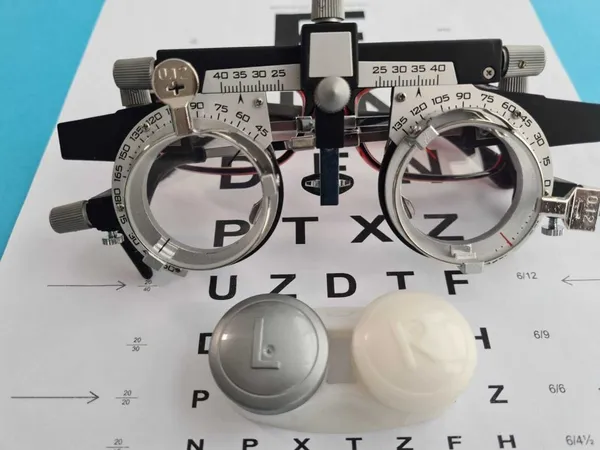
ABO: Pros and Cons
- +ABO certification validates expertise recognized by employers nationwide
- +Certified professionals typically earn 15-20% higher salaries
- +Opens doors to advanced positions and leadership roles
- +Demonstrates commitment to professional standards and ethics
- +Builds a strong professional network through certification communities
- −Exam preparation typically requires 2-4 months of dedicated study
- −Certification and exam fees can range from $150-$500+
- −Must complete continuing education to maintain active certification
- −Pass rates vary — thorough preparation is essential for success
- −Some certifications require prerequisite experience or education
Pros and Cons at a Glance
| Pros | Cons |
|---|---|
| ABO certification validates expertise recognized by employers nationwide | Must complete continuing education to maintain active certification |
| Opens doors to advanced positions and leadership roles | Pass rates vary — thorough preparation is essential for success |
| Demonstrates commitment to professional standards and ethics | Some certifications require prerequisite experience or education |
Sample ABO - American Board of Ophthalmology Practice Questions
Try these questions from our free ABO - American Board of Ophthalmology practice tests. The correct answer and an explanation follow each question.
A 75-year-old patient reports sudden, painless, distorted central vision in one eye. OCT reveals subretinal fluid and intraretinal cysts. What is the most appropriate initial treatment?
- A. Intravitreal anti-VEGF injection
- B. Photodynamic therapy
- C. Observation with an Amsler grid
- D. Laser photocoagulation
Answer: A. Intravitreal anti-VEGF injection
The findings are classic for neovascular or 'wet' age-related macular degeneration (AMD). The standard of care and first-line treatment is intravitreal injection of an anti-vascular endothelial growth factor (anti-VEGF) agent to inhibit the growth of abnormal choroidal vessels and reduce fluid leakage.
A 3-year-old child presents with an intermittent inward turning of the right eye, first noticed six months ago. The deviation is more prominent when the child is looking at toys up close. Cycloplegic refraction reveals +5.00 D sphere in both eyes. What is the most appropriate initial treatment?
- A. Bilateral medial rectus muscle recession.
- B. Patching of the left eye for 6 hours per day.
- C. Prescription of the full cycloplegic hyperopic correction.
- D. Botulinum toxin injection into the medial rectus muscles.
Answer: C. Prescription of the full cycloplegic hyperopic correction.
This is a classic presentation of refractive accommodative esotropia. The esotropia is caused by the excessive accommodative effort required to see clearly through the significant uncorrected hyperopia, which in turn drives excessive convergence. The cornerstone and initial treatment is to prescribe the full cycloplegic refractive error in spectacles. This relaxes accommodation, thereby reducing the convergence drive and straightening the eyes. Surgery is only considered if a significant esotropia persists even with full spectacle correction (partially accommodative esotropia). Patching is a treatment for amblyopia, not the strabismus itself, and botulinum toxin is not the primary therapy.
A 68-year-old male with long-standing hypertension and diabetes presents with the acute onset of painless, horizontal diplopia. Examination reveals an isolated abduction deficit of the left eye. The remainder of his ocular and neurological exam is normal. What is the most likely diagnosis?
- A. Cavernous sinus thrombosis
- B. Myasthenia gravis
- C. Microvascular sixth nerve palsy
- D. Giant cell arteritis
Answer: C. Microvascular sixth nerve palsy
The most common cause of an isolated, non-traumatic sixth nerve palsy in an older patient with vasculopathic risk factors like diabetes and hypertension is a microvascular ischemic event. [8, 27] Cavernous sinus thrombosis would typically present with multiple cranial nerve palsies and proptosis. Myasthenia gravis often presents with ptosis and variable diplopia. Giant cell arteritis is a consideration but is less likely without associated symptoms like headache, jaw claudication, or scalp tenderness.
Conjunctival melanoma most frequently arises from which precursor lesion?
- A. Conjunctival papilloma
- B. Primary acquired melanosis (PAM) with atypia
- C. Conjunctival compound nevus
- D. Pinguecula
Answer: B. Primary acquired melanosis (PAM) with atypia
Conjunctival melanoma most commonly (75%) arises from primary acquired melanosis with atypia, which carries a significant risk of malignant transformation proportional to the degree of cytologic atypia.
Take the full ABO - American Board of Ophthalmology practice test
(ABO) American Board of Ophthalmology Questions and Answers
About the Author

Optometrist & Vision Care Licensing Exam Expert
UC Berkeley School of OptometryDr. Susan Park is a Doctor of Optometry with a PhD in Visual Science from UC Berkeley School of Optometry. She has 15 years of clinical optometry practice and academic instruction experience and specializes in preparing optometry graduates for the NBEO Part I, II, and III board examinations, as well as opticianry licensing and vision therapy certification programs.
Join the Discussion
Connect with other students preparing for this exam. Share tips, ask questions, and get advice from people who have been there.
View discussion (6 replies)