
ServSafe Personal Hygiene for Food Handlers 2026 October
Pass your ServSafe Personal Hygiene for Food exam on the first attempt. 💡 Practice questions with detailed answer explanations, hints, and instant scoring.

Why Personal Hygiene Matters in Food Safety
Foodborne illness affects an estimated 48 million Americans every year, and improper food handler hygiene is one of the leading causes. Bacteria such as Staphylococcus aureus live naturally on human skin, in the nose, and in the throat. Pathogens including Norovirus, Hepatitis A, and Salmonella Typhi can transfer from an infected food handler to ready-to-eat food with a single touch. The ServSafe program places personal hygiene at the center of its food safety framework because no amount of proper temperature control or HACCP monitoring can compensate for a food handler who skips handwashing or comes to work while ill.
Understanding these rules is critical not only for passing the ServSafe certification exam but for protecting your customers every day. The exam dedicates a significant portion of questions to hygiene practices, illness policies, and contamination prevention. Review the complete ServSafe study guide for a full overview of all exam domains, and pair this article with practice on the HACCP principles guide to understand how hygiene fits into the broader food safety system.
Food establishments that implement strong personal hygiene policies reduce their risk of contamination events, regulatory violations, and costly foodborne illness outbreaks. Whether you are preparing for your certification exam or refreshing your knowledge before a health inspection, mastering these rules is non-negotiable.
The ServSafe Handwashing Procedure
ServSafe requires a specific five-step handwashing procedure that takes a minimum of 20 seconds. Food handlers must wash their hands at a designated handwashing sink — never at a food prep sink, utility sink, or dishwashing sink. The correct steps are: (1) wet hands and arms with warm running water; (2) apply enough soap to build a good lather; (3) scrub hands and arms vigorously for at least 10–15 seconds, paying close attention to the area between the fingers and under fingernails; (4) rinse thoroughly under warm running water; (5) dry with a single-use paper towel or a hand dryer. Using a cloth towel is not acceptable because it can harbor bacteria.
When Food Handlers Must Wash Their Hands
The ServSafe exam tests whether candidates know the specific situations that require handwashing. Food handlers must wash their hands: before starting work and after any absence from the food prep area; after using the restroom; after touching the face, hair, or body; after sneezing, coughing, or blowing the nose; after smoking, eating, or drinking; after handling raw meat, poultry, or seafood; after handling garbage; after handling chemicals; after handling money; and after any activity that may contaminate the hands. Wearing gloves does not replace handwashing — hands must be washed before putting on a new pair of gloves.
Glove Use Rules
Single-use gloves are required whenever a food handler touches ready-to-eat food directly. Gloves must be changed: when they become soiled or torn; after handling raw meat, before touching other food; after any task interruption; and at least every four hours during continuous use. Gloves should never be washed and reused. Some jurisdictions allow bare-hand contact with ready-to-eat food if the establishment has a written policy on file and staff have received additional training — check local regulations. For customers with servsafe, dedicated gloves that have never touched allergens must be used to prevent cross-contact.
Hair Restraints
All food handlers must wear effective hair restraints while working in food prep areas. Acceptable restraints include hair nets, baseball caps, visors, and beard restraints for workers with facial hair. The purpose is to prevent hair from falling into food, which causes both physical contamination and customer complaints. Hair restraints must cover all hair and should be put on before entering the kitchen.
Jewelry Restrictions
Jewelry can harbor bacteria and physically contaminate food. ServSafe prohibits wearing rings (except a plain band), bracelets, watches, and dangling earrings while working with food. Jewelry can also catch on equipment and cause safety hazards. Medical alert bracelets are an exception but must be covered with a wrist band or glove. Managers should establish a clear jewelry policy and enforce it consistently to avoid hygiene violations during inspections.
Illness Exclusion and Restriction Policy
ServSafe makes a critical distinction between exclusion and restriction. A food handler who must be excluded cannot come to work at all. Exclusion applies when the worker has been diagnosed with a foodborne illness caused by Salmonella Typhi, Shigella, Escherichia coli O157:H7, Hepatitis A, or Norovirus, or if the worker has jaundice. Exclusion also applies to workers with vomiting or diarrhea.
A food handler who is restricted may still come to work but cannot handle food or touch food-contact surfaces. Restriction applies when a worker has a sore throat with fever, or has an infected wound or lesion that cannot be covered. Managers are responsible for asking about symptoms and enforcing these policies. Always report illness symptoms to your manager immediately — this protects your customers and is required under the food handler card regulations in most states.
What the ServSafe Exam Tests on Personal Hygiene
The ServSafe Manager exam and food handler exam both include questions on personal hygiene. Common exam scenarios include: identifying the correct handwashing steps and duration; determining which situations require handwashing; distinguishing exclusion vs. restriction situations; identifying which pathogens trigger mandatory exclusion; and recognizing prohibited hygiene behaviors such as eating in food prep areas, wearing nail polish, or using a cloth towel to dry hands. Study these topics alongside the full ServSafe complete guide and reinforce your knowledge with the ServSafe practice test.
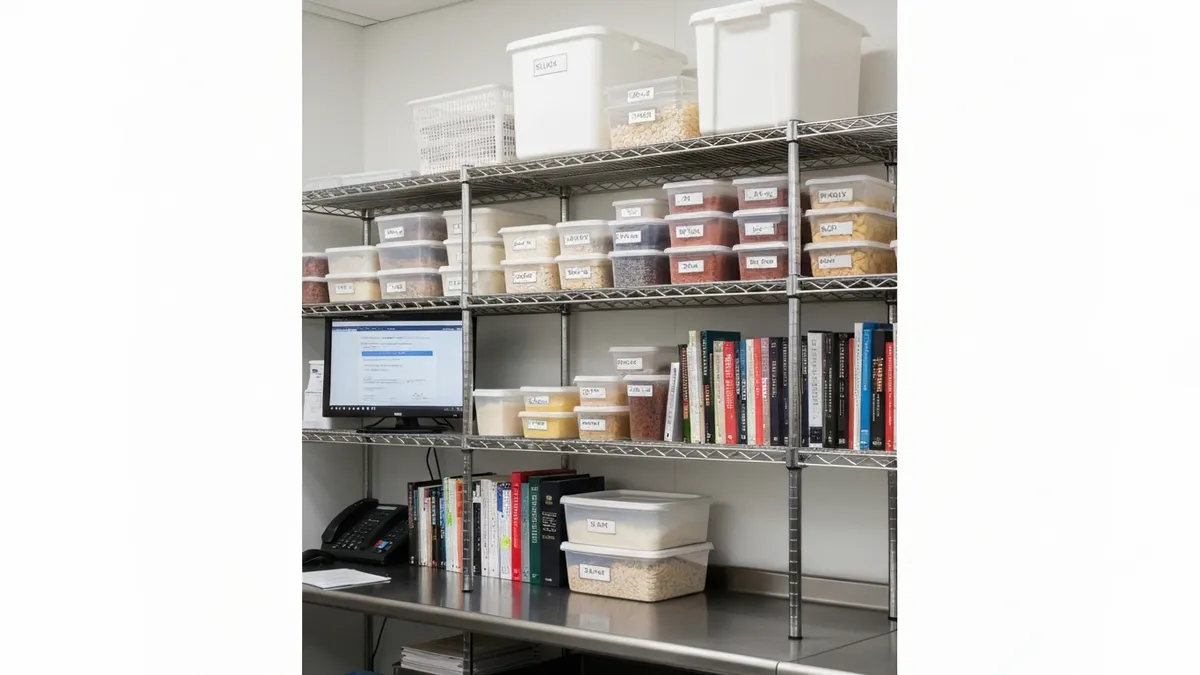
Personal Hygiene Quick-Reference Checklist
- ✓Wash hands for at least 20 seconds using the five-step procedure before every shift and after every contaminating activity
- ✓Use a designated handwashing sink only — never wash hands in prep, utility, or dishwashing sinks
- ✓Wear single-use gloves whenever touching ready-to-eat food; change gloves when soiled, torn, or after every four hours
- ✓Always wash hands before putting on a new pair of gloves
- ✓Wear an effective hair restraint (hair net, cap, or visor) that covers all hair in the food prep area
- ✓Remove rings (except plain band), bracelets, watches, and dangling earrings before handling food
- ✓Report any illness symptoms — especially vomiting, diarrhea, jaundice, or sore throat with fever — to your manager immediately
- ✓Never eat, drink, smoke, or chew gum in food prep or dish areas

ServSafe Personal Pros and Cons
- +ServSafe has a defined, publicly available content blueprint — candidates know exactly what to prepare for
- +Multiple preparation pathways (self-study, courses, coaching) accommodate different learning styles and schedules
- +A growing ecosystem of study resources means candidates at any budget level can access quality preparation materials
- +Clear score reporting allows candidates to identify specific strengths and weaknesses for targeted remediation
- +Professional recognition associated with strong performance provides tangible career and academic benefits
- −The scope of tested content requires substantial preparation time that competes with existing professional or academic commitments
- −No single resource covers the full content scope — candidates typically need multiple study tools for comprehensive preparation
- −Test anxiety and exam-day performance variability mean preparation effort does not always translate linearly to scores
- −Registration, preparation, and potential retake costs accumulate into a significant financial investment
- −Content and format can change between exam versions, making older preparation materials less reliable
Pros and Cons at a Glance
| Pros | Cons |
|---|---|
| ServSafe has a defined, publicly available content blueprint — candidates know exactly what to prepare for | The scope of tested content requires substantial preparation time that competes with existing professional or academic commitments |
| Multiple preparation pathways (self-study, courses, coaching) accommodate different learning styles and schedules | No single resource covers the full content scope — candidates typically need multiple study tools for comprehensive preparation |
| A growing ecosystem of study resources means candidates at any budget level can access quality preparation materials | Test anxiety and exam-day performance variability mean preparation effort does not always translate linearly to scores |
| Clear score reporting allows candidates to identify specific strengths and weaknesses for targeted remediation | Registration, preparation, and potential retake costs accumulate into a significant financial investment |
| Professional recognition associated with strong performance provides tangible career and academic benefits | Content and format can change between exam versions, making older preparation materials less reliable |
Sample ServSafe Practice Questions
Try these questions from our free ServSafe practice tests. The correct answer and an explanation follow each question.
A food service manager must exclude a food handler from working with food if the handler is diagnosed with which illness?
- A. Strep throat
- B. The common cold
- C. Salmonella Typhi
- D. Mild seasonal allergies
Answer: C. Salmonella Typhi
Salmonella Typhi (typhoid fever) is one of the Big 6 illnesses that requires complete exclusion from the food operation. The regulatory authority must also be notified. The other listed conditions do not require exclusion unless symptoms like vomiting or diarrhea are present.
According to ServSafe, which food is considered a Time/Temperature Control for Safety (TCS) food?
- A. Whole uncut apples
- B. Honey
- C. Cooked rice
- D. Dry crackers
Answer: C. Cooked rice
Cooked rice is a TCS food because it has sufficient moisture and nutrients to support bacterial growth in the danger zone.
A food handler returns from a smoke break outside. What must they do before handling food?
- A. Only change their gloves since they were outside
- B. Wash hands thoroughly, as smoking is a hand-to-mouth activity
- C. Rinse their mouth and wear fresh gloves
- D. Nothing additional is required if they washed hands before the break
Answer: B. Wash hands thoroughly, as smoking is a hand-to-mouth activity
Smoking involves touching the mouth and face, so food handlers must wash their hands after smoking before returning to food handling.
Which symptom would require a food handler to be EXCLUDED from working with food (not just restricted)?
- A. A sore throat with fever
- B. A minor cut on the hand covered with a bandage
- C. Sneezing from seasonal allergies
- D. A mild headache
Answer: A. A sore throat with fever
A sore throat with fever is a symptom that indicates a possible infection, requiring exclusion because of the risk of transmitting illness through food.
ServSafe Personal Hygiene Questions and Answers
About the Author

Educational Psychologist & Academic Test Preparation Expert
Columbia University Teachers CollegeDr. Lisa Patel holds a Doctorate in Education from Columbia University Teachers College and has spent 17 years researching standardized test design and academic assessment. She has developed preparation programs for SAT, ACT, GRE, LSAT, UCAT, and numerous professional licensing exams, helping students of all backgrounds achieve their target scores.
Join the Discussion
Connect with other students preparing for this exam. Share tips, ask questions, and get advice from people who have been there.
View discussion (7 replies)