

RRC Practice Test
Updated for October 2026River rescue certification equips individuals with essential skills to navigate and respond to emergencies in dynamic water environments—crucial for river guides, kayakers, emergency responders, and recreational paddlers. These certifications—such as the River Rescue Course (RRC), Swiftwater Rescue Technician (SRT/WRT), and ACA River Safety & Rescue—provide structured, practical training in swiftwater rescue techniques, scene management, and self-rescue protocols.
Through intensive fieldwork, teamwork drills, and hazard awareness exercises, participants learn how to manage real-world emergencies in rivers. Certification signals professional readiness and enhances safety standards for anyone working in or guiding others on the water.
RRC Practice Test Questions
Prepare for the RRC - River Rescue Certification exam with our free practice test modules. Each quiz covers key topics to help you pass on your first try.
RRC Patient Care & Evacuation Procedures
RRC Exam Questions covering Patient Care & Evacuation Procedures. Master RRC Test concepts for certification prep.
RRC Rescue Techniques & Equipment Operation
Free RRC Practice Test featuring Rescue Techniques & Equipment Operation. Improve your RRC Exam score with mock test prep.
RRC River Hydrology & Environmental Hazards
RRC Mock Exam on River Hydrology & Environmental Hazards. RRC Study Guide questions to pass on your first try.
RRC Swiftwater Safety Protocols & Team Coo...
RRC Test Prep for Swiftwater Safety Protocols & Team Coordination. Practice RRC Quiz questions and boost your score.
RRC Communication & Documentation
RRC Questions and Answers on Communication & Documentation. Free RRC practice for exam readiness.
RRC Community Relations & Education
RRC Mock Test covering Community Relations & Education. Online RRC Test practice with instant feedback.
RRC Disaster Preparedness & Planning
Free RRC Quiz on Disaster Preparedness & Planning. RRC Exam prep questions with detailed explanations.
RRC Emergency Response Procedures
RRC Practice Questions for Emergency Response Procedures. Build confidence for your RRC certification exam.
RRC First Aid & Basic Life Support
RRC Test Online for First Aid & Basic Life Support. Free practice with instant results and feedback.
RRC Hazard Identification & Assessment
RRC Study Material on Hazard Identification & Assessment. Prepare effectively with real exam-style questions.
RRC Incident Investigation & Reporting
Free RRC Test covering Incident Investigation & Reporting. Practice and track your RRC exam readiness.
RRC Legal & Ethical Considerations
RRC Exam Questions covering Legal & Ethical Considerations. Master RRC Test concepts for certification prep.
RRC Personal Protective Equipment
Free RRC Practice Test featuring Personal Protective Equipment. Improve your RRC Exam score with mock test prep.
RRC Physical Fitness & Readiness
RRC Mock Exam on Physical Fitness & Readiness. RRC Study Guide questions to pass on your first try.
RRC Risk Mitigation & Prevention
RRC Test Prep for Risk Mitigation & Prevention. Practice RRC Quiz questions and boost your score.
RRC Rope Systems & Throw Bag Techniques
RRC Questions and Answers on Rope Systems & Throw Bag Techniques. Free RRC practice for exam readiness.
Key Takeaways
Free RRC Practice Test Online
River rescue certification covers swiftwater rescue techniques, river hydrology, hazard identification, rope systems, and scene management.
Multiple organizational pathways exist, including Sierra Rescue, Rescue3 International, ACA, and Swiftwater Safety Institute.
Prospective candidates should possess foundational skills—Class II kayaking/swimming ability, basic rescue gear familiarity, and solid physical fitness.
Certified professionals may work as river guides, emergency responders, whitewater educators, and search-and-rescue team members.
Course costs range from $300 to $750+, varying based on training organization, certification level, and regional location.
The RRC exam uses a multiple-choice format with questions covering all major domains. Most versions allow 2-3 hours for completion.
Questions test both knowledge recall and application skills. A score of 70-75% is typically required to pass.
What Is River Rescue Certification?
River rescue certification provides formal recognition that an individual is capable of conducting safe and effective water rescue operations in flowing environments. These courses combine theoretical knowledge and practical training:
Understanding river hydrology—reading currents, eddies, hydraulics, and holes
Learning river classification from Class I to Class VI to gauge water severity
Mastering rescue techniques such as swiftwater swimming, throw-bag deployment, mechanical-advantage rope systems, and live-bait rescues
Emphasizing scenario-based training to simulate real rescue operations, team coordination, and risk mitigation
Popular certification programs include:
River Rescue Course (RRC) – foundational two-day courses for general paddlers
RRC‑Pro – professional-level certification for guides
Swiftwater Rescue Technician (SRT-1) – NFPA-compliant training for professional responders
Whitewater Rescue Technician (WRT) – comprehensive 3–5 day training for river professionals

How to Become Certified
1. Develop Foundational Skills
Swim confidently in Class II+ whitewater environments
Practice river paddling, self-rescue, and stabilize basic craft control on moving water
2. Select the Appropriate Course
Choose based on your role:
Recreational paddler → take RRC (2 days)
River guide or instructor → enroll in RRC-Pro or SRT/WRT (~3–5 days)
Fire, SAR, or agency personnel → opt for NFPA-compliant SRT-1 or WRT
3. Meet Prerequisites
Satisfy all requirements from the training organization (e.g., minimum age, prior certification, physical health)
4. Prepare Gear & Physical Fitness
Bring wetsuits/drysuits, helmets, PFDs, throw bags, webbing, and carabiners
Maintain cardiovascular and muscular conditioning to handle swimming, wading, and hauling in rapids
5. Engage in Active Learning
Courses are participant-driven—be fully involved in drills, team scenarios, and decision-making
6. Pass Certification Assessments
Certifications are granted upon successful demonstration in practical evaluations and scenario performance
7. Recertify Periodically
Maintain readiness through recertification courses every 3–4 years or as required by the certifying body
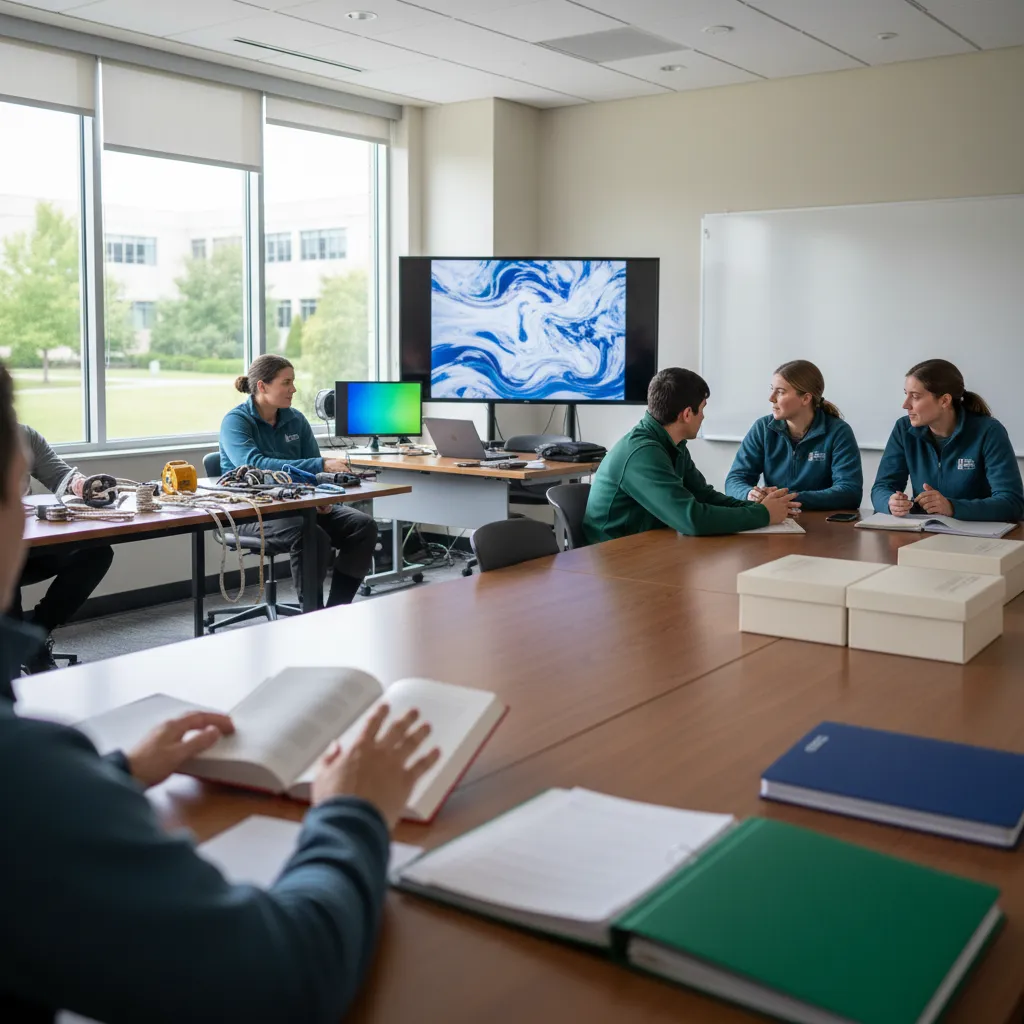
Job Description: Career Opportunities
Credential holders often work in:
River Guides and Trip Leaders – lead whitewater expeditions with safety and rescue readiness
Swiftwater Rescue Technicians – deployed during emergency events by fire, SAR, or law enforcement agencies
Outdoor Educators and Instructors – teach water safety and rescue skills in commercial programs
Environmental and Fisheries Personnel – apply river rescue skills while monitoring aquatic ecosystems
Disaster Response Specialists – respond to floods, tsunamis, and inland water emergencies
Responsibilities may include planning rescue operations, training teams, managing equipment, performing live rescues, and documenting safety incidents.
Salary Expectations
Earnings vary widely by sector:
Commercial river guides: $30,000–$50,000 annually
Swiftwater rescue technicians (full-time): $45,000–$70,000, especially with government or NGO roles
Instructor/coordinator positions: $50,000–$80,000 with certifications and leadership duties
Emergency response or forest agency roles: $60,000–$90,000 depending on demand, region, and rank
Remote field roles and federal agencies may offer hazard pay and benefits such as healthcare and retirement plans.
Exam Cost
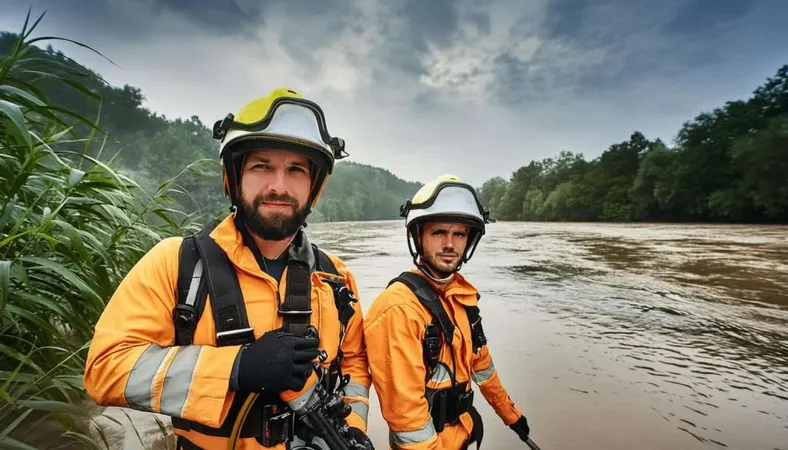
Training and certification costs depend on course length, provider, and location.
RRC (2-day) – approx. $300–$360
RRC‑Pro (2-day professional) – approx. $315–$450
Swiftwater Rescue Technician (3–5 day) – approx. $525–$759
SRT-1 or ACA Instructor courses (3 days) – approx. $300–$525
Additional costs:
Gear rental: wetsuits ($40/day), PFDs ($15–50/day), helmets
Travel and lodging for remote locations
Conclusion
River rescue certification is more than a skill set—it’s a credential signaling readiness to face water hazards professionally and safely. Embarking on RRC, RRC-Pro, SRT, or WRT training empowers individuals with competence in rescue techniques, hazard management, and team leadership on swiftwater.
By combining rigorous training, applicable scenarios, ongoing evaluation, and physical readiness, certified participants demonstrate exceptional capability. Whether your career goal is river guiding, emergency response, or outdoor education, valid river rescue certification enhances credibility and employability in water-focused professions.
RRC: Pros and Cons
- +RRC certification validates expertise recognized by employers nationwide
- +Certified professionals typically earn 15-20% higher salaries
- +Opens doors to advanced positions and leadership roles
- +Demonstrates commitment to professional standards and ethics
- +Builds a strong professional network through certification communities
- −Exam preparation typically requires 2-4 months of dedicated study
- −Certification and exam fees can range from $150-$500+
- −Must complete continuing education to maintain active certification
- −Pass rates vary — thorough preparation is essential for success
- −Some certifications require prerequisite experience or education
Pros and Cons at a Glance
| Pros | Cons |
|---|---|
| RRC certification validates expertise recognized by employers nationwide | Must complete continuing education to maintain active certification |
| Opens doors to advanced positions and leadership roles | Pass rates vary — thorough preparation is essential for success |
| Demonstrates commitment to professional standards and ethics | Some certifications require prerequisite experience or education |
Sample RRC - River Rescue Certification Practice Questions
Try these questions from our free RRC - River Rescue Certification practice tests. The correct answer and an explanation follow each question.
What is the recommended first step when implementing training & education programs procedures in River Rescue Certification?
- A. Assess current practices and identify gaps against established standards
- B. Implement all changes simultaneously without assessment
- C. Copy procedures from another organization without adaptation
- D. Skip the planning phase and begin implementation immediately
Answer: A. Assess current practices and identify gaps against established standards
Assessing current practices against established standards identifies specific gaps that need to be addressed, enabling targeted and effective implementation.
How does training & education programs contribute to overall success in River Rescue Certification?
- A. It provides a structured framework for achieving consistent, quality outcomes
- B. It creates unnecessary complexity in daily operations
- C. It is only relevant during certification exams
- D. It primarily serves as a marketing tool for professionals
Answer: A. It provides a structured framework for achieving consistent, quality outcomes
Training & Education Programs provides essential structure and guidelines that enable River Rescue Certification professionals to achieve consistent, quality outcomes in their work.
What is the MOST effective way to evaluate performance in training & education programs for River Rescue Certification?
- A. Using measurable criteria and key performance indicators aligned with objectives
- B. Relying on subjective opinions of supervisors only
- C. Comparing performance to unrelated industry benchmarks
- D. Evaluating performance annually without interim reviews
Answer: A. Using measurable criteria and key performance indicators aligned with objectives
Measurable criteria and key performance indicators aligned with specific objectives provide the most objective and effective means of evaluating performance.
What is a fundamental principle of training & education programs in River Rescue Certification practice?
- A. Systematic application of best practices based on current standards and evidence
- B. Relying solely on past experience without updating knowledge
- C. Implementing changes without proper planning or evaluation
- D. Following only the most convenient approach available
Answer: A. Systematic application of best practices based on current standards and evidence
Training & Education Programs in River Rescue Certification practice requires systematic application of current best practices and evidence-based approaches to ensure quality outcomes.
Take the full RRC - River Rescue Certification practice test
(RRC) River Rescue Certification Questions and Answers
About the Author

Certified Professional Development Expert & Niche Certification Advisor
University of Pennsylvania Graduate School of EducationDr. Alexandra Kim holds a PhD in Professional Studies from the University of Pennsylvania and is a Certified Professional in Learning and Performance (CPLP) and Certified Professional in Talent Development (CPTD). With 17 years of corporate training and professional certification advisory experience, she helps professionals navigate specialized, emerging, and cross-industry certification programs.
Join the Discussion
Connect with other students preparing for this exam. Share tips, ask questions, and get advice from people who have been there.
View discussion (7 replies)