

PSPO Practice Test
Updated for October 2026The PSPO (Professional Scrum Product Owner) certification is a top choice for those aiming to shine in agile product management. This guide offers a detailed look at the PSPO test. It’s packed with the info and tips you need to pass with flying colors. Whether you’re already a product owner or just starting out, this article will be your go-to guide for getting the PSPO certification.
FREE PSPO Practice Test Online
The Scrum Alliance offers the PSPO (Professional Scrum Product Owner) test. It checks if you know your stuff as a Scrum Product Owner. It looks at your skills in value-driven development, working with stakeholders, and managing the product backlog. Passing this test shows you’re a pro at being a Scrum Product Owner. It opens doors to better job chances and lets you help with scrum certification and agile product ownership projects.
PSPO Practice Test Questions
Prepare for the PSPO - Professional Scrum Product Owner exam with our free practice test modules. Each quiz covers key topics to help you pass on your first try.
PSPO Defining the Product Vision
PSPO Exam Questions covering Defining the Product Vision. Master PSPO Test concepts for certification prep.
PSPO Managing the Product Backlog
Free PSPO Practice Test featuring Managing the Product Backlog. Improve your PSPO Exam score with mock test prep.
PSPO Maximizing Value Delivery
PSPO Mock Exam on Maximizing Value Delivery. PSPO Study Guide questions to pass on your first try.
PSPO Stakeholder Management
PSPO Test Prep for Stakeholder Management. Practice PSPO Quiz questions and boost your score.
PSPO Product Goal and Strategy
PSPO Questions and Answers on Product Goal and Strategy. Free PSPO practice for exam readiness.
PSPO Product Metrics and ROI
PSPO Mock Test covering Product Metrics and ROI. Online PSPO Test practice with instant feedback.
PSPO Release Planning and Forecasting
Free PSPO Quiz on Release Planning and Forecasting. PSPO Exam prep questions with detailed explanations.
PSPO Scrum Events and Artifacts
PSPO Practice Questions for Scrum Events and Artifacts. Build confidence for your PSPO certification exam.
Key Takeaways
- Understand the Scrum Product Owner role and its responsibilities
- Learn how to create a compelling product vision and roadmap
- Discover effective stakeholder collaboration and management techniques
- Familiarize yourself with the PSPO test format and certification requirements
- Explore study resources and practice materials to prepare for the PSPO assessment
- Gain insights into prioritization methods and strategies for value maximization
- Enhance your agile product management skills and become a certified PSPO professional
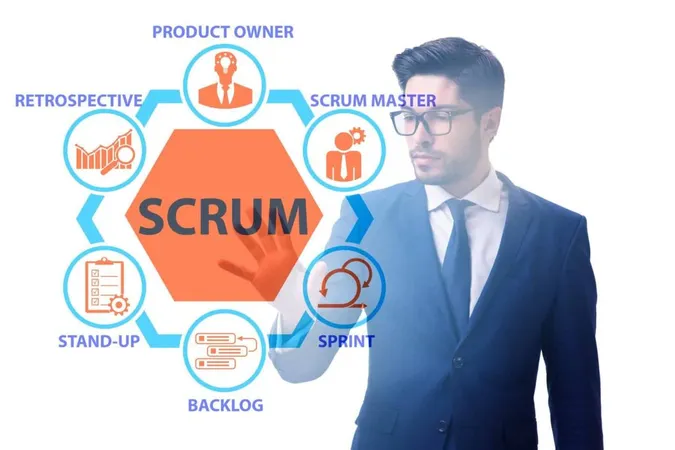
Product Vision and Roadmap Creation
Understanding the Scrum Product Owner Role
As a Scrum Product Owner, your main job is to make the product as valuable as possible. You create a product vision and product roadmap that fits with the company’s big goals. You use scrum values and empirical process control to pick what features to work on first. This helps you work well with others and make sure the product is developed in a way that adds value.
Creating a clear and exciting product vision is key to your product’s success. This vision should show the long-term goals and dreams for the product. It guides the whole team. The product roadmap then shows the plan and timeline for adding value to customers step by step.
- ✓Review the official PSPO exam content outline
- ✓Take a diagnostic practice test to identify weak areas
- ✓Create a study schedule (4-8 weeks recommended)
- ✓Focus on your weakest domains first
- ✓Complete at least 3 full-length practice exams
- ✓Review all incorrect answers with detailed explanations
- ✓Take a final practice test 1 week before exam day
Stakeholder Collaboration and Management
Good stakeholder management is very important for a Scrum Product Owner. Working closely with stakeholders like customers and team members helps you get important information. This information helps you decide what to focus on first and make sure the product is as valuable as it can be. Keeping everyone talking openly and making sure everyone knows what to expect is essential for Scrum to work well.
Exam Format and Certification Requirements
PSPO (Professional Scrum Product Owner) Test: What to Expect
Are you aiming to become a Scrum Product Owner? The PSPO certification is a key step. It’s offered by the Scrum Alliance and checks your skills in Scrum, agile methods, and product management.
The PSPO exam has 80 multiple-choice questions to be finished in 60 minutes. You need to score at least 85% to pass. This shows you really get Scrum, making good decisions, and prioritizing the product backlog.
The exam covers many topics, including:
- Scrum framework and roles
- Product vision and roadmap creation
- Stakeholder collaboration and management
- Agile planning and estimation techniques
- Product backlog management and refinement
- Metrics and performance measurement
Passing the PSPO exam proves your product ownership skills. It also shows you’re serious about Scrum and agile. This certification is highly respected and can lead to great opportunities in product management and Scrum.
Study Resources and Practice Materials
Preparing for the PSPO Certification
To get the Professional Scrum Product Owner (PSPO) certification, you need to know Scrum well. You should understand product backlog management and value-driven development. Look for study resources and practice materials to boost your skills in scrum product owner certification, agile product management, user story prioritization, and product backlog prioritization.
Begin by reading the Scrum Guide and the PSPO assessment criteria from Scrum.org. These will teach you about Scrum roles, events, and artifacts. They also cover the knowledge and skills needed for the PSPO certification.
Use online courses, webinars, and books on product backlog management, release planning, and evidence-based requirements. Practice tests and sample questions can check your readiness. They help you see where you need to improve.

Prioritization Techniques and Value Maximization
For the PSPO exam, learn about different prioritization techniques and how to maximize value in value-driven development. The Kano model, WSJF method, and Relative Prioritization Matrix are useful. They help you sort user stories and improve the product backlog.
Also, grasp the role of aligning the product vision with stakeholder needs and evidence-based decision making. This way, you can make decisions that lead to product success.

PSPO: Pros and Cons
- +PSPO exam preparation strengthens your knowledge across all domains
- +Passing the exam proves competency to employers and clients
- +Study materials and practice tests are widely available
- +Exam-based credentials are portable across states and employers
- +Clear exam objectives help focus your study plan effectively
- −Exam anxiety can affect performance — practice tests help reduce it
- −Registration fees are non-refundable if you miss your test date
- −Limited retake opportunities may apply with waiting periods
- −Exam content updates periodically — use current study materials
- −Testing center availability may require advance scheduling
Pros and Cons at a Glance
| Pros | Cons |
|---|---|
| PSPO exam preparation strengthens your knowledge across all domains | Exam anxiety can affect performance — practice tests help reduce it |
| Passing the exam proves competency to employers and clients | Registration fees are non-refundable if you miss your test date |
| Study materials and practice tests are widely available | Limited retake opportunities may apply with waiting periods |
| Exam-based credentials are portable across states and employers | Exam content updates periodically — use current study materials |
| Clear exam objectives help focus your study plan effectively | Testing center availability may require advance scheduling |
Sample PSPO - Professional Scrum Product Owner Practice Questions
Try these questions from our free PSPO - Professional Scrum Product Owner practice tests. The correct answer and an explanation follow each question.
A stakeholder demands a feature to be implemented in the next sprint, but the Product Owner has already prioritized other high-value items. How should the Product Owner respond?
- A. Accept the demand and change the Sprint Backlog.
- B. Explain the current priorities and negotiate a solution based on business value.
- C. Ask the stakeholder to discuss the change with the Scrum Master.
- D. Immediately escalate the issue to management.
Answer: B. Explain the current priorities and negotiate a solution based on business value.
The Product Owner is responsible for the Product Backlog and its prioritization to maximize value. When a stakeholder demands a feature, the Product Owner should transparently explain the existing high-priority items and their associated business value. This opens a negotiation to find a solution that best serves the product's overall value, balancing stakeholder needs with strategic priorities.
A Product Owner has a long Product Backlog with many items of varying size. What is the best way to handle large, complex Product Backlog Items (PBIs)?
- A. Keep large PBIs as they are and address them when the team is ready.
- B. Break large PBIs into smaller, more manageable pieces.
- C. Prioritize large PBIs over smaller ones since they deliver more value.
- D. Ask the Development Team to focus on small PBIs first.
Answer: B. Break large PBIs into smaller, more manageable pieces.
Large, complex Product Backlog Items (PBIs) are difficult to estimate, plan, and complete within a single Sprint. Breaking them down into smaller, more manageable pieces allows for clearer understanding, more accurate estimation, and incremental delivery of value. This approach also facilitates earlier feedback and reduces risk, making the work more digestible for the Development Team.
How often should the Product Owner communicate the Product Vision to the Scrum Team?
- A. Only at the beginning of the project.
- B. During every Daily Scrum.
- C. Continuously throughout the project to ensure alignment.
- D. Only when significant changes occur.
Answer: C. Continuously throughout the project to ensure alignment.
The Product Vision acts as the guiding star for the product, and its continuous communication ensures everyone on the Scrum Team remains aligned with the overarching goal. Regular reinforcement helps maintain focus, informs decision-making, and ensures that the team's efforts consistently contribute to the product's strategic direction. This prevents divergence and keeps the team working towards a shared understanding of success.
During a Sprint Review, a stakeholder suggests a new feature that could add value to the product. How should the Product Owner respond?
- A. Ask the Development Team to implement the feature immediately.
- B. Politely thank the stakeholder and add the feature to the Product Backlog.
- C. Ignore the suggestion if it was not part of the initial product vision.
- D. Request the Scrum Master to handle the stakeholder's feedback.
Answer: B. Politely thank the stakeholder and add the feature to the Product Backlog.
The Sprint Review is an opportune moment for stakeholders to inspect the Increment and provide feedback, including new ideas. The Product Owner should welcome such input, thank the stakeholder, and then add the suggestion to the Product Backlog for future consideration and prioritization. This ensures that valuable feedback is captured and evaluated without disrupting the current Sprint.
Take the full PSPO - Professional Scrum Product Owner practice test
PSPO Questions and Answers
About the Author

Project Management Professional & Agile Certification Expert
University of Chicago Booth School of BusinessKevin Marshall is a Project Management Professional (PMP), PMI Agile Certified Practitioner (PMI-ACP), PRINCE2 Practitioner, and Certified Scrum Master with an MBA from the University of Chicago Booth School of Business. With 16 years of program management experience across technology, finance, and healthcare sectors, he coaches professionals through PMP, PRINCE2, SAFe, CSPO, and agile certification exams.
Join the Discussion
Connect with other students preparing for this exam. Share tips, ask questions, and get advice from people who have been there.
View discussion (8 replies)