
Notary Public Meaning: What Is a Notary Public and What Do They Actually Do in 2026 October?
Notary public meaning explained: ✏️ discover what is a notary public, what they do, how to become one, and where to find free notary services near you.

The notary public meaning has confused millions of Americans who only encounter one when buying a home, finalizing a power of attorney, or signing a sworn affidavit. So what is a notary public, exactly? A notary public is a state-commissioned public officer authorized to serve as an impartial witness to the signing of important documents, verify the identity of signers, administer oaths and affirmations, and deter fraud in legally significant transactions. The role is centuries old, but it remains one of the most quietly important functions in modern American civil life.
In Spanish-speaking communities, the term notario publico carries enormous weight because, in many Latin American countries, a notario is a highly trained attorney with broad legal authority. In the United States, however, a notary public is something quite different and far more limited in scope. A U.S. notary cannot give legal advice, draft contracts, or represent clients. This distinction is so important that several states legally restrict American notaries from advertising themselves as notarios publicos to avoid misleading immigrant communities.
Notaries authenticate roughly 1.25 billion documents in the United States every year, from real estate closings and loan signings to medical directives, parental consent forms, vehicle title transfers, and international apostilles. Whenever you see an embossed notary public seal pressed into paper or an inked notary public stamp next to a signature, you are looking at the formal evidence that a neutral, commissioned officer personally witnessed the act and confirmed it met the legal requirements of that state. You can confirm a notary's commission through your state's notary public stamp verification database before signing anything sensitive.
The position is governed at the state level, which is why the rules for becoming a notary in California look very different from the rules for becoming a notary public in Texas, Florida, or New York. Some states require a written exam, fingerprinting, and a surety bond. Others simply require a short application and a fee. The notary public exam in California is famously rigorous, while many other states require no exam at all. This patchwork is why understanding your specific state's rules matters more than memorizing a generic national definition.
Notaries also play an increasingly digital role. Remote Online Notarization (RON) is now legal in more than 45 states, allowing notaries to verify identity and witness signatures over secure video. This shift accelerated during the pandemic and is now a permanent part of the profession, especially for mortgage closings, estate documents, and cross-border transactions where signers cannot physically appear in the same room.
Despite the technological changes, the core notary public meaning has remained the same since the office was first created by the Roman Empire: an unbiased third party whose presence, identification process, and official seal give a document the presumption of authenticity in court. Whether you need a notary at a bank, a UPS Store, a courthouse, or through a mobile service that comes to your home, the function is the same — verify, witness, record, and seal.
Notary Public by the Numbers
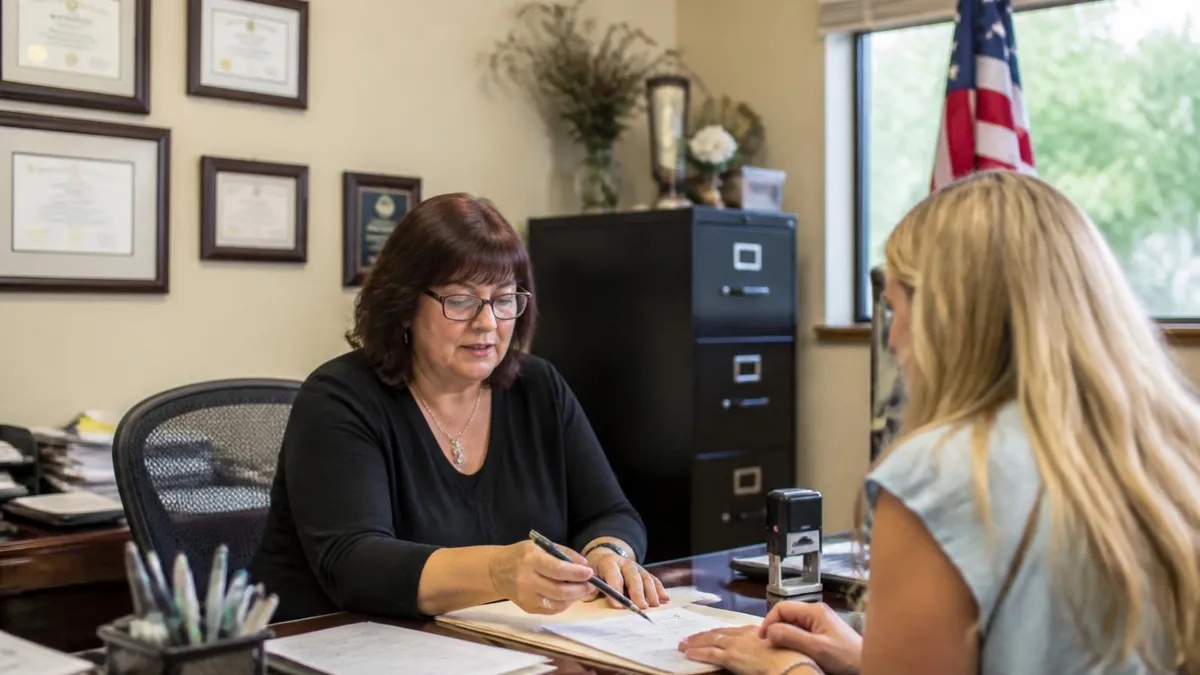
Official Duties of a Notary Public
The notary confirms a signer appeared in person, was identified, and willingly signed a document. Used heavily in deeds, powers of attorney, and contracts where authenticity must be unquestioned in court.
The notary administers an oath or affirmation, then watches the signer sign in their presence. Common on affidavits and sworn statements where the signer is legally swearing the contents are true.
A spoken vow performed before the notary, sometimes without a document. Used for witnesses, depositions, and public officials taking office. The notary records the act in their official journal.
The notary compares a photocopy to an original document and certifies that the copy is true, exact, and complete. Allowed for some private documents but never for vital records like birth certificates.
A simplified act in many states where the notary watches a signer sign and confirms identity, without administering an oath or completing acknowledgment language. Often used for school forms and consents.
The phrase notario publico carries dramatically different meaning depending on where you grew up. In Mexico, Argentina, Brazil, Spain, and most civil-law countries, a notario is a highly educated legal professional — typically a licensed attorney who passed a competitive examination and was appointed by the government to draft contracts, authenticate complex legal instruments, and provide binding legal advice. A notario in those systems sits closer to a judge or escrow officer than to anything that exists in American law.
In the United States, by contrast, a notary public is strictly a ministerial officer. They cannot give legal advice, recommend documents, prepare immigration forms, or charge fees beyond what state statute allows. This gap between expectations and reality has caused enormous harm in immigrant communities, where unscrupulous American notaries have falsely advertised as notarios publicos to attract clients seeking immigration help. Many states, including California, Texas, Florida, and Illinois, now make this misrepresentation a crime with steep civil and criminal penalties.
The federal government and consumer protection agencies have run public awareness campaigns explaining that a U.S. notary is not a lawyer. The American Bar Association, FTC, and state attorneys general have all issued warnings. If you are an immigrant looking for legal help with visas, asylum, green cards, or citizenship, you need a licensed immigration attorney or a Department of Justice accredited representative — never a notary public, regardless of what their storefront sign says.
Even within the United States, however, one exception exists. Louisiana operates on a civil-law tradition inherited from France and Spain, and Louisiana notaries have substantially broader powers than notaries in any other state. They can draft authentic acts, perform marriages in some parishes, and create wills. Louisiana notaries must pass a notoriously difficult state exam covering succession law, donations, mortgages, and obligations. For most of the country, though, the limited ministerial model applies universally.
Understanding this distinction is crucial when you encounter a notary public in bank of america branches, at a UPS Store, at a law office, or through a mobile service. The bank teller or shipping clerk acting as a notary has the legal authority to identify you, witness your signature, and apply a seal — but nothing more.
They are not reading your document for accuracy, advising you whether to sign, or guaranteeing the document achieves your goal. That responsibility remains entirely yours, or your attorney's. You can locate verified notaries through a notary public in bank of america directory that lists branches offering free notarization to account holders.
The notary's neutrality is also why they cannot notarize for close relatives in most states, cannot notarize their own signature, and cannot notarize a document they have a financial stake in. The entire value of notarization depends on the officer being a disinterested third party. The moment that neutrality is compromised, the notarization can be voided in court, exposing the notary to fines, commission revocation, and personal liability.
So when someone asks what is a notary public in the American context, the cleanest answer is: a neutral, state-commissioned witness whose sole job is to confirm identity, observe the signing, and certify the act with a seal — nothing more, and nothing less. The Spanish-language label notario publico simply does not translate to that limited role, and that mismatch is the single biggest source of public confusion about the profession.
Notary Public Practice Test Questions
Prepare for the Notary Public Exam exam with our free practice test modules. Each quiz covers key topics to help you pass on your first try.
Notary Public Basic Notary Public
Notary Public Exam Questions covering Basic Notary Public. Master Notary Public Test concepts for certification prep.
Notary Public Duties & Responsibilities of...
Free Notary Public Practice Test featuring Duties & Responsibilities of a Notary. Improve your Notary Public Exam score with mock test prep.
Notary Public Ethics & Professional Conduct
Notary Public Mock Exam on Ethics & Professional Conduct. Notary Public Study Guide questions to pass on your first try.
Notary Public Fraud Prevention & Security
Notary Public Test Prep for Fraud Prevention & Security. Practice Notary Public Quiz questions and boost your score.
Notary Public Identification & Credential ...
Notary Public Questions and Answers on Identification & Credential Verification. Free Notary Public practice for exam readiness.
Notary Public Jurats & Acknowledgments
Notary Public Mock Test covering Jurats & Acknowledgments. Online Notary Public Test practice with instant feedback.
Notary Public Notarial Acts & Procedures
Free Notary Public Quiz on Notarial Acts & Procedures. Notary Public Exam prep questions with detailed explanations.
Notary Public Notary Laws & Regulations
Notary Public Practice Questions for Notary Laws & Regulations. Build confidence for your Notary Public certification exam.
Notary Public MCQ
Notary Public Test Online for MCQ. Free practice with instant results and feedback.
Notary Public
Notary Public Study Material on Notary Public. Prepare effectively with real exam-style questions.
Notary Public Oaths & Affirmations
Free Notary Public Test covering Oaths & Affirmations. Practice and track your Notary Public exam readiness.
Notary Public Recordkeeping & Journal Entries
Notary Public Exam Questions covering Recordkeeping & Journal Entries. Master Notary Public Test concepts for certification prep.
Notary Public Exam Basic Notary Public
Free Notary Public Practice Test featuring Exam Basic Notary Public. Improve your Notary Public Exam score with mock test prep.
Notary Public Exam Duties & Responsibiliti...
Notary Public Mock Exam on Exam Duties & Responsibilities of a Notary. Notary Public Study Guide questions to pass on your first try.
Notary Public Exam Ethics & Professional C...
Notary Public Test Prep for Exam Ethics & Professional Conduct. Practice Notary Public Quiz questions and boost your score.
Notary Public Exam Fraud Prevention & Secu...
Notary Public Questions and Answers on Exam Fraud Prevention & Security. Free Notary Public practice for exam readiness.
Notary Public Exam Identification & Creden...
Notary Public Mock Test covering Exam Identification & Credential Verification. Online Notary Public Test practice with instant feedback.
Notary Public Exam Jurats & Acknowledgments
Free Notary Public Quiz on Exam Jurats & Acknowledgments. Notary Public Exam prep questions with detailed explanations.
Notary Public Exam Notarial Acts & Procedures
Notary Public Practice Questions for Exam Notarial Acts & Procedures. Build confidence for your Notary Public certification exam.
Notary Public Exam Notary Certificates & W...
Notary Public Test Online for Exam Notary Certificates & Wording. Free practice with instant results and feedback.
Notary Public Exam Notary Laws & Regulations
Notary Public Study Material on Exam Notary Laws & Regulations. Prepare effectively with real exam-style questions.
Notary Public Exam Notary Public
Free Notary Public Test covering Exam Notary Public. Practice and track your Notary Public exam readiness.
Notary Public Exam Notary Public MCQ
Notary Public Exam Questions covering Exam Notary Public MCQ. Master Notary Public Test concepts for certification prep.
Notary Public Exam Notary Seal & Stamp Req...
Free Notary Public Practice Test featuring Exam Notary Seal & Stamp Requirements. Improve your Notary Public Exam score with mock test prep.
Where to Find a Notary Public Near Me
The most common place Americans encounter notarization is at their bank. A notary public in bank of america, Wells Fargo, Chase, U.S. Bank, and most credit unions will notarize documents for account holders at no charge. This makes banks the most reliable free public notary near me option, though you typically need to call ahead because not every branch has a commissioned notary on shift every day.
Credit unions are often even better than commercial banks because membership-based institutions tend to view notarization as a member benefit. Some banks charge non-customers a small fee, generally $2 to $10 per signature. Bring a government-issued photo ID, the unsigned document, and any witnesses required by the document itself — the notary cannot supply witnesses for you.

Becoming a Notary Public: Pros and Cons
- +Steady side income — loan signings pay $75 to $200 each in many markets
- +Low barrier to entry — most states require no degree or attorney license
- +Flexible schedule that complements other work and family life
- +Strong demand from real estate, legal, healthcare, and finance industries
- +Skills transfer to mobile, remote online, and signing-agent specialties
- +Builds professional credibility and a recognizable position of public trust
- +Commission portable within state and easy to renew at four-year intervals
- −Personal liability for errors, even honest mistakes, can be significant
- −Surety bond and E&O insurance add real annual costs to operate
- −Strict state rules limit what you can charge and what acts you can perform
- −Misrepresenting yourself as a notario publico is a criminal offense
- −Notary public exam in some states is genuinely difficult to pass
- −Must keep a careful journal and protect your seal at all times
- −Income is per-act, so high volume requires marketing and hustle
Pros and Cons at a Glance
| Pros | Cons |
|---|---|
| Low barrier to entry — most states require no degree or attorney license | Personal liability for errors, even honest mistakes, can be significant |
| Flexible schedule that complements other work and family life | Surety bond and E&O insurance add real annual costs to operate |
| Strong demand from real estate, legal, healthcare, and finance industries | Strict state rules limit what you can charge and what acts you can perform |
| Skills transfer to mobile, remote online, and signing-agent specialties | Misrepresenting yourself as a notario publico is a criminal offense |
| Builds professional credibility and a recognizable position of public trust | Notary public exam in some states is genuinely difficult to pass |
| Commission portable within state and easy to renew at four-year intervals | Must keep a careful journal and protect your seal at all times |
Before You Visit a Notary Public Checklist
- ✓Bring a current, government-issued photo ID such as a driver's license, state ID, passport, or military ID
- ✓Do NOT sign the document beforehand — the notary must witness the signing in person
- ✓Confirm the document is complete with no blank spaces, missing pages, or unfilled fields
- ✓Verify whether your document requires an acknowledgment, jurat, or signature witnessing
- ✓Arrange any required additional witnesses yourself — the notary cannot supply them
- ✓Confirm fees in advance, especially for mobile, after-hours, or out-of-state notarization
- ✓Check your bank's notary availability if you want a free public notary near me option
- ✓For RON sessions, test your camera, microphone, and internet connection in advance
- ✓If signing under power of attorney, bring the original POA document for the notary to review
- ✓Verify the notary's commission status through your state's online notary public directory
A notary public certifies WHO signed — not WHAT was signed
The single most misunderstood part of the notary public meaning is this: a notary's seal certifies only that a specific identified person appeared and signed willingly. The notary makes no judgment about whether the document is legal, fair, accurate, complete, or even understood by the signer. If the document is fraudulent or unenforceable on its own terms, notarization does not fix that. This is why notarization is never a substitute for legal review by a licensed attorney.
If the role appeals to you, how to become a notary public depends almost entirely on which state commissions you. Every state operates its own notary program under its Secretary of State or comparable office, and the requirements range from a simple application and fee to a multi-hour proctored exam, fingerprinting, background check, and surety bond. Becoming a notary public in Texas, for example, requires you to be at least 18, a Texas resident, complete an application, and post a $10,000 surety bond — but no exam is required.
California, by contrast, runs one of the most demanding notary programs in the country. Applicants must complete a state-approved six-hour education course, pass a proctored notary public exam administered by Cooperative Personnel Services, submit fingerprints through Live Scan, and pass a Department of Justice and FBI background check. California's exam has historically had a pass rate hovering around 50 to 65 percent, which is why so many candidates use structured study materials and practice question banks before sitting for the test.
Florida requires a three-hour education course for first-time notaries, a $7,500 bond, and an application processed through a bonding agency. New York requires applicants to pass a written examination covering New York notary law, and Pennsylvania requires both education and an exam. Hawaii is unusual in requiring a written exam plus a personal interview. The variation is enormous, so the very first step in any plan to become a notary is to read your specific state's handbook from cover to cover.
Costs also vary widely. In Texas, the all-in cost to start can be under $100. In California, between the education, exam, bond, supplies, and journal, new notaries typically spend $200 to $350. Mobile notaries and signing agents often invest another $100 to $300 in E&O insurance, a portable printer, NNA certification, and background screening required by title companies and lenders.
Once commissioned, your responsibilities begin immediately. You must keep a journal of every notarial act in most states, securely store your seal and stamp, and refuse to perform acts where the signer cannot be properly identified, appears coerced, or lacks the capacity to understand what they are signing. Refusing service when these red flags appear is not optional — it is one of the primary legal duties of the office. Structured training through accredited ups notary public courses can prepare you for these judgment calls.
Commissions last between four and ten years depending on state, after which you renew through a similar process. Many notaries also pursue the National Notary Association's NSA (Notary Signing Agent) certification to qualify for mortgage loan signing work, which is where the real income potential opens up. NSAs in active real estate markets routinely earn $75 to $200 per signing and can complete two to four signings per day.
Whether you pursue notary work as a side hustle, a complement to a real estate or paralegal career, or a full-time mobile business, the path starts with understanding your state's specific rules and committing to the ongoing discipline the office requires. Notary work is not glamorous, but it is steady, respected, and one of the few professional credentials you can earn in a matter of weeks rather than years.
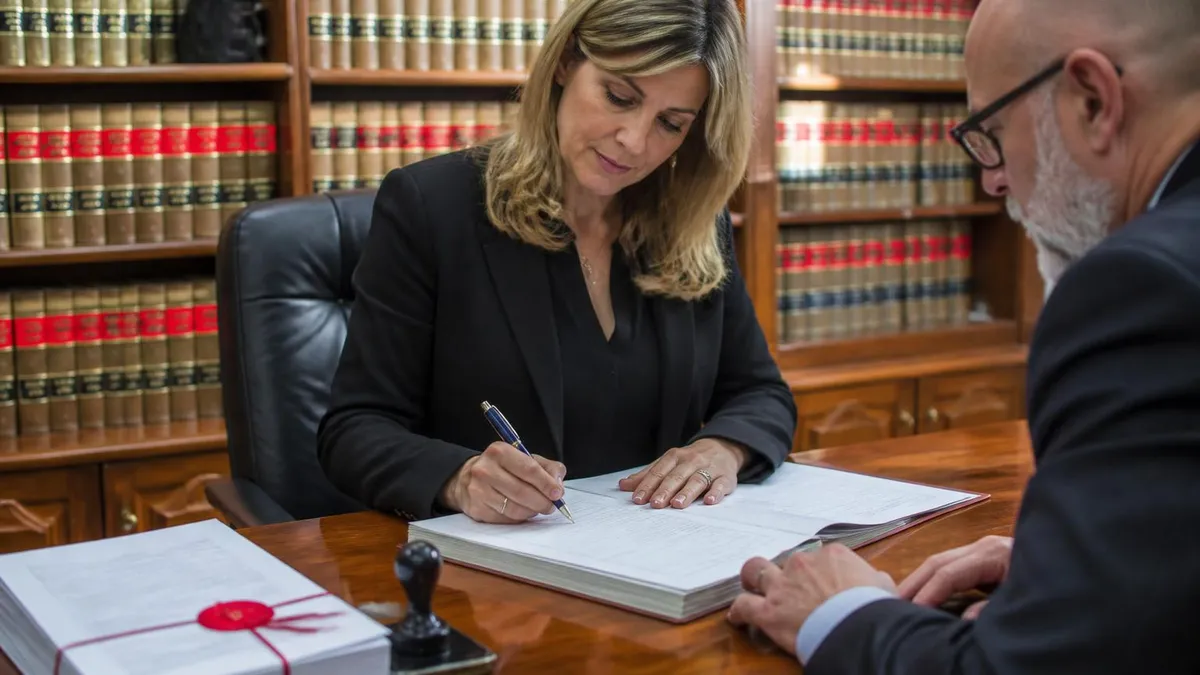
One of the fastest ways to lose your commission, face criminal charges, or be sued personally is to notarize a document that was signed before the signer appeared in front of you. The signer must sign in your physical or virtual presence — every time, with no exceptions. Friends and family asking you to bend this rule are asking you to commit fraud and put your livelihood on the line.
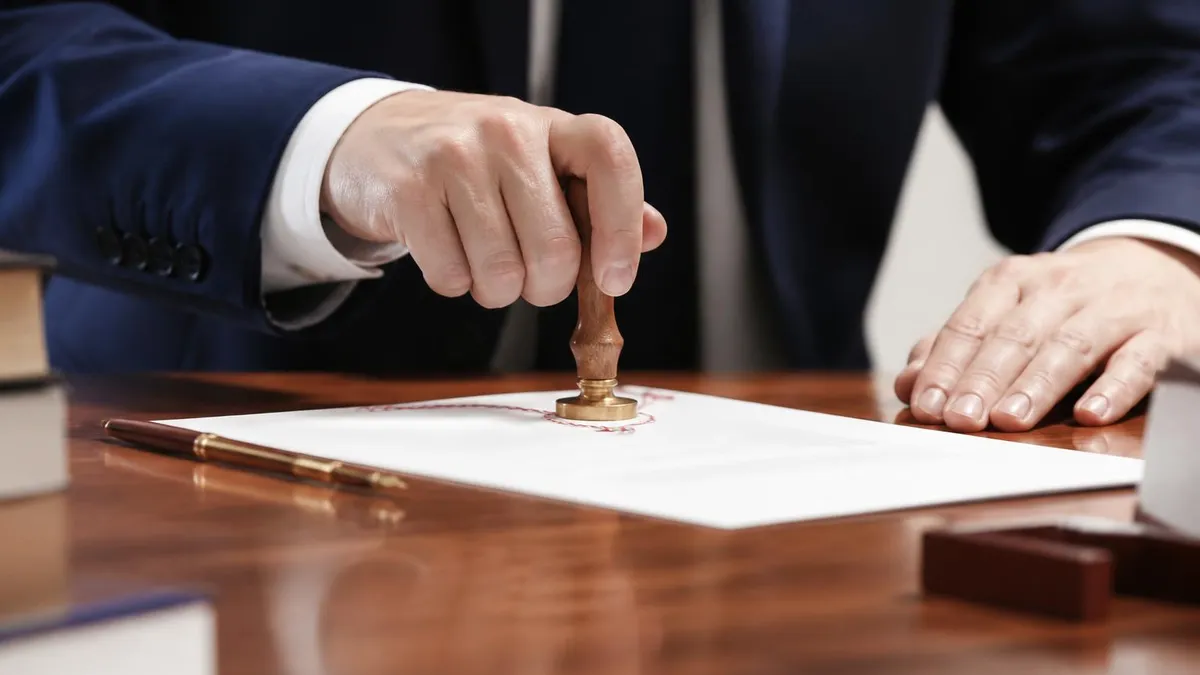
The notary public seal and notary public stamp are the most visible symbols of the office and also the most regulated. Every state dictates the exact size, shape, and required text of the seal — typically including the notary's name, the words Notary Public, the state name, and often a commission number and expiration date. In most states the seal must be either an embosser that physically raises the paper or an inked rubber stamp that produces a sharp, photocopiable impression. Some states require both.
The seal is personal property assigned to you alone. You cannot lend it, share it, or leave it unattended where someone else could use it. If your seal is lost or stolen, you must report it to the Secretary of State immediately, often in writing within a tight statutory window. Failure to safeguard your seal is treated as professional negligence and can result in commission revocation even when no actual fraud occurred. This is why most experienced notaries store their seal in a locked drawer or carry it in a dedicated bag separate from the public.
Equally important is your notary journal. While journal requirements vary, most states either require or strongly recommend a sequential bound book recording every notarial act — date, time, type of act, document type, signer name, ID type and number, signer signature, and fees collected. The journal is your single best defense if a notarization is ever challenged in court, accused of fraud, or audited by the state. Many notaries who lose their commission do so not because they committed fraud but because they cannot prove what happened in a specific act years earlier.
Fraud prevention is the heart of modern notary practice. Identity theft, deed theft, elder financial abuse, and mortgage fraud all rely on convincing a notary to sign off on a transaction the rightful person did not authorize. Notaries are trained to look for mismatched IDs, signers who appear coerced or confused, unusual urgency, signers who cannot answer basic questions about the document, and IDs that look tampered with. When any of these red flags appears, the correct response is to politely decline the act and note the refusal in your journal.
The rise of remote online notarization has introduced new fraud vectors. RON platforms now use knowledge-based authentication, credential analysis, and biometric matching to verify identity remotely, but no system is perfect. Some states allow RON only for in-state signers, some allow nationwide and even international signers, and some still prohibit it entirely. Understanding your state's RON rules and the technology stack of any platform you join is now a basic professional requirement.
You can also confirm any notary's commission, including your own after renewal, through state-run lookup tools. These public databases are how title companies, attorneys, and the general public confirm that a notary public stamp on a document was applied by a person who actually held a valid commission on the date in question. Using a free public notary near me verification tool before a critical signing can prevent disaster on real estate or estate documents.
Ultimately, the credibility of the entire notarial system depends on the discipline of individual notaries. The seal is meaningless if anyone can apply it, the journal is meaningless if it is not maintained, and the office is meaningless if commissioned notaries cut corners under pressure from clients. The notaries who build long, successful careers are the ones who treat every signing — even a routine school form — with the same rigor they would apply to a million-dollar real estate closing.
If you are a consumer who simply needs something notarized, the practical path is straightforward. Start with your bank or credit union, since member notarization is almost always free and the staff are accustomed to common documents. Call ahead to confirm a notary is on duty and bring your ID, the unsigned document, and any required witnesses. For after-hours or weekend needs, a UPS Store or FedEx Office is usually open, and for complex or in-home situations a mobile notary or RON platform fills the gap.
If you are studying for a notary public exam in California, New York, Louisiana, or any other state that requires testing, treat the preparation like a real professional certification. Read your state handbook completely — not skim, read. Most exam questions come directly from the statutory language, and candidates who fail almost always failed because they relied on general notary knowledge instead of state-specific rules. Use practice question banks that match your state's exam structure rather than generic national content.
Build a study schedule of two to four weeks before exam day. Spend the first week reading the handbook end to end. Spend the second week working through practice questions by topic — acknowledgments, jurats, fees, prohibited acts, fraud prevention, and recordkeeping. Spend the third week taking timed full-length practice exams and identifying weak areas. Spend the final week reviewing only the questions you got wrong. This focused, error-driven approach is dramatically more efficient than passive re-reading.
Once you pass and receive your commission, invest in good equipment from day one. A quality embosser, a sharp inked stamp, a sturdy bound journal, and a portable lockbox are non-negotiable. Do not buy the cheapest supplies on the market — they fade, jam, and produce illegible impressions that can void notarizations. Keep your seal and journal physically separated from each other when traveling, and never store them in a vehicle where they could be stolen.
Build your professional network early. Local title companies, estate planning attorneys, real estate agents, hospice agencies, and assisted living facilities all use notaries regularly. A single relationship with a busy title office can generate enough loan signings to cover all your startup costs in the first quarter. Real estate signing services like Snapdocs and SigningOrder allow you to accept work directly through mobile apps once you complete background screening.
Continuing education matters. State laws change, RON rules expand, and fraud patterns evolve. Join the National Notary Association or your state notary association to stay current. Attend at least one webinar or refresher course each year. Many notaries also pursue specialty certifications in apostille work, immigration form assistance through accredited programs, or trust delivery services for estate attorneys — each one adds a new revenue stream.
Above all, treat the office with the seriousness it deserves. The notary public meaning has endured for thousands of years because societies need a trusted, neutral witness whose signature and seal carry legal weight. When you accept that commission, you are stepping into a chain of public trust that stretches back to Roman scribes. Honor it, document everything, refuse what should be refused, and the role will reward you with steady work, public respect, and the quiet satisfaction of helping people complete some of the most important moments of their lives.
Sample Notary Public Exam Practice Questions
Try these questions from our free Notary Public Exam practice tests. The correct answer and an explanation follow each question.
A notary's commission expires while they have a partially completed notarial act. What must they do?
- A. Complete the act since it was started before expiration
- B. Stop immediately; they have no authority to act after commission expiration
- C. Finish only if the signer signs before midnight on the expiration date
- D. Ask a nearby notary to observe and co-sign the notarization
Answer: B. Stop immediately; they have no authority to act after commission expiration
Once a notary commission expires, all notarial authority ceases immediately and any subsequent acts are unauthorized and void.
What should a notary do if they are asked to notarize a document they personally signed?
- A. Proceed because they can verify their own signature
- B. Refuse, as notarizing one's own signature is a conflict of interest
- C. Notarize only if a witness is present
- D. Ask a co-worker to observe the notarization
Answer: B. Refuse, as notarizing one's own signature is a conflict of interest
A notary must never notarize a document they signed themselves. This is a direct conflict of interest and is prohibited because a notary must be an impartial, disinterested party.
What should a notary do if they suspect a document they are asked to notarize is being used for fraud?
- A. Notarize it and report to authorities afterward
- B. Refuse to perform the notarial act and, if appropriate, report suspected fraud to authorities
- C. Ask the signer directly if the document is fraudulent
- D. Complete the act but add a fraud warning to the certificate
Answer: B. Refuse to perform the notarial act and, if appropriate, report suspected fraud to authorities
If a notary has a reasonable belief that a document is being used for fraudulent purposes, they have both the right and ethical duty to refuse the notarization.
A notary public is presented with a document in a language they cannot read. What should they do?
- A. Notarize it anyway since the signer appears to understand it
- B. Refuse to notarize unless the document is translated or they can communicate with the signer
- C. Ask a bystander to translate and then proceed
- D. Notarize only the signature page since that is in English
Answer: B. Refuse to notarize unless the document is translated or they can communicate with the signer
A notary must be able to communicate directly with the signer to confirm identity and willingness, which requires a shared language or qualified interpreter.
Notary Public Questions and Answers
State Notary Public Search: How to Verify Any Commissioned Notary in 2026

Notary Public Directory: How to Find, Verify, and Use a Trusted Notary in 2026
NPT

Notary Public Classes: Complete 2026 Guide to Training, Certification, and Exam Prep
Notary Public Handling and Recordkeeping Practice Test Video Answer
About the Author

Notary Public Law Expert & State Notary Exam Specialist
Georgetown University Law CenterAttorney Sarah Williams is a licensed attorney and National Notary Association (NNA) certified notary with a Juris Doctor from Georgetown University Law Center. She has 13 years of experience in notarial law, document authentication, and real estate closings. Sarah coaches candidates through state notary public examinations, notary signing agent certification, and loan signing agent training programs.