
Mastering the Certified Laboratory Professional (CLS) 2026 July
Prepare for the Mastering the Certified Laboratory certification. 📝 Practice questions with answer explanations covering all exam domains.
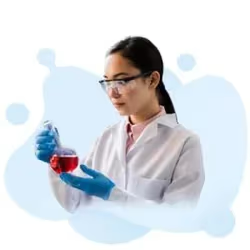
Becoming a Certified Laboratory Professional (CLS) is an exciting and rewarding career path for individuals interested in the medical and healthcare fields. The role of a laboratory professional is crucial in ensuring accurate diagnostic results, which ultimately contribute to better patient care. This article explores the path to becoming a Certified Laboratory Professional, including the requirements, jobs, and services involved, as well as the impact of this career on the healthcare industry.
CLS Practice Test Questions
Prepare for the CLS - Certified Laboratory Professional exam with our free practice test modules. Each quiz covers key topics to help you pass on your first try.
CLS Applied Methods and Techniques
CLS Exam Questions covering Applied Methods and Techniques. Master CLS Test concepts for certification prep.
CLS Assessment and Evaluation
Free CLS Practice Test featuring Assessment and Evaluation. Improve your CLS Exam score with mock test prep.
CLS Clinical Chemistry
CLS Mock Exam on Clinical Chemistry. CLS Study Guide questions to pass on your first try.
CLS Clinical Microbiology and Immunology
CLS Test Prep for CLS Clinical Microbiology and Immunology. Practice CLS Quiz questions and boost your score.
CLS Hematology and Coagulation
CLS Questions and Answers on CLS Hematology and Coagulation. Free CLS practice for exam readiness.
CLS Communication and Documentation
CLS Mock Test covering Communication and Documentation. Online CLS Test practice with instant feedback.
CLS Continuing Education Requirements
Free CLS Quiz on Continuing Education Requirements. CLS Exam prep questions with detailed explanations.
CLS Core Concepts and Principles
CLS Practice Questions for Core Concepts and Principles. Build confidence for your CLS certification exam.
CLS Industry Best Practices
CLS Test Online for Industry Best Practices. Free practice with instant results and feedback.
CLS Professional Standards and Ethics
CLS Study Material on Professional Standards and Ethics. Prepare effectively with real exam-style questions.
CLS Safety and Compliance
Free CLS Test covering Safety and Compliance. Practice and track your CLS exam readiness.
CLS Diagnostic Methods & Technologies
CLS Exam Questions covering Diagnostic Methods & Technologies. Master CLS Test concepts for certification prep.
CLS Laboratory Quality Control & Assurance
Free CLS Practice Test featuring Laboratory Quality Control & Assurance. Improve your CLS Exam score with mock test prep.
Key Takeaways
Free CLS Test Online
A Certified Laboratory Professional plays a pivotal role in healthcare by conducting critical tests and analyzing diagnostic samples.
Becoming a CLP requires a combination of formal education, certification, and hands-on training.
Certified Laboratory Professionals can work in various healthcare settings, including hospitals, research institutions, and private laboratories.
Certification provides better job prospects, career advancement opportunities, and ensures a standard of excellence in laboratory practices.
CLP services impact patient outcomes, as they are responsible for providing accurate test results that inform medical diagnoses and treatments.

What is a Medical Laboratory Professional?
A Medical Laboratory Professional, also known as a Clinical Laboratory Scientist or Medical Technologist, is responsible for performing laboratory tests on samples collected from patients. These tests help doctors diagnose, treat, and monitor diseases or medical conditions. The profession requires a deep understanding of biology, chemistry, and technology to accurately interpret test results. Medical laboratory professionals play an essential role in the healthcare system by providing reliable data that guides clinical decisions.
The key duties of a laboratory professional may include blood testing, microbiological cultures, urine analysis, and diagnostic imaging. In many cases, CLPs also collaborate with other healthcare providers to discuss findings and contribute to patient care strategies. Given the importance of their work, CLPs are highly trained and certified professionals.
Becoming a Clinical Laboratory Professional
The path to becoming a Clinical Laboratory Professional involves several steps, including education, certification, and continuous professional development.
Education:
The first step is obtaining a bachelor's degree in medical laboratory science or a related field, such as biology or chemistry. Many universities and colleges offer accredited programs that prepare students for the technical demands of the job. Some programs may also offer hands-on clinical training as part of the curriculum, allowing students to gain practical experience before entering the workforce.
Certification:
After completing educational requirements, aspiring laboratory professionals must pass a certification exam. The certification is typically awarded by recognized organizations like the American Society for Clinical Pathology (ASCP) or the American Medical Technologists (AMT). Becoming certified demonstrates expertise in laboratory procedures, quality assurance, and professional standards.
Licensing:
In some states, laboratory professionals are required to hold a license to practice. The licensing process may involve meeting specific state requirements, passing additional exams, or fulfilling continuing education requirements.
Certified Laboratory Professional Jobs
Certified Laboratory Professionals have a wide array of job opportunities in various healthcare settings. The demand for CLPs continues to grow due to the increasing reliance on laboratory testing in the diagnosis and treatment of diseases.
Common job titles for Certified Laboratory Professionals include:
Medical Laboratory Technician (MLT): Responsible for performing routine laboratory tests and assisting with the analysis of specimens.
Medical Laboratory Scientist (MLS): A more advanced role that requires additional responsibilities, including test interpretation and supervisory duties.
Pathology Assistant: Works closely with pathologists to prepare and analyze tissue samples.
Laboratory Manager/Director: Oversees laboratory operations, manages staff, and ensures quality control procedures are followed.
Certified Laboratory Professionals can find employment in hospitals, research laboratories, blood banks, and private diagnostic clinics. The salary for a CLP varies depending on factors like location, experience, and education, but it generally offers competitive compensation.
Certified Laboratory Professional Licensing
Licensing requirements for Certified Laboratory Professionals vary by state and employer. While certification demonstrates a professional level of competence, some states require additional licensure to practice legally. The process of obtaining licensure often includes:
Proof of certification through an accredited organization
Completing an application with the state health department
Passing a state exam (if required)
Having a state license is often mandatory for laboratory professionals working in specific healthcare settings, such as hospitals or diagnostic labs, to ensure that they meet the state's regulatory standards.
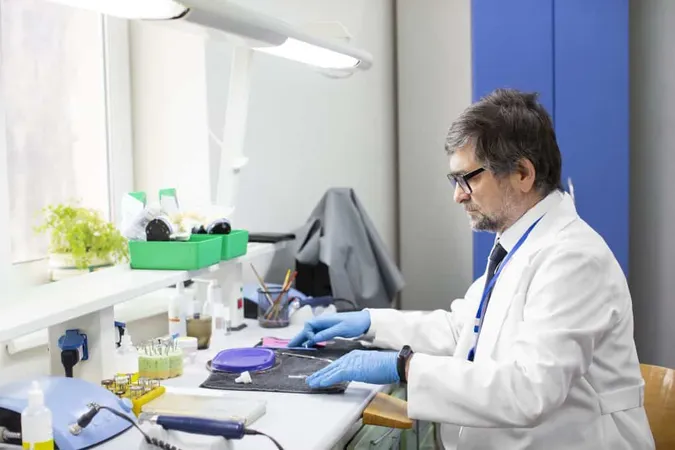
Certified Laboratory Professional Services
Certified Laboratory Professionals provide a range of services that support the overall healthcare system. These services include:
Diagnostic Testing: Running tests on blood, urine, tissues, and other samples to diagnose diseases such as cancer, diabetes, and infections.
Monitoring Treatment: Assisting in monitoring patient responses to treatments, such as chemotherapy or medication adjustments.
Quality Control: Ensuring that laboratory equipment is functioning properly and maintaining high standards of accuracy.
Research and Development: Working in research labs to develop new testing methods and diagnostic tools.
Certified Laboratory Professionals ensure that all testing procedures are conducted following strict protocols, guaranteeing the accuracy and reliability of the results.
Conclusions
The role of a Certified Laboratory Professional is indispensable in the healthcare industry. These professionals play a significant part in diagnostic and therapeutic processes, providing valuable data that helps physicians make informed decisions about patient care.
Becoming a Certified Laboratory Professional requires dedicated education, certification, and hands-on experience, but it opens the door to a rewarding career in healthcare. The increasing demand for laboratory testing means that CLPs have excellent job prospects and the opportunity to work in various environments, from hospitals to research institutions.
Certification and licensing are vital steps in ensuring that laboratory professionals adhere to the highest standards in their field. The continuous development of laboratory services plays a critical role in improving patient outcomes and advancing medical knowledge.
CLS: Pros and Cons
- +CLS certification validates expertise recognized by employers nationwide
- +Certified professionals typically earn 15-20% higher salaries
- +Opens doors to advanced positions and leadership roles
- +Demonstrates commitment to professional standards and ethics
- +Builds a strong professional network through certification communities
- −Exam preparation typically requires 2-4 months of dedicated study
- −Certification and exam fees can range from $150-$500+
- −Must complete continuing education to maintain active certification
- −Pass rates vary — thorough preparation is essential for success
- −Some certifications require prerequisite experience or education
(CLS) Certified Laboratory Professional Questions and Answers
About the Author
Medical Laboratory Scientist & Clinical Certification Expert
Johns Hopkins UniversityDr. Sandra Kim holds a PhD in Clinical Laboratory Science from Johns Hopkins University and is certified as a Medical Technologist (MT) and Medical Laboratory Scientist (MLS) through ASCP. With 16 years of clinical laboratory experience spanning hematology, microbiology, and molecular diagnostics, she prepares candidates for ASCP board exams, MLT, MLS, and specialist certification tests.
Join the Discussion
Connect with other students preparing for this exam. Share tips, ask questions, and get advice from people who have been there.
View discussion (5 replies)