

ISA Practice Test
Updated for October 2026The ISA Certified Arborist certification is a highly respected credential in the field of arboriculture. For professionals looking to demonstrate their expertise in tree care and management, obtaining this certification can help set them apart. However, preparing for the ISA Certified Arborist exam requires careful planning and study. In this guide, we will explore the key aspects of becoming an ISA Certified Arborist, study tips, and what you can expect from the exam.
ISA Practice Test Questions
Prepare for the ISA - ISA Certified Arborist exam with our free practice test modules. Each quiz covers key topics to help you pass on your first try.
ISA Arboricultural Safe Work Practices
ISA Exam Questions covering Arboricultural Safe Work Practices. Master ISA Test concepts for certification prep.
ISA Pest and Disease Diagnosis
Free ISA Practice Test featuring Pest and Disease Diagnosis. Improve your ISA Exam score with mock test prep.
ISA Proper Pruning Practices
ISA Mock Exam on Proper Pruning Practices. ISA Study Guide questions to pass on your first try.
ISA Soil Science and Management
ISA Test Prep for Soil Science and Management. Practice ISA Quiz questions and boost your score.
ISA Tree Biology and Physiology
ISA Questions and Answers on Tree Biology and Physiology. Free ISA practice for exam readiness.
ISA Tree Risk Assessment
ISA Mock Test covering Tree Risk Assessment. Online ISA Test practice with instant feedback.
ISA Arborist Safety and Standards
Free ISA Quiz on Arborist Safety and Standards. ISA Exam prep questions with detailed explanations.
ISA Pruning & Tree Maintenance
ISA Practice Questions for Pruning & Tree Maintenance. Build confidence for your ISA certification exam.
ISA Soil and Water Management
ISA Test Online for Soil and Water Management. Free practice with instant results and feedback.
ISA Soil Management
ISA Study Material on Soil Management. Prepare effectively with real exam-style questions.
ISA Soil Management & Fertilization Techni...
Free ISA Test covering Soil Management & Fertilization Techniques. Practice and track your ISA exam readiness.
ISA Tree Biology & Physiology
ISA Exam Questions covering Tree Biology & Physiology. Master ISA Test concepts for certification prep.
ISA Tree Pruning Practices
Free ISA Practice Test featuring Tree Pruning Practices. Improve your ISA Exam score with mock test prep.
Key Takeaways
Free ISA Practice Test Online
- The ISA Certified Arborist certification is a prestigious credential that demonstrates proficiency in tree care and arboriculture.
- Passing the ISA Certified Arborist exam requires thorough preparation, using study materials, practice exams, and formal training.
- Becoming a certified arborist opens up career opportunities and increases earning potential in the arboriculture industry.
- Certified arborists play a crucial role in maintaining the health and safety of trees in urban and rural environments.
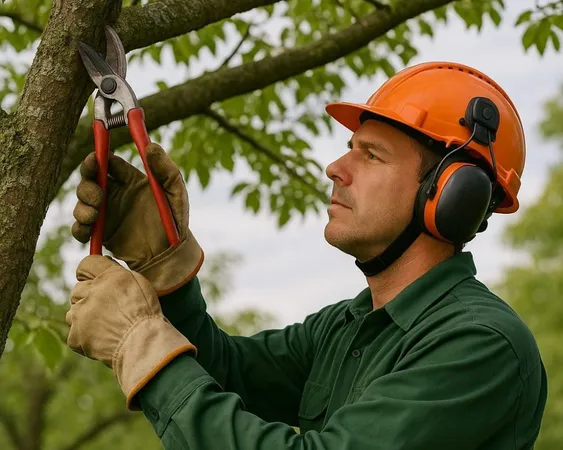
What is the ISA Certified Arborist Certification?
The ISA Certified Arborist certification is awarded by the International Society of Arboriculture (ISA) to individuals who demonstrate knowledge and proficiency in the science and practice of arboriculture. Arborists are trained professionals who manage the care and maintenance of trees, ensuring their health, longevity, and safety. The ISA certification serves as proof of an arborist’s qualifications and expertise in tree care.
- ✓Confirm your exam appointment and location
- ✓Bring required identification documents
- ✓Arrive 30 minutes early to check in
- ✓Read each question carefully before answering
- ✓Flag difficult questions and return to them later
- ✓Manage your time — don't spend too long on one question
- ✓Review flagged questions before submitting
Why Become an ISA Certified Arborist?
Obtaining the ISA Certified Arborist credential is an important step for professionals in the tree care industry. It signifies a deep understanding of various aspects of arboriculture, such as tree biology, pest and disease management, pruning, soil science, and safety practices. Certification can also lead to:
- Enhanced career opportunities
- Increased job prospects and earning potential
- Recognition as a knowledgeable and trusted expert in tree care
- Ability to work with local, state, and federal agencies in arboricultural capacities
ISA Certified Arborist Exam Requirements
Before taking the ISA Certified Arborist exam, candidates must meet specific eligibility criteria:
- Experience: Candidates must have a minimum of three years of full-time, practical work experience in arboriculture.
- Education: While formal education in arboriculture is beneficial, it is not required to take the exam.
- Study and Preparation: Preparing for the exam is critical to ensure success, as it covers a wide range of topics.
ISA Certified Arborist Exam: Study Tips
Passing the ISA Certified Arborist exam requires effective preparation. Here are some key tips to help you succeed:
Understand the Exam Blueprint: Familiarize yourself with the topics covered in the exam, which include tree biology, soil management, tree diagnosis and treatment, and pruning practices. The exam has 10 domains, each assessing your knowledge in specific areas of arboriculture.
Use Study Materials: Invest in study materials such as the ISA Certified Arborist Study Guide. These guides offer comprehensive coverage of all exam topics and often include practice questions to help you assess your knowledge.
Take Practice Exams: Practice exams are a valuable tool to gauge your understanding and improve your test-taking skills. Taking multiple practice exams can help you become comfortable with the format and timing of the actual test.
Join Study Groups: Collaborating with other arborists preparing for the exam can help reinforce your knowledge. Study groups offer an opportunity to discuss complex topics and exchange resources.
Enroll in Training Courses: ISA provides official training courses and workshops that can help you prepare for the exam. These courses are taught by experienced arborists and can provide valuable insights into the exam content.
Review the ISA’s Resource List: The ISA provides a recommended reading list that includes books, journals, and online resources. These resources are helpful for gaining a deeper understanding of the subject matter.
What Does an ISA Certified Arborist Do?
ISA Certified Arborists are trained professionals who perform various tree care services, including:
Tree Pruning: Proper pruning techniques ensure that trees grow healthy and strong. Arborists know how to remove dead or diseased limbs and improve the overall structure of trees.
Tree Diagnosis: Arborists are skilled in identifying tree diseases, pests, and other health issues. They provide recommendations for treatment and management.
Tree Planting and Establishment: Certified arborists help select appropriate species for specific sites, ensuring the long-term health and survival of newly planted trees.
Tree Risk Assessment: Arborists assess the stability of trees and identify potential risks, such as hazards from weak or damaged limbs.
Consulting and Advice: Certified arborists often offer expert advice to homeowners, businesses, and municipalities on tree care and landscaping.
ISA Certified Arborist Salary
The salary of an ISA Certified Arborist can vary based on factors such as location, experience, education, and job type. On average, the salary for a certified arborist in the United States ranges from $40,000 to $65,000 per year. Arborists working in larger cities or for specialized companies may earn more, especially if they have advanced certifications or significant experience.
Other factors influencing salary include:
- Geographic Location: Salaries tend to be higher in urban areas with a greater demand for tree care services.
- Years of Experience: Experienced arborists with more than five years in the field typically earn higher salaries.
- Job Type: Arborists working for municipalities, government agencies, or large tree care companies may earn more than those working in smaller businesses.
How to Find an ISA Certified Arborist Near You
If you’re looking to hire an ISA Certified Arborist, finding a qualified professional is easy. Here are some ways to locate an arborist near you:
Use the ISA's Find an Arborist Tool: The ISA website offers an online search tool that allows you to find certified arborists in your area based on your location and the type of service you need.
Check Local Listings: Many local directories list certified arborists, including online platforms like Yelp or Angie's List. Be sure to verify their certification status.
Ask for Referrals: If you know other professionals in the tree care industry or have friends and neighbors who have hired arborists, ask for recommendations.
Conclusion
Becoming an ISA Certified Arborist is an excellent career move for individuals passionate about tree care. The certification process requires dedication and study, but the rewards include career advancement, professional recognition, and higher earning potential. By using study resources, enrolling in training programs, and gaining hands-on experience, aspiring arborists can successfully pass the exam and excel in the field.
ISA: Pros and Cons
- +ISA certification validates expertise recognized by employers nationwide
- +Certified professionals typically earn 15-20% higher salaries
- +Opens doors to advanced positions and leadership roles
- +Demonstrates commitment to professional standards and ethics
- +Builds a strong professional network through certification communities
- −Exam preparation typically requires 2-4 months of dedicated study
- −Certification and exam fees can range from $150-$500+
- −Must complete continuing education to maintain active certification
- −Pass rates vary — thorough preparation is essential for success
- −Some certifications require prerequisite experience or education
Pros and Cons at a Glance
| Pros | Cons |
|---|---|
| ISA certification validates expertise recognized by employers nationwide | Must complete continuing education to maintain active certification |
| Opens doors to advanced positions and leadership roles | Pass rates vary — thorough preparation is essential for success |
| Demonstrates commitment to professional standards and ethics | Some certifications require prerequisite experience or education |
Sample ISA Certified Arborist Practice Questions
Try these questions from our free ISA Certified Arborist practice tests. The correct answer and an explanation follow each question.
An ISA TRAQ-qualified arborist completes an assessment and assigns a risk rating of 'High' to a mature cottonwood. The property owner declines the recommended action of removal and asks the arborist to reassess in six months. What is the arborist's most appropriate professional response?
- A. Document the owner's decision, communicate remaining risk in writing, and note the agreed reassessment date
- B. Immediately notify local authorities since the owner has created a public liability
- C. Lower the risk rating to 'Moderate' to reflect the owner's acceptance of the risk
- D. Refuse further involvement until the owner agrees to removal
Answer: A. Document the owner's decision, communicate remaining risk in writing, and note the agreed reassessment date
When an owner declines a recommended mitigation, the arborist's professional obligation is to clearly communicate the residual risk in writing, document the owner's decision, and establish a follow-up timeline if the owner chooses to monitor rather than act. Altering the risk rating to match the owner's preference would be professionally and ethically incorrect.
An arborist is examining a maple tree showing dieback and chlorosis. While inspecting the trunk, the arborist finds several small, dark, mushroom-like structures growing from the bark. How would these structures be classified in a diagnosis?
- A. A symptom of root rot
- B. A sign of a fungal pathogen
- C. An abiotic disorder indicator
- D. A physiological response to stress
Answer: B. A sign of a fungal pathogen
A 'sign' is the physical evidence of the damaging agent itself. In this case, the mushroom-like structures are the fruiting bodies of a fungus. 'Symptoms', such as dieback and chlorosis, are the tree's reaction to the pathogen or disorder.
An arborist who is NOT a qualified line-clearance arborist is assigned to prune a tree with branches that are 12 feet away from a 45 kV (45,000 volts) primary distribution line. According to ANSI Z133 standards, what is the required action?
- A. Use a fiberglass pole pruner to maintain a safe distance.
- B. Proceed with the work as long as a spotter is present to monitor clearance.
- C. Notify the electric utility and halt work until the lines are de-energized or shielded.
- D. Trim only the branches that are more than 10 feet away from the line.
Answer: C. Notify the electric utility and halt work until the lines are de-energized or shielded.
According to ANSI Z133 and OSHA standards, unqualified persons must maintain a minimum approach distance of at least 10 feet from energized conductors up to 50 kV. Since the work requires encroaching within that zone, the only safe and compliant action is to stop work and contact the utility to have the hazard abated, either by de-energizing the line or installing protective covering.
An arborist identifies a mature tree with a significant structural defect. However, the tree is located in a remote, fenced-off wildlife preserve with no trails or public access. Despite the defect, the arborist assigns a low overall risk rating. What is the most likely justification for this low rating?
- A. The tree has excellent adaptive growth around the defect
- B. The species is known to compartmentalize decay effectively
- C. The likelihood of the tree or its parts impacting a target is negligible
- D. The arborist plans to mitigate the defect with cabling
Answer: C. The likelihood of the tree or its parts impacting a target is negligible
In tree risk assessment, risk only exists when a tree failure has the potential to impact a target (people, property, or activity). In a location with no targets, even a tree with a high likelihood of failure will have a low overall risk rating because the 'likelihood of impacting a target' and 'consequences' components of the risk equation are negligible.
ISA Questions and Answers
About the Author

Environmental Scientist & Agricultural Certification Expert
UC Davis College of Agricultural & Environmental SciencesDr. Maria Santos earned her PhD in Agronomy from UC Davis and holds a Master of Science in Environmental Science alongside her Certified Hazardous Materials Manager designation. With 14 years of field and academic experience across soil science, water quality, and sustainable agriculture, she has guided hundreds of candidates through environmental and agronomy certification exams.
Join the Discussion
Connect with other students preparing for this exam. Share tips, ask questions, and get advice from people who have been there.
View discussion (8 replies)