

IDFX Practice Test
Updated for October 2026The IDFX (Interior Design Fundamentals Exam) is a crucial step for aspiring interior designers aiming to earn their professional certification. This comprehensive exam evaluates your knowledge of essential interior design principles, materials, and professional practices. Preparing for the IDFX requires a strategic approach, an understanding of core principles, and effective study techniques. In this article, we will guide you through key aspects of IDFX preparation, provide actionable tips, and address common questions to help you ace your exam.
IDFX Practice Test Questions
Prepare for the IDFX - Interior Design Fundamentals Exam exam with our free practice test modules. Each quiz covers key topics to help you pass on your first try.
IDFX Lighting & Color Theory
IDFX Exam Questions covering Lighting & Color Theory. Master IDFX Test concepts for certification prep.
IDFX Materials & Finishes
Free IDFX Practice Test featuring Materials & Finishes. Improve your IDFX Exam score with mock test prep.
IDFX Principles & Elements
IDFX Mock Exam on Principles & Elements. IDFX Study Guide questions to pass on your first try.
IDFX Space Planning & Functionality
IDFX Test Prep for Space Planning & Functionality. Practice IDFX Quiz questions and boost your score.
IDFX Acoustics and Mechanical Systems
IDFX Questions and Answers on Acoustics and Mechanical Systems. Free IDFX practice for exam readiness.
IDFX Building Codes & ADA Accessibility Re...
IDFX Mock Test covering Building Codes & ADA Accessibility Requirements. Online IDFX Test practice with instant feedback.
IDFX Building Codes and ADA
Free IDFX Quiz on Building Codes and ADA. IDFX Exam prep questions with detailed explanations.
IDFX Ergonomics and Anthropometrics
IDFX Practice Questions for Ergonomics and Anthropometrics. Build confidence for your IDFX certification exam.
IDFX History and Theory of Interior Design
IDFX Test Online for History and Theory of Interior Design. Free practice with instant results and feedback.
IDFX - Interior Design Fundamentals Codes ...
IDFX Study Material on - Interior Design Fundamentals Codes and Universal Design. Prepare effectively with real exam-style questions.
IDFX - Interior Design Fundamentals Constr...
Free IDFX Test covering - Interior Design Fundamentals Construction Docs and Specs. Practice and track your IDFX exam readiness.
IDFX - Interior Design Fundamentals Design...
IDFX Exam Questions covering - Interior Design Fundamentals Design Communication Methods. Master IDFX Test concepts for certification prep.
IDFX - Interior Design Fundamentals FF&E a...
Free IDFX Practice Test featuring - Interior Design Fundamentals FF&E and Lighting Specifications. Improve your IDFX Exam score with mock test prep.
IDFX - Interior Design Fundamentals Human ...
IDFX Mock Exam on - Interior Design Fundamentals Human Behavior & Environment. IDFX Study Guide questions to pass on your first try.
IDFX - Interior Design Fundamentals Profes...
IDFX Test Prep for - Interior Design Fundamentals Professional and Ethical Practices. Practice IDFX Quiz questions and boost your score.
IDFX - Interior Design Fundamentals Progra...
IDFX Questions and Answers on - Interior Design Fundamentals Programming and Site Analysis. Free IDFX practice for exam readiness.
IDFX Lighting and Color Theory
IDFX Mock Test covering Lighting and Color Theory. Online IDFX Test practice with instant feedback.
IDFX Materials and Finishes
Free IDFX Quiz on Materials and Finishes. IDFX Exam prep questions with detailed explanations.
IDFX Principles and Elements of Design
IDFX Practice Questions for Principles and Elements of Design. Build confidence for your IDFX certification exam.
Key Takeaways
Free IDFX Practice Test Online
- The IDFX is a foundational exam in the NCIDQ certification process, evaluating knowledge of core interior design principles and practices.
- Effective preparation involves understanding the exam format, using quality study materials, and applying practical knowledge.
- Principles such as balance, emphasis, and harmony are critical to mastering the IDFX and succeeding as a designer.
- Study strategies like engaging in real-world projects and using design software can significantly enhance your learning experience.
Interior Design Exam Tips: Your Ultimate Study Guide
Effective preparation for the IDFX starts with understanding the exam structure and creating a solid study plan. Here are some tips to help you excel:
Understand the Exam Format: Familiarize yourself with the types of questions on the IDFX. It includes multiple-choice questions covering topics such as building systems, design theories, and codes.
Create a Study Schedule: Dedicate regular hours to study and review key topics. Break down the syllabus into manageable sections.
Use Study Materials and Resources: Invest in official NCIDQ practice tests and study guides. Supplement your learning with books and online tutorials on interior design principles.
Join Study Groups: Collaborate with peers who are also preparing for the IDFX. Group discussions can clarify complex topics and keep you motivated.
Practice with Mock Exams: Simulate test conditions by attempting practice exams. This helps improve your time management skills and identify weak areas.
Stay Updated: Ensure you're familiar with current codes, standards, and regulations as the IDFX reflects industry practices.
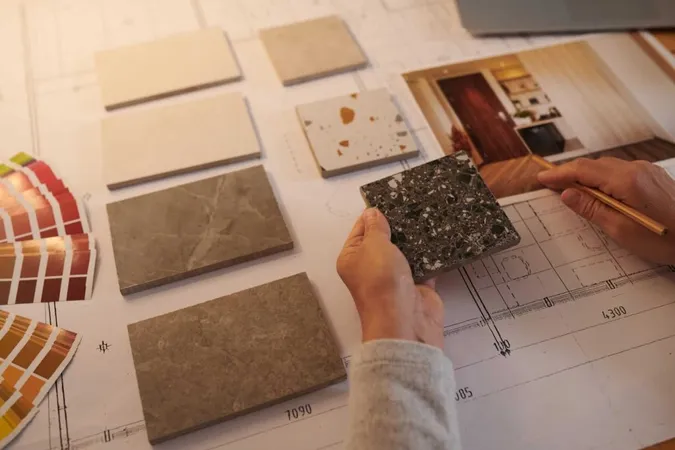
What Is Interior Design Fundamentals?
Interior design fundamentals encompass the essential knowledge and skills required to create functional, safe, and aesthetically pleasing spaces. The IDFX exam tests your grasp of these basics, focusing on:
- Space Planning: Understanding how to optimize the use of space for functionality and comfort.
- Building Codes and Regulations: Ensuring designs meet safety and accessibility standards.
- Materials and Finishes: Knowledge of various materials, their applications, and sustainability considerations.
- Professional Ethics: Adhering to ethical standards in design practice.
Principles of Interior Design
A solid understanding of interior design principles is key to passing the IDFX. These principles form the basis of effective and aesthetically pleasing designs:
Balance: Achieving visual harmony by distributing elements evenly, whether symmetrically, asymmetrically, or radially.
Proportion and Scale: Ensuring objects within a space relate well to one another and to the overall environment.
Emphasis: Creating a focal point to draw attention and guide the viewer's eye.
Rhythm: Establishing a sense of movement through repetition, alternation, or progression of design elements.
Unity and Harmony: Ensuring all components of a design work cohesively to create a pleasing whole.
Tips for Studying Interior Design
Studying interior design requires both theoretical knowledge and practical application. Here are some strategies to enhance your learning:
Visual Learning: Use diagrams, sketches, and renderings to understand concepts better. Create mood boards to explore design styles and materials.
Engage with Real-World Projects: Internships or part-time roles in design firms can provide hands-on experience and contextualize theoretical knowledge.
Explore Design Software: Familiarity with tools like AutoCAD, SketchUp, or Revit can be advantageous, as technical skills are often tested indirectly in design scenarios.
Use Online Resources: Websites like Khan Academy and design-focused blogs can supplement your study material with interactive content.
Stay Inspired: Visit design exhibitions, read industry magazines, and explore architectural landmarks to keep your creativity flowing.

Interior Design Fundamentals Exam: What to Expect
The IDFX exam consists of 100 multiple-choice questions that you need to answer within three hours. It covers the following domains:
- Design Theory and History: Questions on design movements, influential designers, and fundamental theories.
- Building Systems and Construction: Understanding mechanical, electrical, and structural systems relevant to interior design.
- Codes and Standards: Focused on ADA requirements, fire safety, and universal design principles.
- Programming and Client Needs: Questions on space analysis, functionality, and client communication.
- Furniture, Fixtures, and Equipment (FF&E): Knowledge of materials, finishes, and their applications.
Conclusion
The IDFX is more than an exam; it's a gateway to a fulfilling career in interior design. By mastering the fundamentals, adhering to a disciplined study plan, and staying inspired, you can approach the exam with confidence and poise. Whether you’re starting your journey or advancing your credentials, acing the IDFX will set the stage for a successful career in interior design.

- +Validates your knowledge and skills objectively
- +Increases job market competitiveness
- +Provides structured learning goals
- +Networking opportunities with other certified professionals
- −Study materials can be expensive
- −Exam anxiety can affect performance
- −Requires dedicated preparation time
- −Retake fees apply if you don't pass
Pros and Cons at a Glance
| Pros | Cons |
|---|---|
| Validates your knowledge and skills objectively | Study materials can be expensive |
| Increases job market competitiveness | Exam anxiety can affect performance |
| Provides structured learning goals | Requires dedicated preparation time |
| Networking opportunities with other certified professionals | Retake fees apply if you don't pass |
Sample IDFX - Interior Design Fundamentals Exam Practice Questions
Try these questions from our free IDFX - Interior Design Fundamentals Exam practice tests. The correct answer and an explanation follow each question.
The use of the Golden Ratio (approximately 1:1.618) in interior design is most directly related to which design principle?
- A. Emphasis
- B. Proportion
- C. Repetition
- D. Unity
Answer: B. Proportion
The Golden Ratio is a mathematical proportion (phi ~1.618) found in nature and used throughout art and architecture history to create aesthetically pleasing proportional relationships — it is a tool for applying the design principle of proportion.
In the history of the interior design profession, what was the primary significance of the founding of ASID (American Society of Interior Designers) in 1975?
- A. It was the first organization to establish interior design licensing requirements nationwide
- B. It unified two predecessor organizations to create a single major professional association advancing interior design as a distinct profession
- C. It created the first interior design school accreditation standards
- D. It established the NCIDQ examination as the industry licensing standard
Answer: B. It unified two predecessor organizations to create a single major professional association advancing interior design as a distinct profession
ASID was formed in 1975 by the merger of the American Institute of Interior Designers (AID, founded 1931) and the National Society of Interior Designers (NSID, founded 1957), creating a unified professional association to advocate for interior design recognition.
The concept of 'evidence-based design' (EBD), now widely used in healthcare and workplace interior design, is best defined as:
- A. Design based exclusively on client-provided data about their space preferences
- B. Design decisions informed by credible research on how the built environment affects health, safety, and performance outcomes
- C. Design that can be proven legally defensible under building codes and liability standards
- D. Design validated by post-occupancy surveys after project completion
Answer: B. Design decisions informed by credible research on how the built environment affects health, safety, and performance outcomes
Evidence-based design uses rigorous research — clinical studies, post-occupancy evaluations, environmental psychology research — to guide design decisions, particularly in healthcare settings where the built environment demonstrably affects patient outcomes and staff performance.
In interior design, what does a Class A fire rating for interior wall finish materials indicate?
- A. The material has the highest level of flame spread resistance with a flame spread index of 0-25
- B. The material is completely fireproof and cannot burn
- C. The material is approved only for residential use
- D. The material has been treated with fire retardant chemicals
Answer: A. The material has the highest level of flame spread resistance with a flame spread index of 0-25
Class A (or Class I) finish materials have a flame spread index of 0-25 and a smoke developed index of 0-450, providing the highest level of fire performance for interior finishes per building codes.
Take the full IDFX - Interior Design Fundamentals Exam practice test
IDFX Questions and Answers
About the Author

Licensed Architect & ARE Exam Preparation Specialist
Yale School of ArchitectureSarah Nakamura is a licensed architect and LEED Accredited Professional with a Master of Architecture from Yale School of Architecture. She has 15 years of design and construction administration experience across commercial and residential projects, and has coached over 400 architecture graduates through the Architect Registration Examination (ARE) across all six divisions.
Join the Discussion
Connect with other students preparing for this exam. Share tips, ask questions, and get advice from people who have been there.
View discussion (7 replies)