
Home Inspector Requirements Texas: Complete 2026 July Licensing Guide
Home inspector requirements Texas 2026 July: education, licensing, salary & certification steps. Everything you need to launch your career. ✅

If you are searching for home inspectors near me or considering launching your own inspection career, understanding the home inspector requirements Texas mandates is your essential first step. Texas is one of the most regulated states in the country when it comes to home inspection licensing, which ultimately protects both consumers and professionals. The Texas Real Estate Commission (TREC) oversees all licensing, and the standards are rigorous — covering education hours, field experience, examination passage, insurance, and ongoing continuing education to keep your license active and in good standing.
Texas has seen explosive growth in its real estate market over the past decade, with cities like Austin, Houston, Dallas, San Antonio, and the surrounding suburbs adding hundreds of thousands of new homes to inventory. That growth translates directly into demand for qualified inspectors. Whether buyers are closing on a sprawling ranch property outside Fort Worth or a modern high-rise condo in downtown Houston, they need a licensed professional to evaluate the property's condition. This sustained demand makes Texas one of the best states in the nation to build a long-term home inspection career.
The licensing pathway in Texas is clearly defined but requires genuine commitment. Candidates must complete a TREC-approved education program, log a minimum number of real inspections under a supervising inspector, pass the National Home Inspector Examination (NHIE) as well as a Texas-specific exam, and secure both general liability and errors and omissions insurance before receiving their license. Each of these steps serves a purpose, ensuring that licensed inspectors in Texas have both the knowledge and the practical hands-on experience to serve clients effectively and professionally.
One of the most important decisions you will make early in this process is choosing your education provider. Texas requires 194 hours of qualifying real estate inspector coursework, and the quality of instruction varies significantly between providers. Reputable schools offer structured curricula that align directly with TREC's Standards of Practice, ensuring you study the exact systems and components you will be evaluated on — from roofing and structural systems to electrical panels, HVAC equipment, plumbing, and foundation inspection techniques unique to the Texas soil and climate conditions.
Understanding home inspectors professional liability coverage is a critical but often overlooked component of the licensing process. TREC mandates that all licensed inspectors carry errors and omissions (E&O) insurance with a minimum limit of $100,000 per occurrence, as well as general liability insurance. These policies protect you if a client later claims you missed a significant defect. Shopping for the right coverage before you apply for your license is smart planning, because your first insurance payment will often coincide with your initial licensing fees.
The financial investment required to become a licensed home inspector in Texas typically ranges from $2,000 to $5,000 when you account for education tuition, exam fees, insurance premiums, inspection tools, reporting software, and state application fees. While that may seem substantial, most full-time inspectors in Texas recover their startup costs within the first several months of business. The return on investment is strong, especially in high-volume markets where experienced inspectors routinely complete three to five inspections per week at fees averaging $400 to $600 per inspection.
This comprehensive guide walks you through every stage of the Texas home inspector licensing process — from initial education requirements and field experience rules to exam preparation strategies, salary expectations, and the steps you should take immediately after receiving your license. Whether you are a complete career changer, a construction professional looking to transition, or a real estate agent seeking additional credentials, this article gives you the roadmap you need to succeed in one of Texas's most resilient and rewarding professions.
Texas Home Inspection Career by the Numbers

Texas Home Inspector Licensing: Step-by-Step Path
Complete 194 Hours of TREC-Approved Education
Complete 25 Real Property Inspections Under Supervision
Pass the National Home Inspector Examination (NHIE)
Pass the Texas-Specific Inspector Exam
Secure Required Insurance Coverage
Submit TREC License Application and Pay Fees
Choosing the right education program is one of the most consequential decisions a prospective Texas home inspector will make. TREC maintains an approved provider list, and while all programs must cover the same core competencies, the depth of instruction, quality of instructors, and availability of supplemental support vary considerably. Look for programs that include live field training components, hands-on practice with inspection tools, and access to report-writing software. These practical elements are what prepare you to walk into your first paid inspection with confidence rather than anxiety.
The 194 required education hours are divided across specific topic areas mandated by TREC. These include building and foundation systems (the unique soil conditions in Texas — particularly expansive clay soils in North and Central Texas — make foundation inspection especially critical), roofing systems and roof coverings, electrical systems, HVAC systems, plumbing, built-in appliances, and optional specialty areas like pool and spa inspection. Understanding each system in depth, not just superficially, is what separates average inspectors from those who build thriving referral-based businesses.
Many aspiring inspectors wonder whether online education programs are as effective as traditional classroom instruction. The honest answer is that it depends heavily on your learning style and the program's quality. Online programs offer flexibility that works well for working adults who are transitioning careers, but they require self-discipline and active engagement. The best programs blend video instruction, interactive quizzes, downloadable reference materials, and access to experienced instructors via live sessions or message boards. A program that simply makes you click through slides without reinforcement will not prepare you adequately for the exam or the field.
The national home inspector examination is a critical milestone in your licensing journey, and your education should directly prepare you for it. The NHIE is scored on a scale of 200 to 800, with 500 as the minimum passing score. Approximately 40 to 50 percent of first-time test takers do not pass on their first attempt, which underscores the importance of thorough exam preparation. Practice tests, review courses, and study guides focused on the NHIE content outline — which EBPHI publishes publicly — are invaluable resources in the weeks leading up to your test date.
Beyond formal coursework, many successful Texas inspectors recommend shadowing experienced professionals as early in the process as possible. Even before you officially begin your supervised inspection logs, riding along with a working inspector exposes you to the practical rhythms of the job: how to manage client expectations at the inspection site, how to prioritize findings, how to efficiently move through a property while maintaining thoroughness, and how to communicate defects clearly and without alarming language. These soft skills are rarely taught in formal programs but are critical to client satisfaction and referral generation.
How much do home inspectors make in Texas varies by market, experience level, and business model. Entry-level inspectors in smaller Texas markets might earn $35,000 to $45,000 in their first year while building their reputation and referral network. Inspectors in the DFW Metroplex, Houston, or Austin with three or more years of experience and strong agent relationships commonly earn $75,000 to $100,000 or more annually.
Top-producing inspectors who have added specialty certifications — such as pool and spa, commercial inspections, or thermal imaging — frequently exceed $120,000 per year because they can charge premium fees and serve a wider range of clients and properties.
Continuing education is not just a licensing requirement in Texas — it is a genuine competitive advantage. TREC requires 32 hours of continuing education for each two-year license renewal cycle. Inspectors who use these hours strategically, pursuing certifications in emerging areas like energy auditing, mold assessment, or infrared thermography, position themselves ahead of competitors who treat CE as a compliance checkbox. The home inspection industry evolves as building technology, codes, and consumer expectations change, and the most successful inspectors are those who treat ongoing learning as a core part of their professional identity rather than a bureaucratic obligation.
Home Inspector Certification: Exams, Credentials & State Requirements
The National Home Inspector Examination (NHIE) is administered by the Examination Board of Professional Home Inspectors and is accepted in Texas and most other states as the standard competency benchmark. The exam contains 200 questions, of which 175 are scored and 25 are unscored pilot items. Content is drawn from three primary domains: property and building inspection (the largest domain at roughly 80% of content), analysis of findings and reporting (approximately 12%), and professional responsibilities (approximately 8%). Candidates have four hours to complete the exam.
Registration for the NHIE is completed through EBPHI's online portal, and the testing fee is $225. Exams are delivered at PSI testing centers located throughout Texas, including locations in Houston, Dallas, San Antonio, Austin, and Lubbock. Score reports are issued immediately upon completion, and candidates who do not pass may retake the exam after a 30-day waiting period. Most candidates spend 6 to 10 weeks studying before their first attempt, using EBPHI's published content outline as their primary study roadmap.

Is a Home Inspector Career in Texas Right for You?
- +Strong and consistent market demand driven by Texas population growth and active real estate market
- +High earning potential — experienced inspectors in major Texas metros earn $75K to $120K+ annually
- +Flexible schedule: most inspectors set their own hours and control their weekly workload
- +Low startup costs compared to most licensed professions — typically $2,000 to $5,000 total
- +No college degree required — licensing is based on education hours, exams, and field experience
- +Opportunities to add specialty certifications (pools, commercial, mold) and increase per-inspection fees
- −Income can be inconsistent early in career while building agent referral network
- −Physically demanding work involving attic crawls, crawl spaces, and roof access in Texas heat
- −Liability exposure if a defect is missed — requires ongoing E&O insurance and careful documentation
- −The 25-inspection supervised requirement means you must find and work under a willing Professional Inspector
- −Continuing education requirement (32 hours per 2-year cycle) adds ongoing time and financial cost
- −Market saturation in some Texas metros makes differentiation through specialty credentials essential
Texas Home Inspector License Application Checklist
- ✓Verify you meet TREC's basic eligibility: 18+ years old, U.S. citizen or legal resident, no felony convictions
- ✓Enroll in and complete 194 hours from a TREC-approved qualifying real estate inspector education program
- ✓Register as an Apprentice Inspector with TREC before beginning your supervised field inspections
- ✓Complete a minimum of 25 real property inspections under the direct supervision of a licensed Professional Inspector
- ✓Register for and pass the National Home Inspector Examination (NHIE) through EBPHI at a PSI testing center
- ✓Register for and pass the Texas Inspector Law and Standards of Practice exam through PSI
- ✓Obtain E&O insurance with at least $100,000 per occurrence from a carrier serving Texas inspectors
- ✓Obtain general liability insurance with at least $300,000 per occurrence coverage
- ✓Gather all required documentation: transcripts, inspection logs, exam score reports, and insurance certificates
- ✓Submit the completed Professional Inspector license application to TREC with the $147 state application fee
TREC Will Not Issue Your License Without Proof of Insurance
Many applicants are surprised to learn that Texas will not approve a Professional Inspector license application without proof of both E&O and general liability insurance. Start shopping for coverage at least 30 days before you plan to submit your application. Bundling both policies through a home-inspection-specific insurer often saves money — providers like InspectorPro and OREP specialize in this space and understand the coverage needs of Texas inspectors specifically.
Home inspector salary in Texas is one of the most frequently searched topics by people considering this career, and for good reason: compensation is a primary factor in career decisions. According to data from the Bureau of Labor Statistics and industry salary surveys conducted by InterNACHI and ASHI, the median annual income for a full-time licensed home inspector in Texas is approximately $60,000 to $68,000. However, this figure understates the earning potential for established inspectors because many high earners operate as independent contractors whose income is not fully captured in employer-reported wage surveys.
Inspection fees in Texas vary by market size, property type, and inspector experience. In smaller Texas cities and rural areas, inspection fees typically range from $275 to $375 for a standard single-family home. In major metros like Austin, Houston, and Dallas, fees of $400 to $600 are standard for comparable inspections, and larger or more complex properties command proportionally higher fees. Inspectors who add ancillary services — radon testing, sewer scoping, thermal imaging, mold air sampling — can add $75 to $200 per inspection in additional revenue without significantly increasing time on site.
Volume matters enormously in home inspection income. An inspector completing two inspections per day, five days per week at an average fee of $450 would gross $234,000 annually before expenses. Most inspectors do not maintain that volume consistently, but the math illustrates the ceiling.
Successful full-time inspectors in active Texas markets typically complete 200 to 300 inspections per year, generating gross revenues of $90,000 to $150,000. After deducting insurance, vehicle expenses, software subscriptions, continuing education, and marketing costs (typically 25 to 35 percent of gross revenue), net income for successful independent inspectors in the $65,000 to $100,000 range is realistic and achievable.
Understanding what do home inspectors look for during a typical inspection directly affects your efficiency and, therefore, your income. Texas inspectors following TREC's Standards of Practice must evaluate and report on the condition of the structural components, roofing, electrical systems, HVAC systems, plumbing, insulation and ventilation, and built-in appliances. In Texas specifically, foundation inspection receives heightened attention because of the state's expansive clay soils, which cause more foundation movement than in most other states. Inspectors who develop expertise in reading foundation evidence — cracks, sticking doors, uneven floors — provide significantly more value than those who treat foundation inspection superficially.
Geography has a meaningful impact on how much do home inspectors charge and how busy they stay year-round. The Houston market is particularly active because of its size and the continuous turnover of properties in a city with no zoning regulations.
DFW's rapid suburban expansion means that new construction inspections — which require different skills and typically command fees of $400 to $700 depending on square footage — represent a substantial portion of the workload for inspectors in Frisco, McKinney, Prosper, and surrounding communities. Austin's premium real estate prices have pushed inspection fees higher than almost anywhere else in the state, with many inspectors in Travis County charging $500 to $700 for standard residential inspections.
Insurance costs for Texas home inspectors deserve careful attention because they are a significant and ongoing business expense. E&O and general liability coverage combined typically costs $1,200 to $2,500 per year for new inspectors and may increase as your claims history develops or as you add specialty services. Finding cheap general liability for home inspectors without sacrificing adequate coverage requires shopping multiple providers and understanding what each policy actually covers. Some policies exclude certain property types or inspection categories — always read the exclusions section carefully before binding coverage.
The long-term financial picture for Texas home inspectors is encouraging. Unlike many professions where income plateaus, home inspectors have multiple levers they can pull to increase earnings over time: raising fees as their reputation grows, adding specialty services and certifications, hiring additional inspectors and building an agency model, transitioning into commercial inspections (which command higher fees and attract different clientele), or developing training and education programs once they reach expert status. The career offers both solid baseline income and meaningful upside for those who approach it with an entrepreneurial mindset.

TREC conducts a criminal background check on all license applicants. Certain felony convictions, particularly those involving fraud, dishonesty, or crimes against persons, may permanently disqualify you from obtaining a Texas home inspector license. If you have any criminal history, request a Moral Character Determination from TREC before investing in education and exams — this pre-application review tells you whether your record creates a disqualifying issue before you spend time and money on the full process.
Building a successful home inspection business in Texas requires more than just passing exams and obtaining a license. The inspectors who thrive long-term are those who approach the business side of their career with the same seriousness they bring to the technical side of inspections. Your first 90 days after licensure are critical for establishing the relationships, systems, and reputation that will drive referrals for years to come. Many new inspectors underestimate how much time and energy goes into business development relative to actual inspections in the early stages of their career.
Real estate agents are the primary referral source for most Texas home inspectors, and building those relationships strategically is essential. The key insight experienced inspectors share is that agents want to refer inspectors who make them look good to their clients — meaning you are thorough, communicate clearly, deliver reports on time, and never unnecessarily alarm buyers over minor cosmetic issues while clearly flagging genuine safety and structural concerns. Show up on time, dress professionally, write clear reports, and follow up promptly, and agents will refer you repeatedly because you make their transactions smoother.
Your online presence matters more than most new inspectors initially realize. According to industry surveys, approximately 35 percent of home buyers search independently for inspectors rather than simply taking their agent's first recommendation. That means a professional website, a verified Google Business Profile with positive reviews, and presence on Yelp and Angi (formerly Angie's List) can generate a meaningful percentage of your total business. Investing $1,500 to $3,000 in a professional website early in your career — including clear information about your credentials, service areas, fees, and booking process — pays for itself quickly in the competitive Texas market.
Report quality is the single most visible indicator of your professionalism to clients and agents alike. Texas inspectors use software platforms like Spectora, HomeGauge, and Horizon to generate photo-rich, narrative inspection reports. The best reports are clearly organized, use consistent language, include high-quality photographs of every defect noted, and distinguish clearly between safety hazards, major defects requiring immediate attention, and maintenance recommendations.
Clients who receive a clear, well-organized report are far more likely to refer you to friends and family, and agents who see that your reports are professional and defensible are more likely to add you to their preferred inspector list.
Understanding how much do home inspectors charge relative to the market helps you price competitively without underselling your services. New inspectors sometimes make the mistake of pricing aggressively low to capture volume, but this strategy often attracts price-sensitive clients who are more likely to complain about minor issues and less likely to refer.
A better approach is to price within 10 to 15 percent of established local competitors and differentiate on quality, responsiveness, and turnaround time for report delivery. Delivering reports within 24 hours of inspection completion — ideally same day — is a meaningful competitive differentiator that clients and agents value highly.
Specialty certifications are worth pursuing strategically rather than all at once. The certifications that generate the most additional revenue per hour invested in Texas are pool and spa inspection (enormous demand in Texas where pools are common), sewer scope inspection (increasingly expected in many markets and easy to add with modest equipment investment), and thermal imaging (allows you to identify moisture intrusion, insulation gaps, and electrical hot spots invisible to the naked eye). Each of these specialties allows you to add line items to your standard inspection fee and differentiate yourself from competitors who offer only basic services.
Joining your local InterNACHI chapter or ASHI chapter provides peer support, continuing education opportunities, and access to business resources that are genuinely valuable for inspectors at every career stage. Many Texas cities have active local inspector associations that hold monthly meetings, provide mentorship opportunities for newer inspectors, and facilitate relationships with allied professionals in the real estate ecosystem. The relationships you build with mortgage lenders, real estate attorneys, title companies, and other inspectors can generate referrals and business opportunities that you would never encounter working in isolation.
Exam preparation is a phase that many candidates rush through, and it shows in first-attempt pass rates that hover in the 50 to 60 percent range for the NHIE nationwide. The most effective preparation strategy combines structured study of the exam content domains, regular practice testing under timed conditions, and targeted review of your weakest areas based on practice test performance. Passively reading study guides or watching videos without actively testing yourself is far less effective than interleaving study with frequent practice questions that force active recall.
The NHIE content outline published by EBPHI is your most important study document. It breaks the exam into specific knowledge areas with approximate question weights, telling you exactly where to focus your effort. Property and building inspection — the largest domain — covers site conditions, foundation and structural systems, exterior, roofing, electrical, HVAC, insulation and ventilation, plumbing, interiors, and fireplaces.
Within each of these categories, the exam tests both identification of defects and understanding of the proper standards against which conditions are evaluated. Knowing, for example, not just that a double-tapped breaker is a defect but why it is a defect and what code provision it violates will help you answer nuanced exam questions correctly.
Time management on the NHIE is a practical skill that requires deliberate practice. With 200 questions and four hours allotted, you have approximately 1.2 minutes per question. Most candidates finish with time to spare, but some find themselves slowing down on technical questions and then rushing through the final section. Practicing under timed conditions using full-length practice exams — not just individual question sets — teaches you to pace yourself and builds the stamina required to maintain concentration over a four-hour examination.
Physical preparation for the job itself deserves attention alongside exam preparation. Home inspectors in Texas work in demanding conditions: attics that reach 130°F in summer, crawl spaces with limited clearance, roofs that require ladder access and careful movement, and properties with active pest activity.
Building physical fitness and flexibility — particularly core strength and flexibility for crawling and climbing — reduces injury risk and allows you to inspect more thoroughly. Inspectors who cannot safely access all required areas of a property must note those limitations in their report, which reduces the value they deliver to clients and can create liability concerns.
The Texas real estate calendar affects inspection demand throughout the year. Spring (March through June) is consistently the busiest season in most Texas markets, when the largest volume of home sales closes and the demand for inspectors peaks. Smart inspectors use the slower winter months — typically November through January — to pursue additional certifications, upgrade their equipment, refresh their marketing materials, and strengthen agent relationships so they are positioned to capture maximum volume when the busy season returns. Building a pipeline of agent relationships during slow periods is one of the most high-leverage activities an aspiring inspector can undertake.
For those who want to go beyond standard residential inspections, commercial property inspection is a lucrative expansion opportunity that Texas's massive commercial real estate market supports strongly. Commercial inspections follow ASTM Standard E2018 rather than TREC's residential Standards of Practice and typically involve larger, more complex properties such as office buildings, retail centers, warehouses, and multi-family residential properties.
Commercial inspection fees often range from $1,500 to $5,000 or more depending on property size and complexity, making individual commercial assignments worth several times more than a typical residential inspection. However, commercial inspection requires specialized training, and most inspectors develop significant residential experience before transitioning into this area.
The home inspection profession in Texas is evolving alongside changes in building technology, consumer expectations, and the real estate transaction process itself. The adoption of smart home technology, the growing prevalence of solar panels and battery storage systems, the increasing use of composite and alternative building materials, and the rising consumer awareness of indoor air quality are all reshaping what buyers expect inspectors to evaluate and report. Inspectors who invest in staying current with emerging building systems and consumer concerns will find that their services remain relevant and in demand regardless of shifts in the broader real estate market cycle.
Home Inspector Questions and Answers
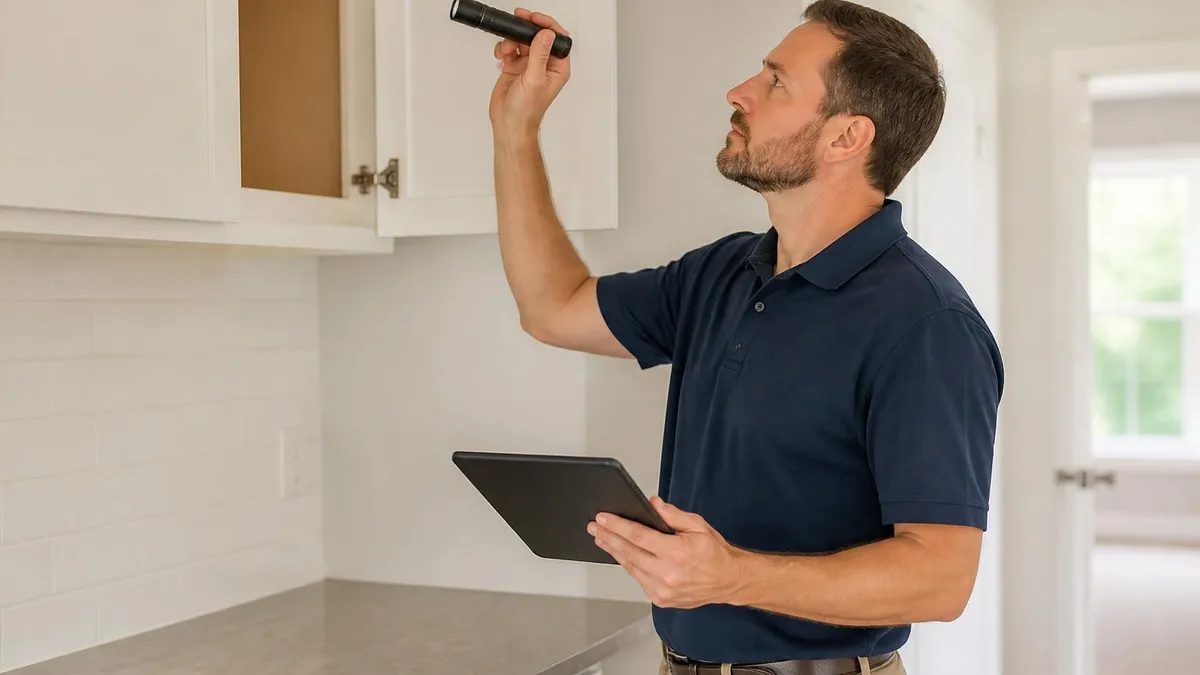
Home Inspector School: Complete 2026 Guide to Training Programs, Costs, Licensing & Career Launch
FREE Safety Home Inspector Questions and Answers
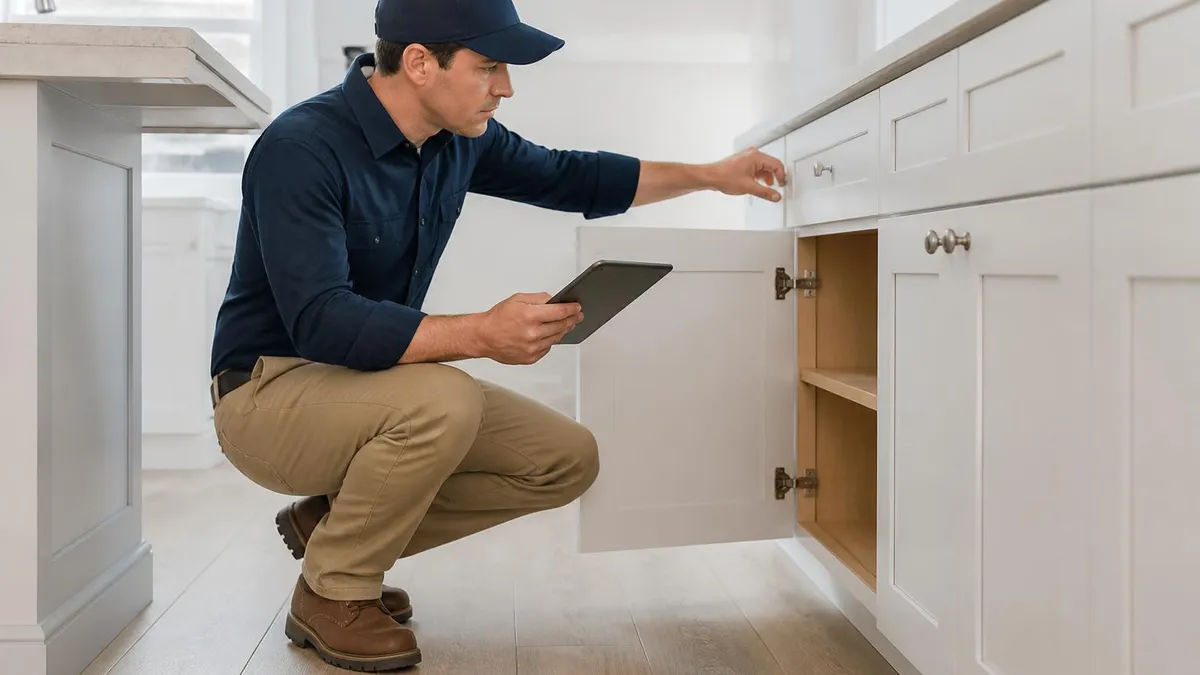
What Home Inspectors Look For: The Complete 2026 Buyer's Guide to Inspection Findings, Red Flags & Repair Negotiations

Home Inspector Certification Requirements by State: The Complete 2026 Guide

Home Inspectors Association: Everything You Need to Know About Certification, Salary, and Finding Inspectors Near You
About the Author
Licensed Real Estate Broker & Licensing Exam Specialist
University of Wisconsin School of BusinessSandra Taylor is a Graduate Realtor Institute (GRI) and Accredited Buyer's Representative (ABR) designee with an MBA in Real Estate from the University of Wisconsin School of Business. She has 18 years of residential and commercial real estate brokerage experience and coaches real estate license candidates through state salesperson and broker pre-license examinations across multiple states.