

FAC Practice Test
Updated for October 2026Facial aesthetics is a rapidly growing industry that combines medical expertise with cosmetic enhancements to improve a person's appearance and confidence. Professionals in this field specialize in non-surgical treatments like Botox, dermal fillers, and skin rejuvenation techniques.
Choosing the right facial aesthetics training program is essential for building a successful career in this field. This guide will explore what facial aesthetics is, how to enter the industry, required qualifications, and where to find training programs.
FAC Practice Test Questions
Prepare for the FAC - Facial Aesthetics Certification exam with our free practice test modules. Each quiz covers key topics to help you pass on your first try.
FAC Client Consultation & Communication
FAC Exam Questions covering Client Consultation & Communication. Master FAC Test concepts for certification prep.
FAC Color Theory & Application
Free FAC Practice Test featuring Color Theory & Application. Improve your FAC Exam score with mock test prep.
FAC Design Principles & Elements
FAC Mock Exam on Design Principles & Elements. FAC Study Guide questions to pass on your first try.
FAC Digital Tools & Software
FAC Test Prep for Digital Tools & Software. Practice FAC Quiz questions and boost your score.
FAC Facial Anatomy & Physiology
FAC Questions and Answers on FAC Facial Anatomy & Physiology. Free FAC practice for exam readiness.
Facial Aesthetics Patient Consultation & E...
FAC Mock Test covering Facial Aesthetics Patient Consultation & Ethical Practices. Online FAC Test practice with instant feedback.
Facial Aesthetics Safety, Hygiene & Infect...
Free FAC Quiz on Facial Aesthetics Safety, Hygiene & Infection Control. FAC Exam prep questions with detailed explanations.
Facial Aesthetics Skin Evaluation & Treatm...
FAC Practice Questions for Facial Aesthetics Skin Evaluation & Treatment Techniques. Build confidence for your FAC certification exam.
FAC Injectable Treatments & Protocols
FAC Test Online for FAC Injectable Treatments & Protocols. Free practice with instant results and feedback.
FAC Industry Trends & Innovation
FAC Study Material on Industry Trends & Innovation. Prepare effectively with real exam-style questions.
FAC Materials & Techniques
Free FAC Test covering Materials & Techniques. Practice and track your FAC exam readiness.
FAC Portfolio Development
FAC Exam Questions covering Portfolio Development. Master FAC Test concepts for certification prep.
FAC Pre & Post Treatment Care & Recovery
Free FAC Practice Test featuring Pre & Post Treatment Care & Recovery. Improve your FAC Exam score with mock test prep.
Key Takeaways
Free Facial Aesthetics Practice Test Online
- Facial aesthetics includes non-surgical cosmetic treatments like Botox, fillers, and skin rejuvenation.
- Entering the field requires medical or aesthetic training, certification, and hands-on experience.
- Qualifications vary by region, with medical professionals having broader treatment options.
- Choosing an accredited training program is crucial for gaining the right skills.
- The demand for facial aesthetics professionals is growing, making it a lucrative career choice.
What Are Facial Aesthetics?
Facial aesthetics refers to non-surgical cosmetic procedures that enhance a person’s facial features. These treatments help reduce signs of aging, improve skin texture, and contour the face for a youthful appearance.
- ✓Confirm your exam appointment and location
- ✓Bring required identification documents
- ✓Arrive 30 minutes early to check in
- ✓Read each question carefully before answering
- ✓Flag difficult questions and return to them later
- ✓Manage your time — don't spend too long on one question
- ✓Review flagged questions before submitting
Popular Facial Aesthetic Treatments
- Botox Injections – Reduces wrinkles and fine lines
- Dermal Fillers – Adds volume to the face and lips
- Chemical Peels – Improves skin texture and tone
- Microneedling – Stimulates collagen production for skin rejuvenation
- Laser Skin Treatments – Reduces pigmentation, scars, and wrinkles
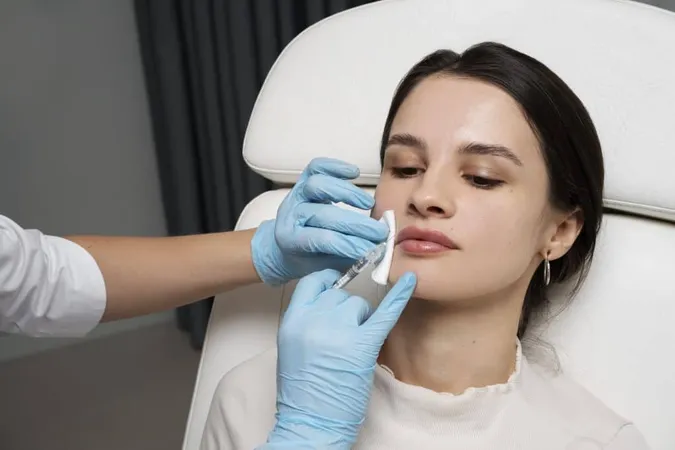
Facial aesthetics treatments are often performed by medical professionals, including doctors, nurses, and dentists, who undergo specialized training.
How to Get Into Facial Aesthetics
If you’re interested in a career in facial aesthetics, you need to meet specific educational and licensing requirements.
Steps to Enter the Facial Aesthetics Industry
- Obtain a Medical or Healthcare Background – Many aesthetic practitioners have a background in nursing, dentistry, or medicine.
- Enroll in a Facial Aesthetics Certification Program – Choose an accredited training program that provides hands-on experience.
- Gain Practical Experience – Work under supervision or attend workshops to improve your skills.
- Obtain Certification and Licensing – Some regions require practitioners to be certified before offering treatments.
- Join Professional Associations – Organizations like the American Academy of Facial Esthetics (AAFE) offer networking and career support.
How to Become a Facial Aesthetics Practitioner
To become a certified facial aesthetics practitioner, you must complete proper training and meet industry standards.
Training Requirements
- Basic Medical Knowledge – A background in healthcare is often necessary.
- Specialized Aesthetics Training – Courses covering injectables, laser treatments, and skincare.
- Hands-On Clinical Practice – Practical experience under expert supervision.
- Certification Exam – Some programs require passing a competency test.
Many professionals start by training in Botox and dermal fillers before advancing to more complex procedures.
What Qualifications Do You Need to Do Facial Aesthetics?
The qualifications required depend on your location and the type of treatments you wish to perform.
Common Qualifications Required
- Medical Degree (MD, DO) – For doctors and dermatologists.
- Nursing License (RN, NP) – For registered nurses specializing in aesthetic treatments.
- Dental Degree (DDS, DMD) – Many dentists provide facial aesthetics treatments.
- Aesthetician License – Required for professionals offering skincare and non-invasive treatments.
Some non-medical professionals may perform certain facial aesthetics procedures, but they must complete specific training and comply with local regulations.
Facial Aesthetics Training Programs Near Me
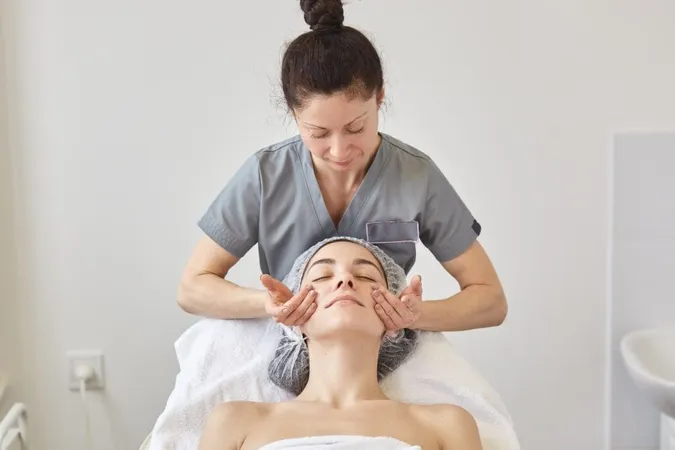
Finding a reputable training program is crucial for gaining the skills and certification needed for a successful career in facial aesthetics.
What to Look for in a Training Program
- Accreditation – Ensure the program is recognized by industry authorities.
- Experienced Instructors – Learn from licensed professionals with years of experience.
- Hands-On Training – Practical experience is essential for mastering techniques.
- Comprehensive Curriculum – Courses should cover Botox, fillers, laser treatments, and patient safety.
Where to Find Training Programs
- Universities and medical schools
- Professional aesthetic training academies
- Online certification courses with hands-on workshops
Searching for "facial aesthetics training programs near me" can help you find institutions in your area.
FAC: Pros and Cons
- +Structured FAC training builds a solid foundation of skills
- +Multiple training formats available: online, in-person, and hybrid
- +Hands-on practice prepares you for real-world job scenarios
- +Training programs often include job placement assistance
- +Continuing education keeps your skills current with industry changes
- −Training programs can be time-intensive (weeks to months)
- −Quality varies significantly between training providers
- −Costs for comprehensive programs can be substantial
- −Hands-on components may require travel or in-person attendance
- −Self-paced learning requires strong discipline and motivation
Pros and Cons at a Glance
| Pros | Cons |
|---|---|
| Structured FAC training builds a solid foundation of skills | Training programs can be time-intensive (weeks to months) |
| Multiple training formats available: online, in-person, and hybrid | Quality varies significantly between training providers |
| Hands-on practice prepares you for real-world job scenarios | Costs for comprehensive programs can be substantial |
| Training programs often include job placement assistance | Hands-on components may require travel or in-person attendance |
| Continuing education keeps your skills current with industry changes | Self-paced learning requires strong discipline and motivation |
Sample Facial Aesthetics Certification Practice Questions
Try these questions from our free Facial Aesthetics Certification practice tests. The correct answer and an explanation follow each question.
Which approach to staff training best supports a culture of continuous quality improvement in a facial aesthetics clinic?
- A. One-time onboarding training when staff are hired
- B. Annual mandatory review of clinic protocols only
- C. Regular case review meetings, ongoing CE credits, and incident debriefs
- D. Self-directed learning with no structured accountability
Answer: C. Regular case review meetings, ongoing CE credits, and incident debriefs
Continuous quality improvement requires structured, recurring education, honest case reviews, and lessons learned from adverse events.
A client arrives for a consultation requesting 'pillow lips' after seeing a celebrity photo. What is the BEST initial response from the practitioner?
- A. Agree to replicate the look exactly as requested
- B. Explore what specifically appeals to the client about that result and assess anatomical suitability
- C. Decline the request as celebrity-inspired treatments are unrealistic
- D. Refer the client to a plastic surgeon
Answer: B. Explore what specifically appeals to the client about that result and assess anatomical suitability
Understanding what the client finds appealing allows the practitioner to address their underlying goals while assessing whether the result is anatomically achievable.
Which modality is most appropriate as a first-line treatment for mild-to-moderate inflammatory acne without significant scarring?
- A. Isotretinoin monotherapy
- B. Topical retinoid combined with benzoyl peroxide
- C. Laser ablation
- D. Intralesional corticosteroid injections
Answer: B. Topical retinoid combined with benzoyl peroxide
Current evidence-based guidelines recommend a combination of topical retinoid and benzoyl peroxide as first-line therapy for mild-to-moderate inflammatory acne.
A clinic is calculating its Scope 2 greenhouse gas emissions. What does Scope 2 include?
- A. Direct emissions from on-site combustion (generators, gas heaters)
- B. Indirect emissions from purchased electricity and heat
- C. Supply chain emissions from product manufacturing
- D. Employee commuting and business travel
Answer: B. Indirect emissions from purchased electricity and heat
Scope 2 covers indirect GHG emissions from the generation of purchased electricity, heat, or steam consumed by the organization.
(FAC) Facial Aesthetics Certification Questions and Answers
About the Author

Emergency Manager & FEMA Certification Specialist
Naval Postgraduate SchoolCommander Lisa Foster holds a Master of Science in Emergency Management from the Naval Postgraduate School and is a FEMA-certified emergency manager and Certified Emergency Manager (CEM). With 18 years of emergency response coordination experience across federal and state agencies, she coaches emergency management professionals through ICS, NIMS, and FEMA Independent Study certification programs.
Join the Discussion
Connect with other students preparing for this exam. Share tips, ask questions, and get advice from people who have been there.
View discussion (8 replies)