

EPA Practice Test
Updated for October 2026The EPA Certified Lead Contractors plays a critical role in protecting public health through lead safety regulations. With its certification program for contractors, the EPA ensures that individuals handling lead-based materials are trained in safe practices to minimize exposure risks. This article explores the importance of EPA-certified lead contractors, job opportunities, and the specifics of certification processes, particularly focusing on requirements in states like Texas.
EPA Practice Test Questions
Prepare for the EPA - Environmental Protection Agency Certified Lead Contractors exam with our free practice test modules. Each quiz covers key topics to help you pass on your first try.
EPA Building Components & Lead Paint Inspe...
EPA Exam Questions covering Building Components & Lead Paint Inspection. Master EPA Test concepts for certification prep.
EPA Lead Abatement Methods & Techniques
Free EPA Practice Test featuring Lead Abatement Methods & Techniques. Improve your EPA Exam score with mock test prep.
EPA Project Planning & Contractor Supervision
EPA Mock Exam on Project Planning & Contractor Supervision. EPA Study Guide questions to pass on your first try.
EPA Training & Certification Requirements
EPA Test Prep for Training & Certification Requirements. Practice EPA Quiz questions and boost your score.
EPA Waste Disposal & Environmental Compliance
EPA Questions and Answers on Waste Disposal & Environmental Compliance. Free EPA practice for exam readiness.
EPA Worker Health, Safety & PPE
EPA Mock Test covering Worker Health, Safety & PPE. Online EPA Test practice with instant feedback.
EPA Containment, Cleanup & Clearance Testing
Free EPA Quiz on Containment, Cleanup & Clearance Testing. EPA Exam prep questions with detailed explanations.
EPA Hazard Identification & Risk Assessment
EPA Practice Questions for Hazard Identification & Risk Assessment. Build confidence for your EPA certification exam.
Key Takeaways
Free EPA Practice Test Online
- The EPA’s RRP Rule mandates that contractors working with lead paint be certified to prevent lead exposure.
- Certified lead contractors play a critical role in maintaining safe environments by following EPA-approved methods for lead testing and removal.
- Texas regulations require contractors to meet both EPA and state-specific lead safety standards.
- The United States Environmental Protection Agency offers certification programs, educational resources, and public outreach to support lead safety compliance.
What is the Environmental Protection Agency (EPA)?
The Environmental Protection Agency (EPA), founded in 1970, is a federal agency dedicated to protecting human health and the environment. One of its key mandates is regulating and reducing lead exposure, particularly in residential and commercial buildings built before 1978, when lead paint was commonly used.
The EPA enforces the Renovation, Repair, and Painting (RRP) Rule, which mandates that contractors working in such buildings must undergo certification for lead-safe practices. This certification ensures contractors are trained to safely handle lead materials, preventing lead contamination and reducing health risks, especially to children and pregnant women.
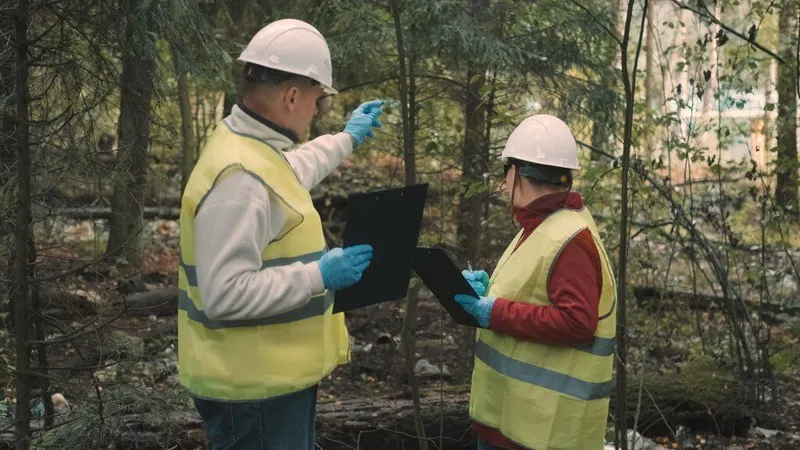
EPA Jobs Related to Lead Safety
Environmental Protection Agency jobs encompass a wide range of positions aimed at enforcing environmental laws, conducting research, and educating the public on environmental health risks. The following are some EPA roles focused on lead safety:
- Certified Lead Inspectors and Risk Assessors: These professionals conduct inspections to identify lead hazards and assess the associated risks.
- Lead-Safe Project Supervisors: Supervisors manage teams working with lead-based materials, ensuring all safety protocols are met.
- Outreach Coordinators: Educators responsible for increasing public awareness about the risks of lead exposure and promoting compliance with EPA regulations.
These jobs not only support EPA’s environmental goals but also offer professionals the opportunity to make a significant impact on public health. Certification for lead-related roles involves a series of courses and a final examination, covering best practices in lead hazard management and EPA standards.
Why Lead Paint Testing Contractors Are Essential
Lead paint testing contractors play a vital role in identifying and mitigating lead risks in older structures. These contractors, certified by the EPA, are trained to test, assess, and safely handle lead materials. Lead exposure can have severe health effects, making it crucial for contractors to follow EPA guidelines.
Benefits of employing certified lead paint contractors include:
- Regulatory Compliance: Certified contractors adhere to both federal and state guidelines, ensuring all work meets legal safety standards.
- Health Protection: Proper lead testing and removal practices help protect families, particularly children, from the harmful effects of lead poisoning.
- Professional Accountability: Certified contractors are trained in EPA-approved methods, maintaining industry standards for lead safety.
In properties built before 1978, hiring an EPA-certified contractor is essential to reduce the risk of lead exposure. By following EPA guidelines, contractors provide a safer environment for families and communities.
Contractors and Lead Test Requirements in Texas
In Texas, lead test requirements for contractors reflect both federal and state regulations. These requirements apply to professionals who work on residential or commercial properties likely to contain lead-based paint, ensuring comprehensive safety measures are in place.
Key requirements for Texas contractors include:
- EPA Certification: Contractors must pass the EPA’s lead-safe certification course and exam. This certification is required by the RRP Rule, covering proper containment, cleanup, and waste disposal methods.
- State-Mandated Safety Protocols: Texas has additional guidelines on worksite safety, including strict containment and disposal practices to limit lead contamination.
- Documentation and Reporting: Contractors must keep detailed records of lead testing and remediation activities, ensuring transparency and compliance with regulatory agencies.
Texas’ emphasis on lead safety highlights the state’s commitment to protecting public health. Compliance with these regulations is crucial for contractors, as failure to do so can result in fines and penalties.
The United States Environmental Protection Agency’s Lead-Safe Program
The United States Environmental Protection Agency administers a lead-safe certification program to educate contractors on safe lead handling techniques. The program includes:
- Certification and Training: Contractors complete a lead-safe training course and pass an exam to receive EPA certification.
- Public Education and Outreach: The EPA provides resources, such as brochures, videos, and online tools, to educate the public about lead risks.
- Enforcement of Lead Safety Standards: The EPA inspects worksites and monitors compliance to ensure certified contractors follow proper procedures.
The lead-safe program reinforces the EPA’s goal of reducing lead exposure in homes, schools, and other buildings, creating healthier environments for all. Certified contractors are integral to this initiative, helping the EPA achieve its mission of public health protection.

Conclusion
The EPA Certified Lead Contractors Test is a fundamental step in promoting lead safety across the United States. By certifying contractors who handle lead-based materials, the EPA ensures that communities are protected from lead contamination risks. This certification not only supports public health but also underscores the EPA’s mission to provide safer environments. Adhering to EPA and state-specific guidelines helps contractors avoid penalties and ensures lead hazards are managed responsibly.

- +Validates your knowledge and skills objectively
- +Increases job market competitiveness
- +Provides structured learning goals
- +Networking opportunities with other certified professionals
- −Study materials can be expensive
- −Exam anxiety can affect performance
- −Requires dedicated preparation time
- −Retake fees apply if you don't pass
Pros and Cons at a Glance
| Pros | Cons |
|---|---|
| Validates your knowledge and skills objectively | Study materials can be expensive |
| Increases job market competitiveness | Exam anxiety can affect performance |
| Provides structured learning goals | Requires dedicated preparation time |
| Networking opportunities with other certified professionals | Retake fees apply if you don't pass |
Sample EPA - Environmental Protection Agency Certified Lead Contractors Practice Questions
Try these questions from our free EPA - Environmental Protection Agency Certified Lead Contractors practice tests. The correct answer and an explanation follow each question.
Which OSHA standard establishes the permissible exposure limit (PEL) for lead in construction?
- A. 29 CFR 1910.1025
- B. 29 CFR 1926.62
- C. 40 CFR 745
- D. 29 CFR 1926.55
Answer: B. 29 CFR 1926.62
OSHA 29 CFR 1926.62 is the lead standard specifically for the construction industry, setting the PEL at 50 µg/m³ as an 8-hour time-weighted average.
Which materials are used for setting up containment barriers?
- A. Cloth curtains.
- B. Plastic sheeting and tape
- C. Aluminum foil.
- D. Wooden boards.
Answer: B. Plastic sheeting and tape
Containment barriers are crucial for preventing the spread of lead dust during renovation. Plastic sheeting is durable, inexpensive, and effective at creating an airtight seal when secured with tape, thereby isolating the work area and protecting surrounding surfaces from contamination. This method is standard practice for lead-safe work.
Who can perform lead-safe renovation work?
- A. Any construction worker.
- B. EPA-certified renovators and firms
- C. Property owners.
- D. Building inspectors.
Answer: B. EPA-certified renovators and firms
The EPA's Renovation, Repair, and Painting (RRP) Rule mandates that only EPA-certified renovators and firms can perform renovation, repair, and painting projects in pre-1978 homes where lead-based paint is disturbed. This requirement ensures that individuals and companies have received specific training on lead-safe work practices, protecting occupants and workers from lead hazards.
What must contractors keep after completing lead work?
- A. No records are needed.
- B. Training certificates and project documentation
- C. Only client invoices.
- D. Payroll sheets.
Answer: B. Training certificates and project documentation
EPA regulations require certified lead renovators and firms to maintain specific records for a set period after completing lead-related work. This documentation includes training certificates, lead-safe work practice records, and clearance testing results. These records demonstrate compliance with regulations, provide proof of proper procedures, and are essential for audits or legal inquiries.
Take the full EPA - Environmental Protection Agency Certified Lead Contractors practice test
(EPA) Environmental Protection Agency Certified Lead Contractors Questions and Answers
About the Author

Licensed Engineer & Construction Management Certification Expert
Georgia Institute of TechnologyDaniel Park is a licensed Professional Engineer and Certified Construction Manager with a BS in Civil Engineering from Georgia Tech. He has managed over $800 million in construction projects across commercial, infrastructure, and public works sectors. Daniel coaches engineers and project managers preparing for PE licensure, CCM, and construction management certification exams.
Join the Discussion
Connect with other students preparing for this exam. Share tips, ask questions, and get advice from people who have been there.
View discussion (8 replies)