

ESC Practice Test
Updated for October 2026Electrical Safety Certification is a critical aspect of ensuring safety and compliance in environments where electrical systems are in use. Whether it's for residential, commercial, or industrial purposes, electrical safety certification helps prevent accidents, injuries, and fatalities associated with electrical hazards. This guide will provide an overview of electrical safety certification, its importance, the process involved, and how it benefits professionals working in various electrical fields.
ESC Practice Test Questions
Prepare for the ESC - Electrical Safety Certification exam with our free practice test modules. Each quiz covers key topics to help you pass on your first try.
ESC Electrical Equipment Maintenance & Ins...
ESC Exam Questions covering Electrical Equipment Maintenance & Inspection. Master ESC Test concepts for certification prep.
ESC Electrical Hazard Identification & Ris...
Free ESC Practice Test featuring Electrical Hazard Identification & Risk Assessment. Improve your ESC Exam score with mock test prep.
ESC Emergency Response & Incident Management
ESC Mock Exam on Emergency Response & Incident Management. ESC Study Guide questions to pass on your first try.
ESC Arc Flash & PPE Selection
ESC Test Prep for ESC Arc Flash & PPE Selection. Practice ESC Quiz questions and boost your score.
ESC Electrical Grounding & Bonding
ESC Questions and Answers on ESC Electrical Grounding & Bonding. Free ESC practice for exam readiness.
ESC Lockout/Tagout (LOTO) Procedures
ESC Mock Test covering Lockout/Tagout (LOTO) Procedures. Online ESC Test practice with instant feedback.
ESC Materials Science & Specifications
Free ESC Quiz on Materials Science & Specifications. ESC Exam prep questions with detailed explanations.
ESC Project Scheduling & Resource Management
ESC Practice Questions for Project Scheduling & Resource Management. Build confidence for your ESC certification exam.
ESC Quality Control & Inspection Methods
ESC Test Online for Quality Control & Inspection Methods. Free practice with instant results and feedback.
Key Takeaways:
Free ESC Practice Test Online
- Electrical safety certification ensures compliance with national and international safety standards.
- It helps prevent electrical hazards and enhances workplace safety.
- Certified professionals are recognized for their expertise in maintaining safe electrical systems.
- The certification process involves training, examinations, and hands-on evaluations.
- Electrical safety certification is beneficial for career growth and job opportunities.
Understanding Electrical Safety Certification
Electrical safety certification verifies that an individual or organization is equipped with the knowledge and skills to ensure electrical systems are safely installed, maintained, and operated. It encompasses guidelines that meet the requirements of regulatory bodies such as the Occupational Safety and Health Administration (OSHA), National Electrical Code (NEC), and other safety standards worldwide.
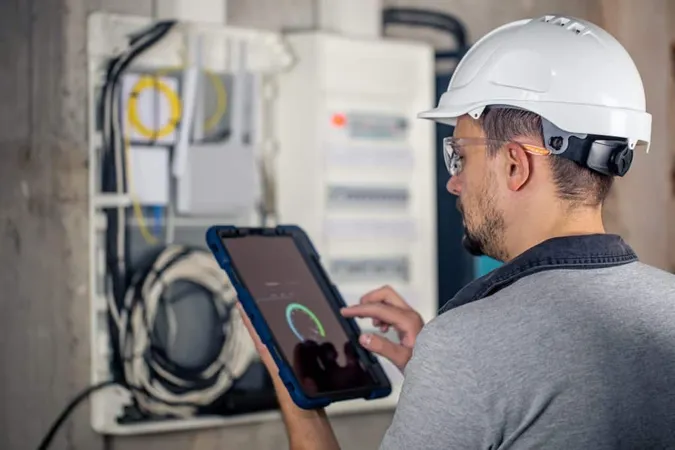
Why Electrical Safety Certification is Important
The importance of electrical safety certification cannot be overstated. Electrical systems, if improperly installed or maintained, can pose significant risks, including electrical fires, shocks, and even fatalities. Certification ensures that professionals are well-versed in risk mitigation practices, proper installation techniques, and emergency protocols. For companies, having certified professionals on-site ensures compliance with regulatory standards, protecting both employees and property.
The Certification Process: What to Expect
The process for obtaining electrical safety certification typically involves:
Training: Candidates undergo extensive coursework that covers electrical theory, safety regulations, and practical skills.
Examinations: After completing training, candidates must pass written and practical exams to demonstrate their understanding of electrical safety.
Hands-on Evaluation: Certification often requires candidates to show competence by performing tasks safely under supervision.
Recertification: To maintain certification, professionals must complete continuing education or recertification exams periodically.
Benefits of Electrical Safety Certification
Certification offers several advantages to professionals and organizations:
- Career Advancement: Certified professionals are more likely to secure higher-paying jobs and promotions.
- Employer Trust: Certification demonstrates expertise, boosting employer confidence in a worker’s ability to handle complex electrical systems safely.
- Legal Compliance: It ensures compliance with safety regulations, helping avoid legal issues.
- Improved Safety Records: Workplaces with certified professionals have a reduced risk of electrical accidents, enhancing overall safety.
Types of Electrical Safety Certifications
There are various certifications available for electrical professionals, including:
Certified Electrical Safety Compliance Professional (CESCP): Focuses on electrical safety compliance and risk management.
National Electrical Code (NEC) Certification: Validates knowledge of the latest NEC standards for electrical installations.
Certified Industrial Electrician (CIE): Targets industrial electricians with specialized skills in heavy electrical systems and machinery.
Master Electrician Certification: An advanced certification for experienced electricians who oversee large projects and supervise other electrical workers.

Conclusion
Electrical safety certification is an essential qualification for professionals who work with electrical systems. It ensures safety, compliance, and effective risk management, providing valuable benefits to both workers and employers. Whether you're an electrician or a business owner, obtaining certification will not only help you comply with safety standards but also enhance your career prospects and ensure the well-being of those around you.
ESC: Pros and Cons
- +ESC certification validates expertise recognized by employers nationwide
- +Certified professionals typically earn 15-20% higher salaries
- +Opens doors to advanced positions and leadership roles
- +Demonstrates commitment to professional standards and ethics
- +Builds a strong professional network through certification communities
- −Exam preparation typically requires 2-4 months of dedicated study
- −Certification and exam fees can range from $150-$500+
- −Must complete continuing education to maintain active certification
- −Pass rates vary — thorough preparation is essential for success
- −Some certifications require prerequisite experience or education
Pros and Cons at a Glance
| Pros | Cons |
|---|---|
| ESC certification validates expertise recognized by employers nationwide | Must complete continuing education to maintain active certification |
| Opens doors to advanced positions and leadership roles | Pass rates vary — thorough preparation is essential for success |
| Demonstrates commitment to professional standards and ethics | Some certifications require prerequisite experience or education |
Sample Electrical Safety Certification Practice Questions
Try these questions from our free Electrical Safety Certification practice tests. The correct answer and an explanation follow each question.
Who is defined as an 'authorized employee' under OSHA's lockout/tagout standard?
- A. Any employee working near the equipment
- B. A person who locks or tags machines and performs the servicing
- C. A manager who approves the LOTO permit
- D. An employee who has been notified of the LOTO procedure
Answer: B. A person who locks or tags machines and performs the servicing
An authorized employee is the worker who implements the energy control procedure by applying lockout or tagout devices and performs the servicing or maintenance.
A technician performing maintenance on a distribution transformer measures insulation resistance. Which test method applies a stepped voltage to evaluate insulation condition over time?
- A. Polarization Index (PI) test
- B. Dielectric absorption ratio (DAR) test
- C. Step voltage test
- D. Hipot (high-potential) test
Answer: C. Step voltage test
The step voltage test applies progressively increasing voltages to identify insulation weaknesses that would not be detected at a single test voltage.
How should a worker respond to an electrical hazard that cannot be immediately fixed?
- A. Ignore the hazard until the next shift
- B. Alert the team and ensure proper signage is placed
- C. Attempt to fix the hazard without proper tools
- D. Continue working around the hazard
Answer: B. Alert the team and ensure proper signage is placed
When an electrical hazard cannot be immediately fixed, the priority is to prevent others from encountering it. Alerting the team ensures awareness, while placing proper signage, such as 'Danger - Electrical Hazard' or 'Do Not Operate' tags, clearly warns personnel and helps isolate the area until qualified personnel can address the issue safely.
How should a ESC professional handle a situation where quality control & inspection methods protocols conflict with practical constraints?
- A. Always ignore the protocols in favor of practicality
- B. Document the conflict and seek guidance from appropriate authorities
- C. Make a unilateral decision without consultation
- D. Avoid addressing the conflict entirely
Answer: B. Document the conflict and seek guidance from appropriate authorities
When protocols conflict with practical constraints, the professional approach is to document the conflict and seek guidance, ensuring transparency and compliance while working toward a resolution.
(ESC) Electrical Safety Certification Questions and Answers
About the Author

Certified Safety Professional & OSHA Compliance Expert
Indiana University of Pennsylvania Safety SciencesDr. William Foster holds a PhD in Safety Science from Indiana University of Pennsylvania and is a Certified Safety Professional (CSP) and Certified Hazardous Materials Manager. With 20 years of occupational health and safety management experience across construction, manufacturing, and chemical industries, he coaches safety professionals through OSHA certification, CSP, CHST, and safety management licensing programs.
Join the Discussion
Connect with other students preparing for this exam. Share tips, ask questions, and get advice from people who have been there.
View discussion (8 replies)