

DVM Practice Test
Updated for October 2026DVM 360
The first step in becoming a veterinarian is to complete an undergraduate degree at a four-year school. You should take courses that include chemistry, biology, zoology, physics, microbiology, and anatomy. These prerequisites will help you pass the veterinary school admission exam. You should also try to get as much experience as possible with animals and in the veterinary industry.
During the second year of veterinary school, students will be required to participate in a research project. The projects can range from conducting a literature review to working on a clinical case study. Ross Vet has several labs where students can work on these projects.
Veterinary medicine is a field that requires compassion, decisiveness, and manual dexterity. The ability to communicate clearly is essential, as well. You should also be able to think critically and analyze situations. This will allow you to provide the best care for your patients. Veterinary medicine also involves extensive travel, so you should be able to handle long periods of time away from home. In addition, it’s important to have good leadership skills and be able to work in teams.

DVM Practice Test Questions
Prepare for the DVM - Doctor of Veterinary Medicine exam with our free practice test modules. Each quiz covers key topics to help you pass on your first try.
DVM Anesthesia and Pain Management
DVM Exam Questions covering Anesthesia and Pain Management. Master DVM Test concepts for certification prep.
DVM Anesthesia and Surgical Principles
Free DVM Practice Test featuring Anesthesia and Surgical Principles. Improve your DVM Exam score with mock test prep.
DVM Clinical Pathology and Diagnostics
DVM Mock Exam on Clinical Pathology and Diagnostics. DVM Study Guide questions to pass on your first try.
DVM Doctor of Veterinary Medicine Anesthes...
DVM Test Prep for Doctor of Veterinary Medicine Anesthesia and Pain Management. Practice DVM Quiz questions and boost your score.
DVM Doctor of Veterinary Medicine Clinical...
DVM Questions and Answers on Doctor of Veterinary Medicine Clinical Pathology and Diagnostics. Free DVM practice for exam readiness.
DVM Doctor of Veterinary Medicine Diagnost...
DVM Mock Test covering Doctor of Veterinary Medicine Diagnostic Imaging Interpretation. Online DVM Test practice with instant feedback.
DVM Doctor of Veterinary Medicine Large An...
Free DVM Quiz on Doctor of Veterinary Medicine Large Animal Surgery. DVM Exam prep questions with detailed explanations.
DVM Doctor of Veterinary Medicine MCQ
DVM Practice Questions for Doctor of Veterinary Medicine MCQ. Build confidence for your DVM certification exam.
DVM Doctor of Veterinary Medicine Small An...
DVM Test Online for Doctor of Veterinary Medicine Small Animal Internal Medicine. Free practice with instant results and feedback.
DVM Doctor of Veterinary Medicine Veterina...
DVM Study Material on Doctor of Veterinary Medicine Veterinary Pharmacology and Therapeutics. Prepare effectively with real exam-style questions.
DVM Doctor of Veterinary Medicine Zoonotic...
Free DVM Test covering Doctor of Veterinary Medicine Zoonotic Diseases and Public Health. Practice and track your DVM exam readiness.
DVM Exotic Animal and Avian Medicine
DVM Exam Questions covering Exotic Animal and Avian Medicine. Master DVM Test concepts for certification prep.
DVM General Practice
Free DVM Practice Test featuring General Practice. Improve your DVM Exam score with mock test prep.
DVM Large Animal Medicine
DVM Mock Exam on Large Animal Medicine. DVM Study Guide questions to pass on your first try.
DVM Large Animal Surgery
DVM Test Prep for Large Animal Surgery. Practice DVM Quiz questions and boost your score.
DVM Preventive Medicine and Zoonoses
DVM Questions and Answers on Preventive Medicine and Zoonoses. Free DVM practice for exam readiness.
DVM Reproductive Medicine and Theriogenology
DVM Mock Test covering Reproductive Medicine and Theriogenology. Online DVM Test practice with instant feedback.
DVM Zoonotic Diseases and Public Health
DVM Practice Questions for Zoonotic Diseases and Public Health. Build confidence for your DVM certification exam.
DVM Doctor of Veterinary Medicine
DVM Test Online for Doctor of Veterinary Medicine. Free practice with instant results and feedback.
DVM Doctor of Veterinary Medicine Trivia
DVM Study Material on Doctor of Veterinary Medicine Trivia. Prepare effectively with real exam-style questions.
DVM Doctor of Veterinary Medicine Anesthes...
Free DVM Test covering Doctor of Veterinary Medicine Anesthesia and Surgical Principles. Practice and track your DVM exam readiness.
VMD vs DVM
When you take your pet to the veterinarian, you may notice a series of letters after their name. These initials are indications of the veterinary school that they attended and their area of specialty. Veterinarians have a unique career that requires both in-depth knowledge of animal sciences and strong people skills. They work in a variety of settings, including private practice, animal shelters, and zoos. In addition, they can also work in research and education.
It takes a minimum of eight years to get a veterinary degree in the United States. This includes four years of undergraduate study and four more at a veterinary school. While this is an extensive amount of time, it can provide excellent opportunities for veterinary careers. However, you can also consider other degrees that are available. These include the BVMS (Bachelor of Veterinary Medicine and Surgery) program, which is offered in some universities. This program emphasizes animal science and husbandry and provides students with practical training. There are also several other veterinary specializations, such as dermatology and ophthalmology, that offer additional training.
DVM License California
The practice of veterinarian medicine is an extremely complex and challenging task that requires a very special skill set and commitment to care. State law has long recognized this fact and imposes licensing requirements that are difficult to meet. These regulations are typically designed to protect the public from improper and dangerous activities carried out by veterinary doctors.
To be eligible to apply for a license in California, a prospective veterinarian must have graduated from an accredited veterinary college. Alternatively, the applicant may have completed an equivalent program of education and experience that is approved by the board. In addition, the candidate must pass an examination regarding the statutes and regulations of the veterinary medical board.
Applicants must also disclose all states, Canadian provinces and United States territories in which they are currently or have ever held a license to practice veterinary medicine. Failure to do so could result in a denial of a license. The board must also review any disciplinary or enforcement history of the potential veterinarian in each jurisdiction before making a decision.
DVM Questions and Answers
A veterinarian (vet) is a physician who practices veterinary medicine. They treat a variety of health issues and injuries in nonhuman animals. In addition, veterinarians play a role in animal reproduction, health management, conservation, husbandry, breeding, preventive medicine such as nutrition, vaccination, parasite control, biosecurity, and zoonotic disease surveillance and prevention.
The DVM, or Doctor of Veterinary Medicine, is required to become a veterinarian. The duration of a DVM program is normally four years, and it includes extensive training in animal sciences. You can also master medical skills with an emphasis on their application to non-human animal kingdom members. Continue reading for more information about DVM degree programs.
The completion of a Doctor of Veterinary Medicine (DVM) degree normally takes four years. It is a curriculum leading to a professional degree that prepares students to become veterinarians. During these four years, students engage in a comprehensive program that combines classroom education with clinical practice. The curriculum includes animal anatomy, physiology, pathology, pharmacology, surgery, and diagnostics. Graduates of the four-year DVM program are eligible to pursue licensure and begin their careers as veterinarians upon completion.
Steps to becoming a veterinarian:
- Get a BSc.- After high school, get a Bachelor of Science in chemistry, biology, animal biology, zoology, or other science. Most four-year undergraduate programs include veterinary-preparation studies. To prepare for vet school after college, check with veterinary institutions for required courses.
- Vet school- Applying to a recognized veterinary school is the next step to becoming a vet. A Doctor of Veterinary Medicine requires four years of education and clinical experience in most vet institutions (DVM). Pass the North American Veterinary Licensing Examination (NAVLE) to graduate. Some veterinary schools require aspiring veterinarians to work at veterinary clinics or animal shelters, farms, or stables.
- Get licensed- Apply for licensure in your state after earning your DVM. The American Association of Veterinary State Boards-supported certification exam required (AAVSB). Independent study and veterinary school can prepare you for the exam.
- Intern- After licensing, many veterinarians intern with a veteran. New veterinarians can practice under supervision before beginning a practice or operating independently. Most internships last a year and teach new vets about the administrative, business, and operational side of veterinary practice.
- Specialize.- Veterinarians can specialize in anesthesia and surgery like doctors. Vets can study over 40 animal care and medical specialties. Depending on the field, specialized programs take two to three years.
- Get board-certified- Finally, some veterinarians choose board certification. Veterinarians who pass a tough exam are board-certified. Each specialty’s organization certifies. Veterinarians need not be board-certified.
The Doctor of Veterinary Medicine (DVM) is a six-year graduate degree program with a two-year pre-vet and four-year vet curriculum.


DVM: Pros and Cons
- +doctor of veterinary medicine — dVM credential is recognized by employers and industry professionals
- +Higher earning potential compared to non-credentialed peers
- +Expanded career opportunities and professional advancement
- +Structured learning path builds comprehensive knowledge
- +Professional development that stays current with industry standards
- −Preparation requires significant time and study commitment
- −Associated costs for exams, materials, and renewal fees
- −Continuing education needed to maintain credentials
- −Competition for advanced positions can be challenging
- −Requirements and standards may vary by state or region
About the Author
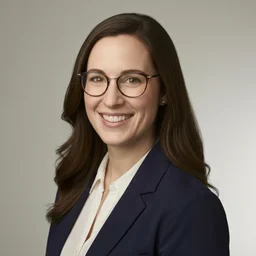
Registered Nurse & Healthcare Educator
Johns Hopkins University School of NursingDr. Sarah Mitchell is a board-certified registered nurse with over 15 years of clinical and academic experience. She completed her PhD in Nursing Science at Johns Hopkins University and has taught NCLEX preparation and clinical skills courses for nursing students across the United States. Her research focuses on evidence-based exam preparation strategies for healthcare certification candidates.
Join the Discussion
Connect with other students preparing for this exam. Share tips, ask questions, and get advice from people who have been there.
View discussion (9 replies)