
Cosmetology Clipart: Where to Find, License, and Use Beauty School Graphics in 2026 October
🎓 Find royalty-free cosmetology clipart for school projects, study guides, salon flyers, and license prep. Best sources, licensing rules, and design tips.

Searching for cosmetology clipart usually starts the same way: a student types "cosmetology school near me" into Google, lands on an assignment, and suddenly needs a scissors icon, a blow dryer graphic, or a tidy salon chair illustration for a presentation, flyer, or study sheet. Whether you are a beauty school instructor building handouts, a salon owner designing a price list, or a future cosmetologist creating a portfolio, the right clipart turns a plain page into something that actually looks like it belongs in a beauty business.
Cosmetology clipart is more than decoration. Good visuals reinforce learning, help visual learners memorize anatomy diagrams, and make state board study guides easier to scan during a quick review. In fact, beauty programs that integrate consistent iconography in their workbooks tend to report higher engagement, because the brain processes pictures roughly 60,000 times faster than text. That is why instructors lean on clipart when teaching scalp anatomy, color wheels, sanitation procedures, and tool identification.
This guide covers everything you need to know about sourcing, licensing, editing, and using cosmetology clipart legally and professionally in 2026. We will compare free and paid libraries, explain what royalty-free actually means, walk through the most useful categories of beauty graphics, and show you how to combine clipart with your study materials so you remember more on exam day. If you are still picking a school, you can also explore how long is cosmetology school before investing in design tools you may not need yet.
You will also find practical advice on which file types print cleanly on salon menus, which formats scale up for trade-show banners without pixelating, and which sites are safe to use commercially without risking a copyright strike. We will flag common mistakes, like grabbing a Pinterest image and assuming it is free, or using a Disney-style cartoon stylist on a paid flyer.
Beauty educators, salon marketers, esthetics students, barbering instructors, and content creators on TikTok and Instagram all use the same core categories of cosmetology graphics: hair tools, color charts, skin diagrams, nail shapes, sanitation icons, and professional portraits. By the end of this article, you will know exactly where to grab high-quality assets in each of those categories and how to plug them into Canva, Google Slides, PowerPoint, Word, or your favorite design tool.
The cosmetology cosmetologist community has grown into one of the largest creative trades in the United States, with roughly 717,000 licensed professionals nationwide. That demand pushes designers to release more beauty-themed assets every month, which is great news for anyone building a brand, a study deck, or a classroom curriculum. Let us start with the numbers behind the clipart economy and then move into where to actually download it.
One last note before we dive in: this article is written for US-based students and professionals, so all licensing references reflect United States copyright law. If you are outside the US, the general principles still apply, but specific commercial-use terms may differ on a site-by-site basis.
Cosmetology Clipart by the Numbers

Top Sources for Cosmetology Clipart
Built-in beauty templates and editable cosmetology icons. Free tier covers most student projects; Pro unlocks premium salon-themed graphics and brand kits for consistent flyer design.
Massive library of vector and PNG cosmetology clipart. Free downloads require attribution; Premium removes that and unlocks high-resolution AI, EPS, and SVG files for print.
Independent designers sell themed bundles: pink scissors, watercolor blow dryers, line-art lashes. One-time purchase, commercial license included, perfect for salon branding.
Premium boutique assets curated by professional illustrators. Higher price, but the quality and uniqueness make these graphics stand out for salons and beauty influencers.
Icon-focused library with thousands of cosmetology-related glyphs. Great for clean, minimalist study guides, infographics, and digital lesson plans across mobile and desktop.
Cosmetology clipart breaks down into a handful of dominant categories, and knowing which one you actually need saves hours of searching. The biggest categories are hair tools, hair color, skincare, nails, makeup, sanitation and infection control, anatomy diagrams, and salon scene illustrations. Each one supports a different teaching or marketing goal, so you should match the style to your audience rather than grabbing whatever looks cute.
Hair tool clipart is the most-downloaded category overall. Think shears, thinning scissors, blow dryers, curling irons, flat irons, combs, brushes, rollers, and capes. Beauty programs lean on these for tool-identification quizzes, equipment safety lessons, and chapter intros in textbooks. Most students preparing for the ohio state board of cosmetology exam will see versions of these tools on practice tests, so building flashcards with consistent icons trains visual recall.
Hair color clipart includes color wheels, level charts (1–10), swatch books, tint brushes, foiling tools, and bottle illustrations. These graphics matter because color theory is one of the most heavily tested chapters on every state licensing exam. A well-designed color wheel that uses warm and cool tones with clear labels can replace an entire page of dense text in a study guide.
Skincare and esthetics clipart covers facial diagrams, skin layer cross-sections, acne types, extraction tools, masks, serums, and steamers. Estheticians and dual-licensed cosmetologists rely on these heavily. The skin anatomy illustrations are particularly valuable because they double as memorization aids for the epidermis, dermis, and subcutaneous layers, all of which appear on board exams.
Nail clipart spans nail shapes (square, round, almond, coffin, stiletto), nail anatomy (matrix, lunula, cuticle, free edge), polish bottles, files, drills, and gel lamps. Sanitation clipart includes disinfectant jars, autoclaves, gloves, masks, and Barbicide containers. These two categories are non-negotiable for anyone teaching infection control, which is the single most-failed section on many state board written exams.
Salon scene clipart shows full environments: stylist stations, shampoo bowls, reception desks, mirror lighting. These work best for marketing materials, school brochures, and trifold pamphlets. They feel less academic and more aspirational, which is exactly what a recruitment flyer or open-house invitation needs.
Finally, character clipart shows cosmetologists and clients in action. Choose diverse, realistic-looking characters when possible, especially for school marketing where representation directly affects enrollment from underrepresented communities. Cartoon characters work fine for kids' coloring pages and elementary-level career-day materials, but avoid them for professional flyers.

Cosmetology Practice Test Questions
Prepare for the Cosmetology Test exam with our free practice test modules. Each quiz covers key topics to help you pass on your first try.
Cosmetology Test Anatomy and Physiology
Cosmetology Exam Questions covering Test Anatomy and Physiology. Master Cosmetology Test concepts for certification prep.
Cosmetology Test Business and Career Manag...
Free Cosmetology Practice Test featuring Test Business and Career Management. Improve your Cosmetology Exam score with mock test prep.
Cosmetology Test Chemical Texture Services
Cosmetology Mock Exam on Test Chemical Texture Services. Cosmetology Study Guide questions to pass on your first try.
Cosmetology Test Haircolor and Lightening
Cosmetology Test Prep for Test Haircolor and Lightening. Practice Cosmetology Quiz questions and boost your score.
Cosmetology Test Haircutting and Styling
Cosmetology Questions and Answers on Test Haircutting and Styling. Free Cosmetology practice for exam readiness.
Cosmetology Test Infection Control and Safety
Cosmetology Mock Test covering Test Infection Control and Safety. Online Cosmetology Test practice with instant feedback.
Cosmetology Test Nail Care and Procedures
Free Cosmetology Quiz on Test Nail Care and Procedures. Cosmetology Exam prep questions with detailed explanations.
Cosmetology Test Nail Care and Services
Cosmetology Practice Questions for Test Nail Care and Services. Build confidence for your Cosmetology certification exam.
Cosmetology Test Principles of Skin Care
Cosmetology Test Online for Test Principles of Skin Care. Free practice with instant results and feedback.
Cosmetology Test Scientific Concepts
Cosmetology Study Material on Test Scientific Concepts. Prepare effectively with real exam-style questions.
Cosmetology Test Skincare and Services
Free Cosmetology Test covering Test Skincare and Services. Practice and track your Cosmetology exam readiness.
Cosmetology Test Wigs, Hair Extensions, an...
Cosmetology Exam Questions covering Test Wigs, Hair Extensions, and Hair Additions. Master Cosmetology Test concepts for certification prep.
Cosmetology Administrative Rules
Free Cosmetology Practice Test featuring Administrative Rules. Improve your Cosmetology Exam score with mock test prep.
Cosmetology On Hair & Scalp Properties
Cosmetology Mock Exam on On Hair & Scalp Properties. Cosmetology Study Guide questions to pass on your first try.
Cosmetology
Cosmetology Test Prep for Cosmetology. Practice Cosmetology Quiz questions and boost your score.
Cosmetology Clipart Licensing Explained
Public domain clipart can be used for anything: school projects, salon flyers, websites, even resale, with no attribution required. Sites like Pixabay, Unsplash, and openclipart.org host genuine public-domain or CC0 cosmetology graphics. Quality varies, but the legal risk is essentially zero, making these libraries the safest starting point for students working on assignments or instructors building free handouts.
The catch is selection. Beauty-specific public-domain assets are limited, and styles often clash when mixed. Expect to spend more time hunting for the right scissors or blow dryer that matches your other graphics. Public-domain assets are also commonly used, so your flyer or slide deck may end up looking like dozens of others online if you do not customize colors or layouts.
Free vs Paid Cosmetology Clipart: Which Should You Use?
- +Free libraries cost nothing and work for quick school projects
- +Public-domain assets carry zero legal risk for any use case
- +Canva free tier includes thousands of editable beauty templates
- +Flaticon and Pixabay update inventories weekly with new beauty icons
- +Most free sites offer PNG with transparent backgrounds, perfect for layering
- +You can mix free assets into Google Slides or PowerPoint instantly
- −Free graphics often appear on competitor websites and feel generic
- −Many free sites require attribution, which clutters professional designs
- −Resolution is sometimes too low for printed salon banners or posters
- −Style inconsistency across free assets creates messy-looking final designs
- −Premium-quality vector formats (SVG, EPS, AI) are usually paywalled
- −Commercial-use rights on free libraries can be revoked without notice
Pros and Cons at a Glance
| Pros | Cons |
|---|---|
| Free libraries cost nothing and work for quick school projects | Free graphics often appear on competitor websites and feel generic |
| Public-domain assets carry zero legal risk for any use case | Many free sites require attribution, which clutters professional designs |
| Canva free tier includes thousands of editable beauty templates | Resolution is sometimes too low for printed salon banners or posters |
| Flaticon and Pixabay update inventories weekly with new beauty icons | Style inconsistency across free assets creates messy-looking final designs |
| Most free sites offer PNG with transparent backgrounds, perfect for layering | Premium-quality vector formats (SVG, EPS, AI) are usually paywalled |
| You can mix free assets into Google Slides or PowerPoint instantly | Commercial-use rights on free libraries can be revoked without notice |

Cosmetology Clipart Checklist for Students
- ✓Confirm the asset is licensed for commercial use if you plan to sell anything
- ✓Download SVG or EPS files when you need to resize without quality loss
- ✓Use PNG with transparent backgrounds for layering over photos and colors
- ✓Pick a consistent illustration style (flat, line, watercolor) for the entire project
- ✓Match clipart colors to your salon brand palette using hex codes
- ✓Add alt text to every web image so screen readers describe the cosmetology visual
- ✓Compress large PNG files with TinyPNG before uploading to your school portal
- ✓Credit the artist when the license requires attribution, even if it feels optional
- ✓Keep a folder of approved assets so you stop re-downloading the same graphics
- ✓Avoid Pinterest screenshots, which almost always violate the original copyright
Build a single icon library you reuse every semester
The instructors with the cleanest-looking handouts pick one cohesive icon set early and reuse it across every chapter, quiz, and announcement for the entire program. This visual consistency improves student recall by up to 30 percent and signals professionalism that translates directly to higher course evaluations and stronger school reputation.
Once you have your clipart sorted, the real value comes from how you integrate it into study materials. Pure decoration wastes the visual; intentional placement reinforces learning. The most effective study guides pair every key term with a related icon, repeat that icon every time the term appears, and use it again on the matching practice quiz. This is called dual coding, and cognitive science research has shown it improves recall by 30 to 50 percent compared to text-only review.
Start by mapping your study guide chapters to clipart categories. Chapter on hair structure? Use the same hair-follicle diagram every time. Chapter on chemical texture services? Use the same perm-rod icon. Chapter on sanitation? Use the same Barbicide jar. Repetition trains pattern recognition, and pattern recognition is exactly what helps you answer multiple-choice questions quickly on exam day.
Flashcards are another high-use use case. Apps like Anki, Quizlet, and Brainscape let you attach images to digital cards. Take a clean PNG of a cosmetology tool, drop it on the front of the card, and put the name and use on the back. Within two weeks of daily review, most students can identify every major salon tool in under three seconds, which is a huge advantage on the practical state board exam.
Mind maps benefit too. If you are studying for the written exam, sketch a central concept (e.g., "infection control") and branch out using small icons for each subtopic: gloves for PPE, autoclave for sterilization, EPA logo for disinfectants, hands for hand washing. This non-linear structure mirrors how the brain actually stores information, which is why mind-mapping is one of the most-recommended study techniques in adult education.
If you are still budgeting for your education, the cost of clipart is trivial compared to tuition. To put it in perspective, learn how much is cosmetology school before you spend hours hunting for the perfect free vector when a $15 Etsy bundle would have saved you the time and given you a more professional result. Treat clipart as a tool, not a hobby.
Finally, do not forget accessibility. When you publish study materials online or share PDFs with classmates, add alt text to every image. A screen-reader user studying for the same exam should be able to follow your guide as easily as a sighted student. Alt text like "diagram of hair follicle with bulb, papilla, and arrector pili muscle labeled" takes 10 seconds to write and helps everyone, including search engines that may index your content.
One overlooked benefit of clipart-heavy study materials: they are far more shareable. A clean, visually rich study sheet is the kind of thing classmates screenshot and pass around, which means more eyes on your work, more feedback, and often more collaboration opportunities heading into the licensing exam.
Grabbing clipart from a Google image search or Pinterest is the single fastest way to land yourself with a takedown notice or, worse, a settlement letter from a stock-photo enforcement firm like Getty or PicRights. These letters typically demand $750 to $1,500 per image. Always download from a source where you can verify the license, and keep a screenshot of the license terms in case you need to prove your rights later.
Salon marketing is where cosmetology clipart truly earns its keep. Walk into any successful boutique salon and you will see consistent iconography on the menu, the price list, the social media grid, the welcome sign, and the loyalty cards. That visual consistency builds trust, signals professionalism, and makes the salon memorable in a crowded market where the average client decides within seven seconds whether a salon "feels right."
Start with your service menu. Replace the generic dollar-sign bullets with a small relevant icon next to each service: scissors for haircut, droplet for treatment, sparkle for highlights, lipstick for makeup, hand for manicure. This tiny visual change makes the menu scannable in 10 seconds instead of 60, which directly increases the chance a walk-in books a service before getting distracted by their phone.
Loyalty cards and punch cards benefit from clipart too. A simple, branded scissors-icon punch card outperforms a plain text card in retention studies because clients are subconsciously reminded of your salon every time they pull out their wallet. Order 500 cards from Vistaprint or Moo for under $50, slap a custom illustrated icon on it, and watch repeat visits climb.
Social media is the other huge use case. Instagram and TikTok beauty accounts that use consistent branded graphics see roughly 23 percent higher engagement than accounts that mix random styles. Build a Canva template with your salon colors and three or four custom clipart icons, then reuse that template for every post: before-and-afters, service announcements, holiday hours, and educational tips.
For salon owners managing licensing requirements, do not let design tasks distract you from administrative deadlines like online cosmetology school renewal paperwork, continuing education hours, and insurance updates. Schedule clipart and marketing projects on slow days only, never during exam-prep or renewal windows when your full attention belongs elsewhere.
Print marketing still matters in 2026. Brochures handed to walk-ins, flyers posted in nearby coffee shops, and trifolds left at hotel concierge desks all convert at higher rates than equivalent digital ads in many local markets. Make sure your print clipart is 300 DPI minimum and uses CMYK color mode so what you see on screen matches what you get from the printer.
Lastly, do not overlook the storefront window. A vinyl-cut decal of your logo plus three or four service icons (cut, color, nails, brows) can drive 15 to 25 percent more walk-in traffic compared to a window with text only. Local sign shops will print a 24-inch decal from your SVG file for $40 to $80, making it one of the highest-ROI uses of cosmetology clipart you will ever invest in.
Pulling it all together is the difference between collecting clipart and actually using it well. The students and salon owners who get the most out of beauty graphics treat them like inventory: organized in clearly labeled folders, named consistently, and stored in a single cloud location like Google Drive or Dropbox that the whole team or study group can access on any device.
A simple folder structure works wonders. Try this: top-level folder called "Cosmetology Assets," subfolders for Hair, Color, Skin, Nails, Sanitation, Anatomy, Salon Scenes, and Characters. Inside each subfolder, name files descriptively like "shears-flat-black-svg" or "color-wheel-12-tone-png." When a deadline hits at midnight, you will thank yourself for spending 20 minutes on file naming three months earlier.
Build a personal style guide too. Pick two to three illustration styles that work together (for example, flat color icons plus line-art accents), three to five brand colors with hex codes, and one or two fonts. Stick with these choices for an entire semester or marketing campaign. Consistency is what separates amateur-looking projects from work that genuinely looks polished and professional.
If you are still in beauty school, start now even if you do not have a salon yet. Use real services in your portfolio mockups, design fake price menus for fake salons, and build mock social media grids. This is the exact portfolio work hiring salons want to see during interviews, and it doubles as practice for the day you open your own chair, suite, or full salon.
For instructors, encourage your students to share their clipart finds in a class Slack, Discord, or Google Drive. A shared library grows fast, levels the playing field for students who cannot afford premium subscriptions, and gives the whole class a consistent visual vocabulary. Programs that do this report stronger group projects, higher engagement, and cleaner-looking final portfolios.
Stay current too. The beauty industry evolves quickly, and so does the clipart that represents it. New trending services (silk press, Brazilian blowout, lash lift, brow lamination, gua sha facials) need their own icons. Set a reminder to refresh your library every three to six months so your visuals never look dated compared to what clients see on TikTok or Instagram.
Finally, remember that clipart is a tool, not the point. The point is to teach better, market better, and build a stronger beauty business. The cleanest icon set in the world will not save a poorly written study guide or a salon with inconsistent service quality. Use clipart to amplify already-strong content, and you will see real results in your grades, your client retention, and your bottom line.
Sample Cosmetology Test Practice Questions
Try these questions from our free Cosmetology Test practice tests. The correct answer and an explanation follow each question.
If an establishment moves, the licensee is required to file for a new establishment license and ensure that the new location complies with the Act's and this chapter's requirements. In accordance with the Act, a relocated beauty culture school must also be inspected before opening. Mobile shops are exempt from this subsection's restrictions.
- A. False
- B. True
Answer: B. True
This statement is true. When an establishment moves, the licensee must apply for a new license for the new location and ensure it meets all regulatory requirements. Relocated beauty culture schools also require re-inspection before opening to verify compliance. Mobile shops are typically exempt from these specific relocation inspection rules due to their nature.
A person with a license that is inactive may nevertheless engage in cosmetology as permitted by that license.
- A. False
- B. True
Answer: A. False
This statement is false. An inactive license means the individual is not authorized to practice cosmetology services. To legally engage in cosmetology, a license must be active and current. Practicing with an inactive license can result in penalties, fines, or further disciplinary action from the licensing board.
Which of the following continuing education topics is most commonly required for cosmetology license renewal?
- A. Business marketing strategies
- B. HIV/AIDS awareness and bloodborne pathogens
- C. Advanced color theory
- D. Social media for salons
Answer: B. HIV/AIDS awareness and bloodborne pathogens
Many states mandate HIV/AIDS awareness and bloodborne pathogen training as part of continuing education for cosmetology license renewal due to public health requirements.
What does a 'restricted license' in cosmetology typically indicate?
- A. The licensee may only work in rural areas
- B. The licensee is permitted to perform only specific services or work in limited settings
- C. The license is valid only during daytime hours
- D. The licensee must pay higher annual fees
Answer: B. The licensee is permitted to perform only specific services or work in limited settings
A restricted license limits the scope of services a cosmetologist may legally perform, often due to incomplete training in certain areas.
Cosmetology Questions and Answers

Board of Barbering and Cosmetology: What State Boards Do
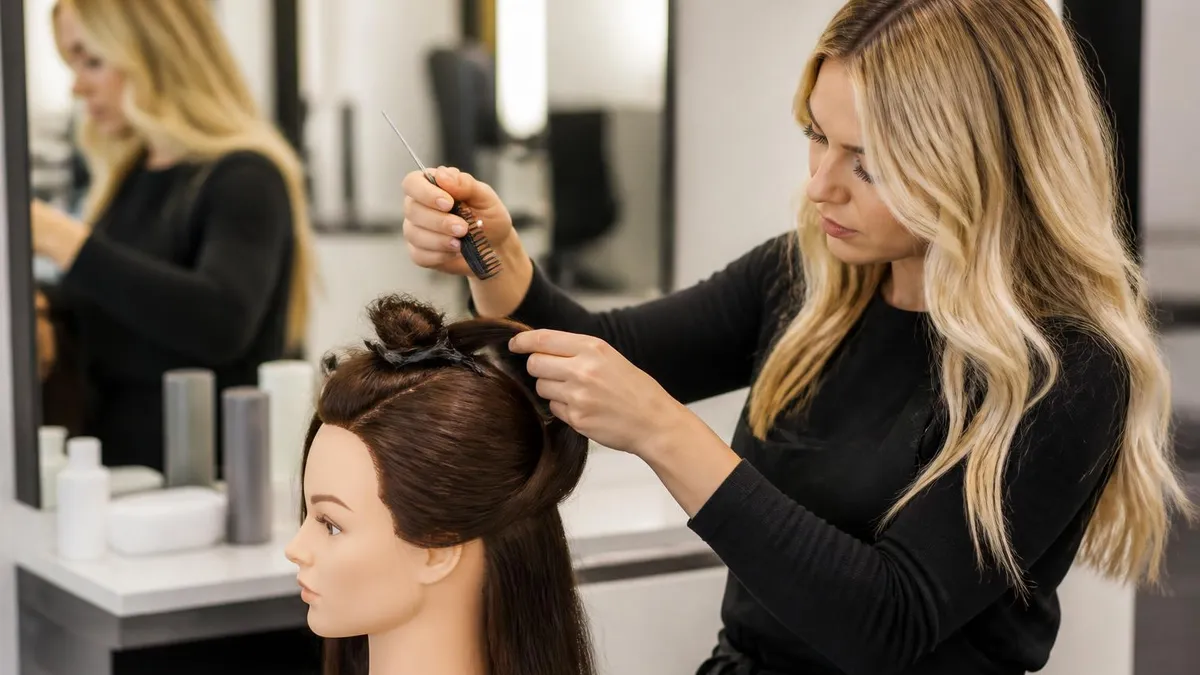
Cosmetology State Board Exam: Complete 2026 Study Guide and Certification Prep
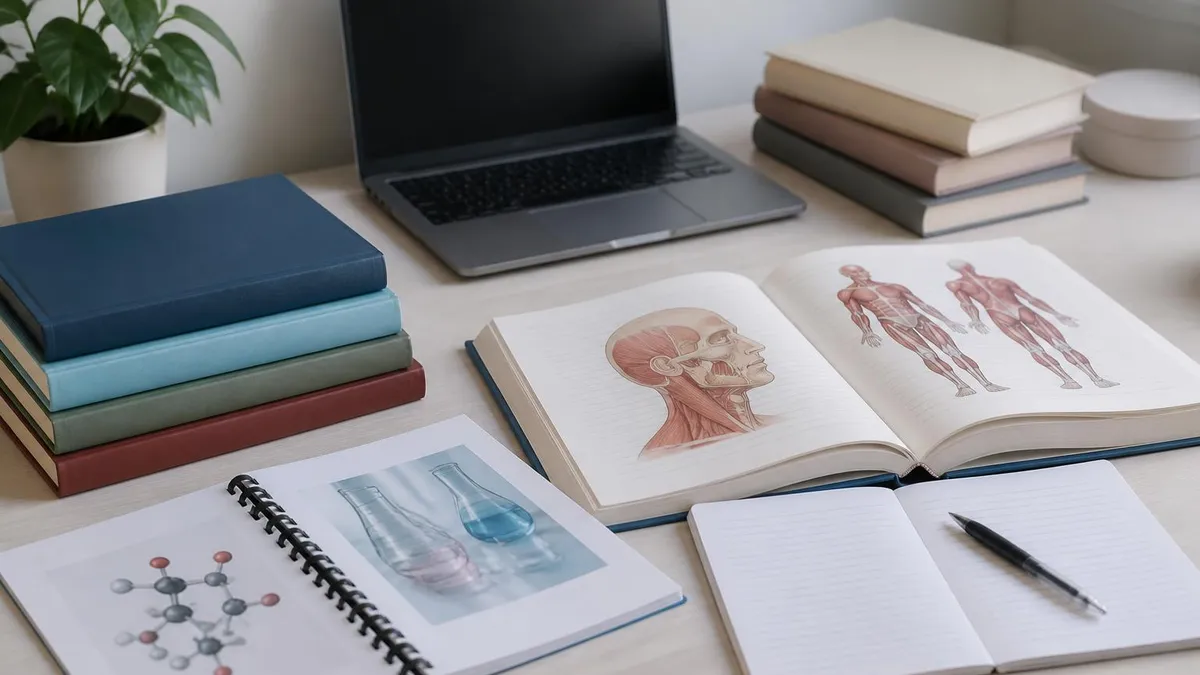
Cosmetology Programs: Hours, Curriculum, Cost and Accreditation
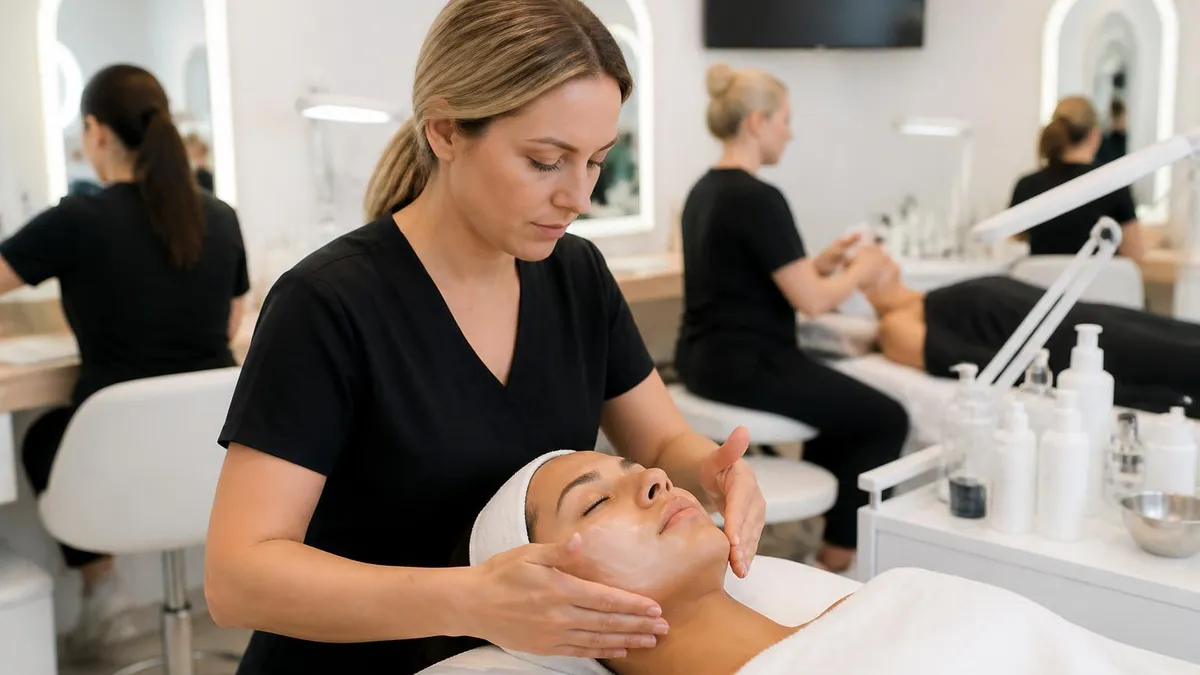
Cosmetology Practice Test: 350+ Free Questions and Answers
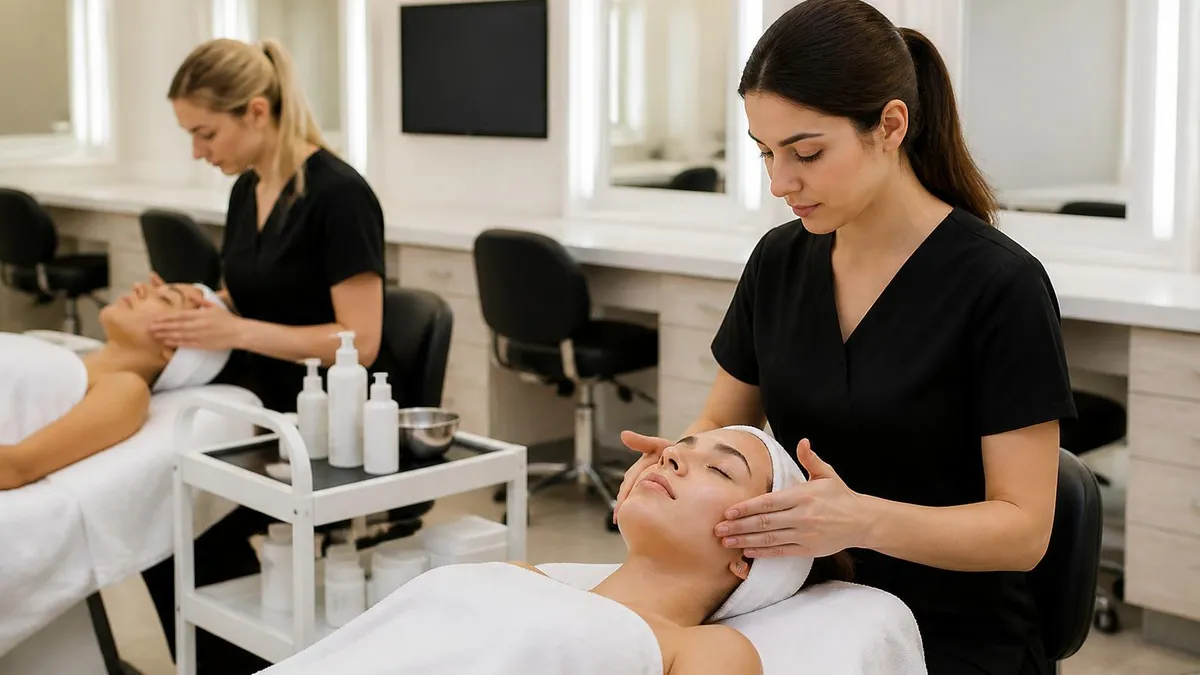
Cosmetology School Near Me: How to Find, Choose, and Enroll in the Right Program in 2026
About the Author
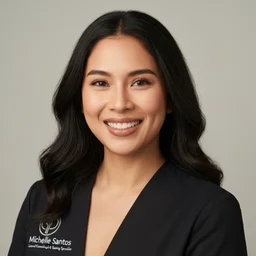
Licensed Cosmetologist & Beauty Licensing Exam Specialist
Paul Mitchell SchoolsMichelle Santos is a licensed cosmetologist with a Bachelor of Science in Esthetics and Salon Management from Paul Mitchell School. She has 16 years of salon industry experience and 8 years preparing students for state cosmetology board exams in theory, practical skills, and sanitation. She specializes in licensure preparation for cosmetologists, estheticians, and nail technicians.
Join the Discussion
Connect with other students preparing for this exam. Share tips, ask questions, and get advice from people who have been there.
View discussion (6 replies)