
What Is a CNA? Definition, Duties, and How to Become One 2026 October
📚 Get ready for your What Is a CNA? Definition, Duties, and certification. Practice questions with step-by-step answer explanations and instant scoring.
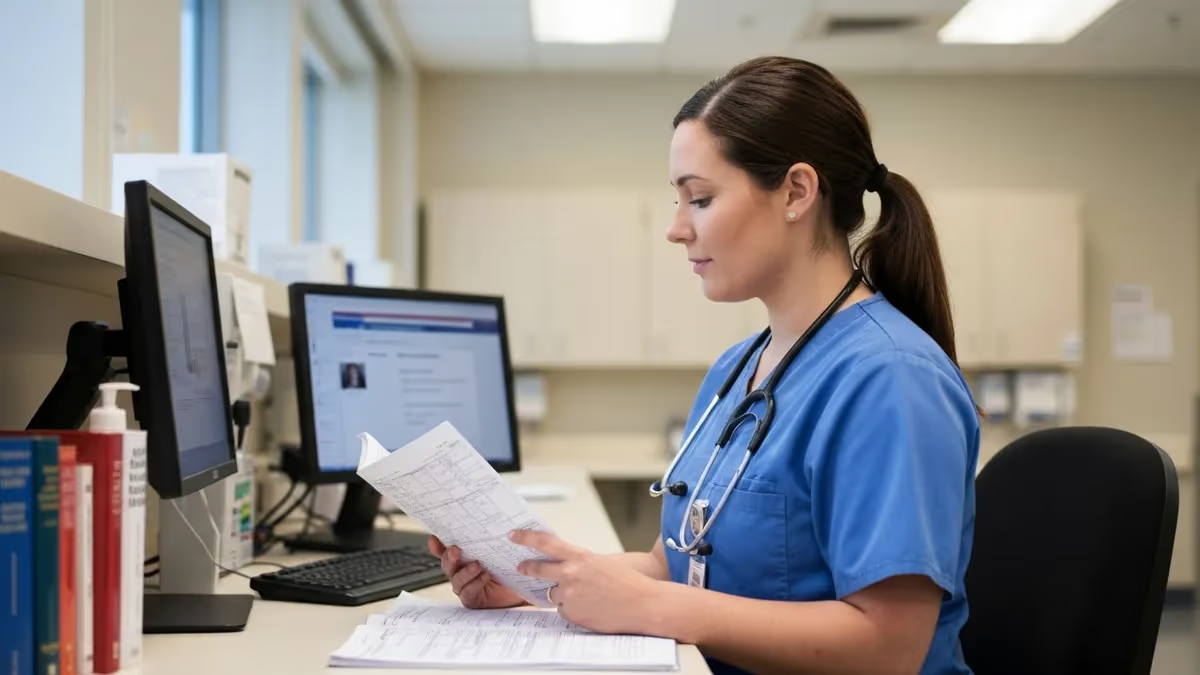
If you've ever asked "what is cna" — you're not alone. The term gets searched hundreds of thousands of times a month by people curious about healthcare careers, patients wondering who's caring for them, and students exploring a fast path into nursing. What is a CNA? A Certified Nursing Assistant is a trained healthcare worker who provides hands-on patient care under the supervision of a Registered Nurse (RN) or Licensed Practical Nurse (LPN).
CNAs are the frontline of direct patient care. They help patients eat, bathe, dress, and move — tasks that might seem simple but are essential to patient dignity, safety, and recovery. If you're asking whats a cna, think of them as the person who spends the most time with each patient on a given shift, often more than the nurses or doctors do. That close contact makes CNAs a critical part of any healthcare team.
This guide covers everything you need to know about the CNA role: what the letters stand for, what the job actually involves day-to-day, how to get certified, and what you can expect from a career that's growing faster than almost any other in healthcare. Whether you're a student, a career changer, or just curious, you'll leave here with a clear picture of who CNAs are and why the role matters so much.

Let's start with the basics. Whats a cna in the most literal sense? The letters stand for Certified Nursing Assistant — and understanding what does cna stand for gives you a clear picture of what the job requires. "Certified" means the person has completed a state-approved training program and passed a competency exam. "Nursing" places them within the healthcare system, working alongside nurses. "Assistant" reflects their supervised role — they work under the direction of licensed nurses, not independently.
The certification process involves both a written knowledge exam and a skills demonstration test. Most states use the National Nurse Aide Assessment Program (NNAAP) administered by Prometric, though some states have their own exams. Once certified, your name goes on the state's Nurse Aide Registry — a public database employers check before hiring. You'll need to renew your certification every one to two years depending on your state.
One thing many people don't realize: the CNA credential is the entry point into nursing, not the destination. Many RNs and LPNs started as CNAs. It's a way to test the waters, build real clinical experience, and decide whether nursing is the right career before committing to a two- or four-year degree. The role is demanding, but the experience you gain is invaluable for anyone serious about healthcare.
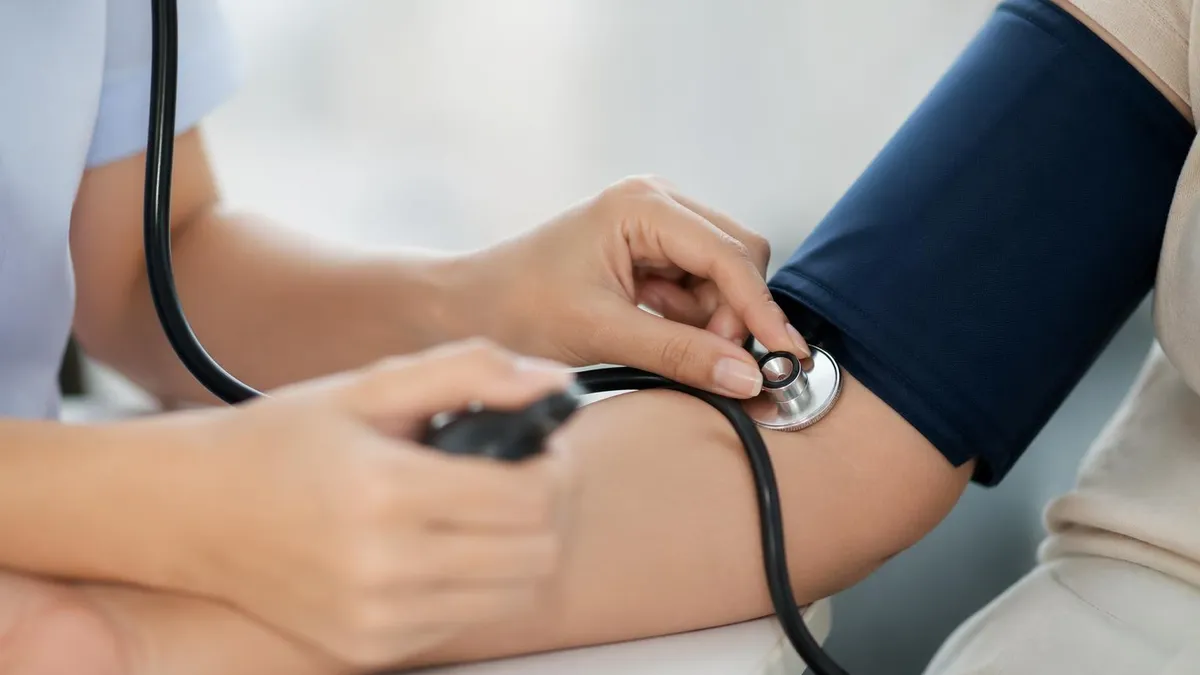
So what do cna do on a typical shift? The short answer is: a lot. CNAs assist patients with activities of daily living (ADLs) — bathing, grooming, dressing, eating, and using the bathroom. They take and record vital signs like blood pressure, pulse, and temperature. They turn and reposition immobile patients to prevent pressure ulcers. They assist with transfers — moving patients from bed to wheelchair and back. And they observe and report changes in patient condition to the nursing staff.
The cna definition in a clinical sense is someone who bridges the gap between basic caregiving and professional nursing care. CNAs aren't responsible for diagnosing conditions, prescribing medications, or performing complex clinical procedures — those responsibilities belong to licensed nurses and physicians. But they are responsible for the consistent, attentive, hands-on care that keeps patients safe, comfortable, and supported between nursing assessments.
Emotional labor is a significant part of the job that job descriptions rarely capture. CNAs spend more time with patients than almost any other healthcare worker — often hours per shift with the same individuals. They hear about patients' fears, family problems, and hopes. That emotional proximity requires genuine empathy, patience, and professional boundaries. It's one of the most human jobs in healthcare, and for the right person, it's deeply rewarding.
CNA Work Settings
Nursing care facilities are the most common workplace for CNAs, employing about 35% of all certified nursing assistants in the U.S. In this setting, CNAs provide ongoing care to elderly and disabled residents — often long-term care patients who live at the facility. The work is physically demanding and emotionally intensive, but many CNAs find deep satisfaction in building ongoing relationships with residents and their families over months or years.
The definition of cna has expanded over time as healthcare has evolved. In the early days of formalized nursing aide training, the role was seen primarily as custodial. Today, CNAs are recognized as skilled healthcare workers whose assessments and observations directly impact patient outcomes. When a CNA notices that a patient's breathing has changed, or that they're not eating, or that their skin has developed a reddened area — that observation can trigger interventions that prevent a serious medical event.
The cna meaning medical community recognizes is someone who operates at the intersection of clinical care and human connection. Medical schools, nursing programs, and hospitals all acknowledge that CNA-level care — direct, consistent, hands-on attention — is irreplaceable. No software, no automation, and no remote monitoring system can fully substitute for someone physically present with a patient, watching, responding, and caring.
If you're considering this career, it's worth knowing that the skills you build as a CNA translate broadly across healthcare. You'll learn infection control, patient safety, communication with clinical teams, documentation basics, and hands-on care techniques. These aren't just CNA skills — they're foundational nursing skills. Many CNA programs offer articulation agreements with LPN and RN programs, allowing you to apply your CNA training toward a full nursing degree.
People often search "cna stand for" because the abbreviation appears on job listings, patient paperwork, and healthcare marketing without always being explained. Now you know: Certified Nursing Assistant. But the cna description in job postings often extends beyond the basic definition — you'll see variations like Patient Care Technician (PCT), Nurse Aide, State-Tested Nurse Aide (STNA in Ohio), or Certified Nurse Aide. These are all essentially the same role with slightly different titles by state or employer.
Some states have additional CNA specialty designations: CNA II in North Carolina allows additional clinical tasks, Medication Aide (CMA) in many states lets CNAs administer medications after further training, and Restorative Aide positions focus on helping patients regain functional abilities. These specialty roles typically require additional training hours and state approval, but they open up higher pay and more diverse duties within the CNA career ladder.
Whatever title appears on the job listing, the core of the role stays the same: direct patient care, observation, communication, and collaboration with the nursing team. If you're drawn to healthcare because you want to actually be with patients — not just processing paperwork or staring at screens — the CNA role is one of the most hands-on entry points the industry offers.
CNA Career: Pros and Cons
- +Fast entry into healthcare — training takes weeks, not years
- +High job security with consistent demand across all 50 states
- +Meaningful, hands-on patient contact every shift
- +Excellent launchpad toward LPN, RN, or other nursing careers
- +Work available across diverse settings: hospitals, homes, clinics
- +Growing salaries with experience, specialty certifications, and location
- −Physically demanding — lots of lifting, standing, and moving throughout shifts
- −Emotionally taxing — patients may be suffering, declining, or dying
- −Entry-level pay is modest, especially in nursing home settings
- −Shift work including nights, weekends, and holidays is common
- −Limited clinical autonomy — scope of practice is tightly regulated
- −High burnout rate due to staffing shortages and heavy workloads
Pros and Cons at a Glance
| Pros | Cons |
|---|---|
| Fast entry into healthcare — training takes weeks, not years | Physically demanding — lots of lifting, standing, and moving throughout shifts |
| Meaningful, hands-on patient contact every shift | Emotionally taxing — patients may be suffering, declining, or dying |
| Excellent launchpad toward LPN, RN, or other nursing careers | Entry-level pay is modest, especially in nursing home settings |
| Work available across diverse settings: hospitals, homes, clinics | Shift work including nights, weekends, and holidays is common |
| Growing salaries with experience, specialty certifications, and location | Limited clinical autonomy — scope of practice is tightly regulated |
Let's talk about what does cna mean when it appears in a salary discussion. Entry-level CNAs in nursing homes typically earn between $15-$19/hour depending on state, while hospital PCTs can earn $18-$24/hour or more. The meaning of cna in a financial sense varies enormously by geography — CNAs in California, New York, and Washington State earn significantly more than those in rural southeastern states, where wages haven't kept pace with cost-of-living increases.
Overtime is common in the field, partly because of chronic understaffing across long-term care. Many CNAs routinely work 40-50 hours per week, and the overtime pay can meaningfully boost annual income. Some facilities offer shift differentials — extra pay for evening, overnight, or weekend shifts — which allows experienced CNAs to optimize their earnings by working less desirable hours that come with higher pay rates.
Benefits packages vary widely. Hospital and large healthcare system CNA positions typically include health insurance, paid time off, retirement matching, and tuition assistance for further nursing education. Smaller nursing homes or home health agencies may offer more limited benefits. If you're planning to use CNA work as a stepping stone toward an RN degree, look specifically for employers who offer tuition reimbursement or have articulation partnerships with local nursing programs.
CNA Exam Preparation Checklist
- ✓Complete a state-approved CNA training program (minimum 75 hours in most states)
- ✓Study the five core CNA skill areas: safety, infection control, ADLs, communication, and basic nursing care
- ✓Practice clinical skills until you can perform them smoothly under observation
- ✓Register for the state competency exam through Prometric or your state's testing vendor
- ✓Review the NNAAP Written Exam content outline and focus on flagged high-priority areas
- ✓Take at least 3-5 full-length CNA practice tests to identify knowledge gaps
- ✓Watch skills demonstration videos for the 5 random skills you'll be tested on in the clinical portion
- ✓Bring required documentation to the exam site: ID, authorization to test letter, and any required forms
- ✓After passing, apply for state registry listing and start job applications immediately
- ✓Plan your first-year renewal: most states require 12 hours of in-service training annually
People often search "what does cna" as an incomplete phrase — they're usually trying to figure out what the job actually involves before they commit to a training program. The most important thing to understand is that what does a cna do daily is almost entirely patient-focused. If your strength is documentation, data, or technology, a different healthcare role might suit you better. CNAs thrive when they're energized by direct human interaction and physical engagement with the caregiving process.
A typical CNA shift in a nursing home starts with receiving a report from the outgoing shift about each patient's status. You'll then complete rounds — checking on each patient, assisting with morning care, serving breakfast, taking vital signs, and documenting everything in the care record. Throughout the shift, call lights go off, patients need assistance, and emergencies occasionally arise. It's never boring, and no two shifts are quite the same.
In a hospital setting, the pace is faster and the patient acuity is higher. You might be assisting a post-surgical patient in the morning, a cardiac patient at midday, and an elderly fall-risk patient in the afternoon — all requiring different approaches and levels of support. Hospital CNAs often rotate assignments and rarely form the same long-term bonds with patients that nursing home CNAs do, but the clinical variety and faster pace appeals to many people in the field.
Understanding the medical cna definition means recognizing where CNAs fit in the clinical hierarchy. They're not nurses — they can't administer medications (except in states with a Medication Aide designation), perform clinical assessments, or make independent care decisions. But they're not simply aides in the casual sense either. CNAs are trained, certified, and regulated healthcare workers with specific legal scope-of-practice boundaries that vary by state.
When someone asks what is cna mean in a medical context, the honest answer is: the person most likely to notice when something changes with a patient. Because CNAs spend so much time in direct contact with patients, they're often the first to observe subtle changes — increased agitation, altered skin color, labored breathing, or reduced oral intake — that might signal a developing medical issue. Nurses depend on this reporting to catch problems before they escalate.
The combination of physical care, emotional presence, and observational vigilance makes the CNA role genuinely irreplaceable in the healthcare system. Technology can monitor vitals remotely, but it can't hold a patient's hand during a frightening procedure, or notice the subtle change in expression that signals pain. Human presence and attentiveness — the core of what CNAs provide — remains one of healthcare's most valuable and irreplaceable elements.
Most state-approved CNA training programs run just 4 to 12 weeks. Some community colleges and healthcare employers offer accelerated programs as short as 3 weeks for motivated students. Many programs are offered free or at reduced cost through nursing homes, Red Cross chapters, or workforce development programs — especially for individuals committed to working at the sponsoring facility afterward. You could be certified and employed within 6-8 weeks of starting training.
There's a lot packed into the phrase "what does cna do" that job descriptions don't fully capture. Yes, CNAs provide physical care. But they also navigate complex family dynamics, advocate for patients who can't speak for themselves, and maintain professional composure in situations that would challenge most people. When a patient is frightened, confused, or in pain, the CNA is often the person who calms the situation — through patience, clear communication, and steady presence.
When families ask what does a cna do for their loved one, the answer is often deeply personal: "She's the one who knows my mom likes her hair braided a certain way" or "He's the person my dad asks for when he's having a hard night." That kind of personal knowledge and trust is built over time and can't be replicated by any other healthcare role. It's one of the reasons CNA turnover is costly for facilities — losing a CNA means patients lose a familiar caregiver they've come to depend on.
If you're weighing whether to pursue CNA certification, consider this: the U.S. Bureau of Labor Statistics projects continued strong demand for nursing assistants and home health aides through the early 2030s, driven by an aging population and the expansion of home-based care. Job security is real, the work is meaningful, and the credential opens doors — both into immediate employment and into longer-term nursing careers. Few healthcare paths offer such a clear, fast runway from training to employment.
CNA Practice Test Questions
Prepare for the CNA - Certified Nursing Assistant exam with our free practice test modules. Each quiz covers key topics to help you pass on your first try.
CNA Activities of Daily Living
CNA Exam Questions covering Activities of Daily Living. Master CNA Test concepts for certification prep.
CNA Aging Process
Free CNA Practice Test featuring Aging Process. Improve your CNA Exam score with mock test prep.
CNA Anatomy and Physiology Basics
CNA Mock Exam on Anatomy and Physiology Basics. CNA Study Guide questions to pass on your first try.
CNA Assisting with Daily Living
CNA Test Prep for Assisting with Daily Living. Practice CNA Quiz questions and boost your score.
CNA Assisting with Range of Motion Exercises
CNA Questions and Answers on Assisting with Range of Motion Exercises. Free CNA practice for exam readiness.
CNA Basic Human Anatomy and Age-Related Ch...
CNA Mock Test covering Basic Human Anatomy and Age-Related Changes. Online CNA Test practice with instant feedback.
CNA Basic Nursing Skills
Free CNA Quiz on Basic Nursing Skills. CNA Exam prep questions with detailed explanations.
CNA Basic Nursing Skills 10
CNA Practice Questions for Basic Nursing Skills 10. Build confidence for your CNA certification exam.
CNA Basic Nursing Skills 11
CNA Test Online for Basic Nursing Skills 11. Free practice with instant results and feedback.
CNA Basic Nursing Skills 1
CNA Study Material on Basic Nursing Skills 1. Prepare effectively with real exam-style questions.
CNA Basic Nursing Skills 12
Free CNA Test covering Basic Nursing Skills 12. Practice and track your CNA exam readiness.
CNA Basic Nursing Skills 13
CNA Exam Questions covering Basic Nursing Skills 13. Master CNA Test concepts for certification prep.
CNA Basic Nursing Skills 14
Free CNA Practice Test featuring Basic Nursing Skills 14. Improve your CNA Exam score with mock test prep.
CNA Basic Nursing Skills 15
CNA Mock Exam on Basic Nursing Skills 15. CNA Study Guide questions to pass on your first try.
CNA Basic Nursing Skills 16
CNA Test Prep for Basic Nursing Skills 16. Practice CNA Quiz questions and boost your score.
CNA Basic Nursing Skills 17
CNA Questions and Answers on Basic Nursing Skills 17. Free CNA practice for exam readiness.
CNA Basic Nursing Skills 18
CNA Mock Test covering Basic Nursing Skills 18. Online CNA Test practice with instant feedback.
CNA Basic Nursing Skills 19
Free CNA Quiz on Basic Nursing Skills 19. CNA Exam prep questions with detailed explanations.
CNA Basic Nursing Skills 20
CNA Practice Questions for Basic Nursing Skills 20. Build confidence for your CNA certification exam.
CNA Basic Nursing Skills 21
CNA Test Online for Basic Nursing Skills 21. Free practice with instant results and feedback.
CNA Basic Nursing Skills 2
CNA Study Material on Basic Nursing Skills 2. Prepare effectively with real exam-style questions.
CNA Basic Nursing Skills 3
Free CNA Test covering Basic Nursing Skills 3. Practice and track your CNA exam readiness.
CNA Basic Nursing Skills 4
CNA Exam Questions covering Basic Nursing Skills 4. Master CNA Test concepts for certification prep.
CNA Basic Nursing Skills 5
Free CNA Practice Test featuring Basic Nursing Skills 5. Improve your CNA Exam score with mock test prep.
CNA Basic Nursing Skills 6
CNA Mock Exam on Basic Nursing Skills 6. CNA Study Guide questions to pass on your first try.
CNA Basic Nursing Skills 7
CNA Test Prep for Basic Nursing Skills 7. Practice CNA Quiz questions and boost your score.
CNA Basic Nursing Skills 8
CNA Questions and Answers on Basic Nursing Skills 8. Free CNA practice for exam readiness.
CNA Basic Nursing Skills 9
CNA Mock Test covering Basic Nursing Skills 9. Online CNA Test practice with instant feedback.
CNA Basic Restorative Services
Free CNA Quiz on Basic Restorative Services. CNA Exam prep questions with detailed explanations.
CNA Basic Restorative Services 1
CNA Practice Questions for Basic Restorative Services 1. Build confidence for your CNA certification exam.
CNA Bathing and Dressing
CNA Test Online for Bathing and Dressing. Free practice with instant results and feedback.
CNA Body Mechanics
CNA Study Material on Body Mechanics. Prepare effectively with real exam-style questions.
CNA Career Advancement and Opportunities
Free CNA Test covering Career Advancement and Opportunities. Practice and track your CNA exam readiness.
CNA Career Opportunities and Benefits
CNA Exam Questions covering Career Opportunities and Benefits. Master CNA Test concepts for certification prep.
CNA Care for Residents with Cognitive Impa...
Free CNA Practice Test featuring Care for Residents with Cognitive Impairment. Improve your CNA Exam score with mock test prep.
CNA Care of Cognitively Impaired Residents
CNA Mock Exam on Care of Cognitively Impaired Residents. CNA Study Guide questions to pass on your first try.
CNA Care of Cognitively Impaired Residents 1
CNA Test Prep for Care of Cognitively Impaired Residents 1. Practice CNA Quiz questions and boost your score.
CNA Care Of Cognitively Impaired Residents 4
CNA Questions and Answers on Care Of Cognitively Impaired Residents 4. Free CNA practice for exam readiness.
CNA Common Medical Terms and Abbreviations
CNA Mock Test covering Common Medical Terms and Abbreviations. Online CNA Test practice with instant feedback.
CNA Communication and Interpersonal Skills
Free CNA Quiz on Communication and Interpersonal Skills. CNA Exam prep questions with detailed explanations.
CNA Communication and Interpersonal Skills 1
CNA Practice Questions for Communication and Interpersonal Skills 1. Build confidence for your CNA certification exam.
CNA Communication And Interpersonal Skills 4
CNA Test Online for Communication And Interpersonal Skills 4. Free practice with instant results and feedback.
CNA Eligibility and Qualifications
CNA Study Material on Eligibility and Qualifications. Prepare effectively with real exam-style questions.
CNA Emergency Procedure
Free CNA Test covering Emergency Procedure. Practice and track your CNA exam readiness.
CNA Ethics and Professionalism
CNA Exam Questions covering Ethics and Professionalism. Master CNA Test concepts for certification prep.
CNA Exam Structure and Content
Free CNA Practice Test featuring Exam Structure and Content. Improve your CNA Exam score with mock test prep.
CNA Feeding and Hydration
CNA Mock Exam on Feeding and Hydration. CNA Study Guide questions to pass on your first try.
CNA Infection Control
CNA Test Prep for Infection Control. Practice CNA Quiz questions and boost your score.
CNA Infection Control and Safety
CNA Questions and Answers on Infection Control and Safety. Free CNA practice for exam readiness.
CNA Isolation Precautions
CNA Mock Test covering Isolation Precautions. Online CNA Test practice with instant feedback.
CNA Legal & Ethical Behaviours
Free CNA Quiz on Legal & Ethical Behaviours. CNA Exam prep questions with detailed explanations.
CNA Legal & Ethical Behaviours 1
CNA Practice Questions for Legal & Ethical Behaviours 1. Build confidence for your CNA certification exam.
CNA Legal & Ethical Behaviours 4
CNA Test Online for Legal & Ethical Behaviours 4. Free practice with instant results and feedback.
CNA Mental Health and Social Services Needs
CNA Study Material on Mental Health and Social Services Needs. Prepare effectively with real exam-style questions.
CNA Mental Health and Social Services Needs 1
Free CNA Test covering Mental Health and Social Services Needs 1. Practice and track your CNA exam readiness.
CNA Mental Health And Social Services Needs 4
CNA Exam Questions covering Mental Health And Social Services Needs 4. Master CNA Test concepts for certification prep.
CNA Nutrition and Hydration Management
Free CNA Practice Test featuring Nutrition and Hydration Management. Improve your CNA Exam score with mock test prep.
CNA Patient Care Procedure
CNA Mock Exam on Patient Care Procedure. CNA Study Guide questions to pass on your first try.
CNA Personal Care Skills
CNA Test Prep for Personal Care Skills. Practice CNA Quiz questions and boost your score.
CNA Personal Care Skills 1
CNA Questions and Answers on Personal Care Skills 1. Free CNA practice for exam readiness.
CNA Personal Care Skills 4
CNA Mock Test covering Personal Care Skills 4. Online CNA Test practice with instant feedback.
CNA Personal Care Skills 5
Free CNA Quiz on Personal Care Skills 5. CNA Exam prep questions with detailed explanations.
CNA Personal Hygiene and Grooming
CNA Practice Questions for Personal Hygiene and Grooming. Build confidence for your CNA certification exam.
CNA Practice Test - Basic Nursing Skills #2
CNA Test Online for Practice Test - Basic Nursing Skills #2. Free practice with instant results and feedback.
CNA Practice Test - Basic Nursing Skills #2 1
CNA Study Material on Practice Test - Basic Nursing Skills #2 1. Prepare effectively with real exam-style questions.
CNA Preventing Patient Falls and Injuries
Free CNA Test covering Preventing Patient Falls and Injuries. Practice and track your CNA exam readiness.
CNA Promoting Resident Independence and Ch...
CNA Exam Questions covering Promoting Resident Independence and Choice. Master CNA Test concepts for certification prep.
CNA Proper Hand Hygiene and PPE Usage
Free CNA Practice Test featuring Proper Hand Hygiene and PPE Usage. Improve your CNA Exam score with mock test prep.
CNA Resident Rights and Communication
CNA Mock Exam on Resident Rights and Communication. CNA Study Guide questions to pass on your first try.
CNA Resident’s Rights
CNA Test Prep for Resident’s Rights. Practice CNA Quiz questions and boost your score.
CNA Resident's Rights 1
CNA Questions and Answers on Resident's Rights 1. Free CNA practice for exam readiness.
CNA Resident's Rights 4
CNA Mock Test covering Resident's Rights 4. Online CNA Test practice with instant feedback.
CNA Roles and Responsibilities
Free CNA Quiz on Roles and Responsibilities. CNA Exam prep questions with detailed explanations.
CNA Safety and Emergency Procedures
CNA Practice Questions for Safety and Emergency Procedures. Build confidence for your CNA certification exam.
CNA Safety and Emergency Procedures 1
CNA Test Online for Safety and Emergency Procedures 1. Free practice with instant results and feedback.
CNA Safety And Emergency Procedures 4
CNA Study Material on Safety And Emergency Procedures 4. Prepare effectively with real exam-style questions.
CNA Safety and Infection Control
Free CNA Test covering Safety and Infection Control. Practice and track your CNA exam readiness.
CNA Scope of Practice
CNA Exam Questions covering Scope of Practice. Master CNA Test concepts for certification prep.
CNA Skills and Competencies
Free CNA Practice Test featuring Skills and Competencies. Improve your CNA Exam score with mock test prep.
CNA Supporting Rehabilitation Activities
CNA Mock Exam on Supporting Rehabilitation Activities. CNA Study Guide questions to pass on your first try.
CNA The Nurse Aide's Role and Responsibili...
CNA Test Prep for The Nurse Aide's Role and Responsibilities. Practice CNA Quiz questions and boost your score.
CNA Time Management and Prioritization
CNA Questions and Answers on Time Management and Prioritization. Free CNA practice for exam readiness.
CNA Toileting and Elimination
CNA Mock Test covering Toileting and Elimination. Online CNA Test practice with instant feedback.
CNA Using Adaptive Devices
CNA Practice Questions for Using Adaptive Devices. Build confidence for your CNA certification exam.
If you've made it this far, you probably have a solid sense of what cna means in both a literal and practical sense. The next step is deciding whether the career is right for you. The best way to find out is to shadow a CNA for a shift — many training programs include clinical hours at local facilities, and some hospitals offer healthcare career exploration programs for students. Seeing the job in person tells you more than any article can.
What is the role of a cna in the broader healthcare system? It's the foundation. From basic care to clinical observation, from patient dignity to safety, CNAs hold up a pillar of care that the entire system depends on. Without CNAs, nurses couldn't manage their patient loads. Without CNAs, hospitals and nursing homes couldn't function. The role is often underpaid relative to its importance, but that's slowly changing as advocacy efforts and staffing crisis awareness push wages higher across the country.
Ready to start your CNA journey? The practice tests on this page are a great first step. They'll give you a feel for the type of content covered on the state certification exam — anatomy, infection control, patient rights, safety, and basic clinical procedures. Take a few tests, identify your weak spots, and build from there. The certification exam is passable with focused preparation, and thousands of new CNAs earn their credentials every month. You can too.
Sample CNA Practice Questions
Try these questions from our free CNA practice tests. The correct answer and an explanation follow each question.
A CNA has five residents to bathe and only two hours before the shift ends. What is the best course of action?
- A. Rush through all five baths to finish on time
- B. Skip all baths and document them as refused
- C. Assess which baths are most urgent, notify the charge nurse, and collaborate with teammates
- D. Complete two baths and document the other three as completed
Answer: C. Assess which baths are most urgent, notify the charge nurse, and collaborate with teammates
When tasks cannot realistically be completed within the available time, the CNA should assess which baths are most medically necessary (e.g., a resident who has been incontinent), communicate with the charge nurse, and collaborate with teammates to triage tasks rather than rushing and compromising quality and safety.
The nurse asks you to change the urine drainage bag for a patient with an indwelling catheter. If you aren't sure how to change it, what should you do?
- A. Tell another nurse to do it.
- B. Ask the nurse to show you.
- C. Change it anyway.
- D. Check the policy manual.
Answer: B. Ask the nurse to show you.
When unsure about a procedure, the safest and most responsible action is to ask the supervising nurse for guidance and a demonstration. This ensures patient safety, prevents errors, and provides an opportunity for the CNA to learn the correct technique. Performing a task incorrectly or delegating it without proper knowledge is unprofessional and potentially harmful.
A resident grimaces and says 'ouch' during a ROM exercise. What is the FIRST action the CNA should take?
- A. Stop the exercise immediately and notify the nurse
- B. Continue the exercise since some discomfort is expected
- C. Apply a warm compress to the area
- D. Document the complaint and finish the session
Answer: A. Stop the exercise immediately and notify the nurse
Pain during ROM is a signal to stop immediately and report to the nurse before continuing.
A resident is found unresponsive and not breathing. After calling for help, what is the CNA's next immediate action?
- A. Begin CPR
- B. Check for a pulse for 2 minutes
- C. Get the crash cart
- D. Wait for the nurse to arrive
Answer: A. Begin CPR
If a resident is unresponsive and not breathing, the CNA should immediately begin CPR after activating the emergency response system.
CNA Questions and Answers
Restorative CNA: Duties, Training, Salary & How to Get Started
CNA Hospital Jobs Near Me: How to Find, Apply & Get Hired in 2026

Goodwill CNA Program: Free Classes, Costs, and How to Enroll
Hospice CNA: Duties, Salary, Per Diem Work & How to Get Started
4-Week CNA Program: Online Options, State Programs & How to Enroll
About the Author

Registered Nurse & Healthcare Educator
Johns Hopkins University School of NursingDr. Sarah Mitchell is a board-certified registered nurse with over 15 years of clinical and academic experience. She completed her PhD in Nursing Science at Johns Hopkins University and has taught NCLEX preparation and clinical skills courses for nursing students across the United States. Her research focuses on evidence-based exam preparation strategies for healthcare certification candidates.
Join the Discussion
Connect with other students preparing for this exam. Share tips, ask questions, and get advice from people who have been there.
View discussion (8 replies)