
CNA in Texas: Training Programs, Certification & Salary Guide 2026 October
🎓 Find CNA schools in San Antonio Texas, certification requirements, registry info, and salary data. Compare Houston, Dallas, and San Antonio CNA programs.
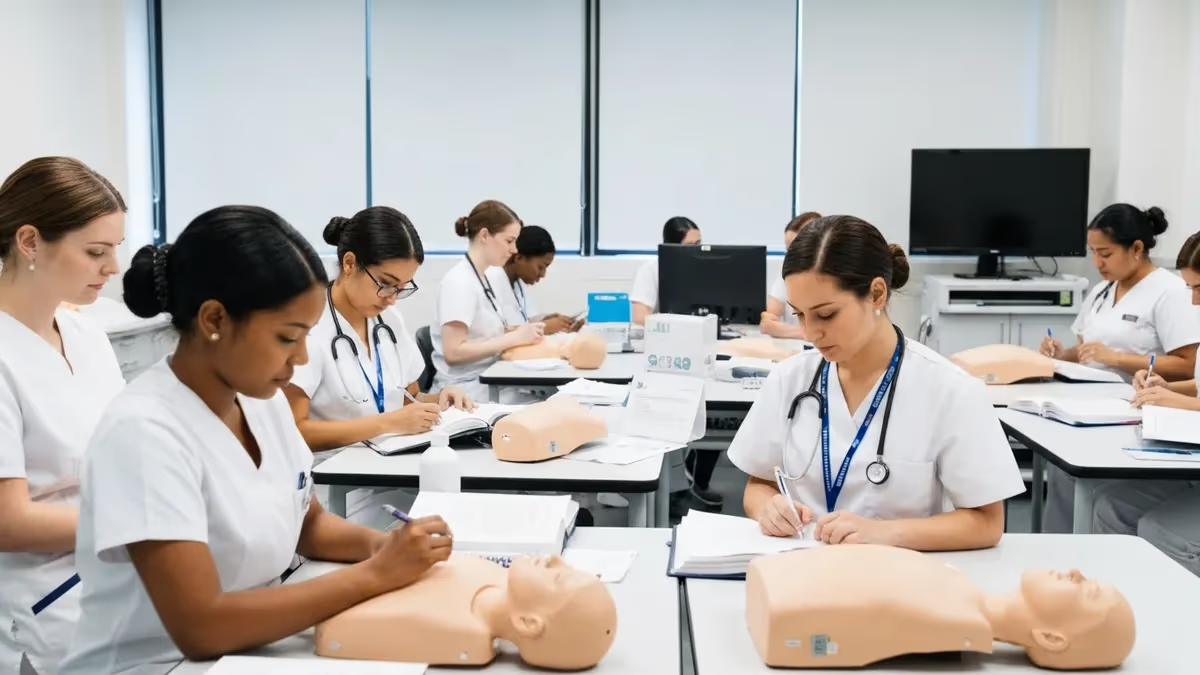
Texas is one of the biggest employers of certified nursing assistants in the country — and that's not slowing down. An aging population, expanding hospital systems, and chronic staffing shortages across long-term care facilities mean CNAs here have use. Whether you're just exploring the field or actively comparing cna jobs houston postings, this page breaks down everything: training requirements, the state registry, salary ranges by metro, and what the certification process actually looks like from start to finish.
If you're searching for cna schools in san antonio texas, you'll find programs ranging from community college courses to fast-track private vocational schools — some finishing in as few as three weeks. The Texas Department of Aging and Disability Services (now part of HHSC) approves all training programs, and the state mandates a minimum of 75 hours of instruction before you can sit for the competency exam. That's on the lower end nationally, which makes Texas one of the faster states to get certified.
Your first real administrative step after passing the skills and written tests? Getting listed on the texas cna registry. The Nurse Aide Registry — managed by HHSC — is the official database that employers check before hiring. No registry listing, no job. It's that straightforward.
One thing worth knowing: Texas doesn't require a high school diploma or GED to enroll in most CNA programs, though individual schools might set their own prerequisites. Background checks are mandatory. Drug screenings depend on the employer, not the state. And if you've held a CNA credential in another state, Texas has a reciprocity process — but it's not automatic, and processing times vary wildly.
The texas cna registry is your career's backbone in this state. Run by the Health and Human Services Commission, it tracks every active nursing assistant — your certification date, employment history, and whether any findings exist against you. Employers are legally required to verify your registry status before your first shift. If you've let your listing lapse or there's a discrepancy, you won't get hired. Period.
Getting cna certification texas involves two major steps after completing your approved training program. First, you take the written (or oral) knowledge exam — 60 multiple-choice questions covering infection control, patient rights, communication, and basic nursing skills. Then comes the clinical skills evaluation, where a state-approved evaluator watches you perform five randomly selected procedures. You get three attempts total. Fail all three and you'll need to retake the training program before trying again.
How does the salary cna texas compare to other entry-level healthcare roles? It's competitive for a position requiring no college degree. Most CNAs start between $13 and $16 per hour depending on the facility type and metro area, with experienced aides in hospitals earning $18 to $22. That's real money for a career you can launch in under two months.
The exam itself costs around $100 for the combined written and skills test — paid out of pocket unless your training program covers it. Some community colleges and workforce programs include the testing fee in tuition. Ask before you enroll. It saves headaches later.

If you're browsing cna jobs houston listings right now, you'll notice something: there are hundreds. Houston's Texas Medical Center alone — the largest medical complex on the planet — employs thousands of CNAs across its member institutions. Memorial Hermann, Houston Methodist, MD Anderson, Ben Taub. The demand is constant, and turnover creates openings every week.
But what about salary cna texas numbers specifically for the Houston metro? Entry-level positions at nursing homes and rehab centers start around $14 per hour. Hospital roles pay more — typically $16 to $20 — because the acuity is higher and shifts are less predictable. Agency CNAs in Houston can clear $22 to $25 per hour through staffing firms, though you lose benefits and schedule stability.
Understanding cna pay in texas means looking beyond the base hourly rate. Night differentials add $1 to $3 per hour at most facilities. Weekend shifts often carry similar premiums. Overtime — and there's plenty of it in Texas healthcare — pays time-and-a-half. A CNA working 48 hours per week at a Houston hospital could realistically gross $45,000 to $50,000 annually.
Dallas and San Antonio aren't far behind. Fort Worth facilities are actively poaching from Dallas with sign-on bonuses. Austin's booming population means new assisted-living facilities opening quarterly. The job market for CNAs across Texas metros? Hot. Legitimately hot.
CNA Work Settings in Texas
Hospital CNAs in Texas handle higher-acuity patients — post-surgical recovery, ICU support, emergency department assists. Pay ranges from $16 to $22 per hour in major metros. You'll rotate through 12-hour shifts, often three days on and four days off. Hospitals require BLS certification in addition to your CNA credential. The pace is fast, the learning curve steep, and the experience invaluable if you're planning to advance into nursing.
The phrase cna jobs in houston gets searched nearly 900 times every month — and for good reason. Houston's healthcare ecosystem is massive. Beyond the Medical Center, you've got HCA Houston Healthcare (11 hospitals), CHI St. Luke's, and dozens of standalone rehab and skilled nursing facilities spread across Harris County. Each one needs CNAs. Each one is hiring.
When people ask about cna pay in texas, they're usually trying to figure out whether the career is financially viable long-term. Short answer: it depends on your ambitions. A CNA who stays at the bedside earning $15 to $18 per hour will take home roughly $31,000 to $37,000 annually. That's livable in smaller Texas cities — San Antonio, El Paso, Corpus Christi — but tight in Austin or Dallas.
The real financial play? Use CNA as a stepping stone. Many Texas community colleges offer CNA-to-LVN bridge programs that credit your aide experience toward clinical hours. LVNs in Texas earn $48,000 to $55,000. RNs with an ADN start around $65,000. The CNA credential gets your foot in the door and your hands on patients — both of which matter on nursing school applications.
Staffing agencies remain a wildcard in the Texas CNA market. They pay 30% to 50% more per hour than direct-hire positions, but contracts are short, benefits are thin, and you're always the new person on the unit. Some CNAs thrive on variety. Others burn out fast.
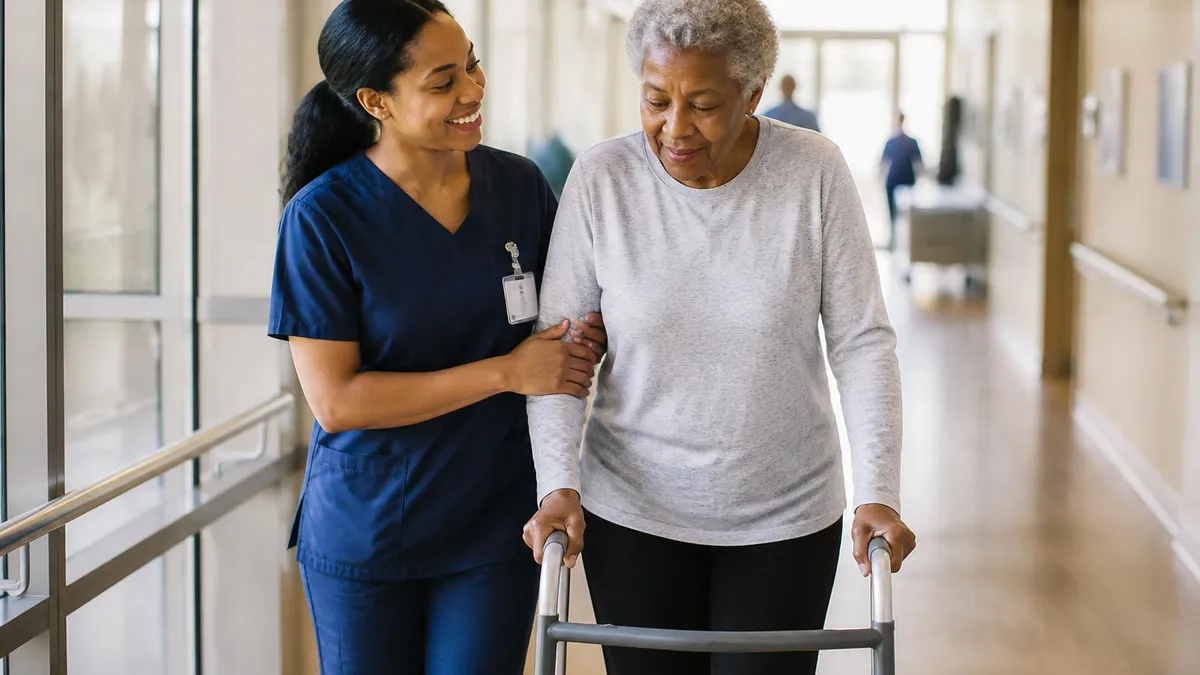
Your texas cna renewal happens every two years — and missing the deadline means your registry listing goes inactive. To stay active, you need proof of at least 8 hours of paid nursing-related employment during the renewal period. No employment? You'll need to retake the competency exam. There's no grace period, no extension request form. The system is binary: active or inactive.
For cna training in dallas, you've got a strong mix of options. Dallas County Community College District runs programs through multiple campuses — El Centro, Brookhaven, and Eastfield all offer state-approved CNA courses. Private schools like the Professional Healthcare Institute and American Medical Careers also operate in the metroplex. Costs range from $500 at community colleges (subsidized) to $2,500 at private vocational schools.
The quality difference between programs isn't always about price. Look at first-time pass rates on the state competency exam — some programs consistently hit 90%+ while others hover around 65%. HHSC publishes these numbers. Check them. A $500 program with a 95% pass rate beats a $2,000 program with a 70% pass rate every single time.
cna training in dallas typically runs 4 to 8 weeks for day programs and 8 to 12 weeks for evening or weekend formats. Clinical rotations happen at partnered nursing facilities — you'll practice ADLs, vital signs, transfers, and infection control on actual residents under instructor supervision. The hands-on component is where most students either click with the work or realize it's not for them.
Pros and Cons of Working as a CNA in Texas
- +High demand across all major metros — Houston, Dallas, San Antonio, Austin all hiring constantly
- +Fast entry: 75-hour minimum training means you can work in healthcare within 6–8 weeks
- +No college degree required — one of the most accessible healthcare careers available
- +Strong CNA-to-LVN and CNA-to-RN bridge programs at Texas community colleges
- +Night and weekend differentials add $1–$3/hr to base pay at most facilities
- +Texas has no state income tax — your take-home pay goes further than in most states
- −Base pay starts low ($13–$16/hr) compared to the physical demands of the job
- −Staffing shortages mean mandatory overtime at some facilities — burnout is real
- −Registry renewal requires paid employment — gaps in work can cost your certification
- −Limited upward mobility without additional education (LVN or RN programs)
- −Physically demanding: lifting, transferring, and standing for 8–12 hour shifts
- −Workplace injury rates for CNAs are among the highest in healthcare
Getting your texas cna license is really about getting your name on the Nurse Aide Registry — Texas doesn't issue a physical license card like some states do. Your registry listing is your credential. Employers verify it electronically through the HHSC portal, and you can check your own status anytime online. If something looks wrong — a misspelled name, incorrect employment dates — contact HHSC's nurse aide registry line directly.
What about cna salary in texas compared to neighboring states? Louisiana CNAs average about $28,000 annually. Oklahoma sits around $29,500. New Mexico is comparable to Texas at roughly $31,000. Texas wins on raw numbers, but the real advantage is volume — there are simply more jobs, more facilities, and more advancement pathways here than in any bordering state.
The gap between entry-level and experienced CNA pay in Texas is significant. A first-year aide at a nursing home might start at $13.50 per hour. After three years with consistent employment and a clean record, that same role pays $16 to $18. Specialized positions — restorative aides, medication aides (with additional training), and hospice CNAs — command premiums of $2 to $5 per hour above base rates.
Don't overlook benefits when comparing offers. Texas hospital systems typically provide health insurance, retirement contributions (403b matching), PTO accrual, and tuition assistance. Nursing homes are less consistent — some offer bare-minimum benefits, others compete aggressively with hospitals for staff. Always ask. Never assume.
CNA Certification Checklist for Texas
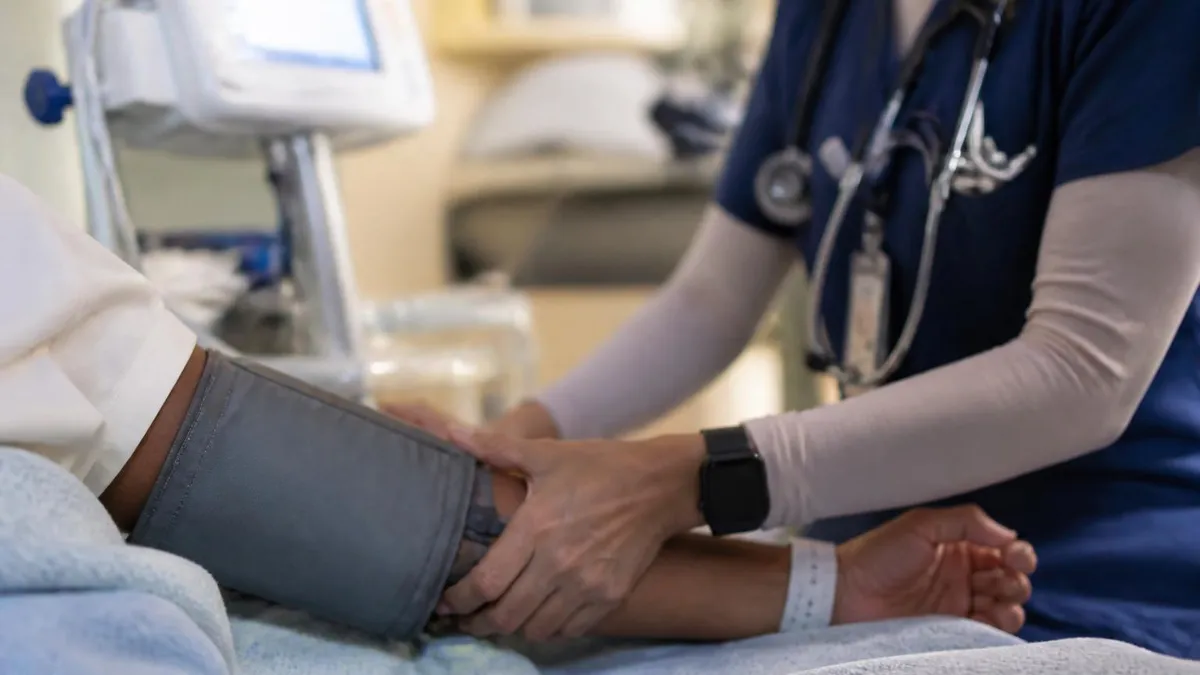
- ✓Verify you meet minimum age requirement (16 in Texas, 18 for some employers)
- ✓Complete a background check through the Texas DPS and FBI fingerprint clearance
- ✓Enroll in an HHSC-approved Nurse Aide Training Program (minimum 75 hours)
- ✓Complete all required clinical rotation hours at a partnered healthcare facility
- ✓Register for the competency exam through Prometric or your program coordinator
- ✓Pass the written/oral knowledge exam (60 questions, 90-minute time limit)
- ✓Pass the clinical skills evaluation (5 randomly selected procedures)
- ✓Confirm your name appears on the Texas Nurse Aide Registry within 4 weeks
- ✓Apply for positions — bring your registry confirmation to interviews
- ✓Set a calendar reminder for your 2-year renewal deadline
Hunting for cna certification dallas texas programs? The Dallas–Fort Worth metroplex has over 40 approved training programs within a 30-mile radius of downtown. That density means competition among schools — which benefits you. Many programs offer flexible scheduling: morning, evening, and weekend cohorts running simultaneously. Some, like those at Tarrant County College and Collin College, include the state exam fee in their tuition.
San Antonio is equally well-served. If you're exploring cna courses san antonio, the Alamo Colleges District — San Antonio College, St. Philip's, Palo Alto, and Northwest Vista — all run state-approved CNA programs. Tuition at these community colleges typically falls between $400 and $800 for the full course, making them among the most affordable options in Texas. Private schools in San Antonio charge more ($1,500 to $3,000) but often have shorter wait lists and faster start dates.
The clinical component matters more than most students realize. You'll spend roughly 24 of your 75 required hours in a real facility — not a simulation lab, not a classroom with mannequins, but an actual nursing home with actual residents. This is where you learn whether CNA work is genuinely something you want to do for 40 hours a week. Pay attention to how staff interact with residents during your clinicals. That culture tells you everything about a facility.
Financial aid for CNA programs in Texas is limited but available. Federal Pell Grants cover tuition at qualifying community colleges. Texas Workforce Solutions sometimes funds training for eligible individuals through the Workforce Innovation and Opportunity Act. Some nursing homes will pay for your training entirely in exchange for a one-year employment commitment after certification. Free training exists — you just have to look for it.
Finding cna jobs houston tx positions means knowing where to look beyond Indeed and ZipRecruiter. The Texas Workforce Commission's WorkInTexas.com portal lists hundreds of CNA openings across Houston — many from employers who don't post on commercial job boards. Hospital system career pages (Memorial Hermann, HCA, Houston Methodist) list internal-only positions that disappear quickly. Sign up for job alerts on at least three platforms if you're serious about Houston.
For cna programs in dallas tx, the timeline from enrollment to employment looks roughly like this: 4–6 weeks of training, 1–2 weeks waiting for your exam date, exam day itself, then 2–4 weeks for registry processing. Total? About 8 to 12 weeks from day one of class to your first paid shift. That's fast by any healthcare career standard.
Dallas employers are competing hard for new CNAs right now. Sign-on bonuses of $500 to $2,000 aren't uncommon at skilled nursing facilities that are short-staffed — and most are. Hospital systems offer tuition reimbursement programs that cover LVN or ADN coursework while you work as a CNA. These benefits aren't charity; they're recruitment tools. Use them.
The DFW metro also has a growing home health sector. Agencies like Maxim Healthcare, Bayada, and Interim HealthCare maintain large CNA workforces across North Texas. Home health roles typically pay $14 to $18 per hour with mileage reimbursement. You'll work independently, manage your schedule around patient visits, and develop close one-on-one relationships with clients. It's a different rhythm than facility work — slower, quieter, more personal.
If your Texas CNA registry listing expires, you cannot work as a nursing assistant — even if you've been employed continuously. Set a reminder 90 days before your renewal date. Gather proof of employment (pay stubs showing nursing-related work) well in advance. HHSC does not send renewal reminders automatically. The process is entirely on you.
CNA license verification texas is something employers handle on their end — but you should verify yourself too. Visit the HHSC Nurse Aide Registry online portal, enter your name or registry number, and confirm your listing shows "Active" status. If it shows "Inactive" or "Not Found," contact HHSC immediately. Common causes: a name change after marriage that wasn't updated, an address change that triggered a mail return, or a renewal that was processed but not yet reflected in the system.
For cna registration texas, the process starts automatically after you pass the competency exam. Your testing organization (usually Prometric) submits your results directly to HHSC. You don't fill out a separate registration form. Within 2 to 4 weeks, your name appears on the registry. If it's been more than 4 weeks and you're not listed, call Prometric first to confirm your scores were transmitted, then call HHSC's nurse aide line.
Out-of-state CNAs seeking Texas reciprocity face a slightly different path. You'll submit an application to HHSC, provide verification from your current state's registry, complete a Texas background check, and wait. Processing times range from 4 to 8 weeks depending on volume. During this waiting period, you cannot work as a CNA in Texas — no temporary permits, no provisional status. Plan accordingly.
One common mistake: assuming your registry listing transfers automatically when you move to Texas. It doesn't. Each state maintains its own independent registry. Even if you've been a CNA for ten years in California, you're invisible to Texas employers until HHSC processes your reciprocity application and adds you to the Texas registry.
CNA Practice Test Questions
Prepare for the CNA - Certified Nursing Assistant exam with our free practice test modules. Each quiz covers key topics to help you pass on your first try.
CNA Activities of Daily Living
CNA Exam Questions covering Activities of Daily Living. Master CNA Test concepts for certification prep.
CNA Aging Process
Free CNA Practice Test featuring Aging Process. Improve your CNA Exam score with mock test prep.
CNA Anatomy and Physiology Basics
CNA Mock Exam on Anatomy and Physiology Basics. CNA Study Guide questions to pass on your first try.
CNA Assisting with Daily Living
CNA Test Prep for Assisting with Daily Living. Practice CNA Quiz questions and boost your score.
CNA Assisting with Range of Motion Exercises
CNA Questions and Answers on Assisting with Range of Motion Exercises. Free CNA practice for exam readiness.
CNA Basic Human Anatomy and Age-Related Ch...
CNA Mock Test covering Basic Human Anatomy and Age-Related Changes. Online CNA Test practice with instant feedback.
CNA Basic Nursing Skills
Free CNA Quiz on Basic Nursing Skills. CNA Exam prep questions with detailed explanations.
CNA Basic Nursing Skills 10
CNA Practice Questions for Basic Nursing Skills 10. Build confidence for your CNA certification exam.
CNA Basic Nursing Skills 11
CNA Test Online for Basic Nursing Skills 11. Free practice with instant results and feedback.
CNA Basic Nursing Skills 1
CNA Study Material on Basic Nursing Skills 1. Prepare effectively with real exam-style questions.
CNA Basic Nursing Skills 12
Free CNA Test covering Basic Nursing Skills 12. Practice and track your CNA exam readiness.
CNA Basic Nursing Skills 13
CNA Exam Questions covering Basic Nursing Skills 13. Master CNA Test concepts for certification prep.
CNA Basic Nursing Skills 14
Free CNA Practice Test featuring Basic Nursing Skills 14. Improve your CNA Exam score with mock test prep.
CNA Basic Nursing Skills 15
CNA Mock Exam on Basic Nursing Skills 15. CNA Study Guide questions to pass on your first try.
CNA Basic Nursing Skills 16
CNA Test Prep for Basic Nursing Skills 16. Practice CNA Quiz questions and boost your score.
CNA Basic Nursing Skills 17
CNA Questions and Answers on Basic Nursing Skills 17. Free CNA practice for exam readiness.
CNA Basic Nursing Skills 18
CNA Mock Test covering Basic Nursing Skills 18. Online CNA Test practice with instant feedback.
CNA Basic Nursing Skills 19
Free CNA Quiz on Basic Nursing Skills 19. CNA Exam prep questions with detailed explanations.
CNA Basic Nursing Skills 20
CNA Practice Questions for Basic Nursing Skills 20. Build confidence for your CNA certification exam.
CNA Basic Nursing Skills 21
CNA Test Online for Basic Nursing Skills 21. Free practice with instant results and feedback.
CNA Basic Nursing Skills 2
CNA Study Material on Basic Nursing Skills 2. Prepare effectively with real exam-style questions.
CNA Basic Nursing Skills 3
Free CNA Test covering Basic Nursing Skills 3. Practice and track your CNA exam readiness.
CNA Basic Nursing Skills 4
CNA Exam Questions covering Basic Nursing Skills 4. Master CNA Test concepts for certification prep.
CNA Basic Nursing Skills 5
Free CNA Practice Test featuring Basic Nursing Skills 5. Improve your CNA Exam score with mock test prep.
CNA Basic Nursing Skills 6
CNA Mock Exam on Basic Nursing Skills 6. CNA Study Guide questions to pass on your first try.
CNA Basic Nursing Skills 7
CNA Test Prep for Basic Nursing Skills 7. Practice CNA Quiz questions and boost your score.
CNA Basic Nursing Skills 8
CNA Questions and Answers on Basic Nursing Skills 8. Free CNA practice for exam readiness.
CNA Basic Nursing Skills 9
CNA Mock Test covering Basic Nursing Skills 9. Online CNA Test practice with instant feedback.
CNA Basic Restorative Services
Free CNA Quiz on Basic Restorative Services. CNA Exam prep questions with detailed explanations.
CNA Basic Restorative Services 1
CNA Practice Questions for Basic Restorative Services 1. Build confidence for your CNA certification exam.
CNA Bathing and Dressing
CNA Test Online for Bathing and Dressing. Free practice with instant results and feedback.
CNA Body Mechanics
CNA Study Material on Body Mechanics. Prepare effectively with real exam-style questions.
CNA Career Advancement and Opportunities
Free CNA Test covering Career Advancement and Opportunities. Practice and track your CNA exam readiness.
CNA Career Opportunities and Benefits
CNA Exam Questions covering Career Opportunities and Benefits. Master CNA Test concepts for certification prep.
CNA Care for Residents with Cognitive Impa...
Free CNA Practice Test featuring Care for Residents with Cognitive Impairment. Improve your CNA Exam score with mock test prep.
CNA Care of Cognitively Impaired Residents
CNA Mock Exam on Care of Cognitively Impaired Residents. CNA Study Guide questions to pass on your first try.
CNA Care of Cognitively Impaired Residents 1
CNA Test Prep for Care of Cognitively Impaired Residents 1. Practice CNA Quiz questions and boost your score.
CNA Care Of Cognitively Impaired Residents 4
CNA Questions and Answers on Care Of Cognitively Impaired Residents 4. Free CNA practice for exam readiness.
CNA Common Medical Terms and Abbreviations
CNA Mock Test covering Common Medical Terms and Abbreviations. Online CNA Test practice with instant feedback.
CNA Communication and Interpersonal Skills
Free CNA Quiz on Communication and Interpersonal Skills. CNA Exam prep questions with detailed explanations.
CNA Communication and Interpersonal Skills 1
CNA Practice Questions for Communication and Interpersonal Skills 1. Build confidence for your CNA certification exam.
CNA Communication And Interpersonal Skills 4
CNA Test Online for Communication And Interpersonal Skills 4. Free practice with instant results and feedback.
CNA Eligibility and Qualifications
CNA Study Material on Eligibility and Qualifications. Prepare effectively with real exam-style questions.
CNA Emergency Procedure
Free CNA Test covering Emergency Procedure. Practice and track your CNA exam readiness.
CNA Ethics and Professionalism
CNA Exam Questions covering Ethics and Professionalism. Master CNA Test concepts for certification prep.
CNA Exam Structure and Content
Free CNA Practice Test featuring Exam Structure and Content. Improve your CNA Exam score with mock test prep.
CNA Feeding and Hydration
CNA Mock Exam on Feeding and Hydration. CNA Study Guide questions to pass on your first try.
CNA Infection Control
CNA Test Prep for Infection Control. Practice CNA Quiz questions and boost your score.
CNA Infection Control and Safety
CNA Questions and Answers on Infection Control and Safety. Free CNA practice for exam readiness.
CNA Isolation Precautions
CNA Mock Test covering Isolation Precautions. Online CNA Test practice with instant feedback.
CNA Legal & Ethical Behaviours
Free CNA Quiz on Legal & Ethical Behaviours. CNA Exam prep questions with detailed explanations.
CNA Legal & Ethical Behaviours 1
CNA Practice Questions for Legal & Ethical Behaviours 1. Build confidence for your CNA certification exam.
CNA Legal & Ethical Behaviours 4
CNA Test Online for Legal & Ethical Behaviours 4. Free practice with instant results and feedback.
CNA Mental Health and Social Services Needs
CNA Study Material on Mental Health and Social Services Needs. Prepare effectively with real exam-style questions.
CNA Mental Health and Social Services Needs 1
Free CNA Test covering Mental Health and Social Services Needs 1. Practice and track your CNA exam readiness.
CNA Mental Health And Social Services Needs 4
CNA Exam Questions covering Mental Health And Social Services Needs 4. Master CNA Test concepts for certification prep.
CNA Nutrition and Hydration Management
Free CNA Practice Test featuring Nutrition and Hydration Management. Improve your CNA Exam score with mock test prep.
CNA Patient Care Procedure
CNA Mock Exam on Patient Care Procedure. CNA Study Guide questions to pass on your first try.
CNA Personal Care Skills
CNA Test Prep for Personal Care Skills. Practice CNA Quiz questions and boost your score.
CNA Personal Care Skills 1
CNA Questions and Answers on Personal Care Skills 1. Free CNA practice for exam readiness.
CNA Personal Care Skills 4
CNA Mock Test covering Personal Care Skills 4. Online CNA Test practice with instant feedback.
CNA Personal Care Skills 5
Free CNA Quiz on Personal Care Skills 5. CNA Exam prep questions with detailed explanations.
CNA Personal Hygiene and Grooming
CNA Practice Questions for Personal Hygiene and Grooming. Build confidence for your CNA certification exam.
CNA Practice Test - Basic Nursing Skills #2
CNA Test Online for Practice Test - Basic Nursing Skills #2. Free practice with instant results and feedback.
CNA Practice Test - Basic Nursing Skills #2 1
CNA Study Material on Practice Test - Basic Nursing Skills #2 1. Prepare effectively with real exam-style questions.
CNA Preventing Patient Falls and Injuries
Free CNA Test covering Preventing Patient Falls and Injuries. Practice and track your CNA exam readiness.
CNA Promoting Resident Independence and Ch...
CNA Exam Questions covering Promoting Resident Independence and Choice. Master CNA Test concepts for certification prep.
CNA Proper Hand Hygiene and PPE Usage
Free CNA Practice Test featuring Proper Hand Hygiene and PPE Usage. Improve your CNA Exam score with mock test prep.
CNA Resident Rights and Communication
CNA Mock Exam on Resident Rights and Communication. CNA Study Guide questions to pass on your first try.
CNA Resident’s Rights
CNA Test Prep for Resident’s Rights. Practice CNA Quiz questions and boost your score.
CNA Resident's Rights 1
CNA Questions and Answers on Resident's Rights 1. Free CNA practice for exam readiness.
CNA Resident's Rights 4
CNA Mock Test covering Resident's Rights 4. Online CNA Test practice with instant feedback.
CNA Roles and Responsibilities
Free CNA Quiz on Roles and Responsibilities. CNA Exam prep questions with detailed explanations.
CNA Safety and Emergency Procedures
CNA Practice Questions for Safety and Emergency Procedures. Build confidence for your CNA certification exam.
CNA Safety and Emergency Procedures 1
CNA Test Online for Safety and Emergency Procedures 1. Free practice with instant results and feedback.
CNA Safety And Emergency Procedures 4
CNA Study Material on Safety And Emergency Procedures 4. Prepare effectively with real exam-style questions.
CNA Safety and Infection Control
Free CNA Test covering Safety and Infection Control. Practice and track your CNA exam readiness.
CNA Scope of Practice
CNA Exam Questions covering Scope of Practice. Master CNA Test concepts for certification prep.
CNA Skills and Competencies
Free CNA Practice Test featuring Skills and Competencies. Improve your CNA Exam score with mock test prep.
CNA Supporting Rehabilitation Activities
CNA Mock Exam on Supporting Rehabilitation Activities. CNA Study Guide questions to pass on your first try.
CNA The Nurse Aide's Role and Responsibili...
CNA Test Prep for The Nurse Aide's Role and Responsibilities. Practice CNA Quiz questions and boost your score.
CNA Time Management and Prioritization
CNA Questions and Answers on Time Management and Prioritization. Free CNA practice for exam readiness.
CNA Toileting and Elimination
CNA Mock Test covering Toileting and Elimination. Online CNA Test practice with instant feedback.
CNA Using Adaptive Devices
CNA Practice Questions for Using Adaptive Devices. Build confidence for your CNA certification exam.
So how much does a cna make in texas when you factor in everything — base pay, differentials, overtime, and benefits? The honest answer ranges from $28,000 for a part-time aide at a rural nursing home to $52,000 for a full-time hospital CNA working regular overtime in Houston or Dallas. Most CNAs land somewhere in the $32,000 to $40,000 range. That's real, verifiable income from Bureau of Labor Statistics data — not recruiter hype.
If you're searching for cna classes dallas tx, prioritize programs with these features: first-time exam pass rates above 85%, clinical partnerships with well-rated facilities, and flexible scheduling options. Cost matters, but it shouldn't be your only filter. A $2,000 program that gets you certified on the first try costs less in the long run than a $500 program you fail out of and have to repeat.
Night classes and weekend cohorts have exploded in popularity across Texas metros. Working adults — retail employees, restaurant staff, warehouse workers — are using CNA training as an exit ramp into healthcare. Most evening programs run 6 to 10 weeks. You'll attend class after your day job and complete clinicals on weekends. Exhausting? Yes. Worth it? The career switch speaks for itself.
Texas also permits employer-sponsored training at certain nursing facilities. Some large chains — Kindred, Regency, Sava Senior Care — run in-house CNA programs where you train as a paid employee and earn your certification on their dime. The catch: you typically sign a 12-month commitment. Leave early and you may owe the training costs back. Read the contract carefully before signing. But if you're committed to the career, it's the cheapest path possible — literally free.
CNA Questions and Answers

Restorative CNA: Duties, Training, Salary & How to Get Started

CNA Hospital Jobs Near Me: How to Find, Apply & Get Hired in 2026

Goodwill CNA Program: Free Classes, Costs, and How to Enroll

Hospice CNA: Duties, Salary, Per Diem Work & How to Get Started

4-Week CNA Program: Online Options, State Programs & How to Enroll
About the Author

Registered Nurse & Healthcare Educator
Johns Hopkins University School of NursingDr. Sarah Mitchell is a board-certified registered nurse with over 15 years of clinical and academic experience. She completed her PhD in Nursing Science at Johns Hopkins University and has taught NCLEX preparation and clinical skills courses for nursing students across the United States. Her research focuses on evidence-based exam preparation strategies for healthcare certification candidates.
Join the Discussion
Connect with other students preparing for this exam. Share tips, ask questions, and get advice from people who have been there.
View discussion (8 replies)