
Free CNA Classes: How to Find Training Near You and Online 2026 October
❓ Free CNA Classes: How to Find practice test with instant feedback and detailed answer explanations. Prepare for your exam.
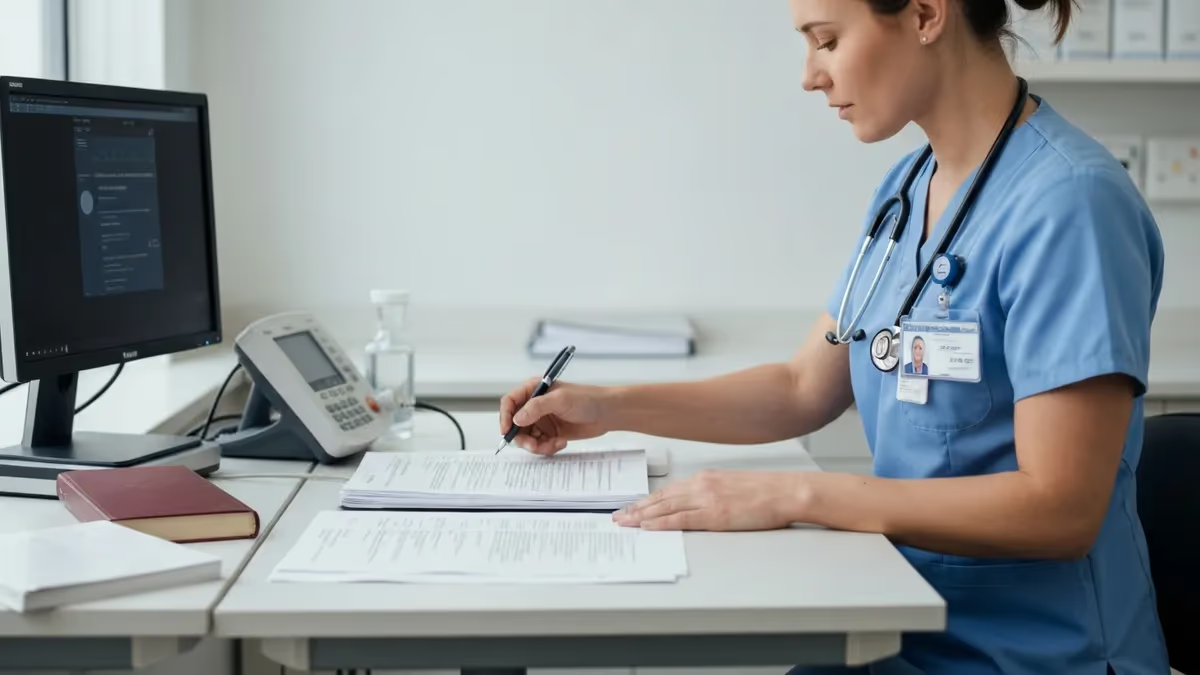
Getting your Certified Nursing Assistant credential doesn't have to drain your savings. This free CNA classes guide walks you through every realistic path to zero-cost training — whether you're searching for free cna classes near me or you'd rather study from your couch. The healthcare industry is desperate for qualified CNAs, and that labor shortage works in your favor because employers, nonprofits, and state agencies are funding training programs across the country.
If you've been comparing cna classes online free options, you've probably noticed that the landscape is confusing. Some programs are genuinely free. Others advertise "free" but hit you with hidden fees for textbooks, scrubs, or the certification exam itself. We'll cut through that noise. You'll learn exactly which organizations cover 100% of costs, which ones require a work commitment in return, and how to verify that any program you're considering meets your state's nurse aide registry requirements.
By the end of this article, you'll have a clear action plan — from choosing the right program type to passing your state competency exam. We've also included practice quizzes so you can start building the clinical knowledge you'll need on day one. Whether you're a career changer, a recent graduate, or someone re-entering the workforce, free CNA training is more accessible right now than it's been in years.

The fastest way to find cna classes near me for free is to call nursing homes, hospitals, and long-term care facilities in your area. Many of these employers run their own state-approved training programs and cover every cost — tuition, books, scrubs, and even the certification exam fee. In exchange, you typically commit to working at that facility for six months to a year after you pass. It's a fair trade: they get a trained employee, and you get a career with zero student debt.
Community colleges and vocational schools also offer cna classes online free through workforce development grants. Programs funded by the Workforce Innovation and Opportunity Act (WIOA) are available in every state, though you'll need to qualify based on income or employment status. Your local American Job Center can tell you whether you're eligible — and the application process is usually straightforward. Red Cross chapters in some regions run free or heavily subsidized CNA programs too.
Don't overlook state-specific options. States like California, New York, and Texas have dedicated funding pools for healthcare worker training. Some states even pay you a stipend while you're in class. Check your state's Department of Health or Board of Nursing website for a current list of approved programs, and verify that any program you find is listed on the nurse aide registry.
Finding free cna courses near me starts with knowing where to look — and who's paying. Nursing homes remain the single largest source of free CNA training in the United States. Federal regulations actually require Medicare- and Medicaid-certified facilities to provide competency evaluation programs, and many go a step further by offering full training. You can search the Medicare.gov Care Compare tool to find certified facilities near you, then call their HR departments directly.
If you prefer studying remotely, free classes online for cna are more available now than they were even two years ago. The COVID-19 pandemic forced training programs to move their didactic (classroom) portions online, and many kept that format because students liked the flexibility. Keep in mind, though, that you'll still need to complete hands-on clinical hours in person — no state allows fully online CNA certification. Programs typically arrange clinical rotations at partner facilities within a reasonable driving distance.
Nonprofits and faith-based organizations are another hidden source of free training. Goodwill Industries, for instance, runs CNA programs in multiple states. The Job Corps program — free for young adults ages 16 to 24 — includes CNA training at many of its residential campuses. These programs often provide additional support like transportation assistance, childcare referrals, and job placement services after you graduate.
Types of Free CNA Training Programs
Nursing homes, hospitals, and assisted living facilities sponsor CNA training in exchange for a work commitment — usually 6 to 12 months. The employer pays tuition, books, scrubs, and often the state exam fee. Some even offer a small hourly wage during training. This is the most common path to free certification, and it guarantees you a job immediately after passing your exam.
The cost question is settled — you can train for free. Now let's talk about what you actually need to qualify. Most free cna classes online require that you're at least 18 years old, have a high school diploma or GED, and can pass a criminal background check. Some states set the minimum age at 16 with parental consent. Health requirements typically include a current TB test, proof of immunizations, and a physical exam signed by a physician or nurse practitioner.
Beyond the basics, classes for cna for free often have additional eligibility criteria depending on who's funding the training. Employer-sponsored programs may require that you pass a drug screening and commit to a post-training employment contract. Government-funded programs through WIOA usually require proof of income below a certain threshold — or documentation that you're currently unemployed or underemployed. Some programs prioritize veterans, single parents, or residents of specific zip codes.
Don't let paperwork intimidate you. Most programs have enrollment coordinators who walk you through every step. Gather your documents ahead of time — ID, Social Security card, proof of residency, high school transcript or GED certificate, and any medical records you already have. Having everything ready before you apply can shave weeks off your enrollment timeline. If English isn't your first language, some states offer bilingual CNA programs at no extra cost.
Let's talk specifically about cna online classes free — what's real and what's marketing spin. Legitimate online CNA programs deliver the didactic portion of training through video lectures, interactive modules, and virtual simulations. You'll study anatomy, infection control, patient communication, medical terminology, and legal/ethical responsibilities from your computer or tablet. The better programs include live video sessions with instructors so you can ask questions in real time.
Here's the catch with free online cna courses: every state requires a minimum number of in-person clinical hours. The federal minimum is 16 hours, but most states require 40 to 100+ hours of supervised clinical practice. So even the most "online" program will eventually require you to show up in person at a skilled nursing facility, hospital, or simulation lab. Programs handle this by partnering with clinical sites near enrolled students — you'll typically complete your clinical hours over two to four weekends.
The quality of online programs varies widely. Look for programs that are approved by your state's Board of Nursing and listed on the nurse aide registry. Check whether the program's pass rate for the state certification exam is published — anything above 80% is solid. Read reviews from actual graduates if you can find them. And confirm that "free" means truly free — some online programs charge separately for clinical placement, background checks, or the certification exam itself.
Pros and Cons of Free CNA Training Programs
- +Zero tuition cost means no student loan debt to start your career
- +Many programs include books, scrubs, and exam fees at no charge
- +Employer-sponsored training typically guarantees a job after certification
- +Workforce grants may also cover transportation and childcare costs
- +Shorter programs get you earning a paycheck within 4 to 8 weeks
- +Clinical hours give you real patient care experience before your first shift
- −Work commitments of 6 to 12 months can feel restrictive if a better job appears
- −Government-funded programs have income and eligibility requirements
- −Class schedules at free programs may be less flexible than paid options
- −Some programs have long waitlists — especially in high-demand metro areas
- −Online portions still require in-person clinical hours you'll need to commute to
- −Quality varies — always verify state approval before enrolling
Pros and Cons at a Glance
| Pros | Cons |
|---|---|
| Zero tuition cost means no student loan debt to start your career | Government-funded programs have income and eligibility requirements |
| Many programs include books, scrubs, and exam fees at no charge | Class schedules at free programs may be less flexible than paid options |
| Employer-sponsored training typically guarantees a job after certification | Some programs have long waitlists — especially in high-demand metro areas |
| Workforce grants may also cover transportation and childcare costs | Online portions still require in-person clinical hours you'll need to commute to |
| Clinical hours give you real patient care experience before your first shift | Quality varies — always verify state approval before enrolling |
Understanding how free online cna classes stack up against in-person training comes down to learning style and schedule. In-person programs immerse you in a clinical environment from day one. You're practicing blood pressure readings, patient transfers, and bed-making alongside classmates — building muscle memory and confidence simultaneously. The structured schedule (often full-time for 4 to 8 weeks) keeps you focused, and instructors can correct your technique in real time.
People often search for cna free classes because they're juggling jobs, kids, or both. Online and hybrid programs accommodate that reality. You can watch lectures at midnight after the kids are asleep, complete quizzes on your lunch break, and save your weekends for clinical rotations. The tradeoff is discipline — without a fixed classroom schedule, some students struggle to stay on track. Set weekly study goals and stick to them.
Cost-wise, both paths can be equally free if you find the right program. The key difference is speed. In-person programs typically run four to twelve weeks full-time. Hybrid programs with online didactics may stretch to sixteen weeks because clinical hours are compressed into weekends. If time is your biggest constraint, an employer-sponsored in-person program is usually the fastest route from enrollment to certification.
Steps to Enroll in a Free CNA Program
- ✓Research approved programs through your state Board of Nursing website
- ✓Contact nursing homes and hospitals about employer-sponsored training
- ✓Visit your local American Job Center to check WIOA grant eligibility
- ✓Gather required documents: ID, SSN card, GED/diploma, immunization records
- ✓Schedule your TB test, physical exam, and any required vaccinations
- ✓Complete and submit the background check authorization form
- ✓Attend the mandatory orientation or information session
- ✓Secure transportation for clinical rotation days
- ✓Register for practice tests to start studying before classes begin
- ✓Confirm that the program covers all costs — tuition, books, scrubs, and exam fee
One of the most reliable — and most overlooked — sources of free training is nursing homes that offer free cna classes near me. Under federal law, any nursing facility that receives Medicare or Medicaid funding must provide and pay for a nurse aide training and competency evaluation program. That's not optional — it's a regulatory requirement under 42 CFR §483.152. So if a nursing home near you participates in Medicare (and most do), they're required to offer training.
The quality of nursing home training programs can be excellent. You're learning in the exact environment where you'll be working, with the same patients, equipment, and workflows you'll encounter on the job. Instructors are typically experienced nurses who know the facility inside and out. And because the facility is investing in your training, they're motivated to help you pass the state exam on your first attempt — their reputation and staffing depend on it.
To find these programs, search for free cna online classes listings on your state's nurse aide registry, or simply call the HR department of every nursing home within commuting distance. Be direct: ask whether they sponsor CNA training, what the schedule looks like, and what work commitment they require after certification. Some facilities even offer paid training — meaning they pay you an hourly wage while you're in class. That's the best deal you'll find anywhere in healthcare education.
If you're in a hurry, 2 week cna classes online free programs do exist — but they're rare and require serious intensity. A two-week program typically runs 8 to 10 hours per day, Monday through Friday, combining classroom instruction and clinical rotations into a compressed schedule. These accelerated programs cover the same curriculum as standard programs — they just move faster. You'll need to be prepared to absorb a lot of information quickly, and most programs expect you to study several hours each evening after class.
Not every state allows two-week programs because minimum hour requirements vary. States with lower minimums (like the federal floor of 75 total hours) can accommodate compressed schedules. States requiring 120 or 150 hours will need at least three to four weeks even at an accelerated pace. Before signing up for any free cna class, verify that the program meets your specific state's hour requirements — otherwise you could finish training and discover you can't sit for the certification exam.
Accelerated programs aren't for everyone. They work best for people who can dedicate full-time focus without distractions — no other job, reliable childcare, and a quiet place to study in the evenings. If that describes your situation, a compressed program can have you certified and working within a month. If you need more flexibility, a standard 6- to 12-week program with evening or weekend options will be less stressful and equally free.
Not all programs advertising "free CNA classes" are legitimate or state-approved. Before enrolling, confirm that the program appears on your state's Board of Nursing approved provider list and that graduates are eligible to sit for the state certification exam. Unapproved programs waste your time — you'll have to retrain at an approved program before you can become certified.
Regional availability matters when you're hunting for free cna courses online or in-person training. Major metro areas like Chicago, Houston, Los Angeles, and New York tend to have the most options — but also the longest waitlists. If you're in the Chicago area specifically, free cna classes in chicago are available through City Colleges of Chicago, several Goodwill chapters, and dozens of nursing homes on both the North and South sides. Rush University Medical Center and Advocate Health also run periodic free training cohorts.
Rural areas face a different challenge. There may only be one or two nursing homes within a reasonable drive, and their training cohorts fill up fast. In these cases, hybrid programs with online didactics and weekend clinicals can bridge the gap. State workforce agencies sometimes arrange transportation for rural students attending training in the nearest city — it's worth asking about. Some states have mobile training units that bring CNA instruction directly to underserved communities.
No matter where you live, start your search at least two to three months before you want to begin training. Free programs fill quickly because — obviously — they're free. Getting on a waitlist early improves your chances significantly. While you wait, use free online resources and practice tests to get a head start on the material. You'll walk into class already familiar with medical terminology, basic anatomy, and patient care fundamentals.
CNA Practice Test Questions
Prepare for the CNA - Certified Nursing Assistant exam with our free practice test modules. Each quiz covers key topics to help you pass on your first try.
CNA Activities of Daily Living
CNA Exam Questions covering Activities of Daily Living. Master CNA Test concepts for certification prep.
CNA Aging Process
Free CNA Practice Test featuring Aging Process. Improve your CNA Exam score with mock test prep.
CNA Anatomy and Physiology Basics
CNA Mock Exam on Anatomy and Physiology Basics. CNA Study Guide questions to pass on your first try.
CNA Assisting with Daily Living
CNA Test Prep for Assisting with Daily Living. Practice CNA Quiz questions and boost your score.
CNA Assisting with Range of Motion Exercises
CNA Questions and Answers on Assisting with Range of Motion Exercises. Free CNA practice for exam readiness.
CNA Basic Human Anatomy and Age-Related Ch...
CNA Mock Test covering Basic Human Anatomy and Age-Related Changes. Online CNA Test practice with instant feedback.
CNA Basic Nursing Skills
Free CNA Quiz on Basic Nursing Skills. CNA Exam prep questions with detailed explanations.
CNA Basic Nursing Skills 10
CNA Practice Questions for Basic Nursing Skills 10. Build confidence for your CNA certification exam.
CNA Basic Nursing Skills 11
CNA Test Online for Basic Nursing Skills 11. Free practice with instant results and feedback.
CNA Basic Nursing Skills 1
CNA Study Material on Basic Nursing Skills 1. Prepare effectively with real exam-style questions.
CNA Basic Nursing Skills 12
Free CNA Test covering Basic Nursing Skills 12. Practice and track your CNA exam readiness.
CNA Basic Nursing Skills 13
CNA Exam Questions covering Basic Nursing Skills 13. Master CNA Test concepts for certification prep.
CNA Basic Nursing Skills 14
Free CNA Practice Test featuring Basic Nursing Skills 14. Improve your CNA Exam score with mock test prep.
CNA Basic Nursing Skills 15
CNA Mock Exam on Basic Nursing Skills 15. CNA Study Guide questions to pass on your first try.
CNA Basic Nursing Skills 16
CNA Test Prep for Basic Nursing Skills 16. Practice CNA Quiz questions and boost your score.
CNA Basic Nursing Skills 17
CNA Questions and Answers on Basic Nursing Skills 17. Free CNA practice for exam readiness.
CNA Basic Nursing Skills 18
CNA Mock Test covering Basic Nursing Skills 18. Online CNA Test practice with instant feedback.
CNA Basic Nursing Skills 19
Free CNA Quiz on Basic Nursing Skills 19. CNA Exam prep questions with detailed explanations.
CNA Basic Nursing Skills 20
CNA Practice Questions for Basic Nursing Skills 20. Build confidence for your CNA certification exam.
CNA Basic Nursing Skills 21
CNA Test Online for Basic Nursing Skills 21. Free practice with instant results and feedback.
CNA Basic Nursing Skills 2
CNA Study Material on Basic Nursing Skills 2. Prepare effectively with real exam-style questions.
CNA Basic Nursing Skills 3
Free CNA Test covering Basic Nursing Skills 3. Practice and track your CNA exam readiness.
CNA Basic Nursing Skills 4
CNA Exam Questions covering Basic Nursing Skills 4. Master CNA Test concepts for certification prep.
CNA Basic Nursing Skills 5
Free CNA Practice Test featuring Basic Nursing Skills 5. Improve your CNA Exam score with mock test prep.
CNA Basic Nursing Skills 6
CNA Mock Exam on Basic Nursing Skills 6. CNA Study Guide questions to pass on your first try.
CNA Basic Nursing Skills 7
CNA Test Prep for Basic Nursing Skills 7. Practice CNA Quiz questions and boost your score.
CNA Basic Nursing Skills 8
CNA Questions and Answers on Basic Nursing Skills 8. Free CNA practice for exam readiness.
CNA Basic Nursing Skills 9
CNA Mock Test covering Basic Nursing Skills 9. Online CNA Test practice with instant feedback.
CNA Basic Restorative Services
Free CNA Quiz on Basic Restorative Services. CNA Exam prep questions with detailed explanations.
CNA Basic Restorative Services 1
CNA Practice Questions for Basic Restorative Services 1. Build confidence for your CNA certification exam.
CNA Bathing and Dressing
CNA Test Online for Bathing and Dressing. Free practice with instant results and feedback.
CNA Body Mechanics
CNA Study Material on Body Mechanics. Prepare effectively with real exam-style questions.
CNA Career Advancement and Opportunities
Free CNA Test covering Career Advancement and Opportunities. Practice and track your CNA exam readiness.
CNA Career Opportunities and Benefits
CNA Exam Questions covering Career Opportunities and Benefits. Master CNA Test concepts for certification prep.
CNA Care for Residents with Cognitive Impa...
Free CNA Practice Test featuring Care for Residents with Cognitive Impairment. Improve your CNA Exam score with mock test prep.
CNA Care of Cognitively Impaired Residents
CNA Mock Exam on Care of Cognitively Impaired Residents. CNA Study Guide questions to pass on your first try.
CNA Care of Cognitively Impaired Residents 1
CNA Test Prep for Care of Cognitively Impaired Residents 1. Practice CNA Quiz questions and boost your score.
CNA Care Of Cognitively Impaired Residents 4
CNA Questions and Answers on Care Of Cognitively Impaired Residents 4. Free CNA practice for exam readiness.
CNA Common Medical Terms and Abbreviations
CNA Mock Test covering Common Medical Terms and Abbreviations. Online CNA Test practice with instant feedback.
CNA Communication and Interpersonal Skills
Free CNA Quiz on Communication and Interpersonal Skills. CNA Exam prep questions with detailed explanations.
CNA Communication and Interpersonal Skills 1
CNA Practice Questions for Communication and Interpersonal Skills 1. Build confidence for your CNA certification exam.
CNA Communication And Interpersonal Skills 4
CNA Test Online for Communication And Interpersonal Skills 4. Free practice with instant results and feedback.
CNA Eligibility and Qualifications
CNA Study Material on Eligibility and Qualifications. Prepare effectively with real exam-style questions.
CNA Emergency Procedure
Free CNA Test covering Emergency Procedure. Practice and track your CNA exam readiness.
CNA Ethics and Professionalism
CNA Exam Questions covering Ethics and Professionalism. Master CNA Test concepts for certification prep.
CNA Exam Structure and Content
Free CNA Practice Test featuring Exam Structure and Content. Improve your CNA Exam score with mock test prep.
CNA Feeding and Hydration
CNA Mock Exam on Feeding and Hydration. CNA Study Guide questions to pass on your first try.
CNA Infection Control
CNA Test Prep for Infection Control. Practice CNA Quiz questions and boost your score.
CNA Infection Control and Safety
CNA Questions and Answers on Infection Control and Safety. Free CNA practice for exam readiness.
CNA Isolation Precautions
CNA Mock Test covering Isolation Precautions. Online CNA Test practice with instant feedback.
CNA Legal & Ethical Behaviours
Free CNA Quiz on Legal & Ethical Behaviours. CNA Exam prep questions with detailed explanations.
CNA Legal & Ethical Behaviours 1
CNA Practice Questions for Legal & Ethical Behaviours 1. Build confidence for your CNA certification exam.
CNA Legal & Ethical Behaviours 4
CNA Test Online for Legal & Ethical Behaviours 4. Free practice with instant results and feedback.
CNA Mental Health and Social Services Needs
CNA Study Material on Mental Health and Social Services Needs. Prepare effectively with real exam-style questions.
CNA Mental Health and Social Services Needs 1
Free CNA Test covering Mental Health and Social Services Needs 1. Practice and track your CNA exam readiness.
CNA Mental Health And Social Services Needs 4
CNA Exam Questions covering Mental Health And Social Services Needs 4. Master CNA Test concepts for certification prep.
CNA Nutrition and Hydration Management
Free CNA Practice Test featuring Nutrition and Hydration Management. Improve your CNA Exam score with mock test prep.
CNA Patient Care Procedure
CNA Mock Exam on Patient Care Procedure. CNA Study Guide questions to pass on your first try.
CNA Personal Care Skills
CNA Test Prep for Personal Care Skills. Practice CNA Quiz questions and boost your score.
CNA Personal Care Skills 1
CNA Questions and Answers on Personal Care Skills 1. Free CNA practice for exam readiness.
CNA Personal Care Skills 4
CNA Mock Test covering Personal Care Skills 4. Online CNA Test practice with instant feedback.
CNA Personal Care Skills 5
Free CNA Quiz on Personal Care Skills 5. CNA Exam prep questions with detailed explanations.
CNA Personal Hygiene and Grooming
CNA Practice Questions for Personal Hygiene and Grooming. Build confidence for your CNA certification exam.
CNA Practice Test - Basic Nursing Skills #2
CNA Test Online for Practice Test - Basic Nursing Skills #2. Free practice with instant results and feedback.
CNA Practice Test - Basic Nursing Skills #2 1
CNA Study Material on Practice Test - Basic Nursing Skills #2 1. Prepare effectively with real exam-style questions.
CNA Preventing Patient Falls and Injuries
Free CNA Test covering Preventing Patient Falls and Injuries. Practice and track your CNA exam readiness.
CNA Promoting Resident Independence and Ch...
CNA Exam Questions covering Promoting Resident Independence and Choice. Master CNA Test concepts for certification prep.
CNA Proper Hand Hygiene and PPE Usage
Free CNA Practice Test featuring Proper Hand Hygiene and PPE Usage. Improve your CNA Exam score with mock test prep.
CNA Resident Rights and Communication
CNA Mock Exam on Resident Rights and Communication. CNA Study Guide questions to pass on your first try.
CNA Resident’s Rights
CNA Test Prep for Resident’s Rights. Practice CNA Quiz questions and boost your score.
CNA Resident's Rights 1
CNA Questions and Answers on Resident's Rights 1. Free CNA practice for exam readiness.
CNA Resident's Rights 4
CNA Mock Test covering Resident's Rights 4. Online CNA Test practice with instant feedback.
CNA Roles and Responsibilities
Free CNA Quiz on Roles and Responsibilities. CNA Exam prep questions with detailed explanations.
CNA Safety and Emergency Procedures
CNA Practice Questions for Safety and Emergency Procedures. Build confidence for your CNA certification exam.
CNA Safety and Emergency Procedures 1
CNA Test Online for Safety and Emergency Procedures 1. Free practice with instant results and feedback.
CNA Safety And Emergency Procedures 4
CNA Study Material on Safety And Emergency Procedures 4. Prepare effectively with real exam-style questions.
CNA Safety and Infection Control
Free CNA Test covering Safety and Infection Control. Practice and track your CNA exam readiness.
CNA Scope of Practice
CNA Exam Questions covering Scope of Practice. Master CNA Test concepts for certification prep.
CNA Skills and Competencies
Free CNA Practice Test featuring Skills and Competencies. Improve your CNA Exam score with mock test prep.
CNA Supporting Rehabilitation Activities
CNA Mock Exam on Supporting Rehabilitation Activities. CNA Study Guide questions to pass on your first try.
CNA The Nurse Aide's Role and Responsibili...
CNA Test Prep for The Nurse Aide's Role and Responsibilities. Practice CNA Quiz questions and boost your score.
CNA Time Management and Prioritization
CNA Questions and Answers on Time Management and Prioritization. Free CNA practice for exam readiness.
CNA Toileting and Elimination
CNA Mock Test covering Toileting and Elimination. Online CNA Test practice with instant feedback.
CNA Using Adaptive Devices
CNA Practice Questions for Using Adaptive Devices. Build confidence for your CNA certification exam.
After completing your free training, the final step is passing the state certification exam — and that's where many new CNAs stumble. The exam has two parts: a written (or oral) knowledge test and a clinical skills evaluation. The written test is typically 60 to 100 multiple-choice questions covering infection control, safety, patient rights, communication, and basic nursing skills. You'll need a score of 70% to 80% depending on your state.
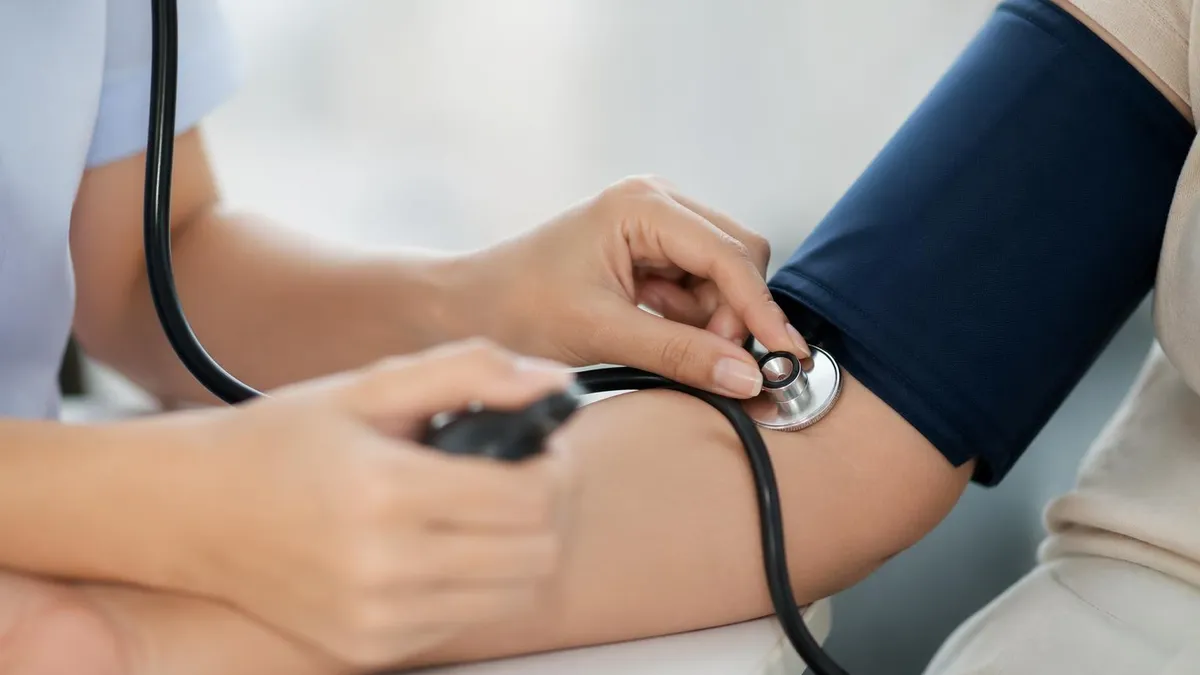
The clinical skills evaluation is where you demonstrate hands-on competencies in front of an evaluator. You'll be asked to perform a random selection of skills — usually three to five — from a list that includes hand washing, blood pressure measurement, patient positioning, catheter care, and range-of-motion exercises. Each cna class free program should prepare you for both portions, but additional practice at home makes a real difference. Use practice tests to identify your weak areas before exam day.
Here's a tip that experienced CNAs pass along: the evaluator is watching your communication as much as your technique. Announce every action before you do it — "I'm going to take your blood pressure now" — and maintain eye contact with the simulated patient.
Wash your hands before and after every skill, even if you just washed them thirty seconds ago. These details matter. And if you don't pass on the first attempt, don't panic. Most states allow you to retake the exam within 90 days, and many online cna classes free programs include a retake prep session at no charge.
Sample CNA Practice Questions
Try these questions from our free CNA practice tests. The correct answer and an explanation follow each question.
A resident receiving oxygen via nasal cannula has a flow rate ordered at 2 L/min. The CNA notices the humidifier bottle is empty. The best action is to:
- A. Turn off the oxygen until the nurse refills it
- B. Refill the humidifier bottle with sterile water and report
- C. Continue without the humidifier since flow is low
- D. Increase the flow rate to compensate for dryness
Answer: B. Refill the humidifier bottle with sterile water and report
Refilling with sterile water maintains humidification and prevents mucosal dryness; the nurse should be informed of the finding.
A new CNA joins the team. An experienced CNA notices the new hire uses a slightly different, but still safe, technique for transferring a resident. What is the best initial action for the experienced CNA to take to promote teamwork?
- A. Immediately correct the new CNA's technique in front of the resident.
- B. Report the different technique to the charge nurse as a potential problem.
- C. Privately and respectfully ask the new CNA about their technique, mentioning, 'I see you do that a bit differently, I'm just curious about your method.'
- D. Ignore the difference as long as the resident is not in immediate danger.
Answer: C. Privately and respectfully ask the new CNA about their technique, mentioning, 'I see you do that a bit differently, I'm just curious about your method.'
This approach fosters a positive, non-judgmental, and collaborative environment. It opens a dialogue for mutual learning, respects the new hire's previous training, and builds rapport. Confronting them publicly or reporting them can create defensiveness and damage team morale. A simple, curious inquiry allows for a teaching or learning moment for both CNAs.
Which technique is correct when cleaning eyeglasses for a resident?
- A. Use hot water and a paper towel
- B. Use a soft cloth and lens cleaner or warm water
- C. Wipe with an alcohol pad to disinfect
- D. Rinse under cold running water only
Answer: B. Use a soft cloth and lens cleaner or warm water
A soft cloth with lens cleaner or warm water cleans without scratching lenses or damaging coatings.
Which action is correct when applying an elastic (ACE) bandage to a patient's leg?
- A. Begin at the thigh and wrap downward
- B. Begin at the foot and wrap upward
- C. Apply as tightly as possible to prevent slipping
- D. Overlap each layer by 75% of the previous layer
Answer: B. Begin at the foot and wrap upward
Elastic bandages are applied from the distal (foot) end upward to promote venous blood return toward the heart.
CNA Questions and Answers
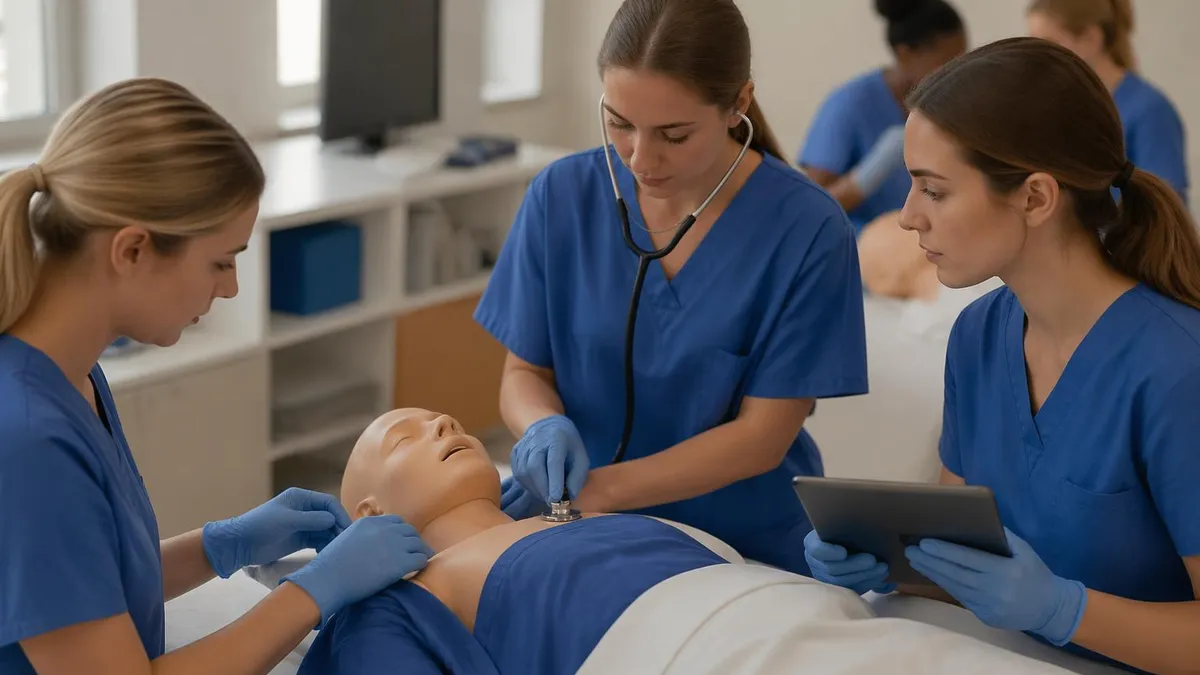
Restorative CNA: Duties, Training, Salary & How to Get Started
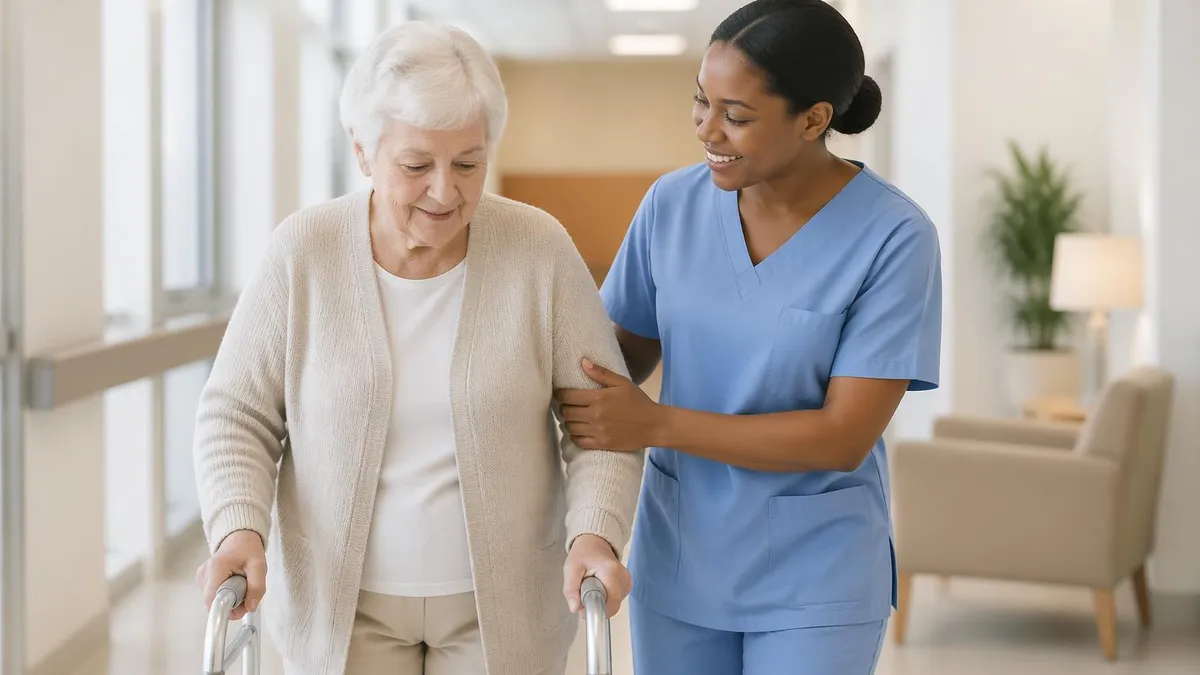
CNA Hospital Jobs Near Me: How to Find, Apply & Get Hired in 2026

Goodwill CNA Program: Free Classes, Costs, and How to Enroll
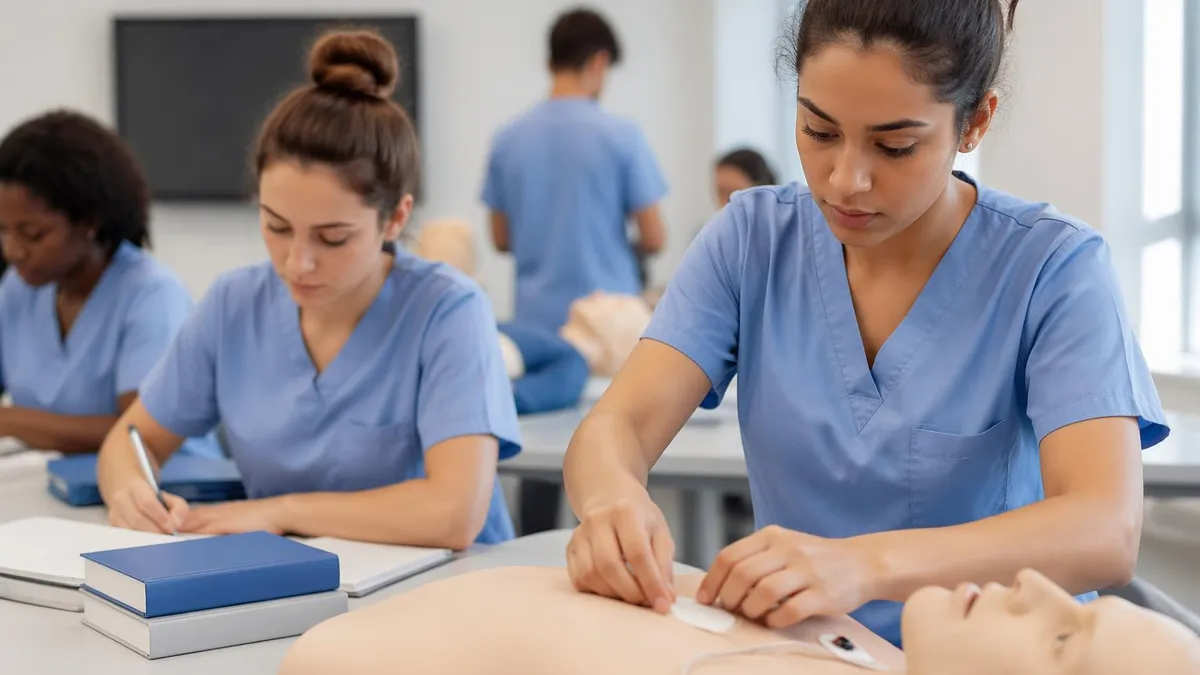
Hospice CNA: Duties, Salary, Per Diem Work & How to Get Started
4-Week CNA Program: Online Options, State Programs & How to Enroll
About the Author

Registered Nurse & Healthcare Educator
Johns Hopkins University School of NursingDr. Sarah Mitchell is a board-certified registered nurse with over 15 years of clinical and academic experience. She completed her PhD in Nursing Science at Johns Hopkins University and has taught NCLEX preparation and clinical skills courses for nursing students across the United States. Her research focuses on evidence-based exam preparation strategies for healthcare certification candidates.
Join the Discussion
Connect with other students preparing for this exam. Share tips, ask questions, and get advice from people who have been there.
View discussion (8 replies)