
CNA Schooling — Programs, Costs & Timeline (2026 October)
CNA schooling options explained. Training programs, costs, timelines, and how to choose the right CNA school. Free and paid options for 2026 October. 📝

CNA Schooling Overview
CNA schooling (also called CNA training or CNA certification programs) prepares you to work as a Certified Nursing Assistant. Unlike many healthcare careers, CNA schooling is relatively short and affordable — most programs can be completed in 2-16 weeks with costs ranging from free to $1,500.
Learn more in our guide on bank of missouri. Learn more in our guide on registered nurse salary by state. Learn more in our guide on first national bank of pennsylvania. Learn more in our guide on cruise terminal cape liberty new jersey.
Many readers pair this guide with the cna verification to check their readiness before exam day.
Many readers pair this guide with the cna license renewal to check their readiness before exam day.
What You'll Learn in CNA School
- Basic nursing skills: Vital signs, patient positioning, ambulation, feeding, bathing
- Infection control: Hand hygiene, PPE, standard precautions, isolation procedures
- Patient rights: Privacy, dignity, informed consent, abuse prevention
- Safety: Fall prevention, body mechanics, fire safety, emergency procedures
- Communication: Medical terminology, charting, reporting, teamwork
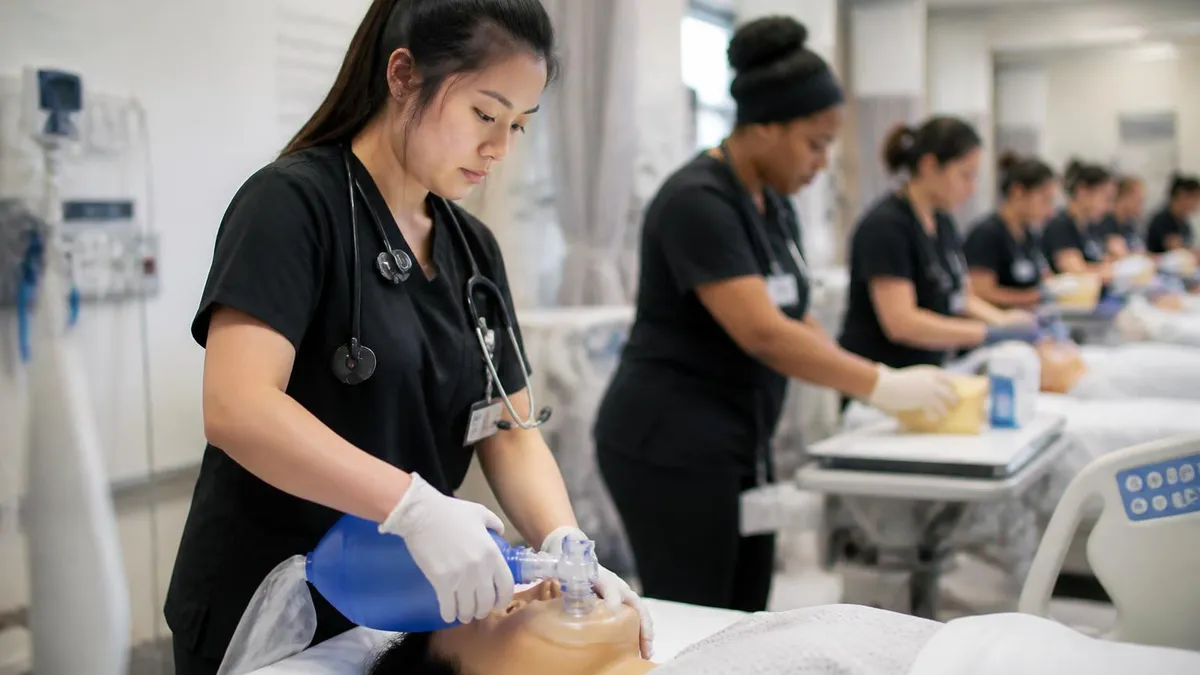
- Clinical practice: Hands-on patient care in a real healthcare facility
Requirements to Enroll
- Age: 16-18+ depending on state
- Education: No high school diploma required in most states (GED accepted)
- Background check: Required before clinical rotations
- Health screening: TB test, immunizations, physical exam
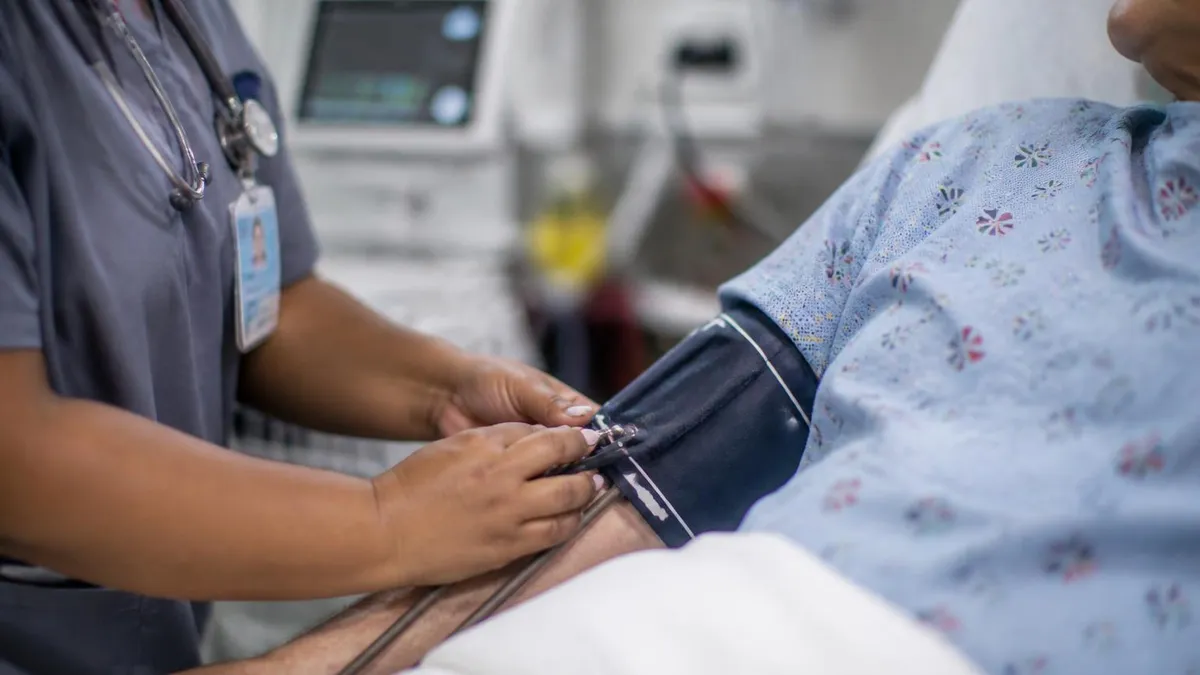
Did You Know? Many nursing homes, hospitals, and home health agencies offer FREE CNA schooling in exchange for a 6-12 month employment commitment. This is the most affordable path to becoming a CNA.
Types of CNA Schooling Programs
Community College Programs (4-16 weeks, $500-$1,500)
Offered at local community colleges with financial aid eligibility. Thorough training with college-level instruction. Often includes job placement assistance.
Vocational/Trade Schools (4-8 weeks, $800-$1,500)
Focused CNA training with faster completion. May offer day, evening, and weekend schedules for working adults.
Employer-Sponsored Programs (2-6 weeks, FREE)
Nursing homes, hospitals, and home health agencies pay for your training in exchange for employment commitment. Best option financially — you earn while you learn.
Red Cross CNA Programs (4-10 weeks, $1,000-$1,500)
American Red Cross offers CNA training in many states. Well-regarded programs with standardized curriculum and experienced instructors.
Online + Clinical Hybrid (4-12 weeks, $500-$1,200)
Complete classroom theory online, then attend in-person clinical rotations. Maximum flexibility for busy schedules.

CNA Schooling Costs & Financial Aid
- Employer-sponsored: $0 (free with employment commitment)
- Community college: $500-$1,500 (Pell Grant eligible)
- Vocational school: $800-$1,500 (payment plans available)
- Red Cross: $1,000-$1,500 (scholarships available)
Financial Aid Options
- Pell Grants: Free money at eligible community colleges
- WIOA funding: Free training through workforce development
- State grants: Many states offer healthcare workforce scholarships
- Employer sponsorship: Free training with job commitment
- ✓Research CNA programs in your area (check community colleges, Red Cross, employers)
- ✓Verify the program is state-approved
- ✓Compare costs and check financial aid options
- ✓Ensure you meet age and health requirements
- ✓Get background check and immunizations
- ✓Enroll and complete classroom + clinical training
- ✓Apply for the CNA competency exam
- ✓Pass written and skills exam
- ✓Apply to your state Nurse Aide Registry
CNA: Pros and Cons
- +cna — structured CNA training builds a solid foundation of skills
- +Multiple training formats available: online, in-person, and hybrid
- +Hands-on practice prepares you for real-world job scenarios
- +Training programs often include job placement assistance
- +Continuing education keeps your skills current with industry changes
- −Training programs can be time-intensive (weeks to months)
- −Quality varies significantly between training providers
- −Costs for comprehensive programs can be substantial
- −Hands-on components may require travel or in-person attendance
- −Self-paced learning requires strong discipline and motivation
Pros and Cons at a Glance
| Pros | Cons |
|---|---|
| cna — structured CNA training builds a solid foundation of skills | Training programs can be time-intensive (weeks to months) |
| Multiple training formats available: online, in-person, and hybrid | Quality varies significantly between training providers |
| Hands-on practice prepares you for real-world job scenarios | Costs for comprehensive programs can be substantial |
| Training programs often include job placement assistance | Hands-on components may require travel or in-person attendance |
| Continuing education keeps your skills current with industry changes | Self-paced learning requires strong discipline and motivation |
Sample CNA Practice Questions
Try these questions from our free CNA practice tests. The correct answer and an explanation follow each question.
What is the primary goal of a restorative nursing program for a resident with contractures?
- A. Eliminate all contractures within 30 days
- B. Maintain current range of motion and prevent further deformity
- C. Return the resident to full pre-illness function
- D. Reduce the need for pain medication
Answer: B. Maintain current range of motion and prevent further deformity
Restorative goals focus on maintaining existing function and preventing further decline, not necessarily reversing established contractures.
During a restorative feeding program, a resident with dysphagia begins coughing repeatedly. The CNA should FIRST:
- A. Offer more liquid to help clear the throat
- B. Continue feeding since some coughing is expected
- C. Stop feeding and notify the nurse
- D. Tilt the resident's head back to open the airway
Answer: C. Stop feeding and notify the nurse
Repeated coughing during eating may signal aspiration; the CNA must stop the feeding session and immediately notify the nurse.
When applying a dry sterile dressing, the CNA's primary role is to:
- A. Clean the wound with hydrogen peroxide
- B. Assist the nurse and maintain a clean field
- C. Apply the dressing independently
- D. Irrigate the wound before dressing
Answer: B. Assist the nurse and maintain a clean field
CNAs assist the nurse during dressing changes and support maintaining a clean environment but do not perform wound care independently.
Which action should a CNA take FIRST when a wound dressing becomes wet or soiled?
- A. Remove the dressing and leave the wound open to air
- B. Report it to the nurse and document the observation
- C. Apply a new dressing using supplies in the room
- D. Cover the wet dressing with another layer of gauze
Answer: B. Report it to the nurse and document the observation
CNAs must report changes such as a soiled dressing to the nurse, as dressing changes require nursing assessment and orders.



About the Author

Registered Nurse & Healthcare Educator
Johns Hopkins University School of NursingDr. Sarah Mitchell is a board-certified registered nurse with over 15 years of clinical and academic experience. She completed her PhD in Nursing Science at Johns Hopkins University and has taught NCLEX preparation and clinical skills courses for nursing students across the United States. Her research focuses on evidence-based exam preparation strategies for healthcare certification candidates.
Join the Discussion
Connect with other students preparing for this exam. Share tips, ask questions, and get advice from people who have been there.
View discussion (8 replies)