
CNA License — How to Get Licensed in Your State (2026 October)
How to get your CNA license. State requirements, application steps, costs, and timelines for CNA certification and licensure in 2026 October. 🎯

CNA License Overview
A CNA license (also called CNA certification) is required to work as a Certified Nursing Assistant in all 50 states. The licensing process involves completing an approved training program and passing a competency exam.
CNA vs. Certification vs. License
The terms are often used interchangeably, but there's a technical difference:
- CNA Certification: Earned by passing the state competency exam (written + skills). This is what most people mean by 'CNA license.'
- State Registry: Your name is added to the state Nurse Aide Registry upon certification. This is your official credential.
- License: Some states technically issue a 'license' while others issue 'certification.' The requirements are the same.
Regardless of terminology, you need to complete training, pass the exam, and be listed on your state's registry to work legally as a CNA.
Learn more in our guide on bank of missouri. Learn more in our guide on registered nurse salary by state. Learn more in our guide on wisconsin dmv. Learn more in our guide on first national bank of pennsylvania. Learn more in our guide on cruise terminal cape liberty new jersey.
If you want more targeted practice, the point link care cna page covers the same material with additional questions and explanations.
If you want more targeted practice, the cna written exam practice test page covers the same material with additional questions and explanations.
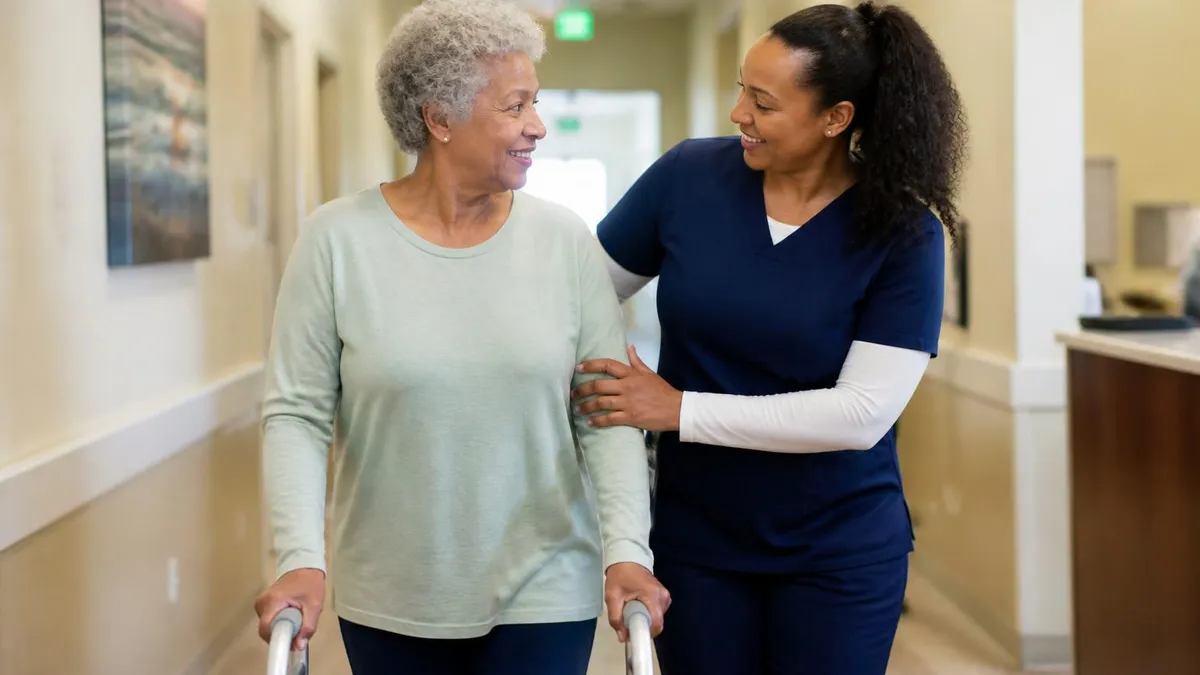
Key Fact: Federal law (OBRA) requires a minimum of 75 hours of CNA training, but most states require 100-180 hours. Always check your specific state's requirements before enrolling in a program.
How to Get Your CNA License
- Complete a state-approved CNA training program (75-180 hours depending on state)
- Apply for the competency exam through your state's testing organization (Prometric, Pearson VUE, or Headmaster)
- Pass the written/oral exam (60-100 multiple choice questions)
- Pass the clinical skills evaluation (perform 3-5 nursing skills)
- Submit your application to the state Nurse Aide Registry
- Receive your CNA certification — processing takes 2-6 weeks
Training Requirements
- Classroom instruction: Anatomy, medical terminology, patient rights, infection control, safety
- Clinical practice: Hands-on training in a healthcare facility under nurse supervision
- Minimum hours: 75 federal minimum, but states range from 75 to 180+ hours
- Training: 150 hours minimum
- Exam: Pearson VUE (NNAAP)
- Cost: ~$100-$200 total
- Processing: 4-6 weeks
- Registry: CDPH ATCS
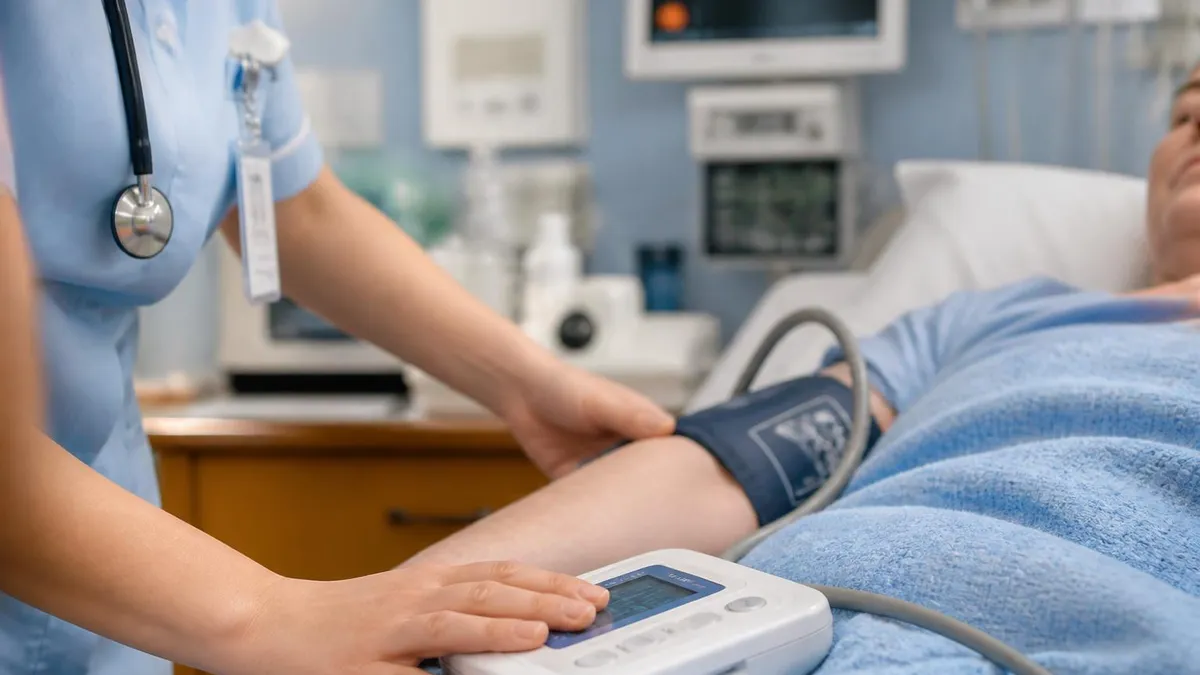
- ✓Meet age requirement (16-18+ depending on state)
- ✓Complete state-approved CNA training program
- ✓Submit exam application and fee
- ✓Pass written/oral competency exam
- ✓Pass clinical skills evaluation
- ✓Clear background check
- ✓Apply to state Nurse Aide Registry
- ✓Receive certification (2-6 weeks)
- ✓Set reminder for renewal date (every 2 years)

CNA: Pros and Cons
- +cna — cNA credential is recognized by employers and industry professionals
- +Higher earning potential compared to non-credentialed peers
- +Expanded career opportunities and professional advancement
- +Structured learning path builds comprehensive knowledge
- +Professional development that stays current with industry standards
- −Preparation requires significant time and study commitment
- −Associated costs for exams, materials, and renewal fees
- −Continuing education needed to maintain credentials
- −Competition for advanced positions can be challenging
- −Requirements and standards may vary by state or region
Pros and Cons at a Glance
| Pros | Cons |
|---|---|
| cna — cNA credential is recognized by employers and industry professionals | Preparation requires significant time and study commitment |
| Higher earning potential compared to non-credentialed peers | Associated costs for exams, materials, and renewal fees |
| Expanded career opportunities and professional advancement | Continuing education needed to maintain credentials |
| Structured learning path builds comprehensive knowledge | Competition for advanced positions can be challenging |
| Professional development that stays current with industry standards | Requirements and standards may vary by state or region |
Sample CNA Practice Questions
Try these questions from our free CNA practice tests. The correct answer and an explanation follow each question.
A resident's advance directive states she does not want CPR. During a shift, she stops breathing. The CNA should:
- A. Begin CPR immediately regardless of the directive
- B. Call the charge nurse immediately and do not initiate CPR
- C. Wait to see if another staff member initiates CPR
- D. Contact the family before taking any action
Answer: B. Call the charge nurse immediately and do not initiate CPR
Advance directives are legally binding documents. A DNR order means CPR must not be initiated, and the CNA must call for nursing help immediately.
A resident who is a Jehovah's Witness is found with a significant, actively bleeding leg wound. Their chart and a bracelet clearly state "No Blood Products." The resident is conscious but confused. The CNA should:
- A. Apply firm, direct pressure to the wound and immediately report the situation and the directive to the nurse.
- B. Avoid touching the wound and find the nurse to make all decisions.
- C. Ask the resident's spouse, who is visiting, for permission to allow a blood transfusion.
- D. Assume the directive is void in a life-threatening emergency and focus only on stopping the bleeding.
Answer: A. Apply firm, direct pressure to the wound and immediately report the situation and the directive to the nurse.
The CNA's immediate responsibility is to provide basic first aid within their scope of practice, which includes applying direct pressure to control bleeding. Simultaneously, they must respect the patient's advance directive by immediately informing the nurse of both the bleeding and the "No Blood Products" directive. The nurse and medical team will then manage the clinical and ethical aspects of treatment. A CNA should not ignore the directive or seek consent from others.
A CNA is working in a state where, with additional certification and under specific circumstances, they are permitted to perform certain advanced tasks. Which of these tasks would most likely require this type of special certification?
- A. Performing range-of-motion exercises on a post-stroke resident.
- B. Discontinuing a resident's indwelling urinary catheter.
- C. Assisting a resident with using a metered-dose inhaler.
- D. Documenting a resident's fluid intake and output.
Answer: B. Discontinuing a resident's indwelling urinary catheter.
While specific regulations vary by state, discontinuing (removing) an indwelling urinary catheter is an invasive procedure that is generally outside the standard CNA scope. Some states or facilities may allow a specially trained CNA to perform this task. The other tasks, such as assisting with inhalers (but not administering the medication independently), performing restorative exercises, and documenting I&O, are more commonly within the standard CNA role.
Which observation about a resident's urine should be reported to the nurse immediately?
- A. Urine that is pale yellow and clear
- B. Urine that is dark amber after low fluid intake
- C. Urine with a strong odor, cloudy appearance, and visible sediment
- D. Slightly stronger odor in the morning than during the day
Answer: C. Urine with a strong odor, cloudy appearance, and visible sediment
Cloudy urine with sediment and strong odor may indicate a urinary tract infection and requires immediate nursing assessment.



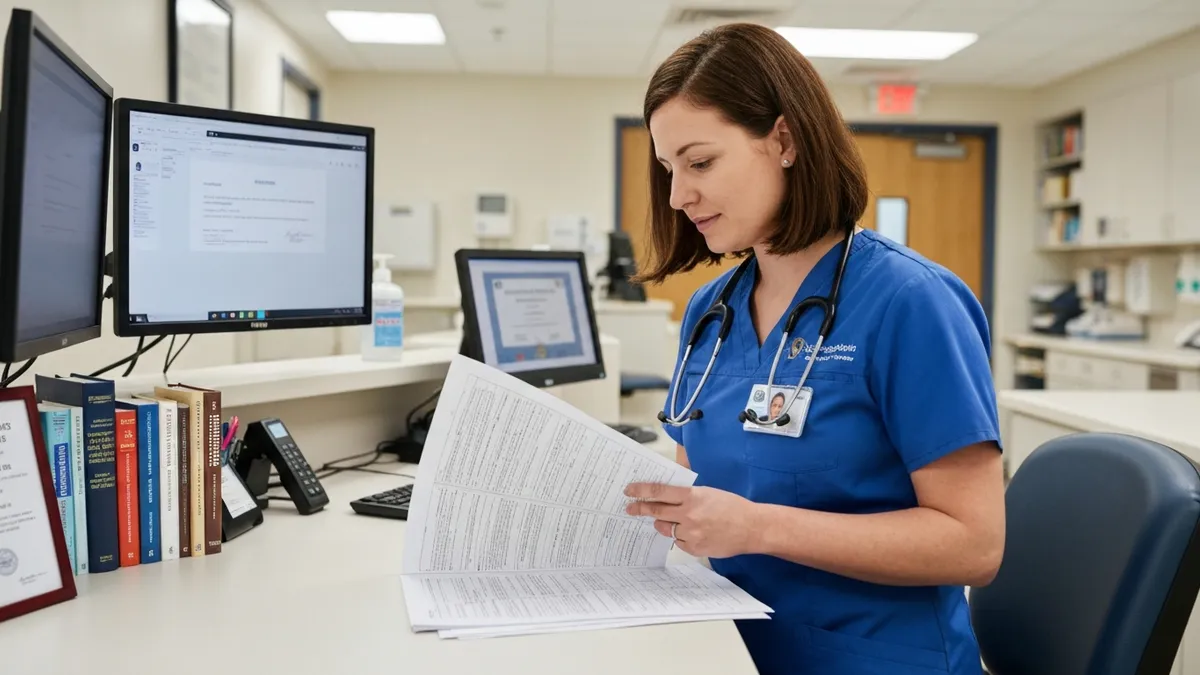
About the Author

Registered Nurse & Healthcare Educator
Johns Hopkins University School of NursingDr. Sarah Mitchell is a board-certified registered nurse with over 15 years of clinical and academic experience. She completed her PhD in Nursing Science at Johns Hopkins University and has taught NCLEX preparation and clinical skills courses for nursing students across the United States. Her research focuses on evidence-based exam preparation strategies for healthcare certification candidates.
Join the Discussion
Connect with other students preparing for this exam. Share tips, ask questions, and get advice from people who have been there.
View discussion (8 replies)