

CHP Practice Test
Updated for October 2026What's new for the CHP hiring process in 2026
- The CHP written exam is the PELLET-B (POST Entry-Level Law Enforcement Test Battery), administered by the California Commission on Peace Officer Standards and Training. It has three sections — Writing Ability, Reading Ability, and Reasoning Ability — and applicants who fail must wait 30 calendar days before retaking it. (source)
- The Physical Abilities Test (PAT) minimums are: 25 sit-ups in 1 minute, 19 push-ups in 1 minute, a 1.5-mile run in 15 minutes, and a 300-meter run in 70 seconds. Missing any one component disqualifies you for that exam cycle, but you can reapply in the next one. (source)
- Minimum requirements to apply: a high school diploma or GED, legal authorization to work in the U.S., an age between 20 and 35, and no felony convictions. (source)
- The full hiring process — application, PAT, written exam, background investigation, and medical/psychological evaluation — typically takes 6 to 12 months from application to Academy appointment. (source)
- Cadets who pass every stage attend the CHP Academy in West Sacramento for 26 weeks of live-in training covering academics, physical conditioning, and high-speed driving before graduating as officers. (source)
- CHP's own recruitment site currently advertises a starting salary of $128,000 per year for officers, plus a full benefits package. (source)
Last verified: September 26, 2026 against chpmadeformore.com (the CHP's official recruitment site) and chp.ca.gov.
The California Highway Patrol (CHP) plays a vital role in ensuring the safety and security of California’s highways. Aspiring officers must pass a series of rigorous tests and training programs to join this esteemed organization. This guide will provide an in-depth look at the CHP test, incident reporting, motorcycle training, public safety, and emergency response.
Candidates preparing for state trooper can build exam confidence with our state trooper exam 2026, which covers all key topics and question formats used in the real assessment.
CHP Practice Test Questions
Prepare for the CHP - California Highway Patrol exam with our free practice test modules. Each quiz covers key topics to help you pass on your first try.
CHP Accident Investigation
CHP Exam Questions covering Accident Investigation. Master CHP Test concepts for certification prep.
CHP California Traffic Laws
Free CHP Practice Test featuring California Traffic Laws. Improve your CHP Exam score with mock test prep.
CHP Firearms and Use of Force
CHP Mock Exam on CHP Firearms and Use of Force. CHP Study Guide questions to pass on your first try.
CHP First Aid and Emergency Medical Response
CHP Test Prep for CHP First Aid and Emergency Medical Response. Practice CHP Quiz questions and boost your score.
CHP Community Relations
CHP Questions and Answers on Community Relations. Free CHP practice for exam readiness.
CHP Criminal Law Basics
CHP Mock Test covering Criminal Law Basics. Online CHP Test practice with instant feedback.
CHP DUI Detection and Enforcement
Free CHP Quiz on DUI Detection and Enforcement. CHP Exam prep questions with detailed explanations.
CHP Emergency Response
CHP Practice Questions for Emergency Response. Build confidence for your CHP certification exam.
CHP Ethics and Integrity
CHP Test Online for Ethics and Integrity. Free practice with instant results and feedback.
CHP Ethics and Professional Standards
CHP Study Material on Ethics and Professional Standards. Prepare effectively with real exam-style questions.
CHP Law Enforcement Procedures
Free CHP Test covering Law Enforcement Procedures. Practice and track your CHP exam readiness.
CHP Logical Reasoning
CHP Exam Questions covering Logical Reasoning. Master CHP Test concepts for certification prep.
CHP Physical Fitness Requirements
Free CHP Practice Test featuring Physical Fitness Requirements. Improve your CHP Exam score with mock test prep.
California Highway Patrol
Key Takeaways
CHP’s Role: The California Highway Patrol is dedicated to ensuring the safety and security of California’s highways through law enforcement, public safety initiatives, and emergency response.
Incident Reporting: Accurate and detailed incident reporting is crucial for legal compliance and safety analysis.
Motorcycle Training: Specialized training courses prepare CHP motorcycle officers for the unique challenges of patrolling on two wheels.
Public Safety: The CHP’s commitment to public safety includes traffic law enforcement, DUI checkpoints, community outreach, and disaster response.
Emergency Response: CHP officers are trained to respond efficiently to emergencies, saving lives and minimizing damage.
The California Highway Patrol is a state law enforcement agency dedicated to protecting the lives and property of California’s residents and visitors. CHP officers enforce traffic laws, respond to emergencies, investigate accidents, and ensure the safety of highways and roads. The CHP’s mission is to provide the highest level of safety, service, and security.
CHP Incident Report California Highway Patrol
Incident reporting is a critical aspect of the CHP’s responsibilities. Officers must accurately document incidents to ensure proper legal procedures and safety measures. This includes traffic accidents, criminal activities, and other emergencies.
Key Components of CHP Incident Reports:
- Accurate Information: Collecting detailed information about the incident, including the time, location, and parties involved.
- Photographic Evidence: Taking photographs of the scene to provide visual evidence.
- Witness Statements: Gathering statements from witnesses to corroborate the events.
- Officer Observations: Documenting the officer’s observations and actions taken at the scene.
- Legal Compliance: Ensuring the report complies with legal standards and departmental protocols.
Proper incident reporting helps in the investigation and prosecution of criminal activities, as well as in the analysis of traffic safety data to prevent future incidents.
- ✓Review the official CHP exam content outline
- ✓Take a diagnostic practice test to identify weak areas
- ✓Create a study schedule (4-8 weeks recommended)
- ✓Focus on your weakest domains first
- ✓Complete at least 3 full-length practice exams
- ✓Review all incorrect answers with detailed explanations
- ✓Take a final practice test 1 week before exam day
California Highway Patrol Motorcycle Training Course
The CHP offers specialized motorcycle training courses for officers who patrol on motorcycles. These courses are designed to enhance the skills and safety of motorcycle officers, who face unique challenges on the road.
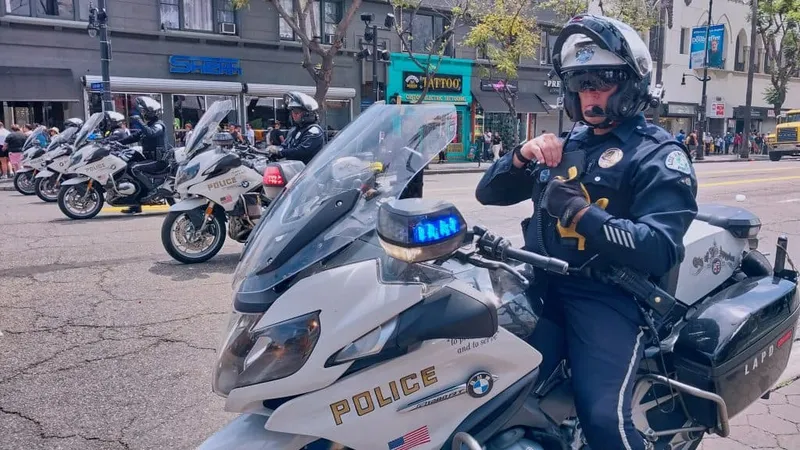
Components of the Motorcycle Training Course:
- Basic Rider Course: Covers fundamental riding skills and techniques, including balance, steering, and braking.
- Advanced Rider Course: Focuses on advanced techniques such as evasive maneuvers, high-speed riding, and tactical operations.
- Safety Training: Emphasizes the importance of safety gear, proper maintenance of motorcycles, and safe riding practices.
- Scenario-Based Training: Involves real-world scenarios to prepare officers for the challenges they may encounter on duty.
- Certification: Officers must pass written and practical exams to become certified motorcycle officers.
The motorcycle training course ensures that CHP officers are well-prepared to handle the demands of patrolling on two wheels, contributing to overall road safety.
Public Safety
Public safety is at the core of the CHP’s mission. The agency works tirelessly to protect the public from various threats and hazards. This includes enforcing traffic laws, conducting DUI checkpoints, and engaging in community outreach programs.
CHP Public Safety Initiatives:
- Traffic Law Enforcement: Ensuring drivers comply with speed limits, seat belt laws, and other traffic regulations.
- DUI Enforcement: Conducting sobriety checkpoints and patrolling for impaired drivers to reduce alcohol-related accidents.
- Community Outreach: Educating the public about road safety through programs and events.
- Disaster Response: Assisting in natural disasters and emergencies, including evacuations and search-and-rescue operations.
- Collaboration with Other Agencies: Working with local, state, and federal agencies to enhance public safety and security.
By focusing on public safety, the CHP helps to create a safer environment for all Californians.
Emergency Response
Emergency response is a critical function of the CHP. Officers are trained to handle a wide range of emergencies, from traffic accidents to natural disasters. Their prompt and efficient response can save lives and minimize damage.
Key Aspects of CHP Emergency Response:
- 24/7 Availability: CHP officers are on duty around the clock to respond to emergencies.
- Quick Dispatch: Advanced communication systems ensure that officers are dispatched quickly to the scene of an emergency.
- Life-Saving Skills: Officers are trained in first aid, CPR, and other life-saving techniques.
- Coordination with Other Agencies: Collaborating with fire departments, EMS, and other law enforcement agencies to provide comprehensive emergency response.
- Disaster Preparedness: Participating in drills and training exercises to prepare for large-scale emergencies.
Effective emergency response by the CHP helps to protect lives and property during critical situations.
FAQs
What is the main role of the California Highway Patrol?
The main role of the CHP is to enforce traffic laws, ensure road safety, respond to emergencies, and protect the lives and property of California’s residents and visitors.
What does the CHP incident report include?
A CHP incident report includes detailed information about the incident, photographic evidence, witness statements, officer observations, and legal compliance.
What is involved in the CHP motorcycle training course?
The CHP motorcycle training course includes basic and advanced riding skills, safety training, scenario-based training, and certification exams.
How does the CHP contribute to public safety?
The CHP contributes to public safety through traffic law enforcement, DUI checkpoints, community outreach programs, disaster response, and collaboration with other agencies.
How are CHP officers trained for emergency response?
CHP officers are trained in first aid, CPR, quick dispatch systems, coordination with other agencies, and disaster preparedness drills to ensure efficient emergency response.
What qualifications are required to join the California Highway Patrol?
Applicants must meet specific age, education, and physical fitness requirements, pass written and physical exams, and complete rigorous training at the CHP Academy.
What types of emergencies does the CHP respond to?
The CHP responds to a wide range of emergencies, including traffic accidents, natural disasters, criminal activities, and other incidents requiring immediate attention.
How does the CHP ensure the accuracy of incident reports?
The CHP ensures the accuracy of incident reports through detailed documentation, adherence to legal standards, and thorough training of officers in report writing.
CHP: Pros and Cons
- +CHP exam preparation strengthens your knowledge across all domains
- +Passing the exam proves competency to employers and clients
- +Study materials and practice tests are widely available
- +Exam-based credentials are portable across states and employers
- +Clear exam objectives help focus your study plan effectively
- −Exam anxiety can affect performance — practice tests help reduce it
- −Registration fees are non-refundable if you miss your test date
- −Limited retake opportunities may apply with waiting periods
- −Exam content updates periodically — use current study materials
- −Testing center availability may require advance scheduling
Pros and Cons at a Glance
| Pros | Cons |
|---|---|
| CHP exam preparation strengthens your knowledge across all domains | Exam anxiety can affect performance — practice tests help reduce it |
| Passing the exam proves competency to employers and clients | Registration fees are non-refundable if you miss your test date |
| Study materials and practice tests are widely available | Limited retake opportunities may apply with waiting periods |
| Exam-based credentials are portable across states and employers | Exam content updates periodically — use current study materials |
| Clear exam objectives help focus your study plan effectively | Testing center availability may require advance scheduling |
Sample California Highway Patrol Practice Questions
Try these questions from our free California Highway Patrol practice tests. The correct answer and an explanation follow each question.
Under California law, what is the minimum following distance required when driving behind a large truck at highway speeds?
- A. One car length per 10 mph
- B. 300 feet
- C. At least 3 seconds of following distance
- D. 100 feet regardless of speed
Answer: C. At least 3 seconds of following distance
California law requires drivers to maintain a following distance of at least 3 seconds, though more distance is recommended when following large vehicles.
Which type of DUI checkpoint is specifically authorized under California law and has been upheld by the California Supreme Court?
- A. Random roving patrols
- B. Sobriety checkpoints with advance notice and neutral criteria
- C. Officer-discretion stops at any location
- D. Checkpoints only on state highways
Answer: B. Sobriety checkpoints with advance notice and neutral criteria
In Ingersoll v. Palmer (1987), the California Supreme Court upheld sobriety checkpoints that follow specific operational guidelines including advance publicity and neutral selection criteria.
Which of the following persons is NOT required to obtain a California driver's license to drive on California public roads?
- A. A foreign tourist who has been in California for six months
- B. An active-duty military member stationed in California with a valid home-state license
- C. An out-of-state college student residing in California for two years
- D. A Nevada resident who commutes daily into California for work
Answer: B. An active-duty military member stationed in California with a valid home-state license
Active military members stationed in California may drive using a valid license from their home state and are exempt from California's residency-based licensing requirement.
What is the maximum prima facie speed limit on a two-lane undivided highway in California unless otherwise posted?
- A. 45 mph
- B. 55 mph
- C. 60 mph
- D. 65 mph
Answer: B. 55 mph
CVC 22349 establishes 55 mph as the maximum prima facie speed limit on two-lane undivided highways.
About the Author

Certified Professional Development Expert & Niche Certification Advisor
University of Pennsylvania Graduate School of EducationDr. Alexandra Kim holds a PhD in Professional Studies from the University of Pennsylvania and is a Certified Professional in Learning and Performance (CPLP) and Certified Professional in Talent Development (CPTD). With 17 years of corporate training and professional certification advisory experience, she helps professionals navigate specialized, emerging, and cross-industry certification programs.