
A Comprehensive Guide to the Certified Professional in Erosion and Sediment Control (CPESC) Certification
Environmental protection is a critical concern in construction and land development, as these activities can significantly impact soil,

Environmental protection is a critical concern in construction and land development, as these activities can significantly impact soil, water, and surrounding ecosystems. Erosion and sediment control is an essential aspect of construction projects to prevent harmful environmental effects, such as water pollution and soil degradation. Professionals in this field work to ensure that construction practices minimize erosion and control sediment runoff, maintaining the health of natural resources.
The Certified Professional in Erosion and Sediment Control (CPESC) certification is a widely recognized credential that demonstrates a professional’s expertise in designing, implementing, and managing effective erosion and sediment control practices. Offered by the EnviroCert International, Inc., the CPESC certification is highly respected in industries like construction, civil engineering, environmental consulting, and land development. In this guide, we will explore the CPESC certification process, its benefits, preparation tips, and career opportunities available to certified professionals in the field of erosion and sediment control.
Free CPESC Practice Test Online
Key Takeaways:
What is CPESC Certification?
The Certified Professional in Erosion and Sediment Control (CPESC) is a credential that validates a professional’s knowledge and ability to manage erosion and sediment control practices on construction sites, ensuring compliance with environmental regulations.Certification Requirements:
To earn CPESC certification, candidates must meet educational and professional experience requirements, pass an exam, and demonstrate practical expertise in erosion and sediment control methods.
Key Benefits of CPESC Certification:
CPESC certification enhances professional credibility, provides career advancement opportunities, increases earning potential, and helps professionals ensure compliance with environmental laws and regulations.
Certification Topics Covered by CPESC:
The CPESC exam covers topics such as erosion and sediment control methods, hydrology, stormwater management, regulatory compliance, and environmental best practices.
Career Opportunities for CPESC-Certified Professionals:
CPESC-certified professionals can work as environmental consultants, construction site supervisors, project managers, and stormwater management experts, with opportunities in government agencies, private consulting firms, and large construction companies.
NWCO nuisance wildlife control candidates often also prepare with our Firearm Safety Certificate practice test for the wildlife and firearm safety principles both state licensing programs require.
Infection control professionals preparing for the CIC exam can supplement their study with our NCLEX Practice Test 2026, which covers infection prevention and patient safety protocols.
Candidates preparing for HR certification may also benefit from reviewing the Professional in Human Resources (PHR) Practice Test 2026, which covers related compensation, workforce planning, and employee relations competencies.
Insurance management professionals preparing for the CIMP exam can complement their studies with the ACAMS Anti-Money Laundering Practice Test 2026 to reinforce risk management, regulatory compliance, and financial crime prevention frameworks.
CPESC Practice Test Questions
Prepare for the CPESC - Certified Professional in Erosion and Sediment Control exam with our free practice test modules. Each quiz covers key topics to help you pass on your first try.

CPESC BMP Selection
CPESC Exam Questions covering BMP Selection. Master CPESC Test concepts for certification prep.
Start FREE Test
CPESC Construction Site Controls
Free CPESC Practice Test featuring Construction Site Controls. Improve your CPESC Exam score with mock test prep.
Start FREE Test
CPESC Erosion Control Methods & Techniques
CPESC Mock Exam on Erosion Control Methods & Techniques. CPESC Study Guide questions to pass on your first try.
Start FREE Test
CPESC Fundamentals & Core Concepts
CPESC Test Prep for Fundamentals & Core Concepts. Practice CPESC Quiz questions and boost your score.
Start FREE Test
CPESC Inspection Procedures
CPESC Questions and Answers on Inspection Procedures. Free CPESC practice for exam readiness.
Start FREE Test
CPESC Permit Requirements
CPESC Mock Test covering Permit Requirements. Online CPESC Test practice with instant feedback.
Start FREE Test
CPESC Professional Ethics & Conduct
Free CPESC Quiz on Professional Ethics & Conduct. CPESC Exam prep questions with detailed explanations.
Start FREE Test
CPESC Regulatory Compliance & Environmenta...
CPESC Practice Questions for Regulatory Compliance & Environmental Laws. Build confidence for your CPESC certification exam.
Start FREE Test
CPESC Safety & Risk Management
CPESC Test Online for Safety & Risk Management. Free practice with instant results and feedback.
Start FREE Test
CPESC Sediment Control Best Practices
CPESC Study Material on Sediment Control Best Practices. Prepare effectively with real exam-style questions.
Start FREE Test
CPESC Site Assessment & Planning
Free CPESC Test covering Site Assessment & Planning. Practice and track your CPESC exam readiness.
Start FREE Test
CPESC Soil Science
CPESC Exam Questions covering Soil Science. Master CPESC Test concepts for certification prep.
Start FREE Test
CPESC Standards & Best Practices
Free CPESC Practice Test featuring Standards & Best Practices. Improve your CPESC Exam score with mock test prep.
Start FREE Test
CPESC Stormwater Management
CPESC Mock Exam on Stormwater Management. CPESC Study Guide questions to pass on your first try.
Start FREE Test
CPESC Vegetative Stabilization
CPESC Test Prep for Vegetative Stabilization. Practice CPESC Quiz questions and boost your score.
Start FREE Test
CPESC Water Quality Standards
CPESC Questions and Answers on Water Quality Standards. Free CPESC practice for exam readiness.
Start FREE TestWhat Does a CPESC-Certified Professional Do?
A Certified Professional in Erosion and Sediment Control (CPESC) is an expert in managing environmental issues related to soil erosion and sediment runoff on construction sites and other land-disturbing activities. CPESC professionals are responsible for ensuring that erosion and sediment control measures are designed, implemented, and maintained throughout the life of a construction project.
Key responsibilities of a CPESC-certified professional include:
Designing Erosion and Sediment Control Plans:
CPESC professionals design and implement erosion and sediment control plans to prevent soil erosion and sediment runoff during construction activities. These plans may include strategies like silt fences, sediment basins, mulching, and vegetation cover.
Monitoring and Inspecting Construction Sites:
CPESC-certified professionals inspect construction sites to ensure that erosion and sediment control measures are properly installed and maintained. They ensure compliance with local, state, and federal regulations and take corrective actions when necessary.
Stormwater Management:
CPESC professionals also focus on stormwater management, ensuring that runoff is controlled and directed to proper treatment systems. They design systems to minimize the impact of rainwater and reduce sedimentation in nearby water bodies.
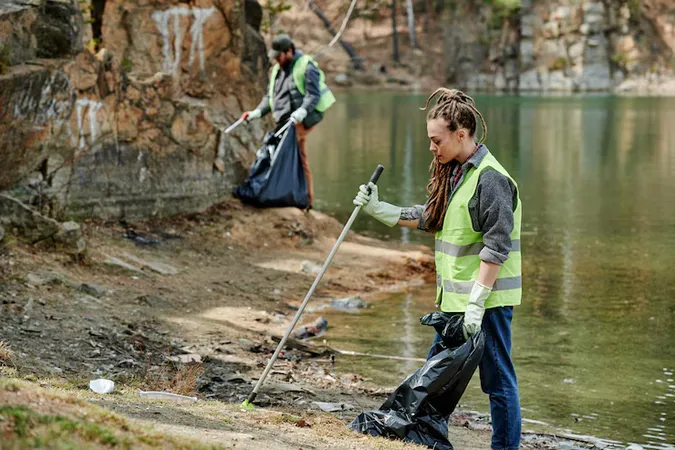
Ensuring Regulatory Compliance:
Erosion and sediment control measures must comply with a variety of environmental laws and regulations, including those set by the Environmental Protection Agency (EPA) and the Clean Water Act. CPESC professionals ensure that construction projects meet these regulatory requirements.Providing Training and Education:
Certified professionals may also be responsible for educating construction workers, engineers, and project managers about proper erosion control methods and the importance of maintaining effective practices on construction sites.
CPESC Certification Requirements
To earn the CPESC certification, candidates must meet several educational and professional experience requirements, including:
Educational Background:
While there are no strict educational prerequisites, most candidates have a background in environmental science, civil engineering, landscape architecture, or a related field. A bachelor’s degree is often preferred but not always required.Work Experience:
Candidates must have at least two years of professional experience in erosion and sediment control. This experience may involve working on construction sites, performing inspections, designing control plans, or managing stormwater systems.
Passing the CPESC Exam:
The CPESC exam is designed to test a candidate’s knowledge of erosion and sediment control practices, regulatory compliance, and stormwater management. The exam includes multiple-choice questions and practical case studies, and candidates must score a passing grade to earn certification.
Continuing Education:
To maintain CPESC certification, professionals must complete continuing education courses to stay updated on new regulations, techniques, and best practices in erosion and sediment control.
Topics Covered in CPESC Certification
The CPESC certification exam tests candidates on a wide range of topics related to erosion and sediment control. Key topics include:
Erosion Control Techniques:
The exam covers a variety of methods used to control erosion on construction sites, such as soil stabilization, vegetation planting, and the use of erosion control blankets and mats.Sediment Control:
CPESC professionals must understand how to control sediment runoff, including the use of sediment barriers, sediment ponds, and dewatering methods. Knowledge of how to direct runoff safely and treat sediment-laden water is crucial.
Stormwater Management:
Stormwater runoff is a significant concern on construction sites, and the exam tests knowledge of techniques to manage and treat stormwater, such as detention basins, swales, and stormwater filtering systems.
Regulatory Compliance:
A significant portion of the exam is dedicated to ensuring that professionals understand the regulatory landscape surrounding erosion and sediment control, including knowledge of local, state, and federal regulations, such as the Clean Water Act and the National Pollutant Discharge Elimination System (NPDES).
Site Inspections and Monitoring:
The exam also evaluates skills related to monitoring construction sites, inspecting erosion control measures, and documenting compliance with project specifications and regulatory standards.
Benefits of CPESC Certification
The CPESC certification provides several benefits for professionals in the erosion and sediment control field:
Enhanced Professional Credibility:
Earning the CPESC certification demonstrates a commitment to high standards in erosion and sediment control. It is a recognized credential that proves an individual has the skills necessary to manage environmental concerns on construction sites.Career Advancement:
The CPESC certification opens doors for career growth, enabling professionals to take on more responsibility in project management, site inspections, and environmental consulting. It is often a requirement for higher-level roles in the environmental sector.
Increased Earning Potential:
CPESC-certified professionals typically earn higher salaries than their non-certified peers, as certification signifies expertise and competence in erosion and sediment control.
Compliance with Regulations:
The CPESC certification ensures that professionals are well-versed in the latest environmental regulations, helping to reduce the risk of non-compliance and the associated fines and penalties.
Contribution to Environmental Sustainability:
CPESC professionals play a key role in protecting the environment by preventing soil erosion and water pollution. Their work contributes to the long-term sustainability of natural resources, benefiting local ecosystems and communities.
Career Opportunities for CPESC-Certified Professionals
Earning the CPESC certification opens a variety of career paths for professionals in the environmental and construction sectors. Some potential job roles include:
Erosion Control Consultant:
CPESC-certified consultants provide expert advice to construction companies, local governments, and environmental organizations on how to manage erosion and sediment runoff effectively.Construction Site Manager:
In this role, CPESC-certified professionals oversee the implementation of erosion and sediment control measures on construction sites, ensuring compliance with environmental regulations.
Stormwater Management Specialist:
Specialists in this field design and implement systems to manage stormwater runoff and ensure that sedimentation is controlled in compliance with environmental standards.
Environmental Compliance Officer:
Environmental compliance officers work for government agencies, construction firms, or consulting companies to ensure that projects adhere to environmental regulations, including erosion and sediment control.

Conclusion
The Certified Professional in Erosion and Sediment Control (CPESC) certification is a valuable credential for professionals working in the construction, environmental, and consulting industries. It ensures that individuals have the necessary expertise to manage erosion and sediment control effectively, protect water resources, and comply with environmental regulations.
Earning the CPESC certification not only enhances professional credibility but also opens up new career opportunities and increases earning potential. As environmental concerns continue to grow, CPESC-certified professionals are in high demand to address the challenges of managing erosion and sediment control on construction sites and beyond.
FAQs
What is CPESC certification?
The CPESC certification is a credential for professionals who specialize in managing erosion and sediment control on construction sites and other land-disturbing activities.
How do I become CPESC certified?
To become CPESC certified, you must complete the required training, gain hands-on experience, and pass the certification exam.
What are the benefits of CPESC certification?
CPESC certification increases professional credibility, opens up career opportunities, improves earning potential, and ensures compliance with environmental regulations.
What career roles can I pursue with CPESC certification?
CPESC-certified professionals can work as erosion control consultants, construction site managers, stormwater management specialists, and environmental compliance officers.
(CPESC) Certified Professional in Erosion and Sediment Control Questions and Answers
About the Author
Certified Professional Development Expert & Niche Certification Advisor
University of Pennsylvania Graduate School of EducationDr. Alexandra Kim holds a PhD in Professional Studies from the University of Pennsylvania and is a Certified Professional in Learning and Performance (CPLP) and Certified Professional in Talent Development (CPTD). With 17 years of corporate training and professional certification advisory experience, she helps professionals navigate specialized, emerging, and cross-industry certification programs.