

CPP Practice Test
Updated for October 2026The Certified Plant Professional (CPP) certification is a prestigious qualification for individuals in the horticulture and plant industry. Recognized nationwide, it sets professionals apart by demonstrating their knowledge, experience, and expertise in plant care, nursery operations, and horticultural services. Whether you are an aspiring plant professional or an established horticulturist, achieving CPP certification can open doors to advanced career opportunities and establish you as an expert in the industry.
CPP Practice Test Questions
Prepare for the CPP - Certified Plant Professional exam with our free practice test modules. Each quiz covers key topics to help you pass on your first try.
CPP Irrigation & Water Management
CPP Exam Questions covering CPP Irrigation & Water Management. Master CPP Test concepts for certification prep.
CPP Pest Management & Integrated Pest Mana...
Free CPP Practice Test featuring CPP Pest Management & Integrated Pest Management. Improve your CPP Exam score with mock test prep.
CPP Data Analysis & Statistical Methods
CPP Mock Exam on Data Analysis & Statistical Methods. CPP Study Guide questions to pass on your first try.
CPP Environmental Monitoring & Assessment
CPP Test Prep for Environmental Monitoring & Assessment. Practice CPP Quiz questions and boost your score.
CPP Instrumentation & Calibration
CPP Questions and Answers on Instrumentation & Calibration. Free CPP practice for exam readiness.
CPP Laboratory Techniques & Safety
CPP Mock Test covering Laboratory Techniques & Safety. Online CPP Test practice with instant feedback.
CPP Landscape Design & Installation
Free CPP Quiz on Landscape Design & Installation. CPP Exam prep questions with detailed explanations.
CPP Quality Assurance & Control
CPP Practice Questions for Quality Assurance & Control. Build confidence for your CPP certification exam.
CPP Regulatory Standards & Compliance
CPP Test Online for Regulatory Standards & Compliance. Free practice with instant results and feedback.
CPP Research Methodology & Design
CPP Study Material on Research Methodology & Design. Prepare effectively with real exam-style questions.
CPP Specimen Collection & Handling
Free CPP Test covering Specimen Collection & Handling. Practice and track your CPP exam readiness.
CPP Plant Health & Disease Management
CPP Exam Questions covering Plant Health & Disease Management. Master CPP Test concepts for certification prep.
CPP Plant Identification & Classification
Free CPP Practice Test featuring Plant Identification & Classification. Improve your CPP Exam score with mock test prep.
Key Takeaways
Free Plant Professional Practice Test Online
- The CPP certification is a highly respected credential in the horticulture industry, demonstrating advanced plant knowledge and skills.
- Certified Plant Professionals must be proficient in plant identification, care, propagation, and the use of professional equipment.
- Accurate plant labeling, proper fertilization, and understanding the use of plant tying machines are critical components of the CPP exam.
- Earning CPP certification opens up a variety of career opportunities in plant services, nursery management, and landscape design.
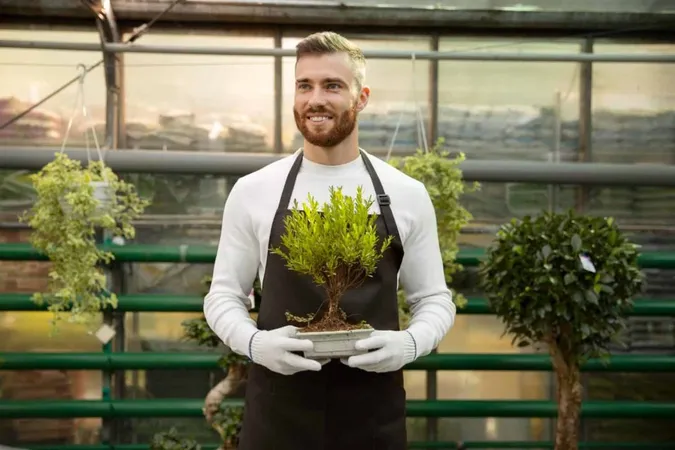
Understanding the Role of Certified Plant Professionals
Certified Plant Professionals are recognized as experts in the field of horticulture. Whether working in nurseries, landscape design, or plant retail, CPP-certified individuals have demonstrated advanced knowledge in plant identification, plant care, and the proper use of professional horticultural equipment. The certification is highly regarded among employers and clients alike, showcasing the individual’s commitment to excellence in plant care.
- Enhanced credibility in the horticulture industry
- Recognition as a leader in plant knowledge and care
- Increased job opportunities and potential for career advancement
- Access to a professional network of fellow CPPs and horticulture experts
Certified Plant Growers: Ensuring Quality and Sustainability
One of the key aspects of becoming a Certified Plant Professional is understanding the responsibilities and best practices of certified plant growers. A CPP-certified grower is knowledgeable in sustainable practices, from proper plant selection and propagation techniques to ensuring the health and quality of plants through expert cultivation.
Certified plant growers must be able to identify a wide range of plants, their growth needs, and the ideal environments for propagation. They also need to manage pests, diseases, and environmental stresses to ensure the highest quality in their plant products.
- Plant identification (trees, shrubs, annuals, perennials)
- Propagation methods and techniques
- Sustainable growing practices
- Pest and disease management
By mastering these skills, certified plant growers ensure the sustainability of plant production while meeting industry standards for quality and environmental responsibility.
Professional Plant Labels: The Importance of Accurate Information
Accurate labeling of plants is an essential skill for any Certified Plant Professional. Professional plant labels provide vital information to customers and plant caretakers, ensuring that the right plants are selected for the appropriate growing conditions. Proper labeling is also critical in nursery settings, where large inventories of plants must be organized and tracked.
As part of the CPP certification, professionals must learn the importance of providing comprehensive and correct information on plant labels, including scientific names, common names, watering and sunlight requirements, and growth habits.
- Use clear, legible fonts and weather-resistant materials
- Include both the scientific and common names of the plant
- Provide details on water, light, and soil preferences
- Note any special care instructions (e.g., fertilization, pruning)
Correct labeling not only supports successful plant care but also helps customers and professionals alike make informed decisions when selecting plants for various purposes.
Professional Plant Tying Machine: A Tool for Efficiency
Professional plant tying machines are a vital tool for nurseries and plant professionals who need to secure plants for transport, display, or growth. These machines help in bundling plants efficiently and neatly, ensuring that they are safely supported while minimizing damage to the stems and foliage.
As a Certified Plant Professional, understanding how to operate plant tying machines effectively can increase your efficiency and ensure that plants remain in top condition during handling. The CPP exam may cover topics related to the proper use of this equipment, emphasizing the importance of plant safety and professionalism in nursery and landscape operations.
- Adjustable tension settings to prevent plant damage
- Durable materials that withstand outdoor conditions
- Ergonomic designs for ease of use and comfort
- Capabilities to tie various plant sizes and bundles
By mastering this equipment, Certified Plant Professionals can improve their operational efficiency and ensure that their plants are handled with care during all stages of the supply chain.
Professional Plant Fertilizer: Nourishing Plants for Optimal Growth
Fertilization is a critical component of plant care, and understanding the proper use of professional plant fertilizer is essential for anyone aiming for CPP certification. The right fertilizer promotes healthy root development, improves foliage, and ensures that plants reach their full growth potential.
The CPP exam tests your knowledge of the different types of fertilizers, including organic and synthetic options, and how they should be applied based on specific plant needs. Proper fertilization practices prevent over-fertilization, which can lead to nutrient imbalances and environmental harm.
- Types of fertilizers and their nutrient compositions
- Application techniques and timing
- Understanding plant-specific nutritional needs
- Environmental considerations and sustainability
Professional plant fertilizers must be used responsibly to achieve optimal plant health while minimizing the impact on the environment. By mastering these principles, CPP-certified professionals can ensure that their plants thrive in any setting.
Professional Plant Services: Enhancing Career Opportunities
Certified Plant Professionals often offer a wide range of plant services, including landscape design, plant care consulting, nursery management, and plant sales. Offering professional plant services requires a combination of horticultural knowledge, business acumen, and excellent customer service.
CPP certification not only improves your plant-related skills but also helps you expand your business offerings, giving you the credentials to provide high-level consulting and management services to clients. Whether you are working with individual homeowners, large landscapes, or commercial projects, being CPP-certified gives you a competitive edge in the marketplace.

- Landscape design and plant installation
- Plant health diagnostics and treatment
- Nursery management and inventory control
- Horticultural consulting and education
By offering these specialized services, Certified Plant Professionals can enhance their careers, increase client satisfaction, and ensure that their businesses grow alongside the plants they care for.

Conclusion
Achieving Certified Plant Professional status is an excellent way to advance your career in horticulture and demonstrate your expertise in plant care and nursery operations. By mastering the skills required for CPP certification—ranging from plant identification to the proper use of professional plant equipment—you can enhance your professional credibility and open the door to a wide range of career opportunities.
Whether you are an experienced plant professional or just beginning your journey in horticulture, the CPP certification provides a valuable foundation of knowledge that can help you succeed in this rewarding industry.
- +Validates your knowledge and skills objectively
- +Increases job market competitiveness
- +Provides structured learning goals
- +Networking opportunities with other certified professionals
- −Study materials can be expensive
- −Exam anxiety can affect performance
- −Requires dedicated preparation time
- −Retake fees apply if you don't pass
Pros and Cons at a Glance
| Pros | Cons |
|---|---|
| Validates your knowledge and skills objectively | Study materials can be expensive |
| Increases job market competitiveness | Exam anxiety can affect performance |
| Provides structured learning goals | Requires dedicated preparation time |
| Networking opportunities with other certified professionals | Retake fees apply if you don't pass |
Sample CPP - Certified Plant Professional Practice Questions
Try these questions from our free CPP - Certified Plant Professional practice tests. The correct answer and an explanation follow each question.
Which factor most affects the success rate of plant grafting?
- A. Leaf shape similarity
- B. Same plant height
- C. Cambium alignment
- D. Time of day
Answer: C. Cambium alignment
The success rate of plant grafting is most critically affected by the precise alignment of the cambium layers of both the scion (the upper part) and the rootstock (the lower part). The cambium is the actively dividing tissue responsible for secondary growth, and its proper connection is essential for forming a vascular union that allows for water and nutrient transport between the two parts.
Which element is CRITICAL for maintaining proficiency in research methodology & design within Certified Plant Professional?
- A. Regular practice with ongoing professional development and skill updates
- B. Initial certification alone without continuing education
- C. Performing techniques only when absolutely necessary
- D. Learning from informal sources without verification
Answer: A. Regular practice with ongoing professional development and skill updates
Maintaining proficiency requires regular practice combined with ongoing professional development to stay current with evolving best practices.
What is an 'action threshold' in an IPM program for landscape plants?
- A. The maximum pesticide label rate allowed
- B. The pest population or damage level at which management action becomes necessary
- C. The point at which a plant dies from pest damage
- D. The registration status of a pesticide product
Answer: B. The pest population or damage level at which management action becomes necessary
The action threshold is the pest level at which economic or aesthetic damage justifies implementing a management strategy to prevent further harm.
Which element is ESSENTIAL for an effective regulatory standards & compliance program in Certified Plant Professional?
- A. Regular audits and continuous monitoring processes
- B. Annual review without interim checks
- C. Compliance responsibility assigned to one individual only
- D. Documentation stored without regular updates
Answer: A. Regular audits and continuous monitoring processes
Regular audits and continuous monitoring enable early detection of compliance gaps and ensure ongoing adherence to standards.
Take the full CPP - Certified Plant Professional practice test
(CPP) Certified Plant Professional Questions and Answers
About the Author

Certified Professional Development Expert & Niche Certification Advisor
University of Pennsylvania Graduate School of EducationDr. Alexandra Kim holds a PhD in Professional Studies from the University of Pennsylvania and is a Certified Professional in Learning and Performance (CPLP) and Certified Professional in Talent Development (CPTD). With 17 years of corporate training and professional certification advisory experience, she helps professionals navigate specialized, emerging, and cross-industry certification programs.
Join the Discussion
Connect with other students preparing for this exam. Share tips, ask questions, and get advice from people who have been there.
View discussion (8 replies)