

CCE Practice Test
Updated for October 2026In today’s digital world, the increasing prevalence of cybercrimes and digital evidence in legal cases has improved the importance of skilled digital forensic experts. The Certified Computer Examiner (CCE) credential stands as a benchmark certification for professionals seeking to demonstrate expertise in computer forensics and digital investigations. This certification ensures that examiners possess the knowledge and skills required to analyze, preserve, and present digital evidence in a forensically sound manner.
The CCE certification is ideal for law enforcement officers, corporate investigators, legal professionals, and cybersecurity experts involved in the investigation of computer-related crimes. As technology continues to evolve, so too does the need for proficient examiners who can navigate complex digital environments and provide accurate, defensible forensic analyses. This article explores the significance of the CCE certification, the certification process, benefits, and its role in advancing careers in digital forensics.
Key Takeaways
Certified Computer Examiner (CCE) certification validates expertise in computer forensic investigation and digital evidence analysis.
The certification prepares professionals to handle complex forensic tasks including data acquisition, analysis, and reporting.
CCE certification enhances credibility in legal and corporate investigations by demonstrating adherence to forensic best practices.
The certification process involves comprehensive training, practical exercises, and a rigorous examination.
Ongoing education and recertification ensure CCE professionals stay current with technological advances and forensic methodologies.
Understanding the Role of a Certified Computer Examiner
A Certified Computer Examiner is a trained specialist who collects, analyzes, and presents digital evidence from computers, networks, and digital devices. Their work supports criminal investigations, civil litigation, internal corporate inquiries, and cybersecurity incident responses. Typical responsibilities include:
Evidence Preservation: Securing digital evidence in a manner that maintains its integrity and admissibility in court.
Data Acquisition: Using forensic tools and techniques to create exact copies of digital storage devices without altering original data.
Data Analysis: Recovering deleted files, analyzing file systems, internet history, emails, logs, and other digital artifacts to reconstruct user activity.
CCE Practice Test Questions
Prepare for the CCE - Certified Computer Examiner exam with our free practice test modules. Each quiz covers key topics to help you pass on your first try.
CCE Incident Response & Malware Analysis
CCE Exam Questions covering CCE Incident Response & Malware Analysis. Master CCE Test concepts for certification prep.
CCE Network Forensics & Investigations
Free CCE Practice Test featuring CCE Network Forensics & Investigations. Improve your CCE Exam score with mock test prep.
CCE Computer Forensics Tools & Techniques
CCE Mock Exam on Computer Forensics Tools & Techniques. CCE Study Guide questions to pass on your first try.
CCE Deployment & Operations
CCE Test Prep for Deployment & Operations. Practice CCE Quiz questions and boost your score.
CCE Development Methodologies
CCE Questions and Answers on Development Methodologies. Free CCE practice for exam readiness.
CCE Digital Evidence Collection & Preserva...
CCE Mock Test covering Digital Evidence Collection & Preservation. Online CCE Test practice with instant feedback.
CCE File Systems & Data Recovery
Free CCE Quiz on File Systems & Data Recovery. CCE Exam prep questions with detailed explanations.
CCE Legal & Ethical Issues in Digital Fore...
CCE Practice Questions for Legal & Ethical Issues in Digital Forensics. Build confidence for your CCE certification exam.
CCE Mobile Device Forensics
CCE Test Online for Mobile Device Forensics. Free practice with instant results and feedback.
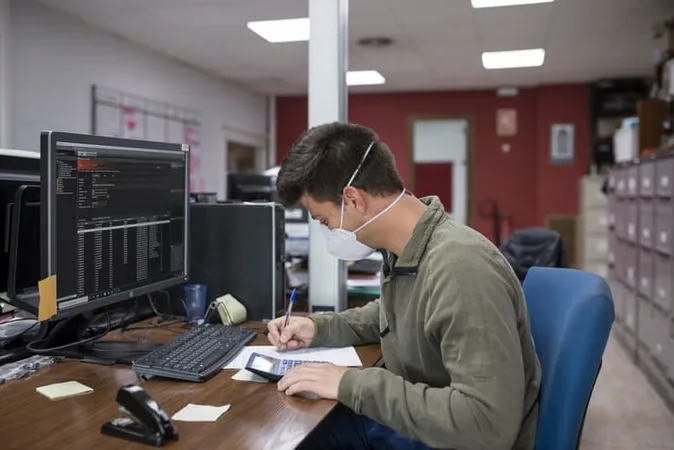
Report Preparation: Documenting findings in clear, concise reports suitable for legal proceedings and stakeholders.
Testifying: Providing expert testimony in court to explain forensic processes and findings.
Staying Current: Keeping abreast of emerging technologies, malware trends, and forensic software updates.
CCE professionals are integral to the successful resolution of cases involving digital evidence.
Eligibility and Prerequisites
How to Obtain Certified Computer Examiner (CCE) Certification
Candidates typically must have:
Experience or education in computer science, information technology, or law enforcement.
Basic knowledge of operating systems, networking, and digital storage media.
Familiarity with forensic tools and investigative procedures (preferred but not mandatory).
Certification Process
Enroll in CCE Training:
Candidates participate in comprehensive training courses that cover computer forensics fundamentals, data recovery, legal considerations, forensic tools, and investigative techniques.Hands-On Labs:
Practical exercises and simulations teach candidates how to conduct forensic examinations, recover deleted data, and prepare investigative reports.Study Preparation:
Candidates review training materials, case studies, and sample questions to prepare for the certification exam.
Certification Exam:
The exam is a rigorous assessment of theoretical knowledge and practical skills, including multiple-choice questions and problem-solving scenarios.
Certification Award:
Successful candidates earn the CCE credential, certifying their proficiency in digital forensic examination.
Recertification:
Certified examiners must complete continuing education and periodic recertification to maintain their credential and stay updated on industry advancements.
Benefits of CCE Certification
Professional Credibility: Certification demonstrates expertise and commitment to forensic best practices, enhancing trust among employers and legal entities.
Career Advancement: Opens doors to advanced roles in law enforcement, cybersecurity, corporate investigations, and consulting.
Skill Enhancement: Provides comprehensive training that sharpens forensic investigation techniques and tool proficiency.
Legal Admissibility: Ensures forensic processes meet standards necessary for digital evidence to be admissible in court.
Professional Network: Connects certified examiners to a community of peers, building knowledge sharing and career support.
Challenges in Computer Forensics and How CCE Certification Helps
Rapid Technological Change: New devices, software, and encryption methods continuously emerge. CCE training prepares examiners to adapt to technological evolution.
Data Volume and Complexity: Large volumes of data require efficient and accurate analysis. Certified examiners learn advanced techniques and tools to manage data effectively.
Legal and Ethical Issues: Maintaining chain of custody and ethical investigation practices is crucial. CCE certification emphasizes legal standards and professional ethics.
Cross-Disciplinary Knowledge: Forensics requires understanding of IT, law, and investigative methods. The certification program provides a comprehensive, multidisciplinary approach.
The CCE credential equips professionals to tackle these challenges with confidence and competence.
- +Industry-recognized credential boosts your resume
- +Higher earning potential (10-20% salary increase on average)
- +Demonstrates commitment to professional development
- +Opens doors to advanced career opportunities
- −Exam preparation requires significant time investment (4-8 weeks)
- −Certification fees can be $100-$400+
- −May require continuing education to maintain
- −Some employers may not require certification

About the Author

Senior Cloud Architect & Cybersecurity Certification Trainer
Stanford UniversityDavid Chen holds a Master of Science in Computer Science from Stanford University and has earned over 25 professional certifications across AWS, Microsoft Azure, Google Cloud, cybersecurity, and enterprise architecture domains. He works as a solutions architect and now focuses on helping IT professionals pass cloud, security, and technical certification exams.
Join the Discussion
Connect with other students preparing for this exam. Share tips, ask questions, and get advice from people who have been there.
View discussion (7 replies)