

CAT Practice Test
Updated for October 2026In the world of aquatic facility management, the CAT (Certified Aquatic Technicians) Test is key. It’s a test for those who want to do well in their jobs. It covers important topics like water quality, pool chemicals, and safety.
The CAT Test checks if aquatic professionals know their stuff. It makes sure they can keep pools safe and clean. Getting certified can lead to better job chances and more opportunities.
CAT Practice Test Questions
Prepare for the CAT - Certified Aquatic Technicians exam with our free practice test modules. Each quiz covers key topics to help you pass on your first try.
CAT Aquatic Technicians Career Opportuniti...
CAT Exam Questions covering Aquatic Technicians Career Opportunities and Benefits. Master CAT Test concepts for certification prep.
CAT Aquatic Technicians Continuing Educati...
Free CAT Practice Test featuring Aquatic Technicians Continuing Education and Credential Renewal. Improve your CAT Exam score with mock test prep.
CAT Aquatic Technicians Credential Overvie...
CAT Mock Exam on Aquatic Technicians Credential Overview and Requirements. CAT Study Guide questions to pass on your first try.
CAT Aquatic Technicians Skills and Knowled...
CAT Test Prep for Aquatic Technicians Skills and Knowledge Areas. Practice CAT Quiz questions and boost your score.
CAT Emergency Procedures and Response
CAT Questions and Answers on CAT Emergency Procedures and Response. Free CAT practice for exam readiness.
CAT Regulations and Codes
CAT Mock Test covering CAT Regulations and Codes. Online CAT Test practice with instant feedback.
CAT Health and Safety
Free CAT Quiz on Health and Safety. CAT Exam prep questions with detailed explanations.
CAT Hydraulics and Plumbing Systems
CAT Practice Questions for Hydraulics and Plumbing Systems. Build confidence for your CAT certification exam.
CAT Maintenance Procedures
CAT Test Online for Maintenance Procedures. Free practice with instant results and feedback.
Key Takeaways
Free Aquatic Technicians Practice Test Online
- The CAT (Certified Aquatic Technicians) Test is a critical certification for professionals in the aquatic industry.
- The exam covers a wide range of topics related to pool and aquatic facility management, including water quality, pool chemicals, filtration systems, and safety guidelines.
- Obtaining the CAT certification demonstrates expertise and enhances career prospects in the aquatic industry.
- The certification ensures aquatic professionals are equipped to provide safe, efficient, and environmentally responsible aquatic services.
- The CAT Test is designed to validate the knowledge and skills of aquatic professionals
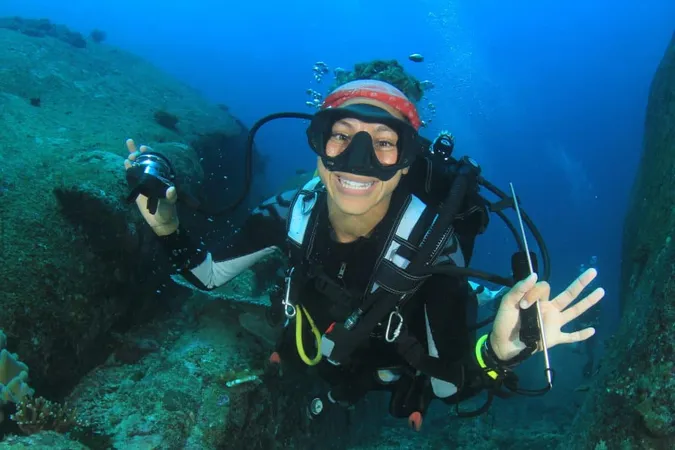
Importance of Certification for Aquatic Professionals
Understanding the CAT (Certified Aquatic Technicians) Test
The CAT (Certified Aquatic Technicians) test is a key credential for those in the aquatic industry. It shows you know a lot about pool and aquatic facility management. You’ll learn about water quality, chemical handling, filtration systems, and safety guidelines.
Getting the CAT certification is crucial for aquatic professionals. It ensures pools, spas, and aquatic facilities are safe and work well. This shows you understand pool maintenance, water treatment, and facility management well.
- ✓Confirm your exam appointment and location
- ✓Bring required identification documents
- ✓Arrive 30 minutes early to check in
- ✓Read each question carefully before answering
- ✓Flag difficult questions and return to them later
- ✓Manage your time — don't spend too long on one question
- ✓Review flagged questions before submitting
Eligibility Requirements and Prerequisites
- Minimum of 1 year of experience working in the aquatic industry
- Successful completion of a recognized pool operator training program
- Proficiency in water chemistry, pool equipment, and safety protocols
- Ability to pass a comprehensive written examination
To get the CAT certification, you need to meet certain requirements. You must have experience, complete a training program, and know about water chemistry and safety. Passing the CAT test shows you’re dedicated to keeping aquatic facilities safe and well-maintained. It’s great for your career and credibility in the industry.
Exam Content and Topic Areas
Preparing for the CAT (Certified Aquatic Technicians) Test
To do well on the CAT (Certified Aquatic Technicians) Test, you need to know the exam’s content well. It covers many topics like water quality, pool chemicals, and safety. You also need to understand filtration systems, equipment repair, and water treatment.
The CAT test checks your knowledge in many areas of aquatic management. You’ll see questions on pool chemistry, water treatment, and filtration systems. It also covers swimming pool rules and safety, making sure you’re ready for the job.
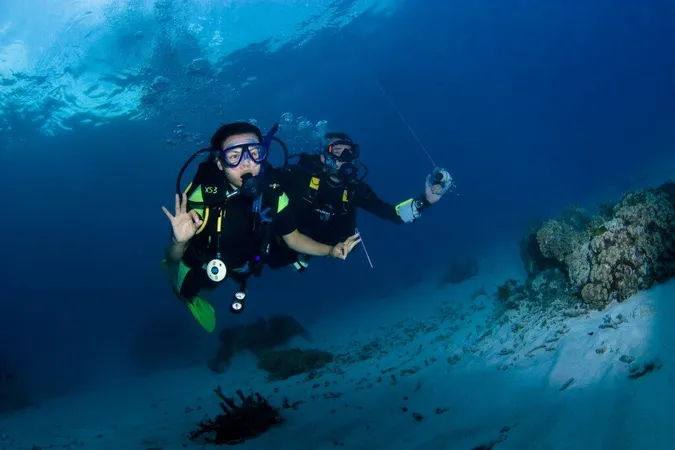
Study Resources and Practice Materials
There are many study tools and practice exams to help you prepare. The National Swimming Pool Foundation (NSPF) and the Association of Pool & Spa Professionals (APSP) offer great resources. These can help you learn the exam content and format, boosting your chances of passing.

CAT: Pros and Cons
- +CAT certification validates expertise recognized by employers nationwide
- +Certified professionals typically earn 15-20% higher salaries
- +Opens doors to advanced positions and leadership roles
- +Demonstrates commitment to professional standards and ethics
- +Builds a strong professional network through certification communities
- −Exam preparation typically requires 2-4 months of dedicated study
- −Certification and exam fees can range from $150-$500+
- −Must complete continuing education to maintain active certification
- −Pass rates vary — thorough preparation is essential for success
- −Some certifications require prerequisite experience or education
Pros and Cons at a Glance
| Pros | Cons |
|---|---|
| CAT certification validates expertise recognized by employers nationwide | Must complete continuing education to maintain active certification |
| Opens doors to advanced positions and leadership roles | Pass rates vary — thorough preparation is essential for success |
| Demonstrates commitment to professional standards and ethics | Some certifications require prerequisite experience or education |
Sample Certified Aquatic Technicians Practice Questions
Try these questions from our free Certified Aquatic Technicians practice tests. The correct answer and an explanation follow each question.
What is one key advantage of becoming a Certified Aquatic Technician for someone already working in the aquatic industry?
- A. Opportunity to work independently without oversight
- B. Eligibility for a wider range of roles, such as facility manager or technician
- C. Automatic promotion to a managerial role
- D. No need for hands-on training
Answer: B. Eligibility for a wider range of roles, such as facility manager or technician
For individuals already in the aquatic industry, becoming a Certified Aquatic Technician demonstrates a higher level of expertise and commitment. This certification often qualifies them for more advanced and responsible positions, such as facility manager, lead technician, or supervisor, expanding their career opportunities and potential for advancement.
If a Certified Aquatic Technician lets their certification expire, what is the usual process to become certified again?
- A. Retaking the initial certification course and exam
- B. Paying a fee without any additional requirements
- C. Only attending a safety seminar
- D. Completing a customer feedback survey
Answer: A. Retaking the initial certification course and exam
Allowing a professional certification to expire often means the individual's knowledge may no longer be current or formally validated. To regain certification, the usual process is to demonstrate proficiency again by retaking the full initial course and passing the exam. This ensures they meet current industry standards and possess the necessary up-to-date skills.
What safety protocol should Certified Aquatic Technicians follow when handling pool chemicals?
- A. Mix chemicals together to save time
- B. Use personal protective equipment (PPE)
- C. Keep pool chemicals in direct sunlight
- D. Store chemicals in open, unlabeled containers
Answer: B. Use personal protective equipment (PPE)
When handling pool chemicals, Certified Aquatic Technicians must always use personal protective equipment (PPE) such as gloves, eye protection, and appropriate clothing. Chemicals can be corrosive or irritating, and PPE minimizes the risk of skin contact, inhalation, or eye injuries, ensuring technician safety and preventing accidents.
Which organization is most likely to offer continuing education resources for Certified Aquatic Technicians?
- A. Local library
- B. Aquatic industry associations and certification bodies
- C. General public universities
- D. Sports clubs
Answer: B. Aquatic industry associations and certification bodies
Organizations that offer certifications or represent a specific industry are best positioned to provide relevant and up-to-date continuing education. They possess deep expertise in the field and understand the specific needs, standards, and advancements within the aquatic industry. This ensures the training is highly applicable, recognized, and directly contributes to a technician's professional development.
(CAT) Certified Aquatic Technicians Questions and Answers
About the Author

Certified Professional Development Expert & Niche Certification Advisor
University of Pennsylvania Graduate School of EducationDr. Alexandra Kim holds a PhD in Professional Studies from the University of Pennsylvania and is a Certified Professional in Learning and Performance (CPLP) and Certified Professional in Talent Development (CPTD). With 17 years of corporate training and professional certification advisory experience, she helps professionals navigate specialized, emerging, and cross-industry certification programs.
Join the Discussion
Connect with other students preparing for this exam. Share tips, ask questions, and get advice from people who have been there.
View discussion (7 replies)