
CDL Driver Salary — Pay Guide by State & Experience (2026 October)
CDL truck driver salary guide. Average pay by state, experience level, and trucking type. OTR, local, and specialized driver earnings for 2026 October. 🎯
CDL Driver Salary Overview
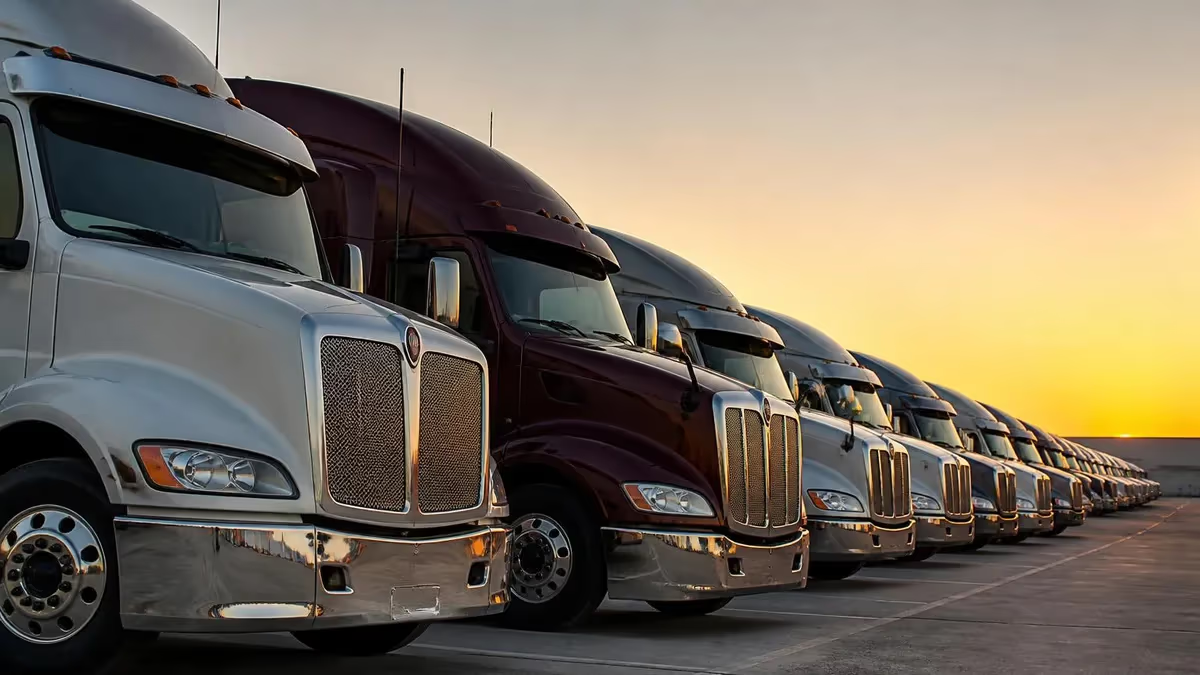
The average CDL truck driver in the United States earns between $50,000 and $80,000 per year, with experienced drivers and specialists earning well over $100,000. Salary varies significantly based on driving type, experience, location, and endorsements.
Average CDL Driver Pay by Experience
- Entry-level (0-1 years): $40,000-$55,000/year ($0.40-$0.50/mile)
- Mid-career (2-5 years): $55,000-$75,000/year ($0.50-$0.65/mile)
- Experienced (5-10 years): $70,000-$90,000/year ($0.55-$0.75/mile)
- Owner-operators: $100,000-$300,000+/year (gross revenue, minus expenses)
According to the Bureau of Labor Statistics, the median annual wage for heavy and tractor-trailer truck drivers was $49,920 in 2022, with the top 10% earning more than $72,730. However, these numbers have increased significantly due to the ongoing driver shortage.
Learn more in our guide on CDL Commercial Driver License Practice Test PDF (Free Printable 2026). Learn more in our guide on microsoft security operations analyst exam ref sc-200 certification guide book. Learn more in our guide on cdl test questions and answers pdf.
CDL Driver Salary by State
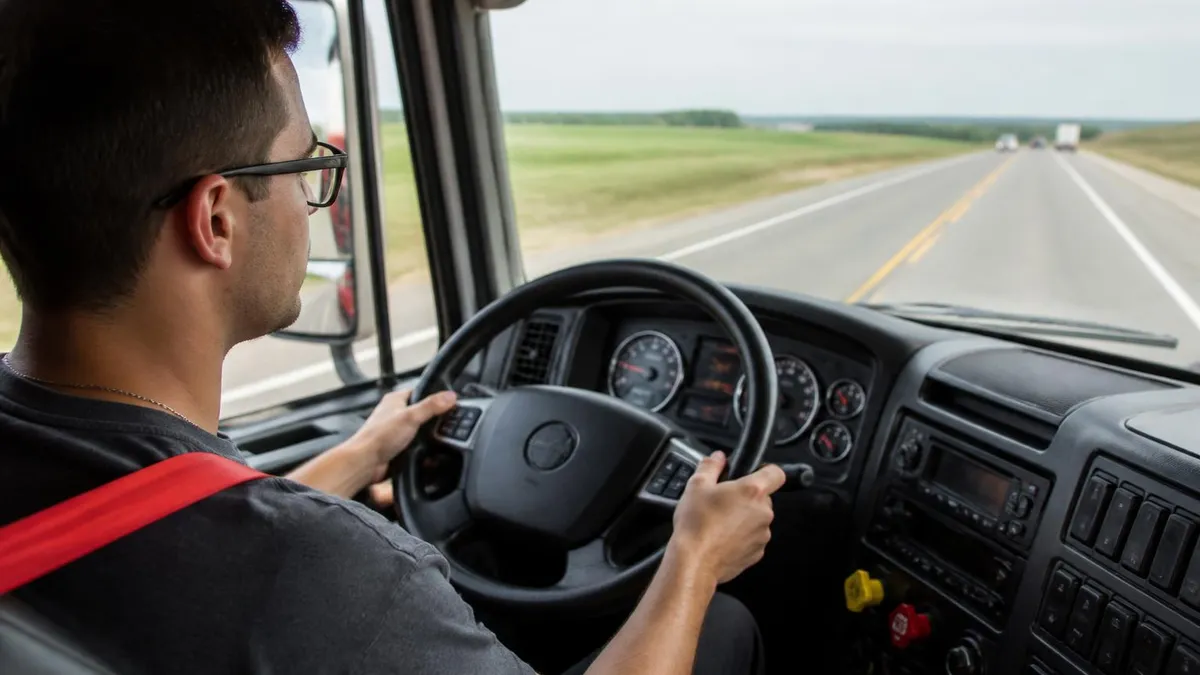
Truck driver pay varies dramatically by location. Generally, states with higher costs of living and more freight demand pay more:
Highest Paying States for CDL Drivers
- Wyoming: Average $62,000-$75,000/year
- North Dakota: Average $60,000-$72,000/year (oil field driving premium)
- Alaska: Average $58,000-$70,000/year (hazard/remote pay)
- Nevada: Average $56,000-$68,000/year
- California: Average $55,000-$70,000/year (high cost of living offset)
States with Most CDL Jobs
- Texas: 190,000+ CDL driver positions
- California: 150,000+ positions
- Florida: 100,000+ positions
- Illinois: 85,000+ positions
- Pennsylvania: 80,000+ positions
CDL Salary by Trucking Type
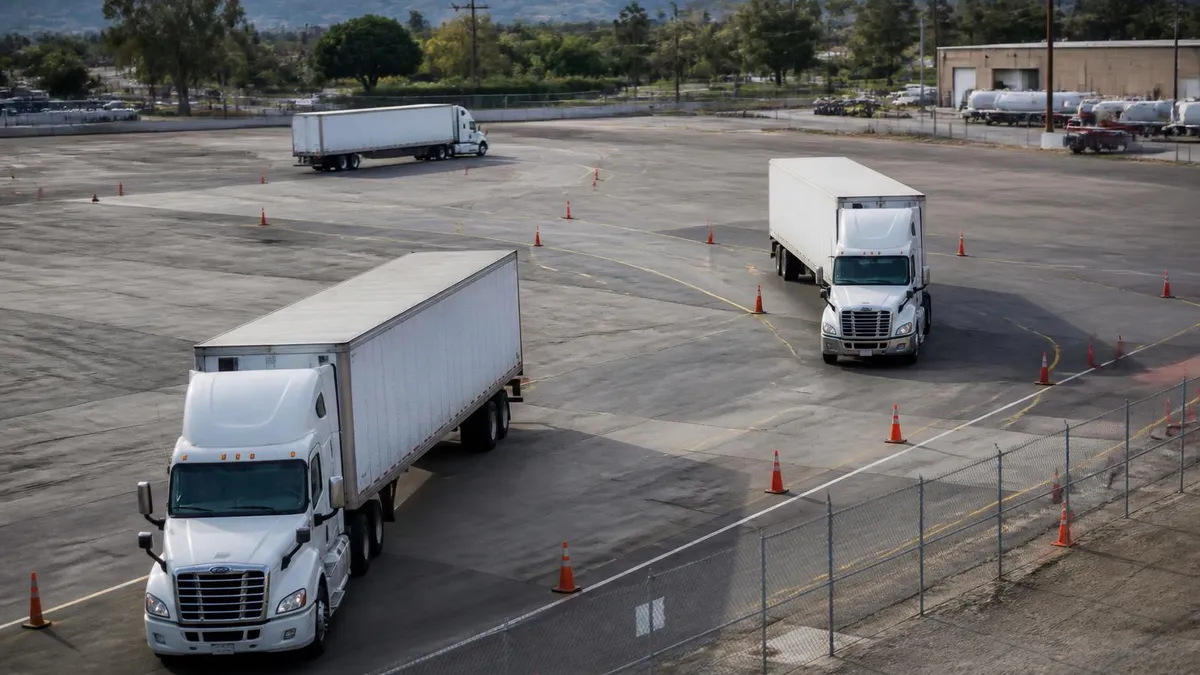
The type of trucking you do has a massive impact on earnings:
Trucking Specializations by Pay
- Ice road/extreme conditions: $80,000-$200,000+/year (seasonal, dangerous)
- Oversized/heavy haul: $70,000-$150,000/year (requires special permits)
- Tanker (hazmat): $65,000-$100,000/year (HazMat + Tanker endorsements)
- Owner-operator OTR: $100,000-$300,000 gross (minus $50K-$150K expenses)
- LTL (Less Than Truckload): $60,000-$90,000/year (home more often)
- OTR (Over The Road): $55,000-$80,000/year (away from home 2-3 weeks)
- Regional: $50,000-$70,000/year (home weekly)
- Local delivery: $45,000-$65,000/year (home daily)
Pro Tip: The fastest way to increase CDL driver pay is to add endorsements. A HazMat + Tanker (X) endorsement can add $10,000-$20,000/year to your base salary. Doubles/Triples (T) endorsement also commands premium pay.
How to Earn More as a CDL Driver
- Get endorsements: HazMat (H), Tanker (N), Doubles/Triples (T), and Passenger (P) endorsements unlock higher-paying jobs
- Gain experience: Pay increases significantly after 1-2 years. Most companies offer annual raises
- Switch to specialized hauling: Oversized loads, refrigerated, and hazmat pay more than dry van
- Consider owner-operating: Higher gross income but more risk and expenses to manage
- Negotiate: With the current driver shortage, experienced drivers have significant negotiating power
- Choose the right company: Some companies pay significantly more than others for the same routes
CDL Salary Quick Facts
What is the average CDL driver salary?
$50,000-$80,000 per year for company drivers. Owner-operators can earn $100,000-$300,000 gross. Top specializations pay $100K+.
Which CDL endorsement pays the most?
HazMat + Tanker (X endorsement) adds $10,000-$20,000/year. Oversized load permits and ice road driving pay even more.
Which CDL jobs let you be home daily?
Local delivery, LTL, and dedicated routes. Pay is typically $45,000-$70,000 but you're home every night. Regional routes are home weekly.
How much do owner-operators make?
Gross revenue: $200,000-$400,000/year. Net after expenses (fuel, insurance, maintenance, truck payment): $80,000-$200,000. Higher risk but higher reward.
CDL: Pros and Cons
- +cdl — cDL professionals earn competitive salaries with strong growth potential
- +Multiple career paths and specializations available in the field
- +High demand across industries increases job security
- +Certification can boost salary by 10-25% over non-certified peers
- +Remote and flexible work opportunities in many CDL roles
- −Entry-level salaries may be lower while gaining experience
- −Salary varies significantly by location and employer
- −Additional certifications may be needed for top-paying roles
- −Overtime or irregular hours common in some CDL positions
- −Continuing education required to maintain earning potential
Pros and Cons at a Glance
| Pros | Cons |
|---|---|
| cdl — cDL professionals earn competitive salaries with strong growth potential | Entry-level salaries may be lower while gaining experience |
| Multiple career paths and specializations available in the field | Salary varies significantly by location and employer |
| High demand across industries increases job security | Additional certifications may be needed for top-paying roles |
| Remote and flexible work opportunities in many CDL roles | Overtime or irregular hours common in some CDL positions |
Sample CDL Practice Questions
Try these questions from our free CDL practice tests. The correct answer and an explanation follow each question.
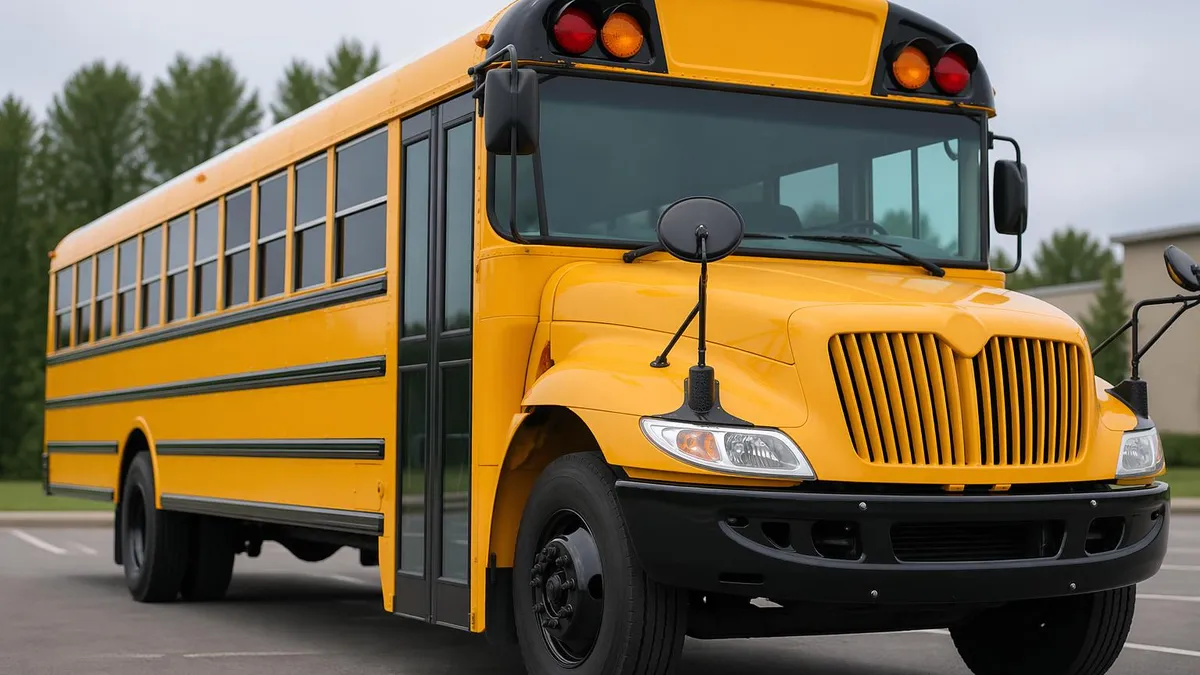
Before a school bus driver may move the bus with students on board, the driver must first ________.
- A. confirm all students are seated and the entry door is closed
- B. turn on hazard lights until reaching 25 mph
- C. notify dispatch of the departure time
- D. activate the interior lighting system
Answer: A. confirm all students are seated and the entry door is closed
The driver must ensure all passengers are seated and the entry door is fully closed before moving, which is a core safety requirement for student transport.
When must a hazmat driver obtain a routing permit from state or local authorities?
- A. Whenever the vehicle weighs more than 26,001 lbs
- B. When transporting certain high-hazard materials such as radioactive or explosive cargo that require special routing
- C. Any time the driver crosses more than two state lines
- D. Only when hauling liquid hazardous materials in a tank vehicle
Answer: B. When transporting certain high-hazard materials such as radioactive or explosive cargo that require special routing
Some high-hazard materials — such as certain radioactive materials and high-level explosives — require special routing permits because states and localities have authority to designate specific approved routes to protect populated areas.
How far must a driver park from a tunnel, bridge, or building while transporting certain hazardous materials and waiting for traffic to clear?
- A. 300 feet from the nearest rail of a railroad crossing, bridge, or tunnel entrance
- B. 100 feet from any structure, including tunnels and bridges
- C. 500 feet from any building with a permanent occupancy
- D. There is no specific distance; the driver uses professional judgment
Answer: A. 300 feet from the nearest rail of a railroad crossing, bridge, or tunnel entrance
When carrying hazardous materials, a driver must not park within 300 feet of a bridge, tunnel, or building while awaiting traffic clearance. This distance limits damage in the event of a hazmat incident.
If a student drops something near the bus while exiting, what should the driver instruct them to do?
- A. Leave it and move to a safe spot, never reach under the bus
- B. Quickly grab it before the bus moves
- C. Crawl under the bus to retrieve it
- D. Wait beside the rear tire
Answer: A. Leave it and move to a safe spot, never reach under the bus
Students should never retrieve dropped items near the bus; they should tell the driver and stay clear of the danger zone.
About the Author

Licensed Driving Instructor & DMV Test Specialist
Penn State UniversityRobert J. Williams graduated from Penn State University with a degree in Transportation Management and has spent 20 years as a certified driving instructor and DMV examiner consultant. He has personally coached thousands of applicants through written knowledge tests, skills assessments, and commercial driver licensing programs across more than 30 states.
Join the Discussion
Connect with other students preparing for this exam. Share tips, ask questions, and get advice from people who have been there.
View discussion (7 replies)