
Ohio BMV Registration: Complete Guide to Vehicle Registration, Renewals, and Requirements
Ohio BMV registration made simple. Learn fees, required documents, renewal steps, and how to register new and used vehicles in Ohio. 🟢
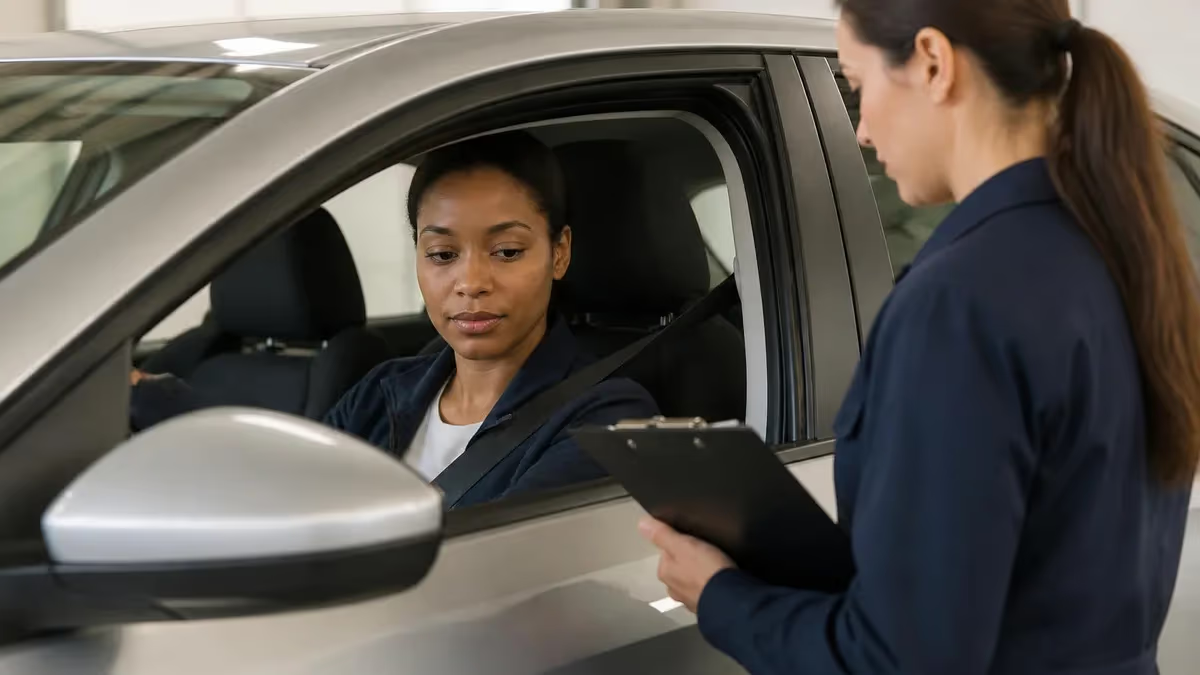
Completing your Ohio BMV registration is a mandatory step for every vehicle owner in the Buckeye State, and understanding the process can save you significant time, money, and frustration. Whether you just purchased a new car, moved to Ohio from another state, or need to renew an existing registration, the Ohio Bureau of dmv practice test california has specific requirements that every driver must meet. This comprehensive guide walks you through every aspect of vehicle registration, from gathering the right documents to paying the correct fees.
Ohio registers more than 11 million vehicles each year, making it one of the most active state vehicle agencies in the country. The BMV operates over 180 deputy registrar locations statewide, alongside an online portal that handles millions of transactions annually. Knowing which option suits your needs, what paperwork to bring, and how to avoid common errors will help you complete your registration in a single visit rather than making multiple trips.
Before stepping into a deputy registrar office, you should understand the difference between vehicle registration, vehicle titling, and license plate issuance. Although these processes often happen together, each has its own fees, deadlines, and document requirements. Many first-time registrants confuse these steps, leading to delays and additional charges. By learning the distinctions upfront, you can prepare a complete file that satisfies every requirement on your first attempt.
Ohio law requires you to register your vehicle within 30 days of establishing residency or purchasing a vehicle. Driving with expired or out-of-state plates beyond this window can result in fines, citations, and even impoundment in some jurisdictions. Insurance companies also rely on accurate registration data to verify coverage, so keeping your records current protects more than just your driving privileges.
This guide covers titling, registration renewal, plate transfers, sales tax calculations, emissions inspections in E-Check counties, and the documents you must present. We also explain how Ohio's electronic systems, such as the BMV Online Services portal and OPLATES.com, can save you from waiting in line. If you need to also review driving rules, our resource on the Ohio BMV driving test pairs well with this registration walkthrough.
By the end of this article, you'll know exactly which BMV office to visit, what to pack in your folder, how much to budget, and how to handle special situations such as gifted vehicles, out-of-state transfers, or leased cars. Whether you prefer the in-person experience at a deputy registrar or the convenience of an online renewal, Ohio's system can be navigated efficiently with the right preparation.
Take time to review each section carefully, because Ohio's registration rules differ slightly from neighboring states like Pennsylvania, Michigan, and Indiana. Even if you've registered vehicles before, recent legislation has changed plate display rules, electric vehicle fees, and vehicle emissions testing by state scope. Staying current with these updates ensures you're compliant and avoids costly surprises when you arrive at the counter.
Ohio BMV Registration by the Numbers

The Ohio BMV Registration Process Step-by-Step
Gather Documents
Visit Deputy Registrar
Pay Fees and Taxes
Receive Plates and Sticker
Complete E-Check (if required)
Document preparation is the single most important step in completing your Ohio BMV registration smoothly. Many first-time registrants arrive at a deputy registrar office only to discover they're missing a critical piece of paperwork, forcing a return trip and added stress. The Ohio Revised Code requires specific identification, proof of ownership, and proof of insurance, and these requirements vary depending on whether you're titling a new vehicle, transferring from another state, or simply renewing.
The most essential document is your vehicle title, which proves legal ownership. For brand-new vehicles, the dealer typically provides a Manufacturer's Certificate of Origin (MCO) and handles the initial title transfer for you. For used vehicles purchased privately, the seller must sign the title over to you, complete the odometer disclosure, and provide a bill of sale. Both the buyer and seller must sign in the presence of a notary public or deputy clerk in Ohio.
Proof of Ohio auto insurance is mandatory before plates can be issued. Bring a current insurance card listing the VIN of the vehicle being registered, the policy effective dates, and the names of insured drivers. Digital insurance cards on a smartphone are accepted at most deputy registrars, but having a printed copy as backup is wise. Insurance must meet Ohio's minimum liability requirements of 25/50/25 thousand dollars in coverage.
You'll need a valid government-issued photo ID, typically an Ohio driver's license or state ID card. If you're a new resident, you should obtain your Ohio license before registering your vehicle, as out-of-state licenses can complicate the process. Your Social Security number is also required for the title application, though it's not printed on any documents you'll receive.
For out-of-state vehicle transfers, you must complete a VIN inspection performed by a deputy registrar or licensed inspector. This $5 inspection verifies that the VIN on the vehicle matches the title and confirms the car hasn't been stolen or salvaged improperly. The inspection is quick, usually taking less than ten minutes, and you'll receive a stamped form to bring to your registration appointment. Consider scheduling this alongside your bmv appointments to save time.
If your vehicle is financed or leased, the lienholder typically holds the original title. In these cases, the dealer or finance company provides a Memorandum of Title or similar document that allows you to register without holding the actual title certificate. Leased vehicles often require a Power of Attorney from the leasing company authorizing you to register the car in your name.
Special documents are required for inherited, gifted, or donated vehicles. Inherited vehicles need a probate court order or affidavit, while gifted vehicles require a notarized Statement of Gift form (BMV 3174) to qualify for the sales tax exemption between immediate family members. Donated vehicles to nonprofits follow a separate process that may involve the Ohio Attorney General's Charitable Law section.
BMV Practice Test Questions
Prepare for the BMV - Test exam with our free practice test modules. Each quiz covers key topics to help you pass on your first try.
BMV Basic BMV Practice
BMV Exam Questions covering Basic BMV Practice. Master BMV Test concepts for certification prep.
BMV Alcohol, Drugs, and Impaired Driving Laws
Free BMV Practice Test featuring Alcohol, Drugs, and Impaired Driving Laws. Improve your BMV Exam score with mock test prep.
BMV Licensing Requirements
BMV Mock Exam on BMV Licensing Requirements. BMV Study Guide questions to pass on your first try.
BMV Traffic Laws
BMV Test Prep for BMV Traffic Laws. Practice BMV Quiz questions and boost your score.
BMV Vehicle Operations
BMV Questions and Answers on BMV Vehicle Operations. Free BMV practice for exam readiness.
BMV Parking, Right-of-Way, and Intersections
BMV Mock Test covering Parking, Right-of-Way, and Intersections. Online BMV Test practice with instant feedback.
BMV Road Signs and Markings
Free BMV Quiz on Road Signs and Markings. BMV Exam prep questions with detailed explanations.
BMV Safe Driving and Hazard Awareness
BMV Practice Questions for Safe Driving and Hazard Awareness. Build confidence for your BMV certification exam.
Types of Ohio BMV Registration Explained
Registering a brand-new vehicle in Ohio typically happens through the dealership, which submits paperwork on your behalf and delivers temporary tags. The dealer collects sales tax, completes the title application, and forwards the MCO to the BMV. You'll receive your permanent plates and registration within a few weeks. If you purchase from an out-of-state dealer, you must complete the registration yourself within 30 days of bringing the vehicle into Ohio.
New vehicle registrations include initial title fees of $15, the standard $31 base registration fee, county permissive taxes that vary by jurisdiction, and Ohio's 5.75% state sales tax plus any local sales tax. For electric vehicles, an additional $200 annual fee applies, while plug-in hybrids pay $100 to offset lost gas tax revenue. Budget accordingly when planning your purchase price.
In-Person vs. Online Ohio BMV Registration
- +Online renewals available 24/7 through OPLATES.com without waiting in line
- +Instant confirmation and digital receipts for record-keeping and insurance verification
- +Saves an average of 45 minutes compared to busy deputy registrar visits
- +No travel costs, parking fees, or fuel expense for routine renewals
- +Stickers and registration cards mailed to your home within 5-10 business days
- +Multi-year renewal options available online for eligible vehicle classes
- −First-time registrations and title transfers cannot be completed online
- −Out-of-state transfers require an in-person VIN inspection at a deputy registrar
- −Specialty plate orders, name changes, and address changes often require in-person visits
- −Online service fees apply ($3.50 convenience fee for most transactions)
- −E-Check counties require emissions verification before online renewal is permitted
- −Some payment types like personal checks cannot be processed through the online portal
Ohio BMV Registration Pre-Visit Checklist
- ✓Bring your vehicle title or Manufacturer's Certificate of Origin
- ✓Pack a current Ohio auto insurance card showing the correct VIN
- ✓Bring a valid Ohio driver's license or state-issued photo ID
- ✓Have your Social Security number written down or memorized
- ✓Complete the VIN inspection form if transferring from another state
- ✓Bring the bill of sale and odometer disclosure for private-party purchases
- ✓Confirm any lienholder documentation if your vehicle is financed or leased
- ✓Calculate estimated fees and taxes to bring sufficient payment
- ✓Verify the deputy registrar office hours and accepted payment methods
- ✓Schedule an appointment online when possible to skip the walk-in line
30-Day Rule: Don't Wait Too Long
Ohio law gives you exactly 30 days from the date of purchase or establishing residency to complete your vehicle registration. Missing this deadline can result in late fees, citations, and complications with your insurance coverage. Mark your calendar the day you take possession and aim to register within the first two weeks to avoid last-minute issues.
Understanding Ohio BMV registration costs helps you budget accurately and avoid surprises at the counter. Ohio's registration fee structure combines a standard state fee with county-specific permissive taxes, vehicle-specific surcharges, and applicable sales tax. While the base registration fee is relatively low compared to other states, the additional charges can add up quickly depending on where you live and what type of vehicle you own.
The base annual registration fee for passenger vehicles is $31, but most Ohio counties add permissive taxes ranging from $5 to $30 per year. These taxes fund local road maintenance, transit projects, and county services. For example, Franklin County residents pay an additional $20, while Cuyahoga County drivers add $25 in permissive taxes. Check your county's specific schedule on the BMV website before estimating total costs.
Sales tax applies whenever ownership changes hands, whether through a dealer or private sale. Ohio's state sales tax rate is 5.75%, but local jurisdictions add their own taxes, bringing the total rate to between 6.5% and 8% in most counties. Sales tax is calculated on the purchase price or the trade-in difference if you traded a vehicle. Private-party sales below market value may be assessed at the National Automobile Dealers Association (NADA) trade-in value to prevent tax avoidance.
Title fees in Ohio are $15 for a new title and $15 for a duplicate or replacement title. Lien recording adds $15 per lien. Memorandum titles (used when the lienholder retains the original) cost $5. Notary services at the title office are typically $1.50 per signature, and these fees are paid to the Clerk of Courts office rather than the deputy registrar.
Electric vehicle owners pay an additional $200 annual fee, and plug-in hybrid owners pay $100, intended to offset the gasoline tax revenue these vehicles don't generate. Commercial vehicles, motorcycles, trailers, and recreational vehicles each have separate fee schedules. Motorcycles, for instance, register at $25 annually, while small trailers under 4,000 pounds pay $15 for a five-year registration.
Specialty and personalized plates carry additional costs. Personalized plates add $50 in the first year and $25 in renewal years. Specialty plates supporting causes, universities, or organizations typically cost $25-$50 annually beyond the base registration. Veterans, disabled persons, and other qualifying groups may receive discounted or free specialty plates depending on eligibility documentation.
Don't forget the E-Check fee structure if you live in one of the seven affected counties. While the test itself is free at official stations, your registration cannot be completed without a passing emissions report on file. Failing the test means you may need to make repairs, retest, or apply for a waiver under specific circumstances. Budget time for possible repairs if your vehicle is older or hasn't been maintained recently.

Failing to register your vehicle within 30 days of purchase or residency can trigger a $20 late fee and potential traffic citations. Operating a vehicle with expired registration can also result in fines up to $150 and may complicate insurance claims if you're in an accident. Always renew before the expiration date printed on your sticker.
Renewing your Ohio BMV registration is significantly simpler than the initial registration, especially with the state's online services. You'll receive a renewal notice in the mail roughly 60 days before your expiration date, which contains a unique renewal code you can use online or by phone. The notice also lists your current registration fees, any applicable permissive taxes, and your E-Check status if you live in a covered county.
Online renewals through OPLATES.com are the fastest option for most drivers. The system accepts credit cards, debit cards, and electronic checks, charging a small convenience fee. You'll receive your validation sticker by mail within 5-10 business days, along with an updated registration card. Print or save your confirmation receipt as proof of renewal until the sticker arrives. Drivers can use this temporary proof if stopped by law enforcement.
Renewal at a deputy registrar office is the best choice if you need same-day plates or are making changes like updating your address. Walk-in service is available at most locations, but appointments often shorten wait times significantly. If you're unsure about location BMV office hours or need to plan around holidays, check the official BMV website or call ahead.
Special situations during renewal include selling your vehicle, transferring plates to a new car, or moving out of state. When you sell, you can keep the plates and transfer them to your replacement vehicle within 30 days. Plate transfers cost $4.50 and require you to bring both registrations to the deputy registrar. Out-of-state moves require you to surrender Ohio plates to receive a refund for unused months of registration.
Lost, stolen, or damaged registration documents can be replaced quickly. Replacement plates cost $11.75, and a replacement registration card costs $4.50. For damaged plates, bring the old plates with you when ordering replacements. Stolen plates require a police report number, which deputy registrars verify before issuing duplicates. Report stolen plates immediately to prevent fraudulent use that could result in tickets being attached to your record.
Address changes must be reported to the BMV within 10 days of moving, even if your registration isn't due for renewal. You can update your address online through BMV Online Services for free, by mail with the BMV 2422 form, or in person at any deputy registrar. Keeping your address current ensures you receive renewal notices, recall information, and other critical correspondence from the state.
Multi-year registration is available for qualifying vehicles and can save you time over the long term. Trailers under 4,000 pounds, for example, can be registered for five years at a flat fee. Some commercial fleets and rental vehicles also qualify for multi-year options. Multi-year registration locks in current fees and reduces the frequency of trips to the deputy registrar.
Now that you understand the full scope of Ohio BMV registration, it's time to focus on the practical tips that ensure your visit is successful. Experienced Ohioans know that small preparations can save hours of frustration. The first practical tip is to visit deputy registrar offices early in the morning, typically right when they open. Lines are shortest, staff are fresh, and you'll be in and out before most people arrive for lunch-hour transactions.
Photocopy or photograph every important document before your visit. If you misplace your title in the office or somewhere along the way, having a backup copy speeds the recovery process. Take pictures of your insurance card, driver's license, VIN inspection form, and bill of sale, then store them in a dedicated folder on your phone. This habit also helps with future renewals and any disputes that may arise.
Bring multiple payment methods, because not all deputy registrars accept the same forms. Some locations don't take personal checks, while others charge surcharges for credit cards. Cash, debit cards, and money orders are universally accepted. Having $50-$100 in cash as backup ensures you can complete your transaction regardless of any technical issues with card readers. Check the specific location's accepted payments online before traveling.
If you're registering a vehicle for the first time in Ohio or have questions, consider calling the deputy registrar's office in advance. Many offices have knowledgeable staff who can review your situation and tell you exactly what documents you'll need. This proactive call prevents wasted trips and clarifies any unique aspects of your registration, such as inherited vehicles, gifted cars, or out-of-state lien releases.
For drivers who are also preparing for their license test, combining the registration process with test prep is efficient. Reviewing rules through practice tests and brushing up on the latest dmv test can help you tackle both tasks confidently. Many resources online offer free practice questions tailored to Ohio's specific laws, signs, and driving regulations.
Keep your registration card in your vehicle at all times, but not your title. The title is a critical ownership document that should be stored safely at home, ideally in a fireproof safe or safe deposit box. Carrying it in the vehicle increases the risk of theft, which could complicate selling or transferring the vehicle later. Make digital backups and store them in cloud storage for additional safety.
Finally, mark your calendar for your next renewal at least 30 days before the expiration date. Ohio's renewal notices are reliable, but mail delays or address issues can cause you to miss them. A personal reminder ensures you renew on time, avoid late fees, and maintain continuous registration. With these strategies, your Ohio BMV registration experience can be smooth, efficient, and stress-free, year after year.
BMV Questions and Answers
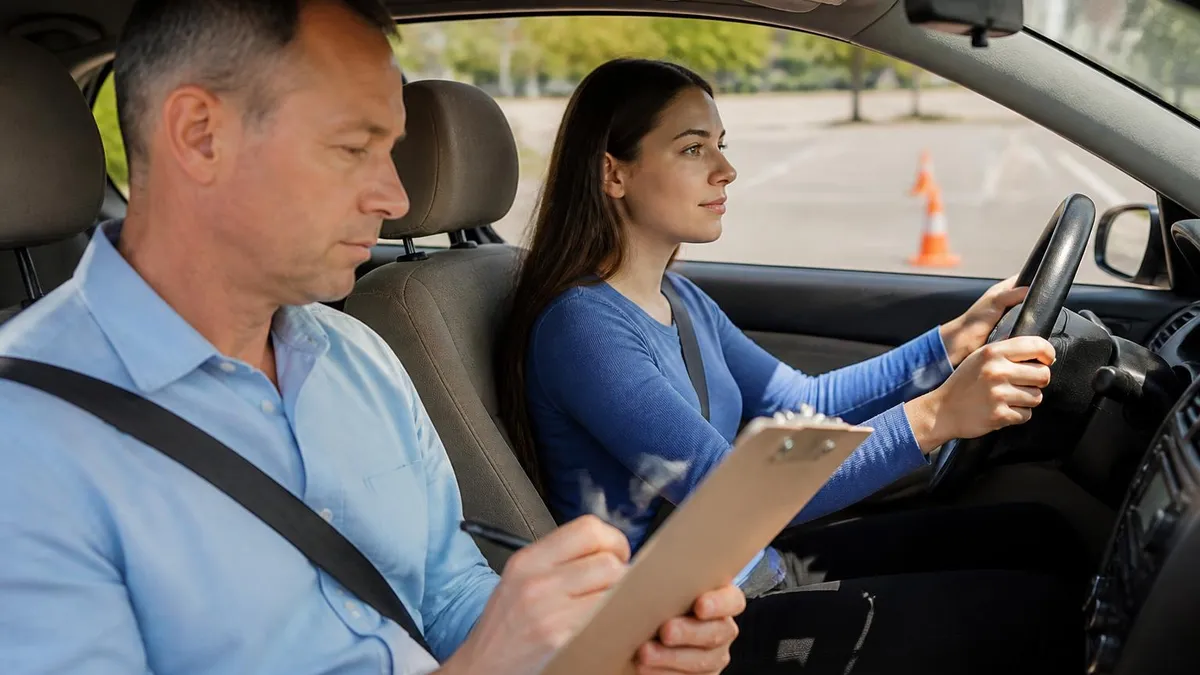
Driver Test Car Rental in Gastonia, NC: Complete BMV Road Test Vehicle Guide

Ohio BMV Driving Test: Maneuverability, Road and Pass Tips
DMV Testing Area No Cell Phones Allowed: Complete Rules Guide for Your Driving Exam

Hours of Ohio BMV: Complete Guide to Office Hours, Locations, and Visit Planning

BMV Appointment Guide: How to Schedule, Prepare, and Pass Your Visit on the First Try
About the Author
Licensed Driving Instructor & DMV Test Specialist
Penn State UniversityRobert J. Williams graduated from Penn State University with a degree in Transportation Management and has spent 20 years as a certified driving instructor and DMV examiner consultant. He has personally coached thousands of applicants through written knowledge tests, skills assessments, and commercial driver licensing programs across more than 30 states.
Join the Discussion
Connect with other students preparing for this exam. Share tips, ask questions, and get advice from people who have been there.
View discussion (5 replies)