
Bartender Interview Questions: 50+ Real Questions With Sample Answers for 2026 October
Bartender interview questions with sample answers, hiring manager tips, 📚 and prep checklists to land bar jobs in 2026 October. Real questions from top venues.
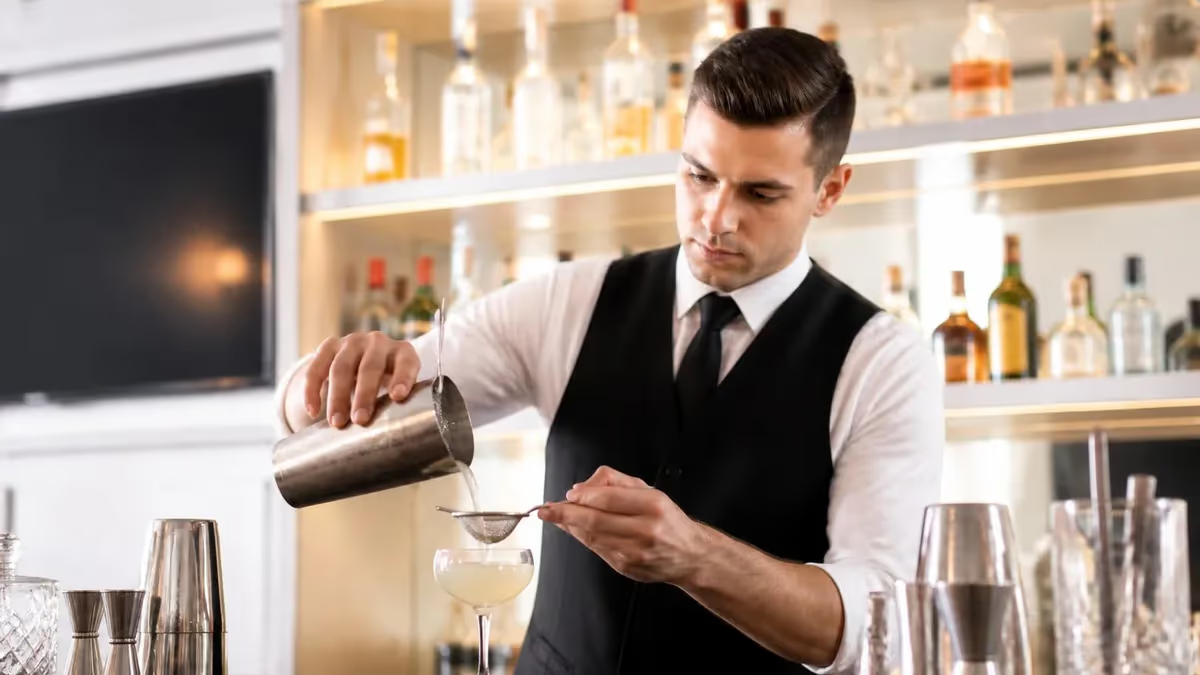
Bartender interview questions are designed to test three things at once: your technical drink knowledge, your ability to handle pressure behind a crowded bar, and your personality fit for a specific venue's culture. Hiring managers at high-volume cocktail bars, hotel lounges, dive bars, and chain restaurants all use different question sets, but the underlying themes overlap. If you understand what each question is really asking, you can prepare answers that land you the job even if your resume is light on experience. This guide breaks down more than fifty real questions with sample answers built from current 2026 hiring practices.
The bartending labor market in 2026 remains competitive in major metros like New York, Los Angeles, Chicago, and Miami. According to Bureau of Labor Statistics projections, bartender employment is expected to grow about 3 percent through 2032, with roughly 124,000 openings each year. That sounds like a lot, but the best bars routinely see thirty to fifty applications per posting. Standing out requires more than a clean resume and a firm handshake. You need to demonstrate genuine hospitality instincts, technical fluency, and the composure to handle a Friday night rush without flinching.
Most bartender interviews follow a predictable structure: ten minutes of warm-up small talk, fifteen minutes of behavioral questions about past experiences, ten minutes of technical drink and spec questions, and finally a five-minute scenario discussion or behind-the-bar audition. Some venues add a working interview where you actually shadow a shift or pour for staff. Knowing the structure lets you pace yourself and avoid burning your best stories on the easy opener questions. Save your strongest examples for the behavioral block where they carry the most weight.
Technical questions vary wildly by venue type. A craft cocktail bar will ask you to spec a Sazerac or describe the difference between a Last Word and a Bijou. A sports bar wants to know how fast you can pour six drafts and ring in a tab during a quarter break. A hotel cocktail lounge cares about classics, wine service, and how you handle a VIP request at midnight. Research the venue's menu and clientele before you walk in so you can pivot your answers toward what the hiring manager actually values.
Behavioral questions almost always use the STAR format: situation, task, action, result. Hiring managers want concrete stories with specific details, not vague generalities about being a team player. If you have not yet worked behind a bar, draw from server, barback, retail, or hospitality jobs where you handled difficult guests or high-volume service. The structure of the answer matters more than the prestige of the venue where the story took place. A clear, well-paced answer about a dive bar Saturday beats a foggy answer about a Michelin lounge.
Beyond questions, expect personality screening. Bartenders represent the venue, so managers test for warmth, eye contact, energy level, and ability to read a room. Walk in dressed slightly above the venue's dress code, arrive ten minutes early, and remember the host or hostess's name when you check in. These small signals tell the manager you understand hospitality before you ever sit down. If you want a structured way to research pay and local market norms, the Bartender Career FAQ: Pay, OLCC Rules and Must-Know Drinks covers regional differences and certification expectations that often surface in interviews.
The remainder of this guide walks through the most common bartender interview questions by category, sample answers calibrated for 2026 hiring standards, and a final prep checklist to run the night before. Use it as a workbook, not a script. The goal is to internalize patterns so your answers sound natural, not rehearsed, and so you can adapt on the fly when a manager throws a curveball question your way during the conversation.
Bartender Interviews by the Numbers
Bartender Interview Format & Structure
A 10 to 15 minute call with the bar manager or HR coordinator. Focuses on availability, schedule flexibility, certifications like TIPS or ServSafe Alcohol, and basic experience. Treat this as a real interview because it decides who advances to the in-person round.
Typically 30 to 45 minutes at the bar during a slow period. Mix of behavioral, technical, and culture-fit questions. Often conducted by the bar manager and a senior bartender together so they can compare reactions and gauge how you respond to two interviewers.
Four to eight hours behind the bar shadowing a current bartender or running a station yourself. Tests speed, cleanliness, guest interaction, and how you handle real volume. Pay varies by state law, but most reputable venues compensate trial shifts at minimum wage plus tips earned.
A short bench test where you build three to five drinks from memory or hit a specific pour count without a jigger. Common at craft cocktail bars and high-volume nightclubs. Practice your house specs and free pour counts the week before the interview.
Manager calls two or three previous supervisors to verify dates, role, and reliability. Always notify your references in advance and brief them on the job you are pursuing so they can tailor their comments to the venue type and pace.
Behavioral questions dominate the middle of a bartender interview because they reveal how you actually behave under pressure rather than how you describe yourself in theory. The most common opener is some version of tell me about yourself. Keep this answer under ninety seconds. Cover your hospitality background in two sentences, mention one accomplishment that maps to the role, and close with a sentence about why this specific venue interests you. Avoid life story tangents about college majors or unrelated jobs that eat your runway before the interesting questions even start.
Expect a question about handling a difficult guest. The strongest answers describe a specific incident, the de-escalation steps you took, and the outcome that protected both the guest experience and the venue. For example: a regular at a previous bar started slurring and demanded another round. You offered water and a complimentary appetizer, signaled the manager discreetly, called a rideshare, and the guest returned the next week to thank you. That answer demonstrates judgment, hospitality, and adherence to liquor liability rules without sounding rehearsed.
Questions about teamwork come up at every bar interview because the bar is a coordinated dance between bartenders, barbacks, servers, and the kitchen. Hiring managers want to hear that you communicate proactively, share the well station fairly, and back up a teammate during the weeds. Talk about a specific Friday night when your fellow bartender got buried with a server pickup line, and you stepped in to fire ten cocktails while they handled the rail. Concrete numbers and specific roles make these answers credible to an experienced interviewer.
Schedule flexibility is a make-or-break behavioral category. Bars need bartenders who can cover Friday and Saturday nights, holidays, and last-minute call-outs. If you can work those shifts, say so directly and unprompted. If you have constraints like school or a second job, frame them positively by emphasizing what you can offer rather than what you cannot. Many candidates lose offers not because of skill gaps but because they hedge on availability when the manager needs a clear yes or no to fill the schedule.
Questions about your weaknesses still appear in 2026 despite being a tired cliche. Pick a real but manageable weakness and pair it with a concrete improvement plan. Saying that you sometimes over-garnish cocktails because you want them to look perfect, and that you have been timing yourself to hit tickets in under ninety seconds, sounds authentic. Avoid humble-brag answers like working too hard or caring too much. Experienced hiring managers see through those instantly and mentally mark you down for inauthenticity in a hospitality role.
The why this bar question is the most important behavioral question and the one candidates flub most often. Generic answers about loving cocktails or wanting growth opportunities will not differentiate you. Reference the actual venue: the head bartender's published menu, a specific drink you tried on a recon visit, the reputation of the chef next door, or the venue's neighborhood reputation.
Showing that you did fifteen minutes of research before walking in signals that you treat this job as a career rather than a temporary gig. If you are evaluating where to apply, the bartender jobs los angeles illustrates how research depth varies by market.
Finally, expect a closing behavioral question like where do you see yourself in two years or what is your ideal bar program. Owners and managers want to know if you will stick around long enough to be worth training, or if you plan to leave for the next shiny opening in six months. A truthful answer about wanting to develop into a lead bartender or bar manager role, with a specific skill gap you want to close, projects ambition without sounding like a flight risk. Keep it specific and grounded in this venue's actual career path.
Bartender Practice Test Questions
Prepare for the Bartender Certification exam with our free practice test modules. Each quiz covers key topics to help you pass on your first try.
Bartender Certification Bar Inventory and ...
Bartender Exam Questions covering Certification Bar Inventory and Cost Control. Master Bartender Test concepts for certification prep.
Bartender Certification Bar Law and Liquor...
Free Bartender Practice Test featuring Certification Bar Law and Liquor Regulations. Improve your Bartender Exam score with mock test prep.
Bartender Certification Bar Sanitation and...
Bartender Mock Exam on Certification Bar Sanitation and Safety. Bartender Study Guide questions to pass on your first try.
Bartender Certification Bar Setup and Orga...
Bartender Test Prep for Certification Bar Setup and Organization. Practice Bartender Quiz questions and boost your score.
Bartender Certification Bar Tools and Glas...
Bartender Questions and Answers on Certification Bar Tools and Glassware. Free Bartender practice for exam readiness.
Bartender Certification Basic
Bartender Mock Test covering Certification Basic. Online Bartender Test practice with instant feedback.
Bartender Certification Cocktail Recipes a...
Free Bartender Quiz on Certification Cocktail Recipes and Techniques. Bartender Exam prep questions with detailed explanations.
Bartender Certification Customer Service a...
Bartender Practice Questions for Certification Customer Service and Sales. Build confidence for your Bartender certification exam.
Bartender Certification Customer Service S...
Bartender Test Online for Certification Customer Service Skills. Free practice with instant results and feedback.
Bartender Certification Mixology Fundamentals
Bartender Study Material on Certification Mixology Fundamentals. Prepare effectively with real exam-style questions.
Bartender Certification Responsible Alcoho...
Free Bartender Test covering Certification Responsible Alcohol Service. Practice and track your Bartender exam readiness.
Bartender Certification Spirits, Beer, and...
Bartender Exam Questions covering Certification Spirits, Beer, and Wine. Master Bartender Test concepts for certification prep.
Bartender Certification Spirits, Liqueurs,...
Free Bartender Practice Test featuring Certification Spirits, Liqueurs, and Cocktails. Improve your Bartender Exam score with mock test prep.
Bartender Responsible Alcohol Service
Bartender Mock Exam on Responsible Alcohol Service. Bartender Study Guide questions to pass on your first try.
Bartender Spirits, Liqueurs, and Cocktails
Bartender Test Prep for Spirits, Liqueurs, and Cocktails. Practice Bartender Quiz questions and boost your score.
Bartender Bar Sanitation and Safety
Bartender Questions and Answers on Bar Sanitation and Safety. Free Bartender practice for exam readiness.
Bartender Bar Setup and Organization
Bartender Mock Test covering Bar Setup and Organization. Online Bartender Test practice with instant feedback.
Bartender Bar Tools and Glassware
Free Bartender Quiz on Bar Tools and Glassware. Bartender Exam prep questions with detailed explanations.
Bartender Basic
Bartender Practice Questions for Basic. Build confidence for your Bartender certification exam.
Bartender Cocktail Recipes and Techniques
Bartender Test Online for Cocktail Recipes and Techniques. Free practice with instant results and feedback.
Bartender Customer Service and Sales
Bartender Study Material on Customer Service and Sales. Prepare effectively with real exam-style questions.
Bartender Customer Service Skills
Free Bartender Test covering Customer Service Skills. Practice and track your Bartender exam readiness.
Technical Bartender Interview Questions by Venue Type
Craft cocktail bars test your classic recipe knowledge and spec memory in depth. Expect questions like build me a Last Word from memory, what is the difference between a Manhattan and a Rob Roy, or how do you balance a sour. The interviewer wants to hear ingredient names, exact ounces, glassware, ice format, and garnish. Memorize the IBA classics list and at least twenty Death and Co or Employees Only era recipes before walking in to any craft program interview.
You should also expect process questions about technique. How do you fat wash bourbon, when do you double strain versus single strain, and what is the difference between dilution targets for stirred versus shaken drinks. Bring vocabulary like bartender's choice, dealer's choice, and modifier categories. Showing fluency in modern cocktail culture telegraphs that you can be trained quickly on the house menu and step into service with minimal supervision during the first weeks.
Is a Working Trial Shift Worth Accepting?
- +Lets you experience the actual pace and team culture before committing
- +Shows the manager your real skill level instead of relying on resume claims
- +Often paid at minimum wage plus a share of earned tips that night
- +Gives you a chance to ask current staff candid questions about management
- +Establishes muscle memory with the bar layout before your first official shift
- +Builds rapport with the existing team, which speeds onboarding once hired
- −Trial shifts in some states are technically unpaid auditions, which is borderline illegal
- −You may invest four to eight hours and still not get an offer
- −Pressure of being watched can cause stumbles that hurt your candidacy
- −Conflicts with current job schedule and may require taking PTO
- −Some venues use trial shifts as free labor during understaffed periods
- −You may injure yourself or break glassware while learning unfamiliar tools
Pros and Cons at a Glance
| Pros | Cons |
|---|---|
| Lets you experience the actual pace and team culture before committing | Trial shifts in some states are technically unpaid auditions, which is borderline illegal |
| Shows the manager your real skill level instead of relying on resume claims | You may invest four to eight hours and still not get an offer |
| Often paid at minimum wage plus a share of earned tips that night | Pressure of being watched can cause stumbles that hurt your candidacy |
| Gives you a chance to ask current staff candid questions about management | Conflicts with current job schedule and may require taking PTO |
| Establishes muscle memory with the bar layout before your first official shift | Some venues use trial shifts as free labor during understaffed periods |
| Builds rapport with the existing team, which speeds onboarding once hired | You may injure yourself or break glassware while learning unfamiliar tools |
Bartender Interview Preparation Checklist
- ✓Memorize at least 25 classic cocktail recipes with exact specs and glassware
- ✓Practice your free pour count to within a quarter ounce of target
- ✓Visit the venue as a guest at least once before the interview
- ✓Research the head bartender and any published menu items on Instagram
- ✓Prepare three STAR stories covering difficult guests, teamwork, and high volume
- ✓Print two clean copies of your resume on heavyweight paper
- ✓Confirm your TIPS, ServSafe, or state-required certification is current
- ✓Brief two references and confirm they can take a call within 48 hours
- ✓Choose interview clothing one notch above the venue's dress code
- ✓Arrive ten minutes early and order a drink at the bar if appropriate
- ✓Prepare three thoughtful questions about the role, menu, and team
- ✓Bring a notebook and pen to take notes on house specs if invited behind the bar
Match Your Energy to the Venue Within 30 Seconds
Hiring managers form a preliminary judgment within thirty seconds of meeting you. Walk in with energy that matches the venue. A craft cocktail bar wants calm, studied focus. A sports bar wants loud, friendly banter. A hotel lounge wants polished restraint. Calibrate before you open your mouth, because the first impression colors how every later answer gets interpreted by the manager.
Scenario questions are where interviews get genuinely interesting because there is no rehearsed right answer. The interviewer presents a realistic situation and watches how you reason through it out loud. A classic example: a guest at the rail orders a third double whiskey but does not appear visibly intoxicated. What do you do. The strong answer balances liquor liability law, hospitality, and venue policy. You serve, but you slow the pace, offer water, and make a mental note. You also signal a coworker to keep an eye out for changes in behavior over the next thirty minutes.
Another common scenario: a server runs to the bar in tears because a table is being verbally abusive. You are mid-shake on a four-cocktail ticket. How do you handle it. The answer should demonstrate prioritization and emotional intelligence. Finish the shake because abandoning ingredients mid-process wastes product and slows service further. Take ten seconds to acknowledge the server, ask the manager to handle the table, and refocus the server with a small task that breaks the spiral. Show that you can multitask without dropping balls during emotionally charged moments.
Theft and integrity scenarios are increasingly common in 2026 because labor costs have squeezed margins so tightly that shrinkage matters more than ever. You may be asked what you would do if you saw a fellow bartender overpour for a regular who tips well in cash. The right answer respects the team but protects the venue. Talk to the bartender directly first, give them a chance to correct, and escalate to the manager only if the behavior continues. Show that you understand cost control and inventory variance reporting without sounding like a snitch.
Cash handling scenarios test your math under pressure. The interviewer might say a guest pays a 47 dollar tab with a 100 dollar bill, asks for 20 back in cash and the rest on the card, and tips 18 percent on the card. How do you ring it. Walk through your steps out loud: confirm the breakdown verbally with the guest, split the payment in the POS, count the change twice, and place the receipt and pen down with the card. Demonstrating a verbal process for every cash transaction protects you and the venue from disputes later.
Sexual harassment and uncomfortable guest scenarios deserve direct, confident answers. A guest is making increasingly inappropriate comments to a female server. What do you do. The expected answer demonstrates protocol awareness. Move the server off that table, alert the manager on duty, document the incident in the shift log, and refuse further service to the guest if the behavior continues. Bar managers in 2026 are trained to watch for candidates who minimize these scenarios or freeze when asked, so confidence and protocol fluency matter.
Allergy and dietary scenarios test your menu knowledge and safety awareness. A guest orders an Old Fashioned and mentions they have a severe nut allergy. What do you check. The strong answer references house bitters that may contain almond or pecan notes, garnish stations shared with nut-based snacks, and the absolute need to verify with the kitchen before serving anything ambiguous. Allergy fluency signals that you take guest safety seriously and have worked in venues with proper protocols rather than improvising on the fly.
Finally, expect a hypothetical about being short staffed. Two bartenders called out, the floor is at capacity, and tickets are stacking. How do you triage. The expected answer covers communicating with the manager about putting the bar on a limited menu, asking the barback to handle simpler drinks like beer and wine, and pre-batching the highest volume cocktails. Demonstrating crisis logistics, not just panic stoicism, signals leadership potential to a manager who may be evaluating you for future promotion to lead bartender within the program.
Hiring managers verify TIPS, ServSafe Alcohol, and state alcohol server credentials directly through the issuing body. Fabricating dates, certification numbers, or previous employer details is a fast path to immediate termination and a permanent industry blacklist in tight markets like Manhattan, Chicago, and the LA basin. Be honest about gaps and certification status, then offer a concrete plan to close them within thirty days.
Salary and tip negotiation questions trip up most bartender candidates because the industry has historically treated pay as non-negotiable. That is changing in 2026 as labor shortages give experienced bartenders genuine use at competitive venues. When asked about salary expectations, give a range based on local market research rather than a single number. Reference Bureau of Labor Statistics medians, Glassdoor venue-specific reports, and your own conversations with current staff if you have them. Anchor at the upper third of the local range if you have certifications and three or more years of experience to back the ask.
Tip pool structure is the second financial topic worth asking about during the interview. Some bars run a full tip pool that includes barbacks and bussers, some run a tip share with set percentages, and some let bartenders keep individual tips. The structure dramatically affects your weekly take home, so do not be shy about asking. A simple question like can you walk me through how tips are distributed signals professionalism rather than greed. Managers expect serious candidates to evaluate compensation in full, not just hourly wage in isolation.
Health insurance and benefits questions are increasingly relevant. Full-time bartender positions at hotel groups, country clubs, and corporate restaurant chains often include medical, dental, and 401k matching. Smaller independent bars typically do not. If benefits matter to your situation, ask about eligibility, waiting periods, and employer contribution percentages.
Framing the question around long-term commitment, like I want to plan my finances for the next two years here, positions you as a serious hire rather than a transient gig worker. If you are evaluating mobile or freelance gigs, the Mobile Bartender Services: Costs, Booking & What to Expect article shows how independent contractor pay differs from W-2 venue pay.
Scheduling preferences deserve a candid conversation before you sign. Most bars publish schedules a week in advance and expect bartenders to handle Friday, Saturday, and at least one holiday block per quarter. If you have school, a second job, or family obligations that require advance notice, raise them in the interview rather than after hiring. Managers respect candidates who set expectations clearly upfront. Surprises after the offer letter damages trust and shortens your tenure before you have built any rapport with the team or regulars.
Career growth conversations matter even if you plan to stay in bartending long term. Ask the manager about their head bartender's career path, whether the venue sends staff to industry events like Bar Convent or Tales of the Cocktail, and how often promotions happen from within. These questions accomplish two goals. They show you care about the program, and they give you information to evaluate whether this is a stepping-stone job or a destination. The answers also reveal how the manager thinks about staff development as a retention tool.
Probation periods and termination policies are uncomfortable to ask about but worth understanding. Most bars operate under at-will employment, which means either party can end the relationship without cause. Some venues have explicit ninety-day probation periods with documented performance reviews at thirty, sixty, and ninety days. Knowing the framework helps you understand what success looks like in your first quarter. If the manager does not have a clear answer about how performance is evaluated, that itself is a signal worth weighing in your decision.
Finally, close the interview by asking what their timeline looks like for filling the role and what the next step in the process is. A confident close projects ownership of the conversation and gives you concrete information to follow up on. Send a one-paragraph thank-you email within twenty-four hours that references something specific from the conversation, like the head bartender's vermouth program or the new patio buildout. Personalized follow-up moves you ahead of candidates who send generic templates or, worse, send no follow-up at all after the interview ends.
The night before your bartender interview, do three concrete things and stop. Over-preparation creates rigidity that interviewers can smell. First, run through your three STAR stories out loud, ideally to a friend or recorded on your phone so you can hear pacing issues. Each story should land in under ninety seconds.
If it runs longer, cut detail until it fits. Second, review your free pour count by pouring water from a real spirits bottle with a speed pourer into a measuring jigger ten times in a row until you hit one and a half ounces consistently within a quarter ounce tolerance.
Third, review the venue's current menu one final time. Pull up Instagram, the venue's website, and any recent press coverage. Identify two drinks you would order as a guest and one ingredient or technique you want to ask the head bartender about. Walking in with informed curiosity rather than nervous deference flips the dynamic from candidate-being-evaluated to colleague-evaluating-fit. Hiring managers in 2026 explicitly look for candidates who treat the interview as a two-way conversation rather than an interrogation, because that energy carries through to guest interactions on the floor.
The morning of the interview, eat a real meal at least ninety minutes before showtime. Low blood sugar tanks your energy and makes you less responsive to follow-up questions. Avoid heavy garlic, onion, or anything that lingers on your breath. Drink water steadily through the morning, but not so much that you need a bathroom break mid-interview. Brush your teeth and use mouthwash thirty minutes before arriving. These hygiene basics seem obvious, but hiring managers report consistently that candidates underestimate how much physical presence affects first impressions in a hospitality interview.
Dress code calibration deserves a final review. For a craft cocktail bar, dark jeans or chinos with a clean button-down and leather shoes signals respect without overdoing it. For a hotel lounge, lean into a sport coat or blazer. For a sports bar or dive, dark jeans and a clean polo or henley work well. Avoid heavy cologne or perfume because the interviewer will likely have you behind the bar, and competing scents distract from the spirits aromas they want you to identify. Cover visible tattoos only if the venue requires it for floor staff.
Bring a leather portfolio or simple folder with two printed resume copies, your certification cards, a notebook, and a pen. Avoid bringing a backpack because it signals student energy rather than professional readiness. Leave your phone in the car or on silent in your pocket, not face up on the bar. The single act of pulling out a phone during an interview answer is one of the most cited reasons hiring managers reject otherwise qualified candidates. Treat the entire venue as the interview, not just the table where you sit down.
When you walk in, greet the host by name if you know it from the reservation system or call ahead. Mention you have an interview scheduled with whoever the manager is. Stand rather than sit if there is a wait, and observe the bar in operation. Note how the current bartender greets guests, how tickets are organized, and how the team communicates. These observations become organic material for your answers when the manager asks what you noticed about the venue. Showing active observation skills demonstrates the situational awareness every great bartender brings to every shift behind a busy bar.
After the interview ends, take five minutes in your car or at a nearby coffee shop to write down the manager's name, key topics discussed, and any specific commitments you made. Use that note to draft your thank-you email later that evening. Reference a specific moment from the conversation, restate your interest in the role, and confirm the next step you discussed.
Patience is the final virtue. Most bar interview processes take seven to fourteen days from first conversation to formal offer. If you have not heard back by day ten, send one polite follow-up email, then move on to other applications in your pipeline.
Sample Bartender Certification Practice Questions
Try these questions from our free Bartender Certification practice tests. The correct answer and an explanation follow each question.
What is the term for the process of heating wine must (grape juice) with grape skins during red wine production?
- A. Maceration
- B. Distillation
- C. Malolactic fermentation
- D. Riddling
Answer: A. Maceration
Maceration is the process of fermenting red wine with grape skins, seeds, and stems to extract color (anthocyanins), tannins, and flavor compounds from the solid material.
A customer asks for a spirit that is known for its distinct botanical flavors, with juniper being the most prominent. Which of the following would you recommend?
- A. Vodka
- B. Gin
- C. White Rum
- D. Tequila Blanco
Answer: B. Gin
Gin is a spirit whose primary characteristic flavor is derived from juniper berries. While other botanicals are used, juniper is the defining ingredient. Vodka is a neutral spirit, rum is made from sugarcane, and tequila from the agave plant.
Which wine grape variety is most associated with the Bordeaux region of France?
- A. Pinot Noir
- B. Riesling
- C. Cabernet Sauvignon and Merlot
- D. Sangiovese
Answer: C. Cabernet Sauvignon and Merlot
Bordeaux red wines are primarily made from Cabernet Sauvignon (dominant on the Left Bank) and Merlot (dominant on the Right Bank), often blended with Cabernet Franc, Petit Verdot, and Malbec.
What does 'building rapport' with bar guests accomplish?
- A. Increases the speed of service
- B. Creates a comfortable, welcoming atmosphere that encourages repeat visits and higher spending
- C. Allows the bartender to avoid card-checking requirements
- D. Reduces the need to know cocktail recipes
Answer: B. Creates a comfortable, welcoming atmosphere that encourages repeat visits and higher spending
Building rapport through friendly conversation, remembering preferences, and genuine attention creates a loyal customer base, encourages repeat visits, and typically results in higher tips and spending.
Bartender Bartender Questions and Answers
Wisconsin Bartending License: Operator's License Guide 2026
Bartender for Hire: How to Book, Pricing Guide, and What to Expect in 2026
Bartender Jobs in Los Angeles: 2026 Guide to Pay, Hiring Hotspots, and Landing the Gig
Bartender Career FAQ: Pay, OLCC Rules and Must-Know Drinks
Mobile Bartender Services: Costs, Booking & What to Expect
About the Author
Executive Chef & Culinary Arts Certification Educator
Culinary Institute of AmericaChef Marco Bellini is a Certified Executive Chef and graduate of the Culinary Institute of America with over 20 years of professional kitchen experience in Michelin-recognized restaurants. He teaches culinary arts certification, food safety, and hospitality exam preparation, having guided thousands of culinary students through their ServSafe, ProStart, and professional chef certifications.
Join the Discussion
Connect with other students preparing for this exam. Share tips, ask questions, and get advice from people who have been there.
View discussion (7 replies)