

ASC Practice Test
Updated for October 2026Winter recreation in mountainous regions offers thrilling experiences—from backcountry skiing and snowmobiling to alpine hiking and mountaineering. However, such environments present serious risks, particularly from avalanches. Each year, avalanches cause fatalities and injuries among outdoor enthusiasts, professionals, and rescue workers. The Avalanche Safety Certification (ASC) provides essential training to recognize avalanche terrain, assess snowpack stability, use safety equipment effectively, and make informed decisions in the backcountry.
The ASC is typically delivered through structured programs offered by accredited organizations and agencies. These courses are tailored to various levels of expertise, from beginner recreationalists to seasoned guides and first responders. With a combination of classroom instruction and field-based learning, certified individuals gain life-saving knowledge that reduces avalanche risks and enhances personal and group safety.
ASC Practice Test Questions
Prepare for the ASC - Avalanche Safety Certification exam with our free practice test modules. Each quiz covers key topics to help you pass on your first try.
ASC Decision Making & Group Dynamics
ASC Exam Questions covering ASC Decision Making & Group Dynamics. Master ASC Test concepts for certification prep.
ASC Route Planning & Travel Protocols
Free ASC Practice Test featuring ASC Route Planning & Travel Protocols. Improve your ASC Exam score with mock test prep.
ASC Avalanche Forecasting & Danger Ratings
ASC Mock Exam on Avalanche Forecasting & Danger Ratings. ASC Study Guide questions to pass on your first try.
ASC Avalanche Formation & Terrain Recognition
ASC Test Prep for Avalanche Formation & Terrain Recognition. Practice ASC Quiz questions and boost your score.
ASC Case Analysis & Practical Application
ASC Questions and Answers on Case Analysis & Practical Application. Free ASC practice for exam readiness.
ASC Communication & Client Relations
ASC Mock Test covering Communication & Client Relations. Online ASC Test practice with instant feedback.
ASC Professional Standards & Competencies
Free ASC Quiz on Professional Standards & Competencies. ASC Exam prep questions with detailed explanations.
ASC Quality Control & Process Improvement
ASC Practice Questions for Quality Control & Process Improvement. Build confidence for your ASC certification exam.
ASC Regulatory Compliance & Legal Framework
ASC Test Online for Regulatory Compliance & Legal Framework. Free practice with instant results and feedback.
ASC Rescue Techniques & Emergency Response
ASC Study Material on Rescue Techniques & Emergency Response. Prepare effectively with real exam-style questions.
ASC Research Methods & Evidence-Based Prac...
Free ASC Test covering Research Methods & Evidence-Based Practice. Practice and track your ASC exam readiness.
ASC Risk Assessment & Mitigation
ASC Exam Questions covering Risk Assessment & Mitigation. Master ASC Test concepts for certification prep.
ASC Safety Equipment Usage & Risk Management
Free ASC Practice Test featuring Safety Equipment Usage & Risk Management. Improve your ASC Exam score with mock test prep.
Key Takeaways
Free ASC Practice Test Online
Avalanche Safety Certification (ASC) provides knowledge and practical skills for identifying avalanche hazards and making safer decisions in snowy environments.
Courses are offered in multiple levels, including introductory, intermediate, and advanced training.
Participants learn about avalanche terrain recognition, snowpack analysis, weather patterns, rescue techniques, and decision-making strategies.
Certification is valuable for skiers, snowboarders, snowmobilers, guides, mountaineers, and wilderness professionals.
ASC programs often follow curriculum standards set by national organizations such as AIARE (U.S.), Avalanche Canada, or the American Avalanche Association.
ASC improves outdoor risk awareness and prepares individuals to respond effectively in emergency avalanche scenarios.
Completion of certified avalanche courses is often a prerequisite for guiding, ski patrolling, or participating in backcountry tours.
The Avalanche Safety Certification is a structured education program designed to train individuals in the recognition, prevention, and response to avalanche hazards. It combines theoretical knowledge with practical exercises in mountainous terrain. The curriculum typically includes understanding the mechanics of avalanche formation, evaluating snowpack conditions, interpreting weather patterns, and using rescue tools such as transceivers, shovels, and probes.
Different organizations around the world offer standardized ASC programs. In the United States, the American Institute for Avalanche Research and Education (AIARE) offers recognized ASC pathways. Other prominent providers include Avalanche Canada, National Ski Patrol, and state or regional avalanche centers.
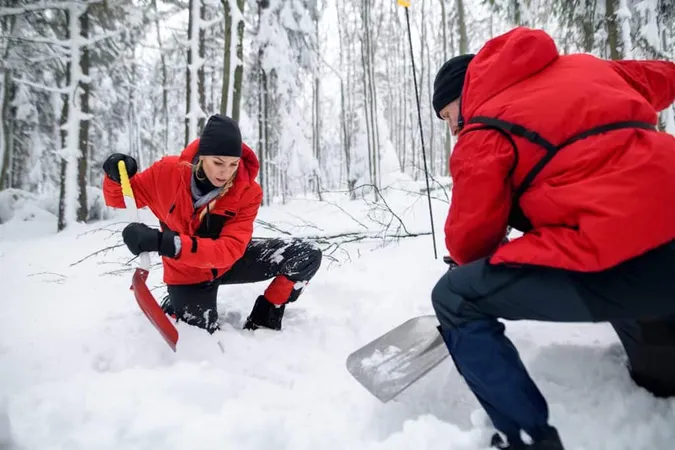
ASC is essential for a wide range of outdoor users and professionals, including:
Backcountry skiers and snowboarders
Snowmobilers and splitboarders
Ski patrollers and mountain guides
Search and rescue personnel
Winter hikers and alpine climbers
Outdoor education instructors and trip leaders
Even recreational users with minimal winter experience benefit from entry-level avalanche awareness training. For those venturing into remote or unmanaged terrain, certification is often a key prerequisite for participation or insurance coverage.
Most ASC programs are organized into progressive levels, each building on the last:
Level 1: Avalanche Awareness or Introductory Course
Ideal for beginners, this course introduces avalanche types, basic risk factors, terrain identification, equipment use, and group communication.Level 2: Intermediate or Recreational Avalanche Training
Offers deeper insights into snow science, weather interpretation, terrain variability, and complex decision-making.Level 3: Professional-Level Certification
Designed for guides, patrollers, and SAR teams. It includes advanced snowpack testing, hazard forecasting, operational risk management, and leadership in avalanche terrain.Companion Rescue Course
Often offered alongside or between levels, this course focuses exclusively on performing effective rescues using avalanche beacons, shovels, and probes.Each course typically includes classroom instruction, field training, and practical assessments to ensure real-world application of skills.
Obtaining ASC brings significant personal and professional advantages:
Life-Saving Knowledge
Equips participants with the tools to avoid and respond to avalanches, reducing injury and death risk.Improved Confidence in the Backcountry
Enables safer route selection and group leadership during winter travel.Professional Requirements
Required for employment or participation in guided expeditions, ski patrol units, and avalanche control teams.Increased Access and Inclusion
Many tour operators and adventure programs require ASC before granting participation.Community Safety Contribution
Trained individuals help build a culture of responsibility and safety in shared mountain spaces.Expanded Career Opportunities
Certification opens pathways to careers in outdoor education, wilderness guiding, and public safety.
To earn Avalanche Safety Certification, individuals must:
Choose a certified training provider such as AIARE, Avalanche Canada, or a local avalanche center.
Register for the appropriate course level based on your skill and experience.
Attend and participate in the full training—both classroom sessions and outdoor field components.
Pass any assessments or practical evaluations required by the course provider.
Receive your certification and maintain knowledge through refresher courses, practice, and experience.
Most providers recommend refreshing your training every 1–3 years to stay up to date on evolving techniques and changing climate conditions.
Our free F07 food handler practice test covers NRFSP food safety competency areas for the food protection manager certification examination used in many states.
Our free FLS Food Liaison Safety practice test covers HACCP principles, food temperature controls, cross-contamination prevention, and sanitation standards used in food safety oversight programs.
Our free F02 food handler practice test covers NRFSP competency areas for the food protection manager certification — including foodborne illness prevention, HACCP, and facility sanitation.
Certified Safety Professional candidates studying hazard controls often use the MSHA Practice Test 2026 to review industrial safety standards and regulatory compliance.
- ✓Confirm your exam appointment and location
- ✓Bring required identification documents
- ✓Arrive 30 minutes early to check in
- ✓Read each question carefully before answering
- ✓Flag difficult questions and return to them later
- ✓Manage your time — don't spend too long on one question
- ✓Review flagged questions before submitting
Conclusion
The Avalanche Safety Certification (ASC) is a cornerstone of safe and responsible travel in snow-covered terrain. Whether you're a weekend skier or a professional mountain guide, this certification provides the critical knowledge and practical skills necessary to prevent avalanche incidents and respond effectively when emergencies arise.
As outdoor recreation in winter backcountry environments becomes more popular, the importance of avalanche education cannot be overstated. Certification not only protects individuals—it also builds safer communities, encourages informed decision-making, and supports sustainable access to the wild places we cherish.
- +Validates your knowledge and skills objectively
- +Increases job market competitiveness
- +Provides structured learning goals
- +Networking opportunities with other certified professionals
- −Study materials can be expensive
- −Exam anxiety can affect performance
- −Requires dedicated preparation time
- −Retake fees apply if you don't pass
Pros and Cons at a Glance
| Pros | Cons |
|---|---|
| Validates your knowledge and skills objectively | Study materials can be expensive |
| Increases job market competitiveness | Exam anxiety can affect performance |
| Provides structured learning goals | Requires dedicated preparation time |
| Networking opportunities with other certified professionals | Retake fees apply if you don't pass |
Sample Avalanche Safety Certification Practice Questions
Try these questions from our free Avalanche Safety Certification practice tests. The correct answer and an explanation follow each question.
When selecting a safe travel corridor through avalanche terrain, guides prioritize ridgelines and valley floors primarily because these zones:
- A. Offer the most reliable cellular communication
- B. Represent areas below avalanche start zones or above runout paths
- C. Are preferred by clients for photography opportunities
- D. Provide the flattest terrain for beacon searches
Answer: B. Represent areas below avalanche start zones or above runout paths
Ridgelines sit above most start zones and valley floors below runout zones, placing travelers outside the primary avalanche path.
In group travel through avalanche terrain, the concept of 'one at a time' exposure management primarily serves to:
- A. Speed up overall group travel time
- B. Limit the number of people exposed to hazard at any given moment
- C. Ensure the guide maintains visual contact with all clients
- D. Reduce fatigue by allowing rest intervals
Answer: B. Limit the number of people exposed to hazard at any given moment
One-at-a-time exposure limits the maximum number of people who could be caught in a single avalanche, reducing potential burial count.
Under ASC travel protocols, 'exposure time' in avalanche terrain refers to:
- A. The duration of UV radiation risk at high elevation
- B. The cumulative time a person or group spends in a zone where they could be caught by an avalanche
- C. The period during which wind slab formation is most active
- D. The time between beacon signal detection and victim excavation
Answer: B. The cumulative time a person or group spends in a zone where they could be caught by an avalanche
Minimizing exposure time is a core travel protocol strategy — the longer a group is in hazard terrain, the greater the probability of a dangerous encounter.
What is the professional standard for briefing clients about group travel protocols before entering avalanche terrain?
- A. Brief only those clients who ask about safety procedures
- B. Conduct a formal pre-trip safety briefing covering terrain, hazards, and rescue roles
- C. Post a written briefing on the van window before departure
- D. Brief clients after the first notable hazard is encountered
Answer: B. Conduct a formal pre-trip safety briefing covering terrain, hazards, and rescue roles
A formal pre-trip safety briefing is standard practice to ensure all clients understand terrain risks, group protocols, and individual rescue roles before exposure.
(ASC) Avalanche Safety Certification Questions and Answers
About the Author

Certified Safety Professional & OSHA Compliance Expert
Indiana University of Pennsylvania Safety SciencesDr. William Foster holds a PhD in Safety Science from Indiana University of Pennsylvania and is a Certified Safety Professional (CSP) and Certified Hazardous Materials Manager. With 20 years of occupational health and safety management experience across construction, manufacturing, and chemical industries, he coaches safety professionals through OSHA certification, CSP, CHST, and safety management licensing programs.
Join the Discussion
Connect with other students preparing for this exam. Share tips, ask questions, and get advice from people who have been there.
View discussion (8 replies)