

ATC Practice Test
Updated for October 2026Aquatic Therapy Certification (ATC) is an essential credential for healthcare professionals seeking to specialize in water-based rehabilitation. With the growing demand for non-invasive and effective therapeutic methods, aquatic therapy has emerged as a preferred choice for treating various conditions, including musculoskeletal disorders, neurological impairments, and chronic pain. Earning an ATC not only enhances your professional credibility but also equips you with the skills necessary to deliver high-quality care in aquatic settings. This guide provides an in-depth look at the certification process, benefits, and opportunities associated with aquatic therapy.
ATC Practice Test Questions
Prepare for the ATC - Aquatic Therapy Certification exam with our free practice test modules. Each quiz covers key topics to help you pass on your first try.
ATC Aquatic Kinesiology & Biomechanics
ATC Exam Questions covering Aquatic Kinesiology & Biomechanics. Master ATC Test concepts for certification prep.
ATC Hydrotherapy Techniques & Equipment
Free ATC Practice Test featuring ATC Hydrotherapy Techniques & Equipment. Improve your ATC Exam score with mock test prep.
ATC Rehabilitation Progressions & Outcomes
ATC Mock Exam on ATC Rehabilitation Progressions & Outcomes. ATC Study Guide questions to pass on your first try.
ATC Clinical Assessment & Patient Care
ATC Test Prep for Clinical Assessment & Patient Care. Practice ATC Quiz questions and boost your score.
ATC Diagnostic Procedures & Interpretation
ATC Questions and Answers on Diagnostic Procedures & Interpretation. Free ATC practice for exam readiness.
ATC Documentation & Health Records
ATC Mock Test covering Documentation & Health Records. Online ATC Test practice with instant feedback.
ATC Emergency Response & Critical Care
Free ATC Quiz on Emergency Response & Critical Care. ATC Exam prep questions with detailed explanations.
ATC Infection Control & Prevention
ATC Practice Questions for Infection Control & Prevention. Build confidence for your ATC certification exam.
ATC Patient Education & Health Promotion
ATC Test Online for Patient Education & Health Promotion. Free practice with instant results and feedback.
ATC Pharmacology & Treatment Protocols
ATC Study Material on Pharmacology & Treatment Protocols. Prepare effectively with real exam-style questions.
ATC Professional Ethics & Legal Standards
Free ATC Test covering Professional Ethics & Legal Standards. Practice and track your ATC exam readiness.
ATC Aquatic Exercise
ATC Exam Questions covering Aquatic Exercise. Master ATC Test concepts for certification prep.
ATC Emergency Procedures
Free ATC Practice Test featuring Emergency Procedures. Improve your ATC Exam score with mock test prep.
Key Takeaways
Free Aquatic Therapy Practice Test Online
-
Aquatic Therapy Certification (ATC) validates your expertise in water-based rehabilitation techniques.
-
Prerequisites typically include a background in physical therapy or a related field.
-
Certification programs often require completion of specific coursework and practical assessments.
-
ATC enhances your ability to treat a wide range of conditions effectively.
-
Certified professionals are in high demand across various healthcare settings.
-
Continuing education is crucial for maintaining certification and staying updated with best practices.
-
ATC can lead to increased job opportunities and professional growth.
Understanding Aquatic Therapy
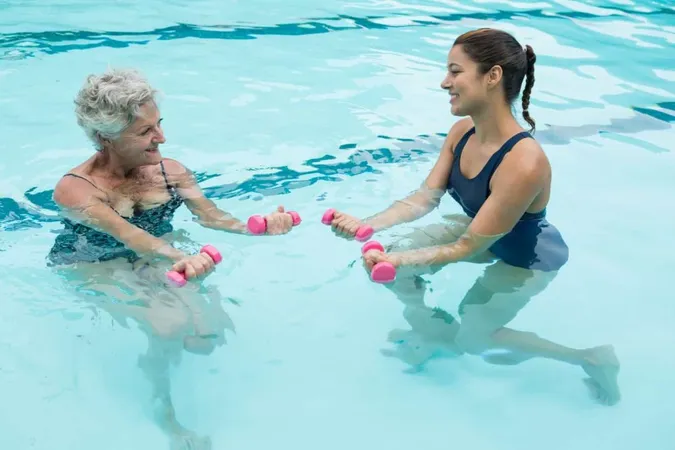
Aquatic therapy involves the use of water-based exercises to aid in patient rehabilitation and recovery. The unique properties of water, such as buoyancy and resistance, make it an ideal medium for therapy, reducing stress on joints and allowing for greater range of motion. Techniques used in aquatic therapy include Ai Chi, Bad Ragaz Ring Method, and Watsu, among others. These methods are effective in improving balance, strength, and overall functional mobility
Benefits of Aquatic Therapy Certification
Obtaining an ATC offers numerous advantages:
-
Professional Recognition: Certification demonstrates your commitment to specialized care and adherence to industry standards.
-
Enhanced Skills: Training programs provide comprehensive knowledge of aquatic therapy techniques and patient management.
-
Career Advancement: Certified professionals often have access to better job opportunities and higher earning potential.
-
Patient Outcomes: Specialized skills lead to improved patient satisfaction and recovery rates.
Certification Process
The path to certification typically involves:
-
Educational Prerequisites: A degree in physical therapy or a related field is usually required.
-
Coursework: Completion of approved courses covering topics like water properties, therapeutic techniques, and safety protocols.
-
Practical Assessments: Demonstration of hands-on skills in a supervised aquatic environment.
-
Examination: Passing a comprehensive exam that tests theoretical knowledge and practical application.
Maintaining Certification
To keep your certification active:
-
Continuing Education: Engage in ongoing learning through workshops, seminars, and courses.
-
Renewal Requirements: Meet the specific criteria set by the certifying body, which may include a certain number of practice hours and additional assessments.
-
Staying Informed: Keep up-to-date with the latest research and advancements in aquatic therapy.
Career Opportunities
Certified aquatic therapists can work in various settings, including:
-
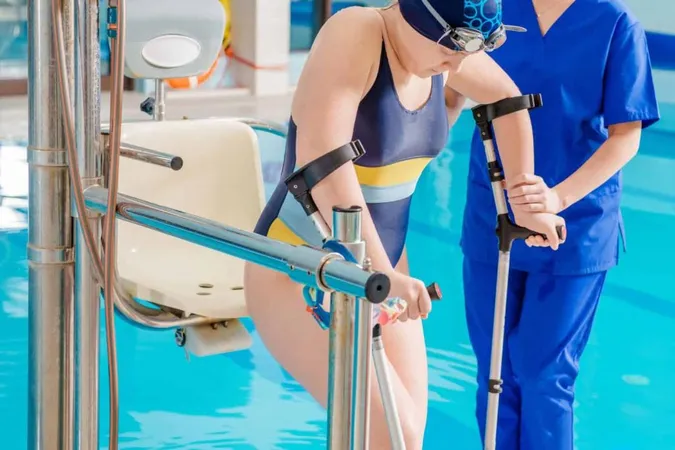
Hospitals and Rehabilitation Centers: Providing therapy to patients recovering from surgeries or injuries.
-
Private Clinics: Offering specialized services to clients seeking alternative rehabilitation methods.
-
Sports Facilities: Assisting athletes in recovery and performance enhancement.
-
Community Centers: Conducting group therapy sessions for individuals with chronic conditions.

Conclusion
Pursuing an Aquatic Therapy Certification (ATC) is a strategic move for healthcare professionals aiming to expand their expertise and improve patient care. The certification process equips you with specialized skills that are increasingly in demand across various healthcare settings. By staying committed to continuous learning and adhering to best practices, certified aquatic therapists can make significant contributions to the field of rehabilitation.
Moreover, the benefits of certification extend beyond professional growth. Patients receive higher quality care, leading to better outcomes and increased satisfaction. As the healthcare industry continues to evolve, the role of specialized therapists becomes more critical, making certifications like ATC invaluable.
In summary, Aquatic Therapy Certification offers a pathway to professional excellence, enhanced patient care, and a fulfilling career in the dynamic field of aquatic rehabilitation.
- +Industry-recognized credential boosts your resume
- +Higher earning potential (10-20% salary increase on average)
- +Demonstrates commitment to professional development
- +Opens doors to advanced career opportunities
- −Exam preparation requires significant time investment (4-8 weeks)
- −Certification fees can be $100-$400+
- −May require continuing education to maintain
- −Some employers may not require certification
Sample ATC - Aquatic Therapy Certification Practice Questions
Try these questions from our free ATC - Aquatic Therapy Certification practice tests. The correct answer and an explanation follow each question.
What is the MOST effective way to stay current with developments in emergency response & critical care for Aquatic Therapy?
- A. Participating in professional development, industry events, and peer collaboration
- B. Reading only internal communications
- C. Relying on experience gained early in career
- D. Following a single expert opinions
Answer: A. Participating in professional development, industry events, and peer collaboration
A multi-faceted approach including formal development, industry events, and peer collaboration provides the broadest perspective on current developments.
Metacentric height in aquatic biomechanics is best defined as:
- A. The optimal pool depth for therapeutic immersion
- B. The vertical distance between the metacenter and the center of gravity, indicating rotational stability
- C. The height of the patient's center of mass above the pool floor
- D. The water surface height relative to a patient's landmarks
Answer: B. The vertical distance between the metacenter and the center of gravity, indicating rotational stability
Metacentric height measures the distance between the metacenter and center of gravity; a positive value indicates the body will self-correct rotational displacement, while a negative value indicates instability.
Which patient education & health promotion technique is MOST appropriate when delivering complex information in Aquatic Therapy?
- A. Breaking information into manageable segments and confirming understanding
- B. Presenting all information at once to save time
- C. Using only written materials without verbal explanation
- D. Assuming the audience will research details independently
Answer: A. Breaking information into manageable segments and confirming understanding
Breaking information into manageable segments and checking understanding ensures comprehension and retention of complex material.
The viscosity of water provides therapeutic benefit in aquatic resistance exercise primarily by:
- A. Reducing joint compression forces
- B. Creating consistent resistance throughout the full range of motion in all directions
- C. Increasing buoyancy forces on the limb
- D. Lowering water temperature during exercise
Answer: B. Creating consistent resistance throughout the full range of motion in all directions
Water's viscosity provides multidirectional, consistent resistance throughout the entire range of motion, enabling strengthening without the unidirectional limitation of gravity-based resistance.
Take the full ATC - Aquatic Therapy Certification practice test
(ATC) Aquatic Therapy Certification Questions and Answers
About the Author

Licensed Psychologist & Mental Health Licensing Exam Expert
Northwestern UniversityDr. Nicole Warren holds a PhD in Clinical Psychology from Northwestern University and is licensed as both a Professional Counselor (LPC) and Clinical Social Worker (LCSW). She has 14 years of clinical practice in cognitive-behavioral therapy and trauma-informed care, and coaches psychology and counseling graduates through the EPPP, ASWB, NCE, and state mental health licensing examinations.