

ASPT Practice Test
Updated for October 2026The field of phlebotomy is critical in the healthcare industry, as it plays a significant role in diagnostic testing and patient care. The American Society of Phlebotomy Technicians (ASPT) offers certification to individuals aspiring to work as phlebotomists. Becoming certified through the ASPT can enhance a technician’s career prospects by demonstrating their skills and knowledge in blood collection and patient interaction. This article provides a comprehensive overview of the American Society of Phlebotomy Technicians, including how to become certified, job responsibilities, salary expectations, and exam costs.
ASPT Practice Test Questions
Prepare for the ASPT - American Society of Phlebotomy Technicians exam with our free practice test modules. Each quiz covers key topics to help you pass on your first try.
ASPT Anatomy & Physiology for Phlebotomy
ASPT Exam Questions covering ASPT Anatomy & Physiology for Phlebotomy. Master ASPT Test concepts for certification prep.
ASPT Quality Assurance & Laboratory Operat...
Free ASPT Practice Test featuring ASPT Quality Assurance & Laboratory Operations. Improve your ASPT Exam score with mock test prep.
ASPT Blood Collection Equipment & Supplies
ASPT Mock Exam on Blood Collection Equipment & Supplies. ASPT Study Guide questions to pass on your first try.
ASPT Clinical Procedures & Techniques
ASPT Test Prep for Clinical Procedures & Techniques. Practice ASPT Quiz questions and boost your score.
ASPT Documentation & Legal Standards
ASPT Questions and Answers on Documentation & Legal Standards. Free ASPT practice for exam readiness.
ASPT Patient Assessment & Care Planning
ASPT Mock Test covering Patient Assessment & Care Planning. Online ASPT Test practice with instant feedback.
ASPT Patient Preparation
Free ASPT Quiz on Patient Preparation. ASPT Exam prep questions with detailed explanations.
ASPT Safety and Infection Control
ASPT Practice Questions for Safety and Infection Control. Build confidence for your ASPT certification exam.
ASPT Safety & Infection Control
ASPT Test Online for Safety & Infection Control. Free practice with instant results and feedback.
Key Takeaways
Free ASPT Practice Test Online
The American Society of Phlebotomy Technicians (ASPT) provides certification for phlebotomists, helping to validate their expertise in blood collection and patient care.
To become certified, candidates must complete an accredited phlebotomy training program, gain hands-on experience, and pass the ASPT certification exam.
Phlebotomists are responsible for tasks such as blood collection, patient care, lab procedures, and maintaining safety protocols.
The average salary for phlebotomists ranges from $30,000 to $50,000, with higher salaries available in certain areas or for those with more experience.
The exam cost for the ASPT certification typically ranges from $100 to $150, with additional costs for training materials and continuing education.
What Is the American Society of Phlebotomy Technicians?
The American Society of Phlebotomy Technicians (ASPT) is a professional organization dedicated to supporting phlebotomists and advancing the field of phlebotomy. The ASPT provides certification exams that validate a technician’s proficiency in phlebotomy techniques, patient interaction, and laboratory procedures. The certification through the ASPT is recognized in many healthcare settings, including hospitals, clinics, and laboratories.
By joining the ASPT, phlebotomists gain access to a network of professionals, continuing education resources, and the credibility that comes with certification. The certification process ensures that phlebotomists meet industry standards and are well-equipped to handle the demands of the job.
- ✓Review the official ASPT exam content outline
- ✓Take a diagnostic practice test to identify weak areas
- ✓Create a study schedule (4-8 weeks recommended)
- ✓Focus on your weakest domains first
- ✓Complete at least 3 full-length practice exams
- ✓Review all incorrect answers with detailed explanations
- ✓Take a final practice test 1 week before exam day

How to Become an American Society of Phlebotomy Technician
Becoming a certified phlebotomist through the American Society of Phlebotomy Technicians (ASPT) requires meeting specific educational and professional criteria. Here is a step-by-step guide to becoming certified:
Step 1: Obtain Required Education
Aspiring phlebotomists typically need a high school diploma or GED. Many also pursue formal education programs in phlebotomy, which are available through community colleges, vocational schools, and healthcare training institutions. These programs typically last a few months and include both theoretical coursework and hands-on clinical training.Step 2: Gain Practical Experience
In addition to formal education, candidates are usually required to gain practical experience. This often involves completing a certain number of blood draws as part of their training program. This hands-on experience is crucial to becoming proficient in phlebotomy techniques.
Step 3: Complete the ASPT Certification Exam
After meeting educational and experience requirements, candidates must pass the ASPT certification exam. The exam evaluates knowledge and skills related to blood collection procedures, patient care, safety protocols, and laboratory techniques.
Step 4: Maintain Certification
Once certified, phlebotomists may be required to complete continuing education courses or re-certify after a specified period, ensuring they stay up-to-date with the latest techniques and standards in the field.
Job Description of an American Society of Phlebotomy Technician
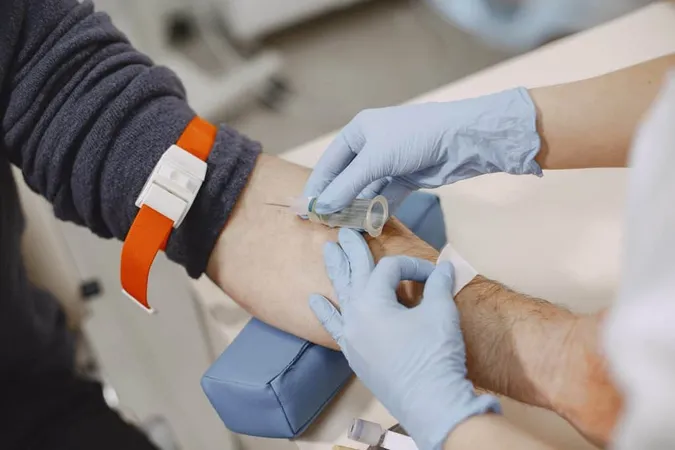
Phlebotomists are healthcare professionals responsible for collecting blood samples from patients for diagnostic testing. Their job involves several essential duties, including:
Blood Collection: Drawing blood from patients using needles, syringes, or other specialized equipment.
Patient Interaction: Explaining procedures to patients, easing their anxiety, and ensuring they are comfortable during the blood collection process.
Lab Procedures: Preparing and labeling blood samples for laboratory testing, ensuring accuracy in all steps.
Record Keeping: Maintaining proper records of blood collection and ensuring that patient data is kept confidential.
Safety Compliance: Following strict health and safety protocols, including the proper disposal of needles and other potentially hazardous materials.
Quality Control: Ensuring that blood samples are collected correctly and that all equipment is sanitized and functioning properly.
Phlebotomists play a crucial role in the healthcare system, working alongside other medical professionals to help diagnose and monitor various health conditions.
Salary of an American Society of Phlebotomy Technician
The salary of a certified phlebotomist varies based on factors such as location, experience, and the healthcare facility they work in. On average, phlebotomists in the United States earn between $30,000 and $50,000 annually. In some cases, experienced phlebotomists or those working in high-demand areas may earn more, with salaries approaching $60,000 or higher.
Phlebotomists in metropolitan areas or those employed in hospitals and specialized clinics often receive higher pay. Additionally, those with advanced certifications or additional skills may have the opportunity to earn more or advance to supervisory roles.
Exam Cost of the American Society of Phlebotomy Technician
The ASPT certification exam requires a fee, which typically ranges from $100 to $150, depending on the specific exam type. The cost covers the exam and administrative expenses, ensuring the certification process is properly managed.
Additional costs may include study materials, practice tests, and any continuing education fees required to maintain certification. Phlebotomists should also consider other expenses such as the cost of formal training programs and ongoing professional development.
Conclusions
Becoming a certified phlebotomy technician through the American Society of Phlebotomy Technicians (ASPT) offers numerous benefits, including increased job opportunities, higher earning potential, and professional credibility. The process involves completing a training program, gaining hands-on experience, and passing the ASPT certification exam. With a growing demand for healthcare professionals in the United States, obtaining ASPT certification can be a significant step in advancing one’s career in the medical field. Phlebotomists play a vital role in patient care, and with certification, they are equipped to meet the highest standards of practice.
FAQs
What is the American Society of Phlebotomy Technicians (ASPT)?
The ASPT is a professional organization that offers certification for phlebotomists, ensuring they meet the standards required for blood collection and patient care in the healthcare industry.
How do I become a certified phlebotomist?
To become a certified phlebotomist, you must complete a training program, gain hands-on experience, and pass the ASPT certification exam.
- +Industry-recognized credential boosts your resume
- +Higher earning potential (10-20% salary increase on average)
- +Demonstrates commitment to professional development
- +Opens doors to advanced career opportunities
- −Exam preparation requires significant time investment (4-8 weeks)
- −Certification fees can be $100-$400+
- −May require continuing education to maintain
- −Some employers may not require certification
What is the average salary of a phlebotomist?
Phlebotomists in the U.S. earn an average salary between $30,000 and $50,000 annually, with potential for higher earnings in certain locations or with advanced experience.
How much does the ASPT exam cost?
The cost of the ASPT certification exam typically ranges from $100 to $150, with additional costs for study materials and continuing education.
Sample American Society of Phlebotomy Technicians Practice Questions
Try these questions from our free American Society of Phlebotomy Technicians practice tests. The correct answer and an explanation follow each question.
What documentation is MOST critical to maintain for safety compliance in the American Society of Phlebotomy Technicians field?
- A. Employee vacation schedules
- B. Incident reports, training records, and inspection logs
- C. Client marketing preferences
- D. Annual revenue reports
Answer: B. Incident reports, training records, and inspection logs
Incident reports, training records, and inspection logs are essential safety documentation. They demonstrate compliance with safety regulations, track training completion, and provide evidence of systematic hazard management.
What role does calibration play in maintaining technical accuracy for American Society of Phlebotomy Technicians professionals?
- A. It is only necessary for new equipment
- B. It ensures instruments and methods produce accurate, consistent results over time
- C. It is an optional best practice for advanced professionals
- D. It only matters during formal inspections
Answer: B. It ensures instruments and methods produce accurate, consistent results over time
Regular calibration ensures that instruments, tools, and methods continue to produce accurate and consistent results over time. Without calibration, measurement drift and equipment wear can lead to unreliable outcomes.
In American Society of Phlebotomy Technicians practice, what is the CORRECT sequence when performing a technical procedure?
- A. Execute, then plan and review
- B. Plan, prepare, execute, verify, and document
- C. Document, execute, then plan
- D. Execute immediately and document only if issues arise
Answer: B. Plan, prepare, execute, verify, and document
The correct sequence follows a systematic approach: plan the procedure, prepare necessary resources, execute according to standards, verify results meet specifications, and document the process and outcomes. This ensures quality and accountability.
What is the BEST way for a American Society of Phlebotomy Technicians professional to stay current with regulatory changes?
- A. Rely solely on employer notifications
- B. Actively monitor regulatory bodies, attend continuing education, and participate in professional associations
- C. Check regulations only during certification renewal
- D. Depend on colleagues to share updates informally
Answer: B. Actively monitor regulatory bodies, attend continuing education, and participate in professional associations
Staying current requires a multi-faceted approach: monitoring regulatory agencies directly, attending relevant continuing education programs, and participating in professional associations that disseminate regulatory updates.
Take the full American Society of Phlebotomy Technicians practice test
About the Author

Registered Nurse & Healthcare Educator
Johns Hopkins University School of NursingDr. Sarah Mitchell is a board-certified registered nurse with over 15 years of clinical and academic experience. She completed her PhD in Nursing Science at Johns Hopkins University and has taught NCLEX preparation and clinical skills courses for nursing students across the United States. Her research focuses on evidence-based exam preparation strategies for healthcare certification candidates.
Join the Discussion
Connect with other students preparing for this exam. Share tips, ask questions, and get advice from people who have been there.
View discussion (8 replies)