

ABCN Practice Test
Updated for October 2026The ABCN (American Board of Clinical Neuropsychology) is a prestigious certification body for neuropsychologists seeking recognition in their field. This guide provides insights into the ABCN exam structure, the role of a neuropsychologist, and the steps to become one. Understanding the intricacies of the ABCN certification will equip you with the tools needed for success. is a prestigious certification body for neuropsychologists seeking recognition in their field. This guide provides insights into the ABCN exam structure, the role of a neuropsychologist, and the steps to become one. Understanding the intricacies of the ABCN certification will equip you with the tools needed for success.
ABCN Practice Test Questions
Prepare for the ABCN - American Board of Clinical Neuropsychology exam with our free practice test modules. Each quiz covers key topics to help you pass on your first try.
ABCN Brain-Behavior Relationships and Neur...
ABCN Exam Questions covering ABCN Brain-Behavior Relationships and Neuroanatomy. Master ABCN Test concepts for certification prep.
ABCN Neuropsychological Testing and Measur...
Free ABCN Practice Test featuring ABCN Neuropsychological Testing and Measurement. Improve your ABCN Exam score with mock test prep.
ABCN Clinical Procedures and Protocols
ABCN Mock Exam on Clinical Procedures and Protocols. ABCN Study Guide questions to pass on your first try.
ABCN Continuing Education and Reaccreditation
ABCN Test Prep for Continuing Education and Reaccreditation. Practice ABCN Quiz questions and boost your score.
ABCN Credential Requirements
ABCN Questions and Answers on Credential Requirements. Free ABCN practice for exam readiness.
ABCN Documentation and Record Keeping
ABCN Mock Test covering Documentation and Record Keeping. Online ABCN Test practice with instant feedback.
ABCN Emergency Response Procedures
Free ABCN Quiz on Emergency Response Procedures. ABCN Exam prep questions with detailed explanations.
ABCN Evaluation Process
ABCN Practice Questions for Evaluation Process. Build confidence for your ABCN certification exam.
ABCN Neuropathological Conditions and Clin...
ABCN Test Online for Neuropathological Conditions and Clinical Presentations. Free practice with instant results and feedback.
ABCN Patient Assessment and Evaluation
ABCN Study Material on Patient Assessment and Evaluation. Prepare effectively with real exam-style questions.
ABCN Patient Communication Skills
Free ABCN Test covering Patient Communication Skills. Practice and track your ABCN exam readiness.
ABCN Pharmacology Fundamentals
ABCN Exam Questions covering Pharmacology Fundamentals. Master ABCN Test concepts for certification prep.
ABCN Professional Development and Advocacy
Free ABCN Practice Test featuring Professional Development and Advocacy. Improve your ABCN Exam score with mock test prep.
Key Takeaways
Free ABCN Practice Test Online
- The ABCN exam is a multi-step process requiring rigorous preparation and demonstration of clinical expertise.
- Neuropsychologists focus on brain-behavior relationships, distinct from neurologists who specialize in medical treatment of neurological disorders.
- Achieving a career in neuropsychology requires a doctoral degree, extensive training, and board certification.
- A master’s degree in neuropsychology is beneficial but not sufficient for independent practice.
ABCN Exam Structure: Your Complete Guide to Success
The ABCN certification exam is a rigorous assessment designed to test the knowledge and clinical skills of aspiring neuropsychologists. The exam process comprises several key steps:
- Eligibility and Application: Candidates must meet educational and training requirements, including a doctoral degree in psychology, completion of a neuropsychology internship, and postdoctoral supervised experience.
- Written Exam: This multiple-choice examination evaluates foundational knowledge in neuropsychology, including neuroanatomy, neuropsychological assessment, and brain-behavior relationships.
- Practice Sample Submission: Candidates submit two clinical cases demonstrating their diagnostic skills and adherence to ethical standards.
- Oral Examination: This includes a defense of the submitted practice samples, a review of ethical issues, and case conceptualization skills.
- Board Certification: Upon successful completion of all components, candidates receive ABCN certification, affirming their expertise in clinical neuropsychology.
- ✓Review the official ABCN exam content outline
- ✓Take a diagnostic practice test to identify weak areas
- ✓Create a study schedule (4-8 weeks recommended)
- ✓Focus on your weakest domains first
- ✓Complete at least 3 full-length practice exams
- ✓Review all incorrect answers with detailed explanations
- ✓Take a final practice test 1 week before exam day
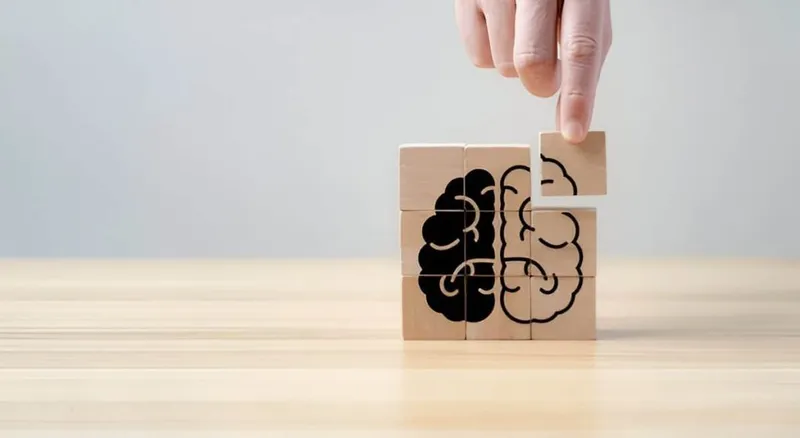
What is a Neuropsychologist?
A neuropsychologist is a specialized clinical psychologist who focuses on understanding how brain function impacts behavior and cognition. They assess, diagnose, and treat individuals with neurological, developmental, or psychiatric conditions.
Key roles of neuropsychologists include:
- Assessment: Conducting comprehensive evaluations using cognitive and behavioral tests.
- Diagnosis: Identifying conditions like traumatic brain injuries, dementia, and developmental disorders.
- Rehabilitation: Developing strategies to improve cognitive and functional outcomes for patients.
- Research: Advancing knowledge in brain-behavior relationships through scientific study.
Neuropsychologist vs. Neurologist: Understanding the Difference
While both neuropsychologists and neurologists deal with brain-related conditions, their roles differ significantly:
- Neuropsychologist: Focuses on the psychological and cognitive aspects of brain function. They evaluate memory, attention, language, and problem-solving abilities.
- Neurologist: A medical doctor specializing in the diagnosis and treatment of neurological disorders, such as epilepsy, Parkinson's disease, and multiple sclerosis.
Master’s Degree in Neuropsychology: Is It Enough?
A Master’s degree in neuropsychology can be a valuable stepping stone but is insufficient for independent practice. Most neuropsychologists pursue a doctoral degree to meet licensing and certification requirements.
However, a master’s degree may allow individuals to:
- Work as research assistants or in support roles in clinical settings.
- Contribute to neuropsychological assessments under supervision.
- Lay the groundwork for pursuing doctoral studies in neuropsychology.
Neuropsychologist vs. Neurologist: Understanding the Difference
While both neuropsychologists and neurologists deal with brain-related conditions, their roles differ significantly:
- Neuropsychologist: Focuses on the psychological and cognitive aspects of brain function. They evaluate memory, attention, language, and problem-solving abilities.
- Neurologist: A medical doctor specializing in the diagnosis and treatment of neurological disorders, such as epilepsy, Parkinson's disease, and multiple sclerosis.

- +Industry-recognized credential boosts your resume
- +Higher earning potential (10-20% salary increase on average)
- +Demonstrates commitment to professional development
- +Opens doors to advanced career opportunities
- −Exam preparation requires significant time investment (4-8 weeks)
- −Certification fees can be $100-$400+
- −May require continuing education to maintain
- −Some employers may not require certification
Sample American Board of Clinical Neuropsychology Practice Questions
Try these questions from our free American Board of Clinical Neuropsychology practice tests. The correct answer and an explanation follow each question.
How many years of specialized training in clinical neuropsychology, beyond a doctoral degree, are typically required for ABCN eligibility?
- A. 1 year
- B. 2 years
- C. 3 years
- D. 5 years
Answer: B. 2 years
The American Board of Clinical Neuropsychology (ABCN) requires a significant period of specialized, supervised training beyond the doctoral degree to ensure comprehensive expertise. Typically, this involves two full years of postdoctoral training specifically focused on clinical neuropsychology. This extensive training allows candidates to develop advanced skills and independent practice competence.
Which of the following is a primary function of the American Academy of Clinical Neuropsychology (AACN)?
- A. Licensing neuropsychologists in individual states
- B. Setting reimbursement rates for neuropsychological services
- C. Advancing the science and practice of clinical neuropsychology through education and advocacy
- D. Administering the board certification examination
Answer: C. Advancing the science and practice of clinical neuropsychology through education and advocacy
AACN promotes the specialty through professional education, practice guidelines, and public policy advocacy.
What is the minimum number of postdoctoral hours in neuropsychology required for ABCN board certification?
- A. 500 hours
- B. 1,000 hours
- C. 2,000 hours
- D. 3,000 hours
Answer: C. 2,000 hours
ABCN requires a minimum of 2,000 postdoctoral hours of supervised experience in clinical neuropsychology.
Which organization's guidelines does the ABCN use as the foundation for defining specialty training in clinical neuropsychology?
- A. American Academy of Clinical Neuropsychology (AACN)
- B. Houston Conference on Specialty Education and Training
- C. Division 40 of the American Psychological Association
- D. National Academy of Neuropsychology (NAN)
Answer: B. Houston Conference on Specialty Education and Training
The Houston Conference on Specialty Education and Training in Clinical Neuropsychology provides the guidelines that ABCN uses to define acceptable training.
Take the full American Board of Clinical Neuropsychology practice test
Conclusion
The ABCN certification is a hallmark of excellence in clinical neuropsychology, signifying advanced knowledge and professional competence. By understanding the exam structure and career pathways, aspiring neuropsychologists can chart a successful path in this challenging yet fulfilling field.
With a commitment to education, training, and ethical practice, you can make meaningful contributions to the understanding and treatment of brain-related conditions.
FAQs
How long does it take to become a certified neuropsychologist?
The process typically takes 10–12 years, including undergraduate studies, doctoral education, internship, postdoctoral training, and certification.
Can I practice neuropsychology with just a master’s degree?
No, independent practice requires a doctoral degree and licensure. A master’s degree may allow you to work in supervised roles.
What are the benefits of ABCN certification?
Certification enhances professional credibility, demonstrates expertise, and increases career opportunities in clinical neuropsychology.
Are there any resources for ABCN exam preparation?
The ABCN website offers candidate manuals and study guides. Professional organizations like the American Psychological Association (APA) also provide resources.
About the Author

Licensed Psychologist & Mental Health Licensing Exam Expert
Northwestern UniversityDr. Nicole Warren holds a PhD in Clinical Psychology from Northwestern University and is licensed as both a Professional Counselor (LPC) and Clinical Social Worker (LCSW). She has 14 years of clinical practice in cognitive-behavioral therapy and trauma-informed care, and coaches psychology and counseling graduates through the EPPP, ASWB, NCE, and state mental health licensing examinations.
Join the Discussion
Connect with other students preparing for this exam. Share tips, ask questions, and get advice from people who have been there.
View discussion (6 replies)