
Radiation Safety Officer Training: Requirements, Courses, and Certification
🏆 Get ready for your rso training certification exam. Practice questions with step-by-step answer explanations and instant scoring.
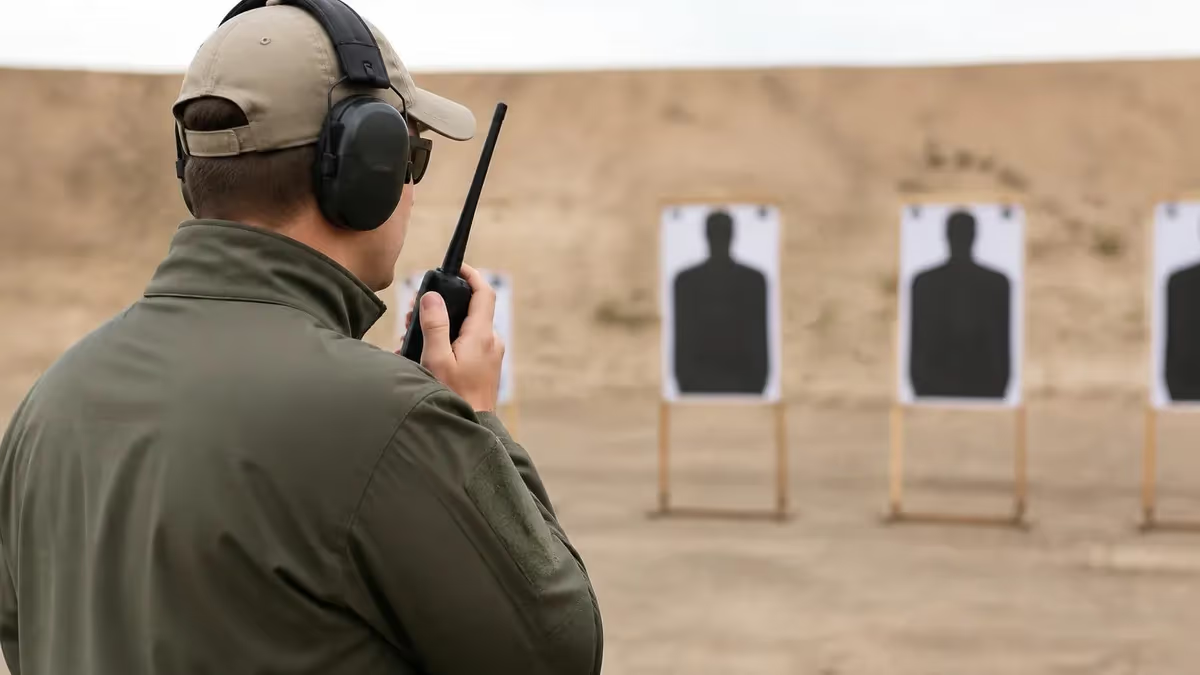
A Radiation Safety Officer (RSO) is the individual at an organization who is formally responsible for implementing and overseeing the radiation protection program — ensuring that radiation sources are used safely, that regulatory requirements are met, and that workers and the public are protected from unnecessary radiation exposure. The RSO role isn't just a job title; in most regulated settings, the RSO is a named individual on the facility's radioactive materials license, with specific legal responsibilities defined by the Nuclear Regulatory Commission (NRC) or the applicable Agreement State radiation control program.
The NRC defines an Agreement State as a state that has entered into an agreement with the NRC to assume regulatory authority over certain radioactive materials. Currently, about 37 states are Agreement States, meaning their state radiation control programs — not the NRC directly — regulate most radioactive materials users within those states. Facilities in non-Agreement States are regulated by the NRC directly. In both cases, the RSO is the named safety official responsible for the day-to-day implementation of the license conditions and radiation protection program.
The scope of an RSO's authority and responsibilities varies significantly by industry. Medical RSOs at hospitals or imaging centers oversee the safe use of diagnostic and therapeutic radiation sources — X-ray machines, nuclear medicine radiopharmaceuticals, and radiation therapy equipment. Industrial RSOs at manufacturing, construction, or mining facilities oversee industrial radiography, well logging, and fixed nuclear gauges.
Academic and research RSOs at universities and research labs manage radioactive materials used in biological, chemical, and physics research. Each sector has distinct regulatory requirements and common radiation sources, though the core competencies of an RSO — radiation physics, monitoring, record-keeping, and emergency response — apply across all settings.
Why does the RSO role matter to organizations? Improper handling of radioactive materials creates risks to workers, the public, and the environment — and regulatory violations carry significant financial penalties, license suspension, or criminal liability. The RSO serves as the organization's subject matter expert on radiation protection and the primary point of contact for regulatory inspections. A well-functioning RSO program reduces exposure incidents, ensures compliance during NRC or state inspections, and protects the organization from the reputational and financial consequences of radiation safety failures.
The personal attributes that make an effective RSO go beyond technical knowledge. RSOs must communicate clearly with workers who may have limited science backgrounds, maintain careful records under regulatory scrutiny, and exercise independent judgment when safety practices conflict with operational pressures. Leadership and communication are as important as technical expertise — an RSO who can't persuade workers to follow proper radiation protection procedures is less effective than their credentials suggest, regardless of technical knowledge.
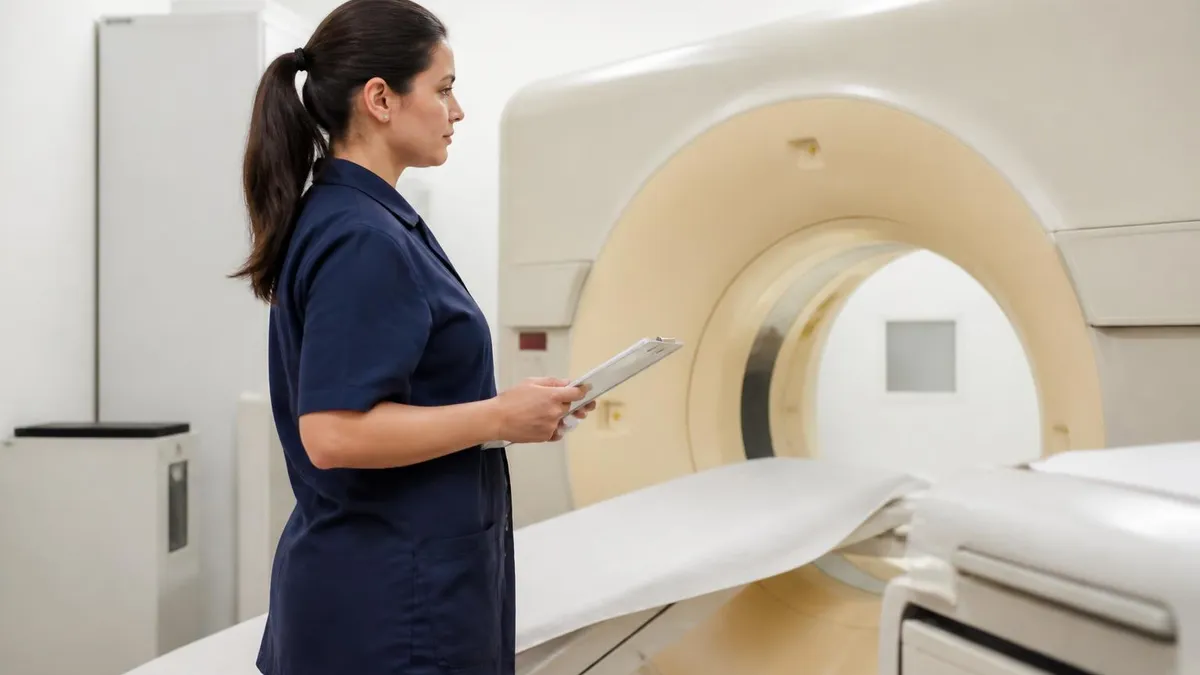
RSO training requirements are established by the NRC in 10 CFR Part 35 (for medical uses) and 10 CFR Part 34 (for industrial radiography), as well as state equivalent regulations for Agreement State facilities. The NRC doesn't prescribe specific course titles or providers — instead, it defines content areas and minimum training hours, then requires that RSOs demonstrate completion of training meeting those requirements. This means there's flexibility in how training is obtained, but the content requirements are non-negotiable.
For broad-scope licenses (typically universities and large research institutions), the NRC requires that the RSO have a relevant degree (typically in health physics, radiation physics, or a related science) combined with radiation safety experience. The standard is set at a Bachelor's degree or higher in health physics, physical science, or engineering, combined with at least 5 years of radiation protection experience. Alternatively, a master's degree in health physics combined with 3 years of experience may satisfy the requirement. These credentials ensure that broad-scope RSOs can manage the full complexity of a diverse radioactive materials program independently.
For limited-scope licenses (specific radiation sources like X-ray, gauges, or specific industrial uses), the training requirements are more accessible. The NRC typically requires formal training specific to the radiation source type — a licensed X-ray machine RSO needs training in X-ray safety and operation, while an industrial gauge RSO needs training in gauge safety and applicable regulations.
Many training providers offer 16-hour, 24-hour, or 40-hour courses specifically designed to meet NRC training requirements for common license types. The NRC maintains a list of training courses that have been reviewed for content adequacy, though attending an NRC-reviewed course doesn't guarantee automatic license acceptance — the RSO's specific training must still meet the license conditions.
Industrial radiography RSOs face some of the most specific training requirements under 10 CFR Part 34. The regulation requires a written radiation safety program, specific training for radiographers and radiographer's assistants, and documented RSO oversight of the program. Most industrial radiography RSOs complete the American Society for Nondestructive Testing (ASNT) Level II or Level III certification in addition to radiation safety training, as the combined credentials cover both the technical application and the safety management aspects of the role.
Army radiation safety officers (Army RSOs, trained under Military Occupational Specialty 74D — Chemical, Biological, Radiological, and Nuclear Specialist) follow a distinct training pipeline through the Chemical Corps. Military RSO training covers CBRN (chemical, biological, radiological, nuclear) operations in addition to the radiation safety fundamentals, reflecting the dual operational and safety focus of military radiation programs. Veterans with Army RSO training often transition into civilian industrial or government RSO roles, where their military credentials are widely recognized as meeting substantial portions of civilian training requirements.
The most widely recognized professional credential for radiation safety officers is the Certified Health Physicist (CHP), administered by the American Board of Health Physics (ABHP). The CHP is a two-part examination — Part I tests comprehensive knowledge of health physics fundamentals; Part II is an oral examination administered by a panel of certified health physicists. Eligibility requires at least 6 years of professional health physics experience, with advanced degrees reducing the experience requirement. The CHP is the gold standard credential for senior RSO and health physics management roles.
Below the CHP, the ABHP also offers the Certified Associate Health Physicist (CAHP) for candidates with 1–5 years of experience. The CAHP is a written examination demonstrating competency in core health physics concepts. Many entry-level and mid-level RSO positions list CAHP as preferred or required, making it an important career milestone for radiation safety professionals building toward the CHP designation.
For RSOs in specific settings, specialized credentials provide additional credibility. Medical health physicists may pursue board certification through the American Board of Radiology (ABR) or the American Board of Medical Physics (ABMP). Industrial radiography RSOs often hold ASNT NDT Level III certifications in addition to radiation safety credentials. Nuclear security RSOs working with classified or sensitive nuclear materials may hold Department of Energy Q clearances and complete DOE-specific RSO training programs distinct from NRC requirements.
Industry-specific RSO training courses from recognized providers are typically the fastest path to meeting initial license requirements. Organizations like the National Environmental Training Association (NETA), Nuclear Safety Associates, and various university-based continuing education programs offer NRC-recognized RSO training courses ranging from 16 to 40 hours.
These courses cover the regulatory content requirements at a practical level appropriate for RSOs managing specific license types — they're not as comprehensive as a health physics degree, but they satisfy the training requirements for limited-scope licenses efficiently. Courses offered online have expanded significantly and can provide the required training hours with the flexibility needed by working professionals transitioning into RSO roles.
Continuing education is a significant part of maintaining RSO credentials once you're in the role. Most certification bodies require periodic renewal — CHP credentials, for example, require 24 CE hours every two years. RSOs also benefit from joining professional organizations such as the Health Physics Society, which provides access to journals, conferences, and regional chapter events. Staying current with NRC and state regulatory updates is not optional; regulations evolve as new isotopes, technologies, and research applications emerge, and RSOs who don't keep pace risk compliance failures that can result in license suspension, fines, or personal liability.
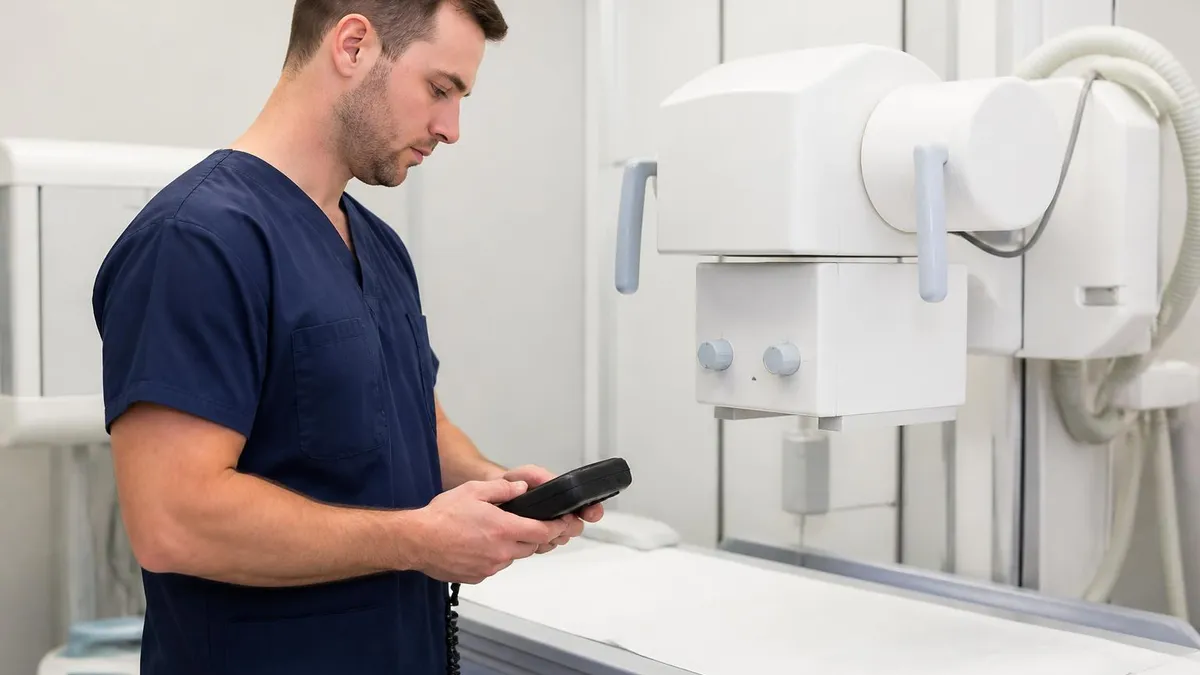
RSO Career: Benefits and Challenges
- +High demand across medical, industrial, research, and government sectors — strong job security
- +Competitive salary ($65K–$120K+ depending on sector and experience) relative to other safety roles
- +Regulatory authority and professional visibility — RSO is a named, accountable position
- +Clear career progression: entry-level radiation safety technician → RSO → CHP → safety director
- +Combination of technical knowledge and management/communication skills makes the role intellectually varied
- −Regulatory compliance burden is heavy — careful record-keeping and documentation required at all times
- −Named on the license, meaning personal regulatory liability for program deficiencies
- −Breadth of required knowledge is demanding — physics, biology, regulations, operations, emergency response
- −Operational pressures can conflict with safety requirements — RSOs must maintain independence under pressure
- −Initial training and certification investment is significant before reaching the senior RSO level
The RSO's day-to-day work encompasses radiation monitoring, program administration, and regulatory compliance rather than hands-on use of radiation sources. A typical day for a hospital RSO might include reviewing dosimetry reports for workers, inspecting radioactive material storage areas, reviewing new procedures involving radioactive drugs, and preparing for an upcoming NRC inspection. An industrial radiography RSO might spend the day reviewing field records from radiography crews, auditing calibration records for survey meters, and responding to a minor contamination event at a field site.
Dosimetry management is a central function for most RSOs. Personal dosimetry badges (thermoluminescent dosimeters, optically stimulated luminescence dosimeters, or film badges) must be issued, tracked, and read at regular intervals for all workers with potential radiation exposure. The RSO reviews dosimetry results, investigates doses that approach or exceed action levels, and ensures that workers whose doses exceed investigation levels receive appropriate follow-up. Annual dose records must be maintained and provided to workers under NRC requirements.
Equipment calibration and maintenance oversight is another core RSO responsibility. Radiation detection instruments — survey meters, area monitors, dose rate meters — must be calibrated at intervals specified by regulation (typically annually or after repair). The RSO ensures calibration records are current, that out-of-calibration instruments are removed from service, and that new instruments meet the performance specifications required for their application. In facilities with many instruments or field operations, this administrative function alone can consume significant RSO time.
Radioactive materials inventory and control is legally required and practically important. The RSO maintains records of all radioactive materials on-site — quantities, locations, uses, and disposal. For sealed sources (common in industrial applications), leak testing at specified intervals documents that sources remain intact. For unsealed radioactive materials (common in medicine and research), tracking incoming shipments, use in experiments or procedures, and waste disposal creates a chain-of-custody record that must be available for inspection. Missing or unaccounted-for material is among the most serious violations in radioactive materials regulation and can result in immediate license suspension.
Emergency response planning and implementation rounds out the RSO's core responsibilities. Every licensed facility must have documented emergency procedures for radioactive spills, lost or stolen sources, overexposure events, and fire or natural disasters involving radioactive materials. The RSO develops these procedures, trains workers in them, and leads the response when incidents occur. Post-incident, the RSO documents the event, conducts root cause analysis, and files required reports with the NRC or state radiation control program. The ability to respond calmly and effectively in a serious radiological emergency is among the most critical professional skills an RSO can possess.
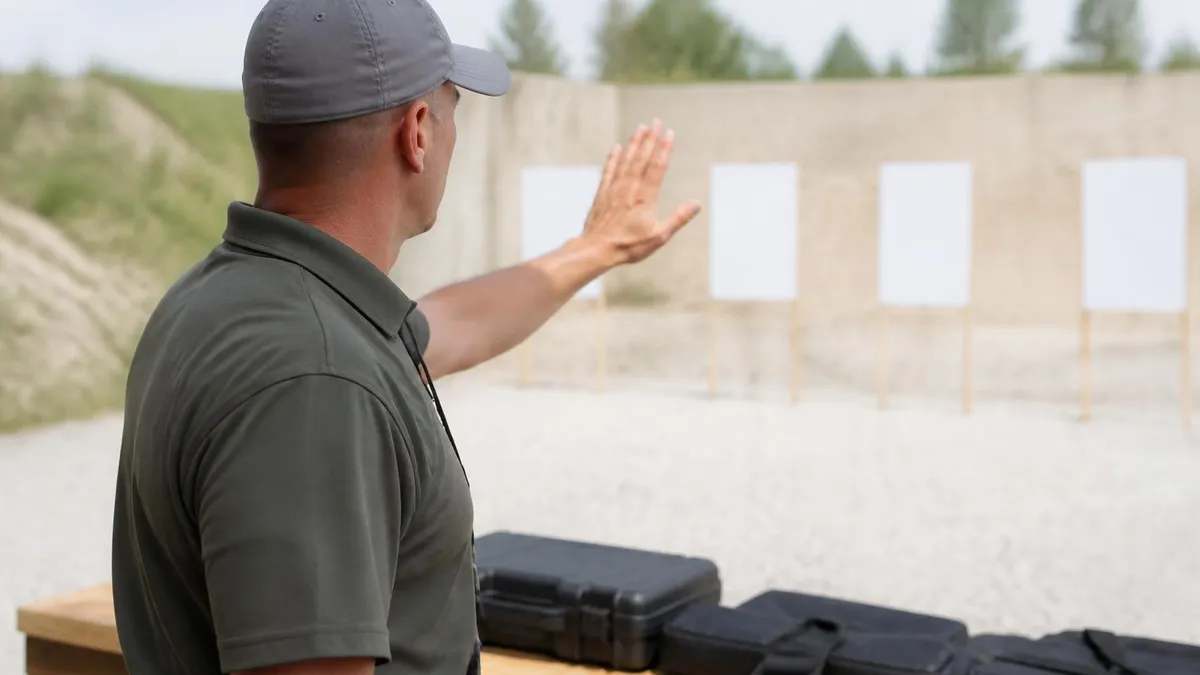
RSO Training by Sector
Medical RSO training typically requires a foundation in health physics or medical physics, followed by sector-specific training in diagnostic imaging radiation, nuclear medicine procedures, and radiation therapy sources. NRC 10 CFR Part 35 sets training requirements for medical uses of radioactive materials, including specific requirements for the medical RSO named on the materials license. Hospitals often hire RSOs with master's degrees in health physics or medical physics and several years of clinical experience. The Joint Commission accreditation process includes radiation safety program evaluation, adding a quality oversight dimension to the medical RSO role beyond NRC compliance alone.
RSO Practice Test Questions
Prepare for the RSO - Certified Range Safety Officer exam with our free practice test modules. Each quiz covers key topics to help you pass on your first try.
RSO Conducting Range Safety Briefings
RSO Exam Questions covering Conducting Range Safety Briefings. Master RSO Test concepts for certification prep.
RSO Emergency Procedures
Free RSO Practice Test featuring Emergency Procedures. Improve your RSO Exam score with mock test prep.
RSO Firearm Stoppages and Malfunctions
RSO Mock Exam on Firearm Stoppages and Malfunctions. RSO Study Guide questions to pass on your first try.
RSO Range Inspection and Rules
RSO Test Prep for Range Inspection and Rules. Practice RSO Quiz questions and boost your score.
RSO Range Standard Operating Procedures
RSO Questions and Answers on Range Standard Operating Procedures. Free RSO practice for exam readiness.
RSO Roles and Responsibilities
RSO Mock Test covering RSO Roles and Responsibilities. Online RSO Test practice with instant feedback.
RSO Emergency Response & Incident Reporting
Free RSO Quiz on Emergency Response & Incident Reporting. RSO Exam prep questions with detailed explanations.
RSO Firearm Handling & Safety Procedures
RSO Practice Questions for Firearm Handling & Safety Procedures. Build confidence for your RSO certification exam.
The fastest path to an RSO position starts with the right academic foundation. For most industrial and limited-scope RSO roles, a bachelor's degree in health physics, radiation science, nuclear engineering, chemistry, or a related science provides the academic background needed. University programs in health physics — notably at University of Michigan, University of Tennessee, Georgia Tech, and others — combine the physics fundamentals with applied radiation protection training that directly supports RSO work.
For candidates without a physics or science degree, completing relevant coursework in radiation physics and biology alongside formal RSO training courses can satisfy regulatory requirements for some license types, though a science degree remains the standard expectation among employers.
Formal RSO training courses are the next step. Choose a course aligned with the license type you'll be managing — industrial, medical, or research — and ensure it covers the NRC content requirements for that license type. Training providers recognized by the NRC or your state radiation control program carry more credibility in license applications. Document your training carefully, including course outlines and attendance records, as this documentation will be submitted with your organization's license application when you're named as RSO.
Supervised experience under an existing licensed RSO is invaluable both for skill development and for meeting experience requirements. If you're working at a facility that already has an RSO, request to be involved in routine RSO functions — surveys, dosimetry reviews, equipment calibrations, and regulatory submissions. Many RSOs welcome mentorship opportunities, and building practical experience before being named on a license reduces the regulatory risk associated with an inexperienced RSO. Professional organizations like the Health Physics Society (HPS) offer student membership and networking opportunities that connect aspiring RSOs with experienced practitioners.
Professional certification through the ABHP (Certified Associate Health Physicist or Certified Health Physicist) adds significant career value. While not required to function as an RSO under NRC regulations, CHP or CAHP credentials signal professional competence to employers and regulators beyond the minimum training requirements.
Many senior RSO job postings list CHP eligibility or certification as a preferred qualification, and the salary differential between certified and non-certified RSOs is meaningful at the senior level. Beginning the certification process early in your career — tracking experience hours from your first professional position — ensures you'll be eligible for examination as quickly as possible.
The RSO role requires both technical depth and personal integrity. Regulatory agencies expect RSOs to maintain independence from operational pressures and report compliance problems honestly, even when doing so creates organizational friction. Building a reputation as a thorough, reliable, and ethically consistent radiation safety professional is the long-term asset that sustains an RSO career. Technical knowledge can be acquired through training; professional integrity must be demonstrated through consistent practice over time.
RSO Training and Career Checklist
- ✓Identify the license type you'll be managing (medical, industrial, research) to select the correct training program
- ✓Complete RSO training that meets NRC or Agreement State content requirements — document all training hours
- ✓Gain supervised experience under an existing licensed RSO before being named on a license
- ✓Ensure familiarity with 10 CFR Part 20 (radiation protection standards) and the applicable license conditions
- ✓Build a personal radiation survey meter proficiency — know how to calibrate, use, and interpret common instruments
- ✓Develop a radiation safety program manual covering dosimetry, inventory, emergencies, and training
- ✓Maintain careful records — dosimetry reports, calibration records, inventory logs, and training documentation
- ✓Join the Health Physics Society (HPS) for access to professional resources, job postings, and continuing education
- ✓Track experience hours from your first professional position toward CAHP/CHP examination eligibility
- ✓Stay current with regulatory changes — subscribe to NRC event notifications and state radiation control program updates
RSO Questions and Answers


About the Author

Educational Psychologist & Academic Test Preparation Expert
Columbia University Teachers CollegeDr. Lisa Patel holds a Doctorate in Education from Columbia University Teachers College and has spent 17 years researching standardized test design and academic assessment. She has developed preparation programs for SAT, ACT, GRE, LSAT, UCAT, and numerous professional licensing exams, helping students of all backgrounds achieve their target scores.
Join the Discussion
Connect with other students preparing for this exam. Share tips, ask questions, and get advice from people who have been there.
View discussion (9 replies)