
PITO Test: Your Guide to Operator Certification
Pass your PITO exam on the first attempt. Practice questions with detailed answer explanations, hints, and instant scoring.
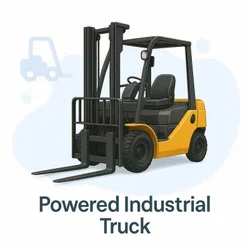
The PITO (Powered Industrial Truck Operator) Test certification is crucial for anyone operating forklifts or similar industrial vehicles in warehouses, construction sites, and manufacturing plants. It ensures that operators are trained in safety practices and are fully aware of how to handle heavy equipment efficiently and responsibly. This article provides an in-depth guide to the PITO certification process, including key training requirements, safety regulations, and frequently asked questions.
PITO Practice Test Questions
Prepare for the PITO - Powered Industrial Truck Operator Certification exam with our free practice test modules. Each quiz covers key topics to help you pass on your first try.
PITO Equipment Operation & Controls
PITO Exam Questions covering Equipment Operation & Controls. Master PITO Test concepts for certification prep.
PITO Inspection & Maintenance Procedures
Free PITO Practice Test featuring Inspection & Maintenance Procedures. Improve your PITO Exam score with mock test prep.
PITO Load Handling & Stability
PITO Mock Exam on Load Handling & Stability. PITO Study Guide questions to pass on your first try.
PITO Safety Regulations & Compliance
PITO Test Prep for Safety Regulations & Compliance. Practice PITO Quiz questions and boost your score.
PITO Emergency Preparedness & Response
PITO Questions and Answers on Emergency Preparedness & Response. Free PITO practice for exam readiness.
PITO Environmental Health & Safety
PITO Mock Test covering Environmental Health & Safety. Online PITO Test practice with instant feedback.
PITO Fire Prevention & Protection
Free PITO Quiz on Fire Prevention & Protection. PITO Exam prep questions with detailed explanations.
PITO Hazard Identification & Assessment
PITO Practice Questions for Hazard Identification & Assessment. Build confidence for your PITO certification exam.
PITO Incident Investigation & Analysis
PITO Test Online for Incident Investigation & Analysis. Free practice with instant results and feedback.
PITO Personal Protective Equipment
PITO Study Material on Personal Protective Equipment. Prepare effectively with real exam-style questions.
PITO Battery Charging & Fueling Procedures
Free PITO Test covering PITO Battery Charging & Fueling Procedures. Practice and track your PITO exam readiness.
PITO Workplace Traffic Management & Pedest...
PITO Exam Questions covering PITO Workplace Traffic Management & Pedestrian Safety. Master PITO Test concepts for certification prep.
Key Takeaways
Free PITO Practice Test Online
Powered Industrial Truck Operator Training is essential for anyone operating forklifts or other industrial vehicles. It includes both classroom instruction and hands-on training.
OSHA standards require that operators undergo regular training, evaluations, and refresher courses to ensure safety and efficiency.
The term PIT stands for Powered Industrial Truck, which refers to vehicles such as forklifts and pallet jacks, commonly used in industrial settings.
Safety standards outlined by OSHA help reduce workplace accidents and ensure that all PIT operators are certified and competent.
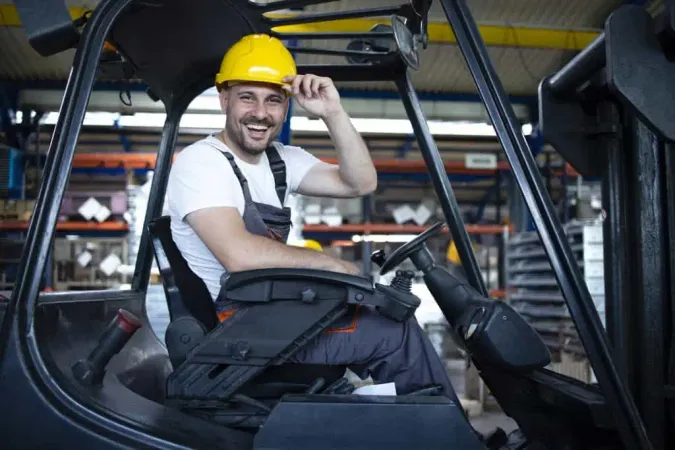
Powered Industrial Truck Operator Training
Powered industrial trucks (PITs) include forklifts, order pickers, pallet jacks, and other vehicles used in industrial settings to move heavy materials. The proper training for operating these trucks is not only necessary for compliance with safety regulations but also essential to prevent workplace accidents and ensure efficient operations.
Key aspects of powered industrial truck operator training:
Classroom Instruction: Operators receive formal education on the mechanics and functionality of powered industrial trucks, safety procedures, hazard identification, and equipment maintenance.
Hands-On Training: Practical, supervised training is provided to allow operators to gain experience in driving and maneuvering the trucks in different workplace conditions.
Vehicle Inspection: Operators are trained on pre-operation inspections, including checking tires, hydraulic systems, brakes, and warning devices. Regular maintenance is emphasized to avoid malfunctions and accidents.
Hazard Awareness: Instruction on identifying potential hazards such as uneven floors, narrow aisles, or obstructions helps operators avoid accidents and handle vehicles more safely in complex environments.
Load Handling: Safe load capacity, positioning, and stability are essential training topics to ensure that the truck is not overloaded, which could result in tipping over or material spills.
Powered Industrial Truck Operator Training Standard
The Occupational Safety and Health Administration (OSHA) sets the standards for powered industrial truck operator training. These standards ensure that workers are adequately trained to safely operate forklifts and other PITs in the workplace.
Key points from the OSHA-powered industrial truck operator training standard:
Initial Training: Operators must receive a combination of formal instruction (lectures, discussions, video presentations, or written material), practical training (demonstrations and exercises under supervision), and an evaluation of their competence in operating a powered industrial truck.
Refresher Training: OSHA requires that operators undergo refresher training if they are observed operating the vehicle in an unsafe manner, if they are involved in an accident or near-miss, or if their workplace introduces new types of PITs or working conditions.
Evaluation: Each operator’s performance must be evaluated at least once every three years. This ensures that operators stay current with safety procedures and continue to operate the equipment safely and efficiently.
Tailored Training: Training must be specific to the type of powered industrial truck being operated and the working conditions of the job site. For example, operating a forklift indoors in a warehouse may require different skills and knowledge compared to operating it outdoors on rough terrain.
OSHA Powered Industrial Truck Operator Training Requirements
Meeting OSHA’s powered industrial truck operator training requirements is mandatory for employers who hire PIT operators. Failing to adhere to these guidelines can result in severe penalties, including fines or other legal consequences.
Key OSHA requirements include:
Proper Instruction: Operators must receive both theoretical and practical training. This instruction includes understanding the equipment, operating limitations, and how to inspect the vehicle.
Safety Emphasis: OSHA mandates that training must emphasize safety-related issues, including how to avoid potential hazards, handle loads, and recognize signs of potential equipment failure.
Operator Certification: After completing training, operators must be certified. The certification process includes evaluating the trainee’s ability to operate the truck in the workplace, including actual driving tests or simulations.
Recordkeeping: Employers are required to maintain documentation of all training and certification records. These records must include the name of the operator, the date of training, the name of the trainer, and the date of evaluation.
Workplace-specific Training: OSHA emphasizes that training should be tailored to the specific type of PIT the operator will be using and to the specific conditions of the workplace. This ensures that training is relevant and that operators are equipped to handle unique challenges in their work environments.
What Does PIT Stand For?
PIT stands for Powered Industrial Truck. These vehicles are designed to lift, move, and transport materials in industrial settings. Common examples include forklifts, order pickers, pallet jacks, and reach trucks.
Common types of PITs include:
Counterbalance Forklifts: The most common type of PIT, designed to lift and transport heavy loads with a balanced weight system.
Order Pickers: Specialized trucks used to lift operators to pick materials stored on high shelves, typically used in warehouse settings.
Pallet Jacks: Both manual and powered versions of this PIT are used to lift and transport palletized loads over short distances.
Reach Trucks: Used in warehouses with high racks, these trucks are designed to reach deep into storage areas to retrieve materials.
OSHA PIT Standards
The OSHA standards for PITs are designed to ensure that all powered industrial trucks are operated safely in workplaces. These standards help prevent injuries and accidents involving heavy equipment.
Highlights of OSHA PIT standards include:
Operator Safety: Operators must receive training and certification before being allowed to operate PITs. This reduces the risk of accidents caused by operator error.
Equipment Maintenance: OSHA requires regular inspections and maintenance of all powered industrial trucks. This ensures that equipment is in good working condition and helps to prevent breakdowns and accidents.
Safe Operating Procedures: Operators must adhere to safe operating procedures, including keeping the truck's load stable, ensuring the truck is used only in appropriate conditions, and avoiding pedestrian traffic whenever possible.
Proper Load Handling: OSHA mandates that operators be trained on how to load PITs correctly. This includes knowing the truck's load capacity, ensuring the load is balanced, and keeping loads stable during transit.

Conclusion
Becoming a certified Powered Industrial Truck Operator (PITO) is an important step for anyone working in industries that rely on heavy equipment for material handling. Proper training not only ensures compliance with OSHA regulations but also increases workplace safety and operator efficiency. By understanding the requirements and best practices for PIT operation, you can confidently pursue certification and expand your career opportunities in industries such as logistics, manufacturing, and construction.
Whether you’re just starting out or looking to renew your certification, adhering to OSHA's training standards and guidelines will keep you on track to a safe and successful career as a PITO-certified professional.
(PITO) Powered Industrial Truck Operator Certification Questions and Answers
About the Author
Certified Professional Development Expert & Niche Certification Advisor
University of Pennsylvania Graduate School of EducationDr. Alexandra Kim holds a PhD in Professional Studies from the University of Pennsylvania and is a Certified Professional in Learning and Performance (CPLP) and Certified Professional in Talent Development (CPTD). With 17 years of corporate training and professional certification advisory experience, she helps professionals navigate specialized, emerging, and cross-industry certification programs.