
NYS Boating License 2026 July — New York Requirements, Age & How to Get One
Free NYS Boating License Test practice test with instant feedback and detailed answer explanations. Prepare for your exam. ❓
Who Needs an NYS Boating License?
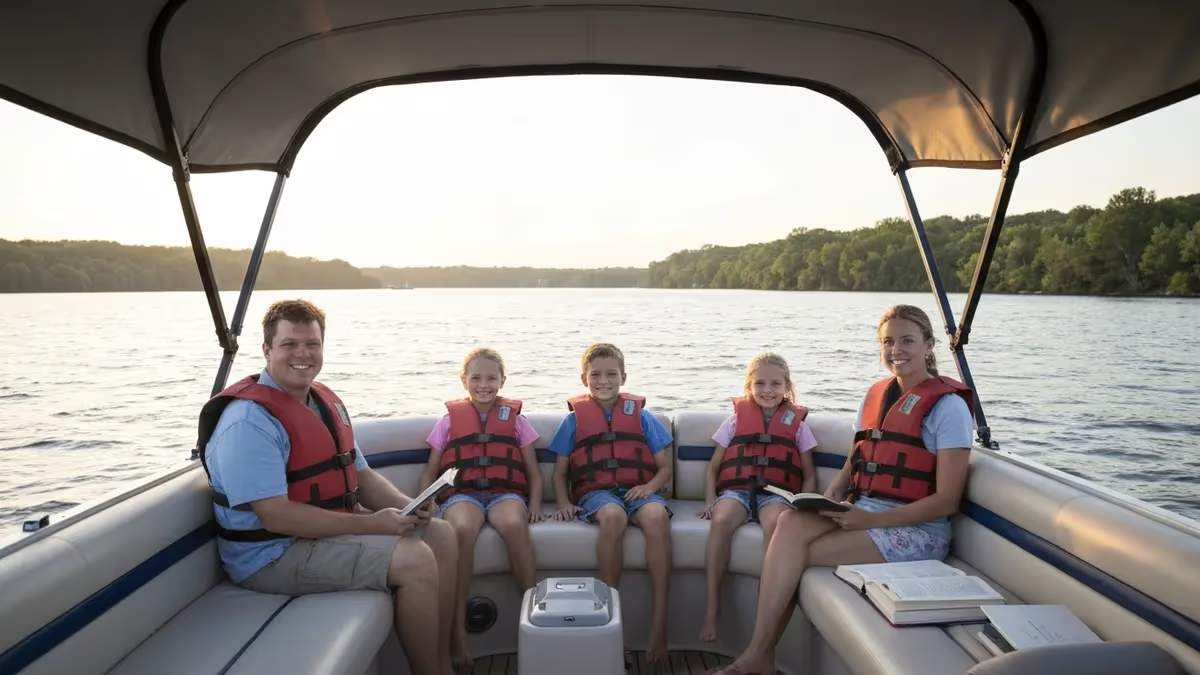
New York State requires a Boating Safety Certificate for anyone born on or after January 1, 1996 who operates a motorized vessel on NY waters. This applies to all powered boats — from small fishing motors to personal watercraft (PWC) like Jet Skis.
The certificate is issued by NYS Parks, Recreation and Historic Preservation (OPRHP) and never expires — it is valid for life once earned. You must carry it whenever you operate a motorized vessel on NY waters.
If you're unsure whether your vessel qualifies, our guide on boating license by state covers motorized vs. non-motorized rules across all states.
New York waterways that require compliance include the Hudson River, Lake Champlain, the Finger Lakes, Long Island Sound, the St. Lawrence River, and all inland lakes and navigable rivers.
How to Get Your NYS Boating Safety Certificate
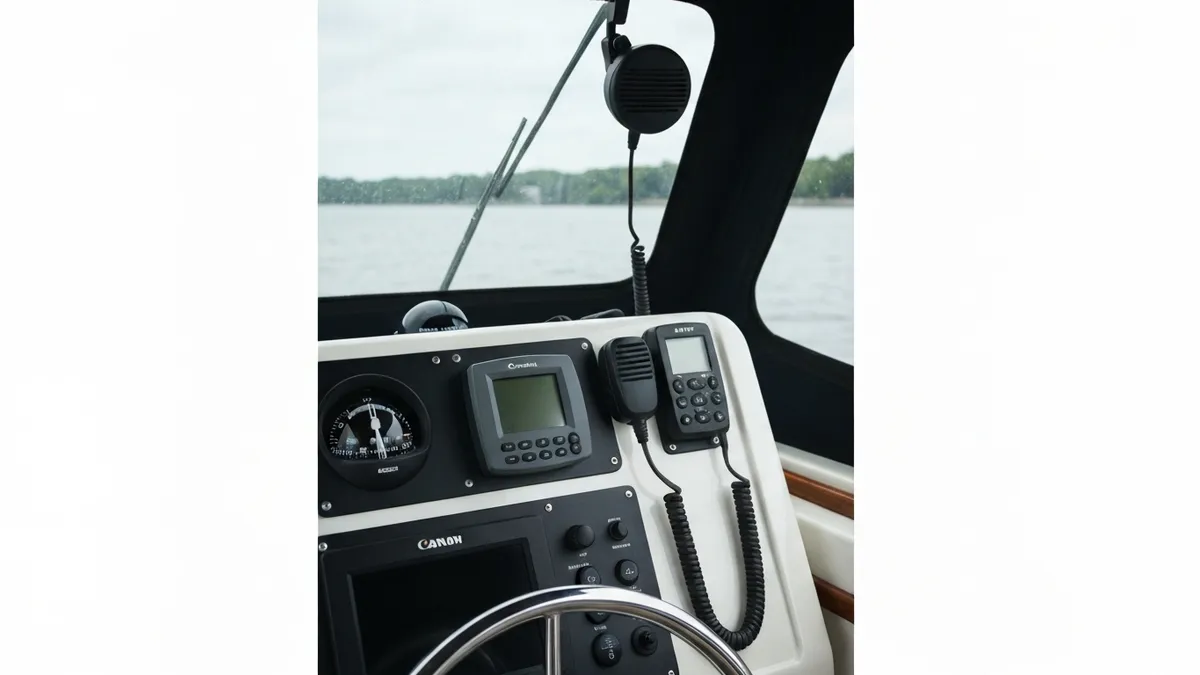
There are two approved pathways to earn your New York State Boating Safety Certificate:
Option 1 — Online Course (Boat-Ed.com)
The online course through Boat-Ed.com is the most popular option. You study at your own pace, then take an in-person proctored exam to complete certification. Cost is approximately $29.95. The course covers navigation rules, safety equipment, right-of-way, weather hazards, and NY-specific laws.
Option 2 — Free Classroom Course
NYS OPRHP offers free in-person classroom courses taught by certified instructors throughout the state. These are typically held on weekends. Check the NYS Parks website for dates and locations near you.
After Completing Your Course
- Pass the proctored written exam (70% minimum score to pass).
- Receive your temporary certificate immediately upon passing.
- Your permanent wallet-sized certificate arrives by mail within 4–6 weeks.
- You must carry your certificate whenever operating a motorized vessel on NY waters.
For a complete overview of boating certification requirements, visit our boating license test practice hub with state-by-state guides and free practice questions.
NY Boating Laws & BUI Rules
Operating a boat while intoxicated (BUI) is illegal in New York and carries penalties comparable to a DUI on the road.
Blood Alcohol Limits
- Adults (21+): BAC of .08% or higher is illegal — same threshold as driving.
- Under 21: BAC of .07% or higher constitutes a Zero Tolerance violation.
Required Safety Equipment
- One U.S. Coast Guard-approved life jacket (PFD) for each person on board.
- A throwable flotation device on vessels 16 feet or longer.
- Working horn or whistle.
- Navigation lights for operating between sunset and sunrise.
- Fire extinguisher (required on motorized vessels).
Speed Limits
New York enforces a 5 mph limit within 100 feet of shore, docks, swim areas, and anchored vessels. No-wake zones are strictly enforced in marinas and residential waterways. PWC operators must be at least 14 years old and cannot operate within 500 feet of a beach or swim area.
NYS Reciprocity — Out-of-State Boaters
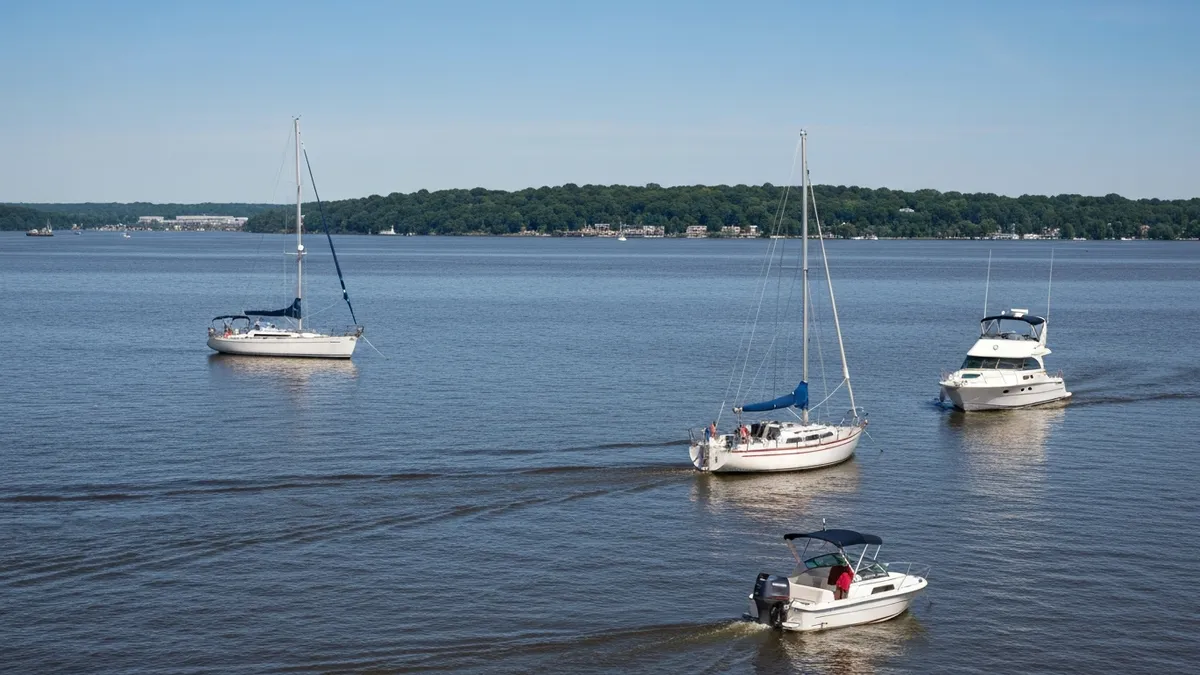
- ✓Boaters with a valid NASBLA-approved certificate from another U.S. state may operate on NY waters.
- ✓Canadian boaters with proof of a NASBLA-approved course are also recognized.
- ✓Out-of-state minors must still meet NY age requirements regardless of their home-state certificate.
- ✓Non-residents visiting NY for fewer than 90 consecutive days may operate with their home-state certificate.
- ✓Commercial operators may have additional licensing requirements regardless of certification status.
- ✓Always carry your home-state certificate or proof of NASBLA-approved completion when boating in NY.
Practice for Your NYS Boating Exam
The written exam for the NYS Boating Safety Certificate covers navigation rules, safety equipment, right-of-way, emergency procedures, and New York-specific laws. You need a 70% score to pass.
Our boating license practice resources cover all major topics tested in New York, including rules for large bodies of water like Lake Champlain and Long Island Sound.
Boaters in neighboring states can find relevant guides in our library: the NC boating license guide, the MN boating license rules, and the Tennessee boating license guide for river navigation rules.
For a broader regional comparison, our boating license NY and Northeast states guide covers multiple states in one place.
NYS Pros and Cons
- +NYS certification is recognized across employers as evidence of verified competency, often required for specific roles
- +Certification provides a structured framework for professional knowledge that benefits daily work, not just the credential itself
- +Many certified professionals report salary increases of 10–20% compared to non-certified peers in the same role
- +Certification maintenance requirements create ongoing professional development that keeps knowledge current
- +The certification credential differentiates candidates in competitive hiring processes and promotion decisions
- −NYS certification fees can be substantial — exam costs, study materials, and renewal fees add up over a career
- −Certification requirements change over time; candidates who delay testing may face updated content requirements
- −Not all employers or markets equally value or require certification — the salary return varies significantly by geography and industry
- −Exam preparation requires significant time investment alongside existing work and personal responsibilities
- −Certification does not guarantee competency in practice — it validates knowledge at a point in time, not ongoing performance
Boating License Test Questions and Answers
More State Boating License Guides


About the Author
Educational Psychologist & Academic Test Preparation Expert
Columbia University Teachers CollegeDr. Lisa Patel holds a Doctorate in Education from Columbia University Teachers College and has spent 17 years researching standardized test design and academic assessment. She has developed preparation programs for SAT, ACT, GRE, LSAT, UCAT, and numerous professional licensing exams, helping students of all backgrounds achieve their target scores.
Join the Discussion
Connect with other students preparing for this exam. Share tips, ask questions, and get advice from people who have been there.
View discussion (6 replies)